REVIEW · MUMBAI
Mumbai: Day & Night City Tours with Multiple Add On Options
Book on GetYourGuide →Operated by Mumbai Excursions · Bookable on GetYourGuide
Mumbai moves fast, and this tour keeps up. It’s a flexible day-and-night circuit designed to help you see the big hits up close, then tailor what you add on—food, markets, neighborhoods, caves, or religion—without getting buried in logistics. I love the photo-ready stops that make the skyline easy to capture, and I love the private-vehicle comfort that saves you from Mumbai’s traffic stress. One thing to keep in mind: some versions include shopping stops, so you may want to mentally brace for sales pressure at certain stores.
In This Review
- Quick highlights at a glance
- How this Mumbai tour works (day, night, and add-ons)
- The most practical part: getting around in an AC car
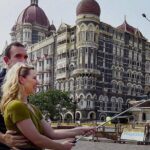
- Gateway of India and the Taj Mahal Palace: the first wow moment
- Oval Maidan, Rajabai Clock Tower, and the Churchgate-to-sea axis
- Marine Drive and Malabar Hill: where night turns cinematic
- Crows, markets, and CSTM: Crawford Market and Chhatrapati Shivaji Maharaj Terminus
- Pass-by stops that still matter: Flora Fountain, Asiatic Society, Regal Cinema
- Food and shopping add-ons: great value, but read the vibe
- Why guides like Nikhil, Shalmali, Aryan, and Shivam change the whole trip
- Time, traffic, and pacing: how to choose the right start time
- Price and value: why it can feel almost too good
- Who this tour suits best (and who should consider a different option)
- Should you book this Mumbai day and night city tour?
- FAQ
- FAQ
- How long is the Mumbai day and night city tour?
- Do I get hotel pickup and drop-off?
- Are entry tickets included?
- Is food included?
- Does the tour include an English-speaking guide?
- Is the tour suitable for wheelchair users?
Quick highlights at a glance

- Pick your pace with day, night, or dawn options so you can chase the light you want
- English-speaking guide + AC driver means less waiting and more time at the sights
- Photo stops at Gateway of India, Rajabai Clock Tower, and CSTM help you get the Mumbai you imagined
- Crawford Market is built for souvenirs, snacks, and quick browsing
- Food and local-meal add-ons can be the best part, with a few surprises in format
How this Mumbai tour works (day, night, and add-ons)
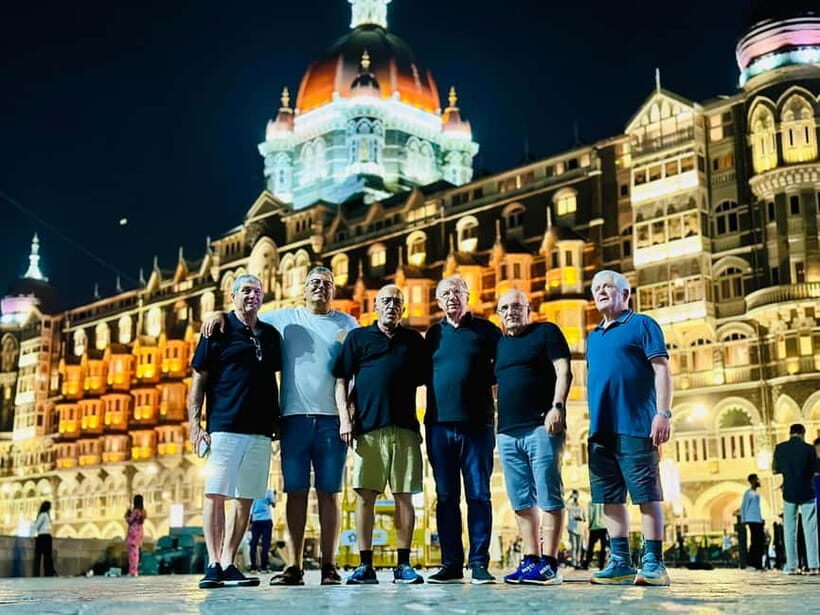
Think of this experience as a choose-your-own Mumbai. The core route links the most recognizable landmarks—harborside views, colonial-era architecture, and the station area that photographers love—while the add-ons let you decide how deep (or how street-level) you want to go.
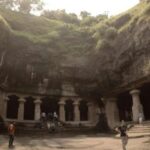
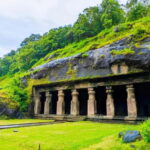
You’re not forced into one single theme. If you want classic sights plus a night skyline, go for a Night City Sightseeing option. If your priority is warm colors in the morning and more legwork on foot, pick a Day or Dawn variant. And if you’re the kind of person who wants Mumbai from multiple angles, you can stack the main circuit with something like Food, Markets, Religious, Bollywood, Elephanta Caves, or even Dharavi (where offered).
The big practical win is that your guide can explain what you’re seeing as you pass each place—so you don’t just collect monuments, you collect context. And because the vehicle is air-conditioned on the ride segments, you can stay focused on the sights instead of cooking in traffic.
You can also read our reviews of more city tours in Mumbai

The most practical part: getting around in an AC car
Mumbai is gorgeous, but it’s not gentle. Roads get crowded, walking distances can add up quickly, and crossing traffic is not for the faint of heart.
That’s where the setup shines: you ride in an AC vehicle with a driver, and you go from stop to stop on a timed route. In practice, this matters because you’re spending your energy on photos, viewpoints, and conversations—not on figuring out how to navigate one area from another on your own.
If you book a private tour, hotel pickup and drop-off is included for that option. For group tours, pickup isn’t included, so you’ll want to confirm how you’re expected to meet the guide. Either way, you’re working with a system, not improvising under pressure.
Also, the tour includes bottled mineral water, which sounds small until you realize how often it saves the day in warm weather.
Gateway of India and the Taj Mahal Palace: the first wow moment
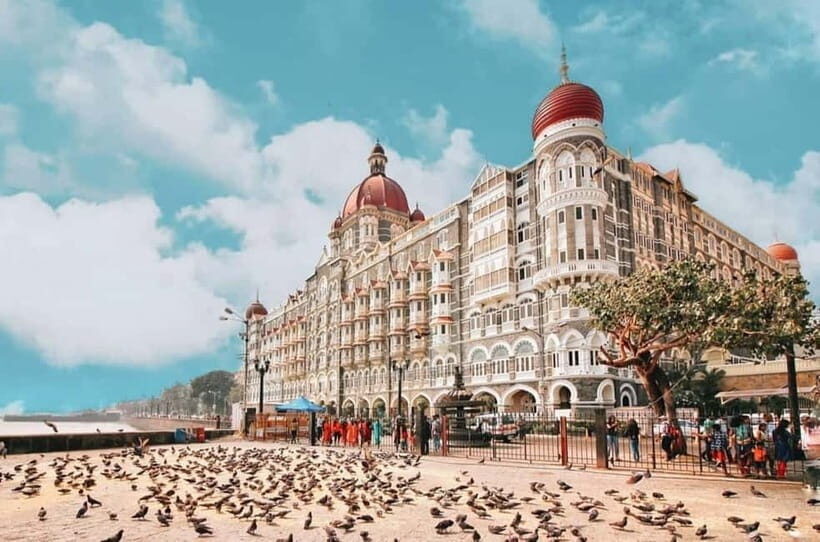
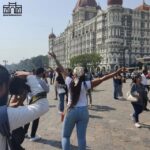
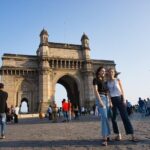
The tour commonly starts by getting you right onto Mumbai’s waterfront energy at Gateway of India. You’ll get a photo stop plus a guided look, which is helpful because this spot is busy and easy to “miss” if you’re just snapping pictures.
From there, the route heads toward the Taj Mahal Palace for another photo moment with guided context. Even if you don’t go inside (the tour includes entry tickets where needed, but this is often an outside-and-explain stop), it’s still a strong anchor for understanding why Mumbai’s waterfront matters—politically, socially, and architecturally.
If you care about photos, this sequence sets you up well. These are landmarks you can frame in both daylight and evening, and your guide can point out how the buildings sit relative to the harbor view.
Oval Maidan, Rajabai Clock Tower, and the Churchgate-to-sea axis
After the waterfront, you move into the city’s skyline-and-infrastructure story. Oval Maidan is where the city’s open space meets landmark buildings, and your guide will connect what you’re seeing to the broader urban layout.
Then comes Rajabai Clock Tower, typically a photo stop. It’s one of those structures that rewards slow looking. With the guide’s explanation, it feels less like a random old tower and more like part of Mumbai’s long-running identity as a port city with big-city ambitions.
You’ll also pass through the Churchgate Railway Station area with a guided segment. Rail is a huge part of Mumbai’s pulse, and seeing it in the context of the tour gives you a better sense of how the city actually runs day-to-day.
Marine Drive and Malabar Hill: where night turns cinematic
If you do the night option, this is the star section. Marine Drive is famous for a reason: you’re seeing Mumbai’s “Queen’s Necklace” vibe without needing to hunt for the perfect spot on your own.
At night, Marine Drive views look like the city is smiling. The road lights, the skyline angles, and the way people move along the promenade all work together. Your guide’s job here is important: they help you time your walking and give you the background so the view means something.
From there, the tour continues toward Malabar Hill, followed by viewpoints and gardens like Hanging Gardens and Kamala Nehru Park. These stops are a nice contrast to the traffic-heavy stretches. They’re the places where you can pause, breathe, and get the “how does this city keep this calm?” feeling—even when the surrounding streets are loud.
You can also read our reviews of more evening experiences in Mumbai


Crows, markets, and CSTM: Crawford Market and Chhatrapati Shivaji Maharaj Terminus
This is where the tour shifts from skyline to everyday Mumbai.
Crawford Market is one of the most useful stops for souvenirs and practical shopping. It’s not just a pretty market building—you’re there with time to browse and buy, and the guided portion helps you understand what you’ll actually find there (and how not to get overwhelmed).
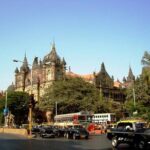
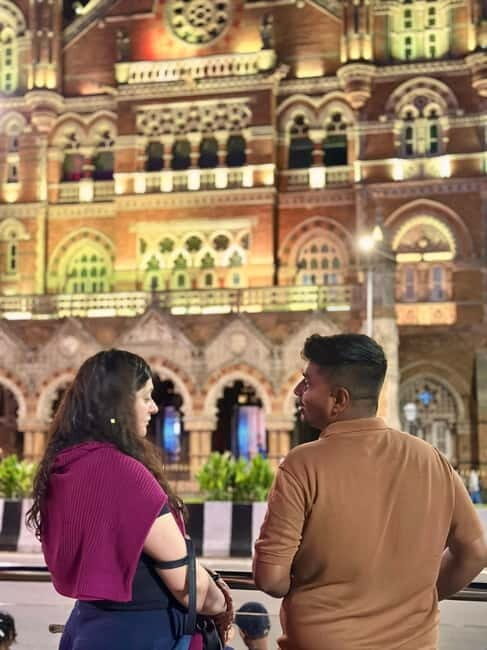
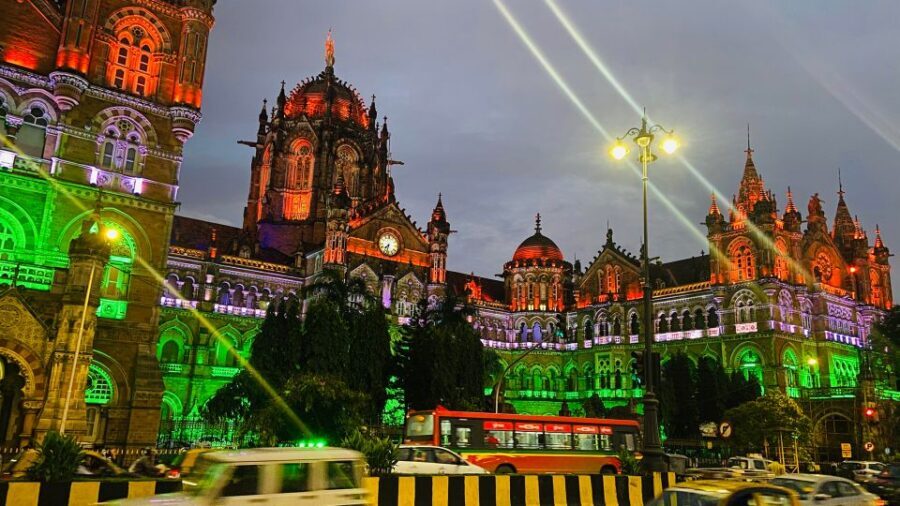
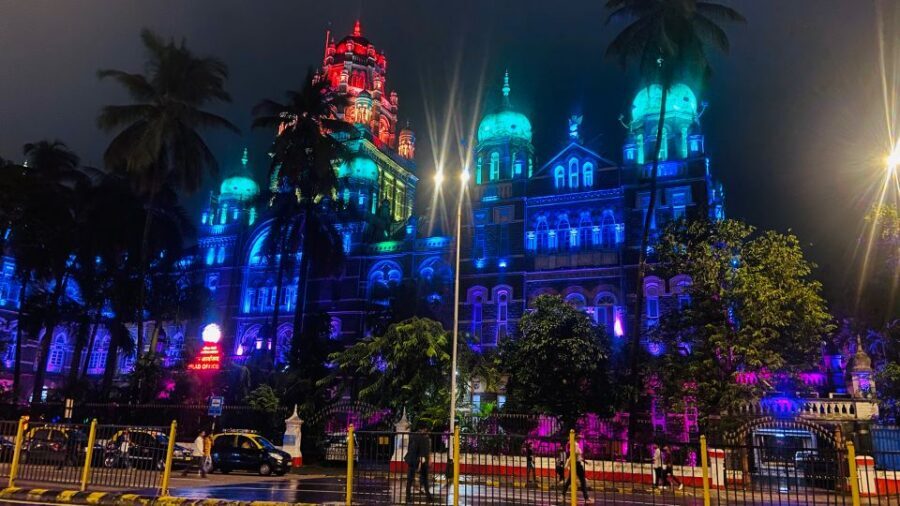
Then you move to Chhatrapati Shivaji Maharaj Terminus—often paired with photo stops and guided explanation. This station area is a major architectural landmark, and it connects the port, the rail network, and the city’s “move people, move goods” story.
If you like photography, CSTM is a strong payoff. The building scale, the details, and the way it frames urban life make it one of those places where your camera will feel like it’s working overtime.
Pass-by stops that still matter: Flora Fountain, Asiatic Society, Regal Cinema
Not every stop needs a long visit to be worth it. The route often includes quick pass-by moments like Flora Fountain, plus photo stops near Asiatic Society of Mumbai and areas around Regal Cinema.
Even if you only get a quick look, these are the kind of moments that help you build a mental map. When you later wander on your own, you’ll recognize what you saw in motion: the city layout, the architecture style, and the zones that feel older versus newer.
This is one reason the English guide helps. Without context, pass-by landmarks can blur. With it, they become “oh, that’s what that area is.”
Food and shopping add-ons: great value, but read the vibe
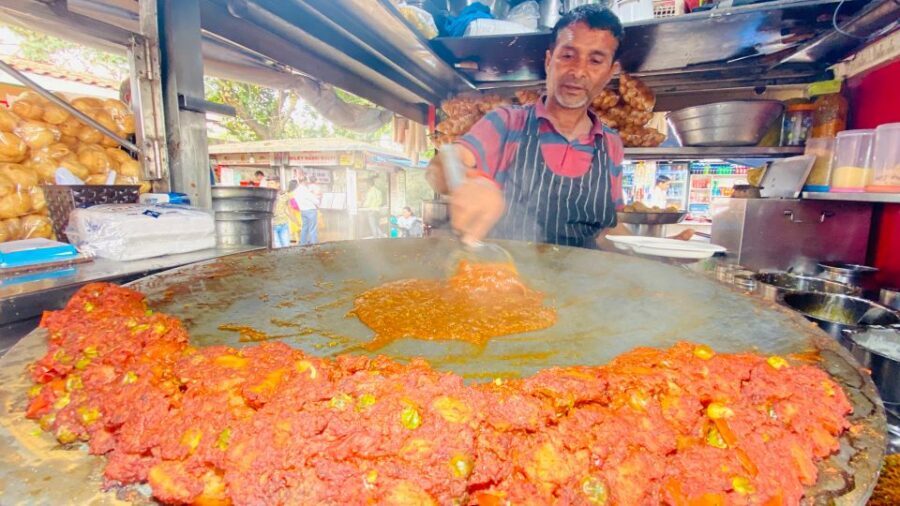
The tour experience includes options like food tours, food tasting, food with family, and markets add-ons. This is where the experience can turn from sightseeing into something more personal.
Here’s what I’d watch for, based on the patterns shown in the tour feedback:
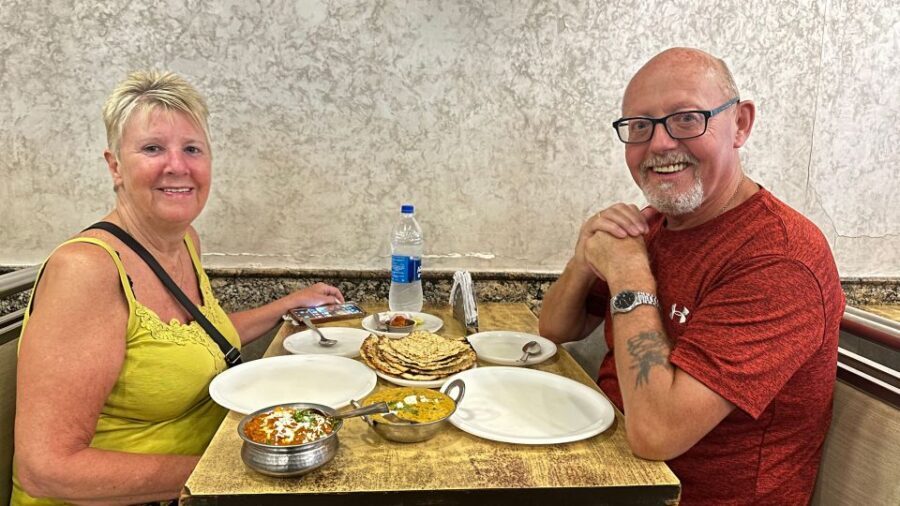
- Food add-ons can be a mix of street-food-style stops and sit-down local meals. Some itineraries include a more formal local family meal, which ends up being a highlight when the host experience is handled well.
- Shopping moments can be partly educational and partly sales-focused. One booking experience flagged a carpet shop visit that felt pushy, so it’s smart to ask how much time is planned for shopping stops before you commit.
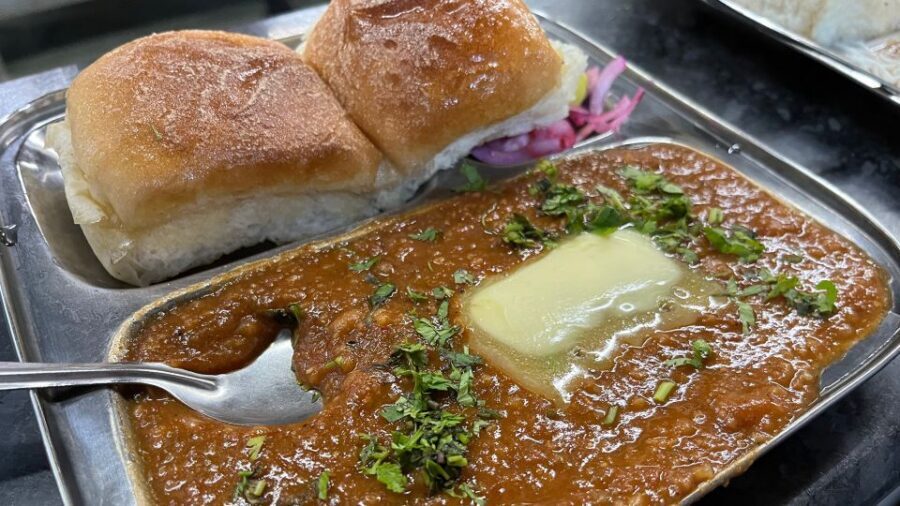
Good news: when food is done right, it’s memorable. In one experience, a guide helped diners learn how to eat with their hands and even had a local hostess guide the experience—plus a clear emphasis on choices that fit local habits. Another night tour favored specific food stops like a recommendation for pav bhaji, and the whole evening felt like it had a plan, not random wandering.
For practical travel style, I suggest you go in with this mindset: if you want food, be ready to eat like locals do. If you want pure sightseeing, you can still pick add-ons, but keep an eye on how the shopping component is handled.
Why guides like Nikhil, Shalmali, Aryan, and Shivam change the whole trip
Same route, different energy.
A strong guide makes the city feel legible. In multiple bookings, guides like Nikhil, Shalmali, Aryan, Shivam, Atik, and Marshall were praised for turning major sites into stories people can actually remember. You could hear it in the way they explained history, suggested smart photo angles, and kept the experience moving at a comfortable pace.
Also, driver teamwork matters more than you’d think. Drivers such as Sultan, Hassan, Dildar, Salim, and JQ were repeatedly mentioned for safe, careful navigation through Mumbai traffic and crowds—especially around busy holiday periods like Diwali. The best trips are the ones where the vehicle timing matches the crowd flow, so you spend less time stuck and more time seeing.
If you’re doing this as a quick first taste of Mumbai, this guide skill is the difference between collecting snapshots and understanding the city’s logic.
Time, traffic, and pacing: how to choose the right start time
This is a 2–9 hour experience depending on the option you book. That range is a clue: timing affects what you get.
For night tours, later starts can help you get more of the true night effect and fewer hours where things are only half-lit. When the tour begins too early for the night version, you can end up with long drives while it’s still not fully dark—so you don’t get the full skyline magic.
For day tours, you’ll want to be realistic about heat and walking time. The itinerary includes several guided segments and photo stops, but you’re still moving through a real city, not a museum loop. A well-paced route keeps stops short enough to avoid fatigue, but long enough for photos and questions.
The best advice is to align your booking with your goals:
- If you’re here for photos and lights, pick the night or start time that maximizes dark scenery.
- If you want landmarks plus atmosphere, a daytime option often feels easier on energy.
Price and value: why it can feel almost too good
At $16 per person, this sounds like a bargain—and the value is built into what’s included.
You typically get:
- An English-speaking guide
- Entry tickets and fees
- Air-conditioned vehicle with a driver
- Bottled water
- Skip the ticket line
- Hotel pickup and drop-off for private tours (group tours don’t include pickup)
On top of that, you’re hitting major landmarks that would cost time and planning to stitch together yourself. Even without counting the value of guided storytelling, transportation plus multiple stops in one coordinated schedule is a big deal in Mumbai.
The main “cost” isn’t money—it’s making choices. Food add-ons have their own inclusions (food is included only for the food tasting option, and lunch is included if a lunch-with-family option is selected). Foods and drinks aren’t included as a default for the base tour.
So the best value strategy is simple: match the add-on to what you actually want to spend time on, then expect minor extra costs only where the option says food or lunch is not included.
Who this tour suits best (and who should consider a different option)
This works especially well for:
- First-timers who want big landmarks in one organized loop
- People short on time, like cruise stop visitors (with a cruise-specific option)
- Couples and families who want safe pacing and clear explanations
- Solo travelers who want to ask questions without navigating alone
It may not suit you if:
- You need wheelchair accessibility (the tour is noted as not suitable for wheelchair users)
- You strongly prefer shopping-free sightseeing, because some shopping stops can be part of certain add-ons or versions
- You want long, deep stays at one neighborhood (this tour is about getting around and seeing a lot)
Should you book this Mumbai day and night city tour?
Yes, I think you should book it if your goal is a fast, guided, photo-friendly introduction to Mumbai that still gives you options. The mix of famous sights (Gateway of India, Taj Mahal Palace, Marine Drive, Hanging Gardens area, Crawford Market, and CSTM) plus optional add-ons makes it adaptable for different travel styles.
Book it with confidence if you value:
- AC comfort
- English guidance
- A route that moves across key districts without you sweating the logistics
Skip or adjust your choice if you hate shopping stops or want a purely foot-and-food wandering tour with no store visits. In that case, pick the add-ons that fit you best and ask about the balance of shopping versus sightseeing before you lock in your day.
FAQ
FAQ
How long is the Mumbai day and night city tour?
The duration ranges from 2 to 9 hours, depending on which option you book. Check availability for starting times.
Do I get hotel pickup and drop-off?
Hotel pickup and drop-off is included for all private tours. For group tours, hotel pickup and drop-off is not included.
Are entry tickets included?
Yes. All entry tickets and fees are included in the tour.
Is food included?
Food is included only in the food tasting tour option. For other options, foods and drinks are not included. Lunch is included if the lunch-with-family option is selected.
Does the tour include an English-speaking guide?
Yes. You’ll have a live English tour guide.
Is the tour suitable for wheelchair users?
No. The tour is not suitable for wheelchair users.