REVIEW · MUMBAI
Dharavi Stories Unfold
Book on Viator →Operated by Mumbaiwanderstour · Bookable on Viator
Dharavi tells Mumbai’s real work story. Dharavi Stories Unfold is a small-group Dharavi slum tour in Mumbai that focuses on daily life, local industries, and personal stories that rarely fit into quick city snapshots. You’ll walk through one of Asia’s largest slum areas, known for recycling, leather work, and crafts like pottery, and you’ll get context that helps the place make sense beyond headlines and movies.
What I like most is the way the tour uses a live English-speaking guide to connect the dots in plain language. Guides such as Sam, Max, Sarfaraz Ali, Rohan, and Ali are repeatedly noted for being friendly and informative, which matters a lot in a place where details can easily get misunderstood. I also love that the tour gives you practical grounding: bottled water is included, the group stays small (up to 20), and you’re spending your time on how people earn a living and build community, not on rushing through a checklist.
One thing to consider: this is a real neighborhood walk, and the experience depends on good weather. If you’re not comfortable with uneven paths and modest physical effort, you may want to plan for slower pace and bring realistic expectations.
In This Review
- Key things to know before you go
- Why Dharavi feels different from a typical Mumbai stop
- The 2–3 hour group format: what you should expect
- Entering Dharavi’s working reality: industries you’ll hear about
- The guide makes or breaks a slum tour (and you get the better end)
- Meeting point and getting your day lined up
- Price and value: what $9.06 buys you
- Weather, group minimums, and practical planning
- Who this tour is best for (and who might want a different style)
- Should you book Dharavi Stories Unfold?
- FAQ
- How long is the Dharavi Stories Unfold group tour?
- How much does the tour cost?
- What’s included in the tour price?
- What should I plan to pay for separately?
- Where does the tour start and end?
- What’s the cancellation policy and does weather matter?
Key things to know before you go
- Small group size (up to 20) keeps the conversation possible and the experience more personal
- English-speaking guide helps you understand how work, trade, and community function
- Industry-focused route covers recycling, pottery, and leather work rather than just general sightseeing
- Bottled water included so you’re not scrambling mid-walk
- 2 to 3 hours on the ground makes it a doable add-on to a busy Mumbai schedule
- Weather-sensitive timing means you should check conditions before you head out
Why Dharavi feels different from a typical Mumbai stop
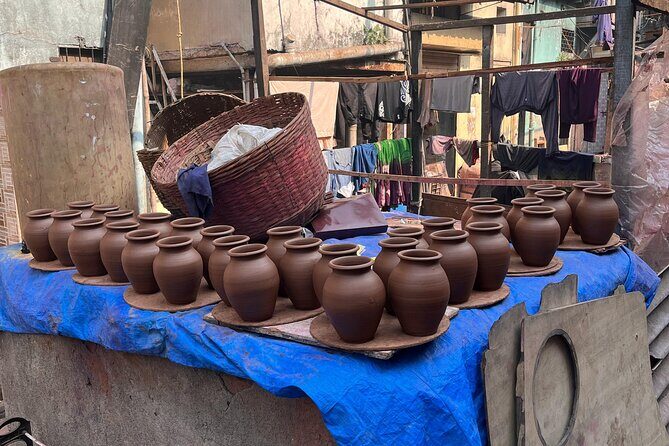
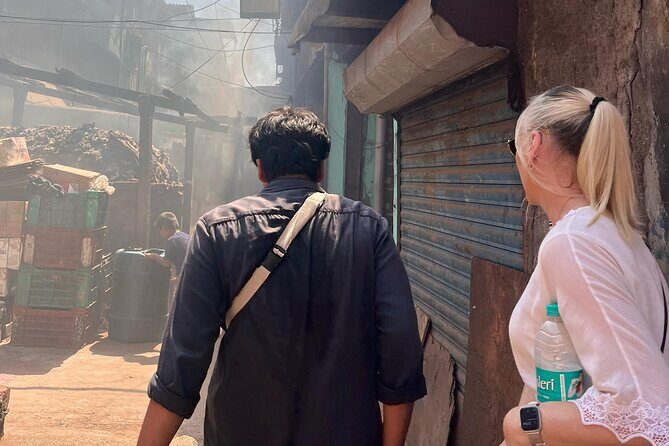
Dharavi isn’t a museum. It’s a working neighborhood in Mumbai, home to well over a million people in a compact area. That density alone changes the way you experience the streets. You’re not just looking at buildings; you’re seeing how people organize daily life—work, family routines, and local trade—all pressed into a small footprint.
This is also why a guided slum tour can be genuinely useful. Without context, you might see workshop fronts, storage areas, and busy lanes and still miss the logic of what’s happening. With the guide’s framing, you start to notice patterns: how goods move, how small businesses connect, and how recycling and crafts feed into wider supply chains. Even if you’ve heard the Dharavi story from pop culture, the on-the-ground explanation makes a big difference.
You can also read our reviews of more tours and experiences in Mumbai.



The 2–3 hour group format: what you should expect
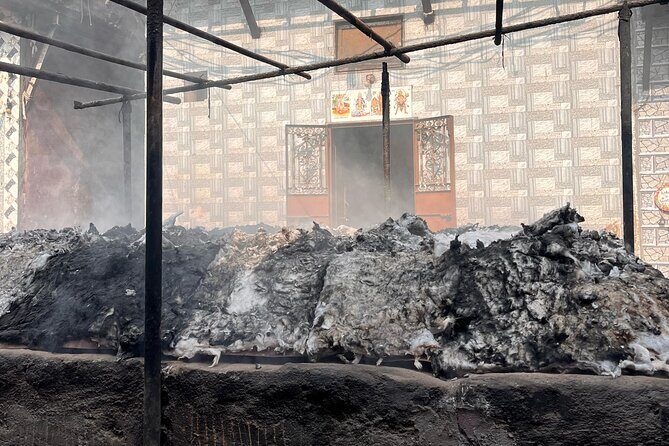
This tour runs about 2 to 3 hours, which is a sweet spot. Long enough to absorb details, short enough that it doesn’t swallow your whole day. Because it’s a group experience with a maximum of 20 people, you get a bit of social energy, but it’s not so large that you’re stuck following a line and missing the explanations.
Pacing is another practical piece. A moderate physical fitness level is recommended, which usually translates to walking through neighborhood streets and staying comfortable with some foot movement. You won’t need climbing gear or anything extreme based on the info here—but you should assume it’s not a sit-down lecture.
You also start and finish at the same place, which reduces stress. After the walk, you return back to the meeting point, so you’re not stuck hunting for a metro or taxi afterward with tired legs.
Entering Dharavi’s working reality: industries you’ll hear about
The heart of this experience is the Dharavi walk itself, where the tour focuses on how the area operates as a local economic engine. Dharavi is often described in broad terms, but on the ground the story becomes specific. You’ll hear about small-scale industries that keep the neighborhood running, including:
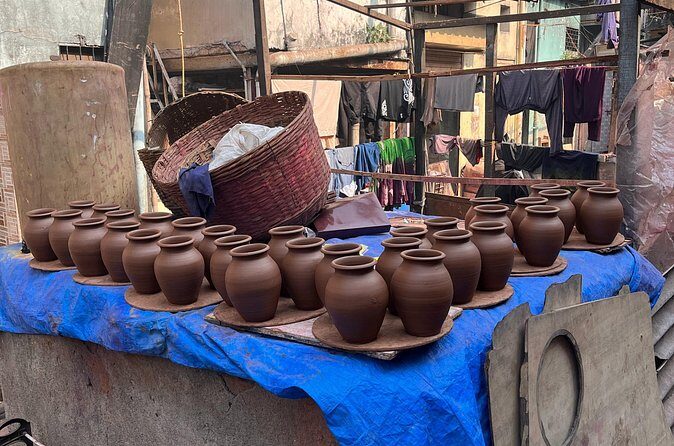
- Pottery, where craft and production are part of everyday work
- Leather work, tied to trade and practical manufacturing
- Recycling, which is central to how materials are reused and value is created
Here’s why this kind of stop is valuable for you. Many visitors come with a single impression—poverty, hardship, or the famous film connection—and then everything else feels like a blur. An industry-based route gives you a second layer: resilience shows up as systems. People don’t only survive here; they trade, produce, and solve problems in very real ways.
That’s also where a good guide becomes essential. The most helpful tours don’t just point. They explain how people work with what they have, how businesses function in a tight space, and why certain activities exist where they do.
The guide makes or breaks a slum tour (and you get the better end)
With Dharavi, tone matters. You’re walking through people’s real lives, so you want someone who handles questions respectfully and keeps the explanations clear. In the feedback for this experience, the standout theme is guide quality—Sam, Max, Sarfaraz Ali, Rohan, and Ali are all highlighted as friendly and informative.
I’d treat that as a practical sign, not just a compliment. When a guide is confident, you spend less time guessing what you’re seeing and more time learning from it. And when a guide is respectful, the visit stays human instead of turning into a performance for outsiders.
One small but important detail: bottled water is included. It seems minor until you’re walking in Mumbai heat and you realize that hydration isn’t something you need to negotiate mid-tour.
Meeting point and getting your day lined up
This tour starts at Third Wave Coffee, Tip Road, Unit no. 58, Ground, Ram Mahal, Senapati Bapat Marg, Marinagar Colony, Station, Mahim, Mumbai, Maharashtra 400016, India. It ends back at the same meeting point, which is a relief if you’re juggling other plans in Mumbai.
The experience is noted as being near public transportation, so you’re not forced into a taxi-only schedule. Still, your biggest win is to arrive early enough to confirm you’re in the right spot. That’s especially true in busy areas where landmarks blur together fast.
Timing-wise, remember it’s 2 to 3 hours. If you’re trying to fit it between museum time and dinner, plan for a little buffer. In a dense neighborhood, even small delays can happen.


Price and value: what $9.06 buys you
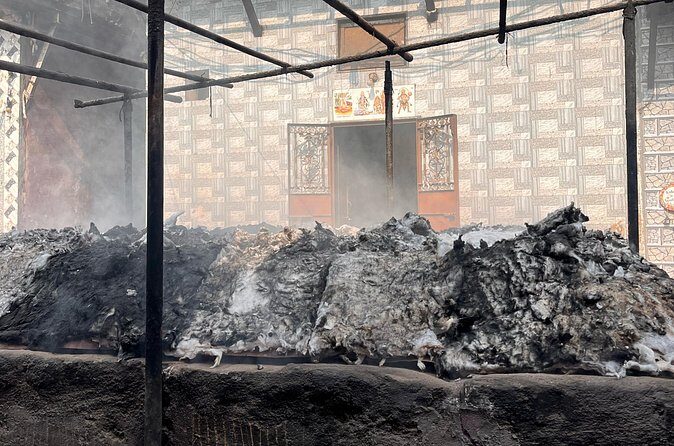
At $9.06 per person, this is one of the more budget-friendly ways to do a guided Dharavi experience. The price includes an English-speaking tour guide and bottled water, and the experience includes an admission ticket as part of the package details.
Now, let’s look at value in a realistic way. Yes, it’s low cost. But the bigger value is what you get for the time you spend: context. Dharavi is not a place where a random self-guided stroll will automatically teach you how the neighborhood works. With a guide, you’re buying interpretation—what you’re looking at, why it exists, and how residents build income and community in a compact urban space.
What isn’t included is also useful to know. Personal expenses are on you. So if you plan to buy snacks, refreshments beyond the included water, or anything else, keep a small cash plan ready.
Weather, group minimums, and practical planning
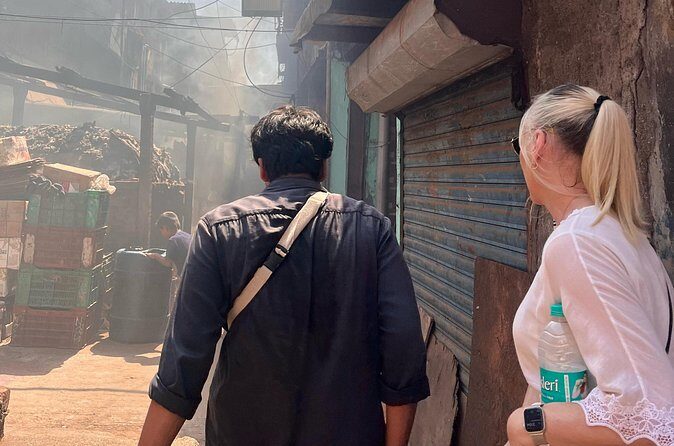
This experience depends on good weather. If conditions aren’t right, you’ll be offered a different date or a full refund. That’s the kind of detail you want to check before you lock a travel schedule that’s packed to the minute.
It also has a minimum number of travelers to run. If that minimum isn’t met, you may be offered another date/experience or receive a refund. For most visitors, that means you should book with enough flexibility that you can shift plans if needed.
On the day, dress for walking and humidity. The tour calls for moderate physical fitness, so comfortable shoes aren’t optional. And bring your attention: this isn’t a quick photo stop. The most rewarding moments are usually the explanations that happen between sights.
Who this tour is best for (and who might want a different style)
This is best for you if:
- you want a guided Mumbai slum tour with clear explanations in English
- you’re interested in how local industries like recycling, pottery, and leather work shape daily life
- you prefer small groups over large bus tours
- you value respectful context more than polished sightseeing
It may be less ideal if:
- you don’t do well with walking and uneven neighborhood terrain
- you need highly structured, scripted viewing time with minimal street-level interaction
- you’re booking during uncertain weather windows
If you want a “show me how it works” experience rather than a “check the box” one, this fits well.
Should you book Dharavi Stories Unfold?
Yes, I think you should book this tour if you’re coming to Mumbai for more than the postcard version of the city. For the money, you get a real guided walk with the help of an English-speaking guide, and the emphasis on how Dharavi functions as an economic hub is exactly what makes it worth your time.
Book it if you can be flexible with timing due to weather, and if you’re comfortable with a moderate walking effort in a real neighborhood. If your goal is to understand Dharavi as a place shaped by work, trade, and community—not just a headline—this is a strong, practical choice.
FAQ
How long is the Dharavi Stories Unfold group tour?
It runs about 2 to 3 hours.
How much does the tour cost?
The price is $9.06 per person.
What’s included in the tour price?
It includes an English-speaking tour guide and bottled water, and the admission ticket is included.
What should I plan to pay for separately?
Personal expenses are not included.
Where does the tour start and end?
It starts at Third Wave Coffee, Tip Road (Unit no. 58, Ground, Ram Mahal, Senapati Bapat Marg, Marinagar Colony, Station, Mahim, Mumbai). It ends back at the meeting point.
What’s the cancellation policy and does weather matter?
You can cancel for a full refund up to 24 hours in advance. If it’s canceled due to poor weather, you’ll be offered a different date or a full refund.