REVIEW · MUMBAI
Private Full-Day Mumbai Sightseeing & Dharavi Slum Tour
Book on GetYourGuide →Operated by Cityscape Mumbai Tours · Bookable on GetYourGuide
Mumbai rewards the curious, even in one day. This private tour stitches icons like the Gateway of India to a respectful Dharavi walk, with an English-speaking guide and an expert driver. The schedule is busy, so you’ll be moving between sights more often than lingering.
I especially like that the city portion covers big-name architecture and real neighborhood stops in one loop, so you get your bearings fast. You also get hotel pickup and drop-off in an air-conditioned car, which matters in Mumbai traffic. The Dharavi part is the emotional contrast: it focuses on daily life and small industries, not shock value.
One more practical note: food isn’t included, so you’ll want to plan around snacks or meals on your own during the breaks.
In This Review
- Key highlights at a glance
- Why this Mumbai route works: icons plus Dharavi in one day
- Hotel pickup, AC car, and the role of a good driver
- Colaba classics: Gateway of India and Taj Mahal Palace quick hits
- CST, Dhobi Ghat, and Crawford Market: the city in motion
- Mani Bhavan, Marine Drive, and the skyline you’ll recognize later
- Banganga Tank and the Colaba Causeway wander
- Dharavi’s 2-hour walking tour: respectful, practical, and human-scale
- Finishing at Mumbai View Point: seeing the city after dark
- Price and value: why this feels fair for a private day
- Who should book this tour, and who should think twice
- Should you book Cityscape Mumbai Tours?
- FAQ
- How long is the Private Full-Day Mumbai Sightseeing & Dharavi Slum Tour?
- Where do I meet the guide?
- What’s included in the price?
- Is food included?
- Is this tour private?
- Is the tour led in English?
- Can I cancel for a refund?
Key highlights at a glance

- Gateway-to-Dharavi mix in one day: major landmarks plus a 2-hour Dharavi walking tour.
- English guide who answers real questions: guides in the reviews explain history and everyday life clearly.
- Working-city stops: Dhobi Ghat and Crawford Market help you see Mumbai at ground level.
- Comfort in traffic: air-conditioned transport with a driver who manages the chaos calmly.
- A night finish: the tour ends at Mumbai View Point so the city looks different after dark.
Why this Mumbai route works: icons plus Dharavi in one day
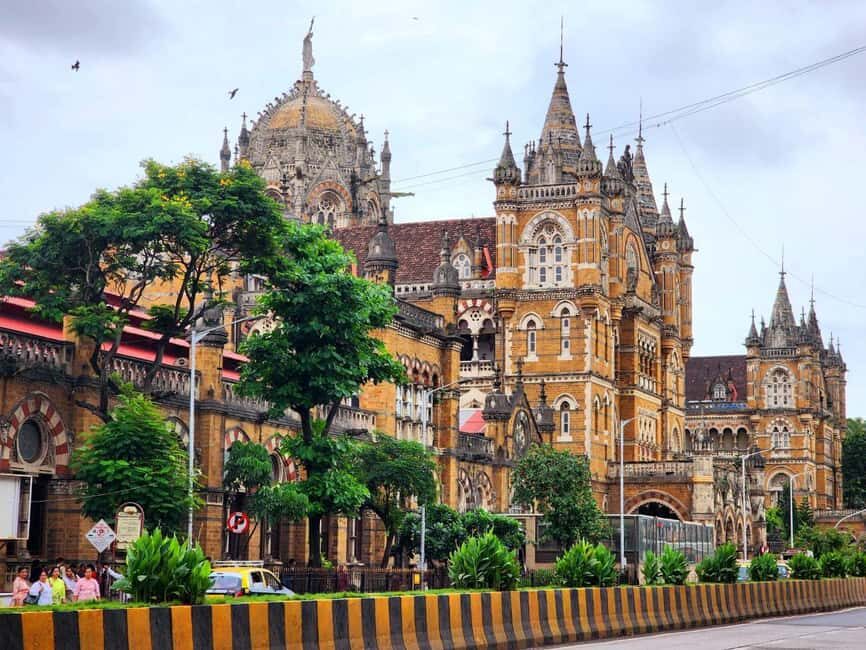
This is the kind of day you take when you don’t have the luxury of multiple trips around the city. You get the famous photo stops—Gateway of India, Taj Mahal Palace, and Chhatrapati Shivaji Maharaj Terminus (CST)—but you also get the places that explain how Mumbai actually runs.
The best part is the balance. The city drive and guided walks build context: architecture, colonial-era landmarks, and classic seaside views. Then the day turns toward lived reality in Dharavi, where the focus is on neighborhoods, recycling, schools, and health facilities.
There’s a trade-off: because the tour tries to fit a lot into a half-day to full-day window (listed as 4–7 hours), you’ll spend some time in efficient “see and learn” mode rather than “wander until you feel ready” mode. If you love unhurried pacing, this might feel fast. If you want maximum value with a guide, it’s a strong match.
You can also read our reviews of more private tours in Mumbai


Hotel pickup, AC car, and the role of a good driver
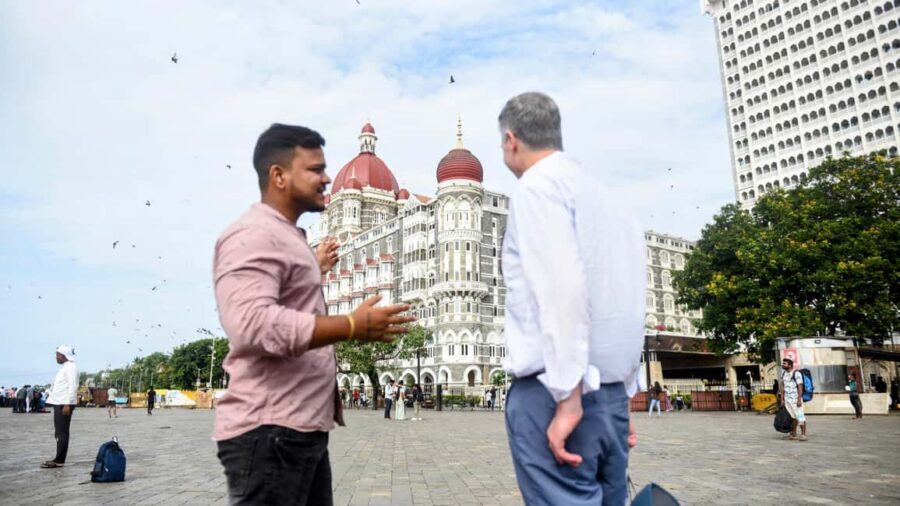
Mumbai’s streets can test your patience. That’s exactly why this tour’s transportation setup matters. You’re picked up from your hotel (or meet your guide at the Green Gate exit of Mumbai International Cruise Terminal, depending on your option) and moved around in an air-conditioned car with an expert driver.
In the reviews, the driver is repeatedly praised for safe driving and for handling traffic without drama. Some guests also mention the driver keeping them comfortable during long stretches and making sure they felt looked after at stops.
This is also where private format helps. You’re not waiting for a larger group to regroup. The day flows more smoothly because the vehicle is dedicated to you and your guide, and the timing is handled by people who know how the city moves.
If you’re prone to motion sickness, you might still want to plan for lots of stops and re-boarding, but at least the ride is AC and organized.
Colaba classics: Gateway of India and Taj Mahal Palace quick hits

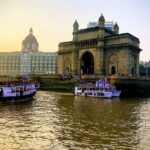
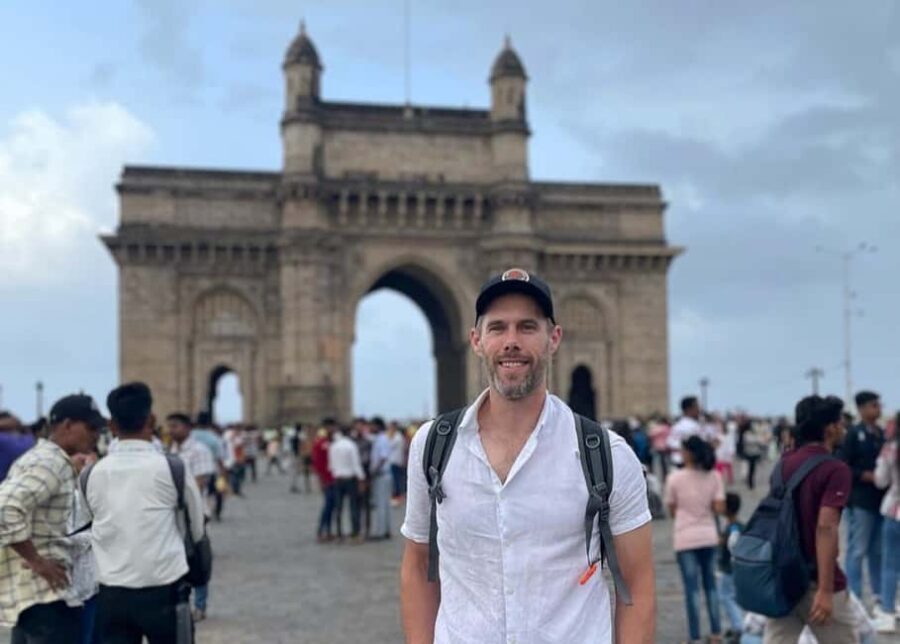
Most Mumbai first-timers want the postcard views, and this tour gives them. You start at the Gateway of India, with a short guided visit and photo time. It’s one of those places where the setting does half the storytelling—the sea-front mood, the monumental scale, and the sense that this city has always been a crossroads.
Next comes the Taj Mahal Palace area. You’re not there long, but you get the recognizable exterior moment (photo stop). It works as a visual anchor: you can later understand why the colonial-era buildings and the business district around them feel so dominant.
This section also sets a tone for the day. The guide’s commentary turns the sea-facing landmarks into something more than photos. You’ll learn what to notice—style details, historical roles, and how these places connect to the modern city.
Because time is tight, you won’t get a full deep-dive at each stop. But you will get enough context to make your next self-guided walk more meaningful.
CST, Dhobi Ghat, and Crawford Market: the city in motion

Then you shift from dramatic monuments to functional Mumbai.
At Chhatrapati Shivaji Maharaj Terminus (CST), the tour includes time for viewing and a guided component. This is a powerful stop because it’s not just pretty architecture—it’s also a working transport hub. The guide helps you connect the building’s style to the era and explains what makes CST so significant.
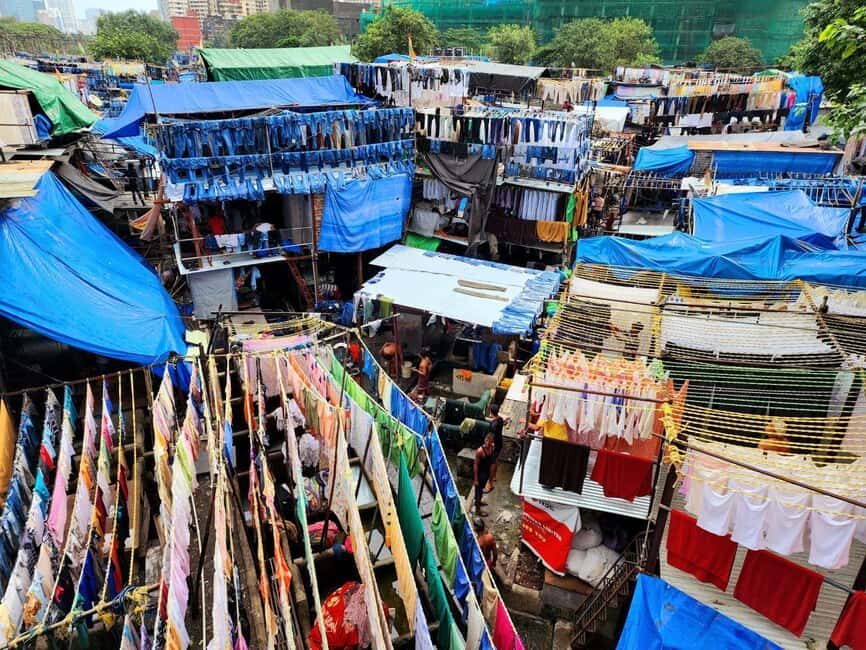
A short move later, you reach Dhobi Ghat, where the focus is on everyday labor and a historic washing practice. You get guided time here, which is key. Without explanation, it can feel like you’re only seeing activity. With a guide, you learn what’s happening and why this place has endured.
Next up is Crawford Market. You’ll have guided time plus a later return that includes a walk and food-market visit. That second pass is smart: the market isn’t just a building; it’s about stalls, colors, and how people shop and exchange information. If you’re the type who loves to watch local life instead of just photographing it, you’ll appreciate the extra time.
A small drawback: markets can be visually intense, and the day is already full. If you want a calmer pace, use the market walk to pick one or two things to focus on, like produce or spices, instead of trying to see everything.
Mani Bhavan, Marine Drive, and the skyline you’ll recognize later
This tour threads cultural landmarks with classic Mumbai viewpoints.
Mani Bhavan gets dedicated visit time, which helps you understand Mumbai through people and movements rather than only through buildings. It’s one of those stops that can shift how you read the city’s story when you’re moving between monuments.
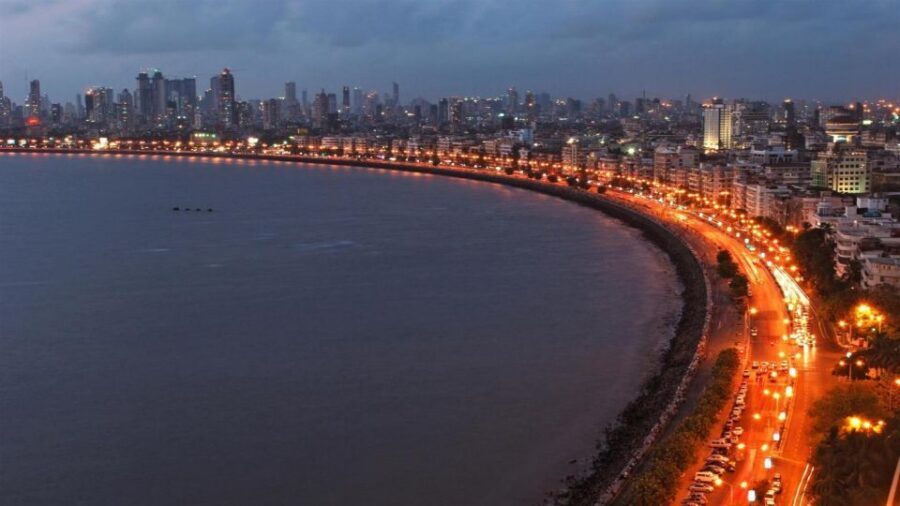
After that, you’ll ride along Marine Drive with guided commentary and scenic views. Even if you’ve seen Marine Drive in photos, the drive-by plus guide talk makes it easier to grasp why locals treat it like a landmark of everyday life. You also pass Malabar Hill for extra skyline perspective.
Then you’re back into the classic heritage rhythm with stops around Rajabai Clock Tower, a quick photo moment at the High Court of Bombay, and a pass by the Asiatic Society area. The tour uses these as short but meaningful framing points: this is how Mumbai’s civic identity gets expressed through architecture.
If you’re interested in law, education, and colonial-era urban planning, these little “pop-in” moments actually add up.
You can also read our reviews of more tours and experiences in Mumbai




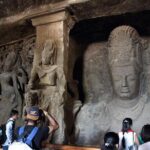

Banganga Tank and the Colaba Causeway wander
You also get a quieter-feeling spiritual/civic moment at Banganga Tank, with guided time. It adds variety to a day that otherwise mixes busy markets and big monuments. A tank stop might sound odd on paper, but in a city like Mumbai it helps you see how different kinds of public space coexist.
Then comes Oval Maidan for a photo stop and short guided time. Even a quick pause here matters, because it gives you a sense of open space and sightline geometry—useful for understanding why so many buildings around it look like they do.
From there, you walk in Colaba Causeway with photo time, a visit, and a stroll. This is the part of the day where you can slow down slightly and just observe. You’ll likely spot everyday street commerce and the “tourist meets local life” overlap that Colaba is known for.
You also pass Girgaon briefly, then continue toward the park-and-view section.
Dharavi’s 2-hour walking tour: respectful, practical, and human-scale
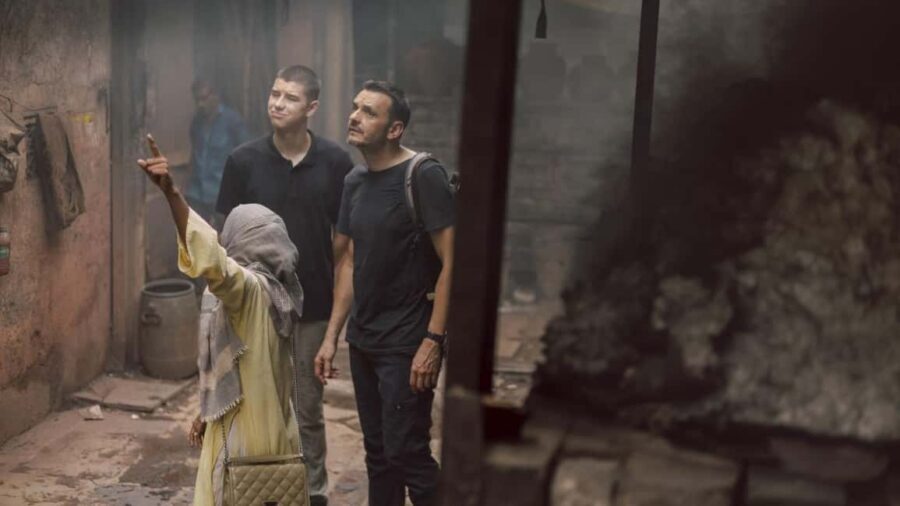
This is the reason a lot of people book the tour, and it’s also the section where the guide quality matters most.
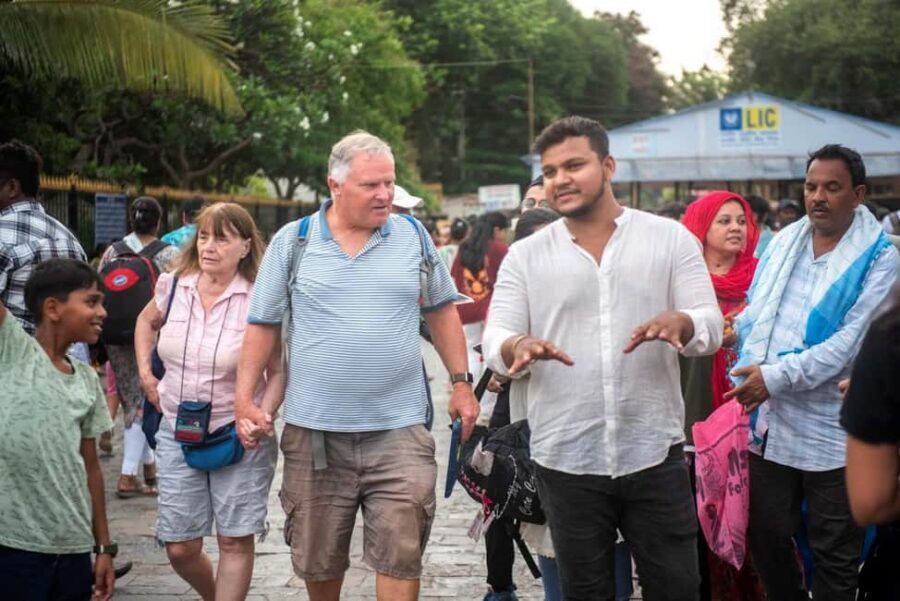
You get a 2-hour educational Dharavi walking tour led by a local guide. The tour is designed to cover recycling factories, residential areas, schools, and health facilities, plus small-scale industries. The goal is a grounded look at daily life and entrepreneurship, so you understand what people do and why.
A standout theme in the reviews: guides who have roots in Dharavi (names mentioned include Krishna, Ravi, and others) bring extra credibility because they can answer questions with personal context. You’re not just hearing facts—you’re hearing what it feels like to grow up in the neighborhood and see it from the inside.
Important consideration: Dharavi is emotionally heavy for many visitors. Even when a tour is respectful, you may feel a mix of curiosity and discomfort. That’s normal. If you’re worried you’ll be overwhelmed, give yourself a minute to breathe after the walk and remember this isn’t a “quick spectacle”—it’s a real neighborhood.
Also, this is a walking component, so treat it like an active block of the day. Wear comfortable shoes, drink the included bottled water, and take the short stops your guide offers.
Finishing at Mumbai View Point: seeing the city after dark

The tour ends with a night view angle at Mumbai View Point. This part matters because Mumbai changes once the sun goes down—street lights, reflections, and traffic patterns make the city feel different.
It’s a smart “wrap-up” strategy. The earlier stops teach you what to notice. The night finish lets you apply that attention to the bigger picture: sea-front edges, skyline silhouettes, and the way people move through the city after work.
If your schedule only allows a shorter version, you might end up with less time here. But based on the tour’s highlights, the night lighting stop is part of the experience design—so it’s worth planning to stay with the group to the end.
Price and value: why this feels fair for a private day
At $27 per person for a private, full-day-style experience (listed duration 4–7 hours), the value is mostly in the combination.
You’re not just paying for vehicle time. You’re paying for:
- hotel pickup and drop-off in an air-conditioned car,
- a local English-speaking guide with guided stops,
- entry/admission covered,
- and the included bottled water.
In practical terms, if you tried to replicate this yourself, you’d spend money on transport just getting between South Mumbai sights and then separately arranging Dharavi with the right kind of guide. Add in the admissions and the guide interpretation, and the price starts to look much more reasonable.
In the reviews, guests also highlight how little time feels wasted in the car—drivers handle route changes well, and guides keep the day organized. That’s not a small thing in Mumbai, where delays happen.
Who should book this tour, and who should think twice
This is a great fit if you:
- have only one day in Mumbai and want fast orientation,
- like a mix of landmark sightseeing and real neighborhood context,
- prefer a private setup with hotel pickup,
- and want a guide who can answer questions without rushing you through.
It’s worth thinking twice if you:
- hate structured days and need long, slow wandering time,
- get emotionally drained by poverty-adjacent neighborhoods (even when visited respectfully),
- or plan to do lots of extra self-guided walking right after the tour. You’ll likely want a quiet evening.
If you’re a solo traveler, the reviews repeatedly mention feeling safe with the guide and driver. If you’re a group, the private format still helps because the pace and stops can feel more tailored.
Should you book Cityscape Mumbai Tours?
If your goal is to see major Mumbai landmarks and also understand Dharavi’s daily life in one guided day, this tour is a strong bet. The reviews emphasize two things again and again: safe, organized transport and guides who explain with clarity, including some who have personal ties to Dharavi.
My advice: book it if you want efficiency with context, not if you want a relaxed day with lots of free time. Bring curiosity, expect a packed route, and treat the Dharavi section as the emotional heart of the day.
FAQ
How long is the Private Full-Day Mumbai Sightseeing & Dharavi Slum Tour?
The tour duration is listed as 4–7 hours, depending on availability and starting times.
Where do I meet the guide?
You meet your guide at the Green Gate, the exit of Mumbai International Cruise Terminal.
What’s included in the price?
Included are hotel pickup and drop-off, entry/admission, a local English-speaking guide, and bottled water.
Is food included?
No. Food and drinks are not included.
Is this tour private?
Private group options are available.
Is the tour led in English?
Yes, the live tour guide is listed as English.
Can I cancel for a refund?
Free cancellation is available up to 24 hours in advance for a full refund.