REVIEW · MUMBAI
Essence of Mumbai : The Cultural Experience Tour
Book on Viator →Operated by Amaze Mumbai Tour · Bookable on Viator
Mumbai runs on routines, and this tour shows why. I like the way you start with the Koli community and then shift to the dabbawallas story, where a century-old tiffin system still runs on schedules. With a dedicated English-speaking guide and a driver, you’ll also tour Dhobighat up close and finish at a gaushala, plus lunch is included.
One drawback to plan for: Dhobighat is an active, open-air laundromat, so expect strong sights and smells and a good bit of standing.
In This Review
- Key points to know before you go
- The value: what $54 buys you in Mumbai
- Getting picked up on time (and why start time matters)
- The first stop: meeting the Koli community
- Dabbawallas and a train ride: the tiffin system up close
- Dhobighat: the open-air laundromat, toured from the inside
- Lunch at an Indian restaurant: keep your energy for the second half
- Gaushala visit: cow shelters with cultural meaning
- Transfers, comfort, and how long you really have
- Who this tour suits best (and who should think twice)
- Should you book the Essence of Mumbai cultural experience?
- FAQ
- How long is the Essence of Mumbai cultural experience tour?
- How much does the tour cost?
- What time does the tour start?
- Is lunch included?
- Do you get hotel pickup and drop-off, and how do you travel?
- Do you have a guide?
- What are the main places you visit?
- What is the cancellation policy?
Key points to know before you go
- Start with real neighborhood life through a visit to the Koli community
- See the dabbawallas in motion with a train ride tied to their tiffin routes
- Tour Dhobighat from the inside instead of just looking down
- Lunch is built in at an Indian restaurant, so you’re not hunting while on a tight schedule
- End at a gaushala to understand the religious and cultural care behind cow shelters
- Private group + pickup/drop-off with AC car and a guide who handles the details
The value: what $54 buys you in Mumbai
At $54 per person for 4 to 5 hours, this tour is priced like a practical half-day that covers transport, a guide, key cultural stops, and lunch in one go. The big value is that you’re not just watching Mumbai from the sidewalk. You get access points most visitors miss: the Koli community visit and an insider-style look into Dhobighat.
You also get fewer moving parts. Hotel pickup and drop-off are included, plus bottled water, an AC car with driver, and a dedicated English-speaking guide. Group discounts are mentioned too, so if you’re traveling with friends, ask about the split.
You can also read our reviews of more tours and experiences in Mumbai.



Getting picked up on time (and why start time matters)
The tour starts at 10:00 am in Mumbai, and the timing can shift depending on where you’re staying. If your hotel is near the Mumbai airport, start time is 9:45 am. If you’re in central South Mumbai, start time is 10:30 am.
That matters because traffic and travel time in Mumbai can change fast. This is why I like that the meet-up is straightforward: your guide and driver meet you at your hotel or airport or train station. You’ll also have a clear end point near the end of the day, with drop-off back where you started (or added stops if you want).
The first stop: meeting the Koli community
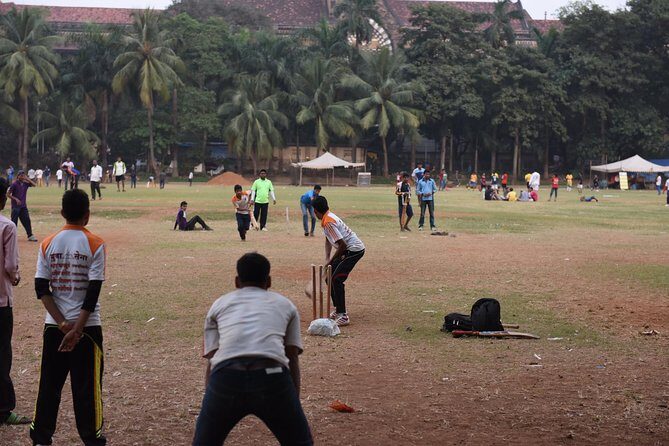
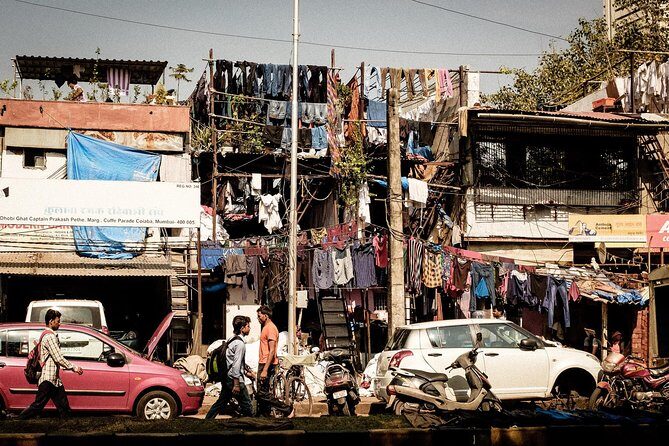
The tour begins with the Koli community—described here as the first inhabitants of the city now known as Mumbai. This is one of those stops that changes how you read the rest of the city. Instead of starting with monuments, you start with people and daily life in fast-moving Mumbai.
What you’ll do is interaction-based: you’ll spend time with community members and learn what living here looks like from the inside. The tour doesn’t treat it like a quick photo-op. It’s set up to help you ask questions and understand rhythms, even if your time is limited.
Practical note: you’ll likely want to dress comfortably and keep expectations flexible. Community time can move at the pace of the day, not a clock.
Dabbawallas and a train ride: the tiffin system up close
Next comes the train station to see how the dabbawallas work. Dabbawallas are tiffin carriers, and the tour frames it as a system operating for a century. That’s a useful detail because it reframes what you might think you’re seeing. This isn’t just delivery. It’s a routine that keeps people fed, coordinated, and connected across the city.
You don’t just watch from the platform. You take a train ride to reach Dhobighat. This is a big plus for value: the transport isn’t an add-on; it’s part of the story you’re learning.
If you’re someone who likes practical logistics—how things actually get done—this segment is where you’ll feel the payoff. You’ll see the city as a network, not a list of sights.
Dhobighat: the open-air laundromat, toured from the inside
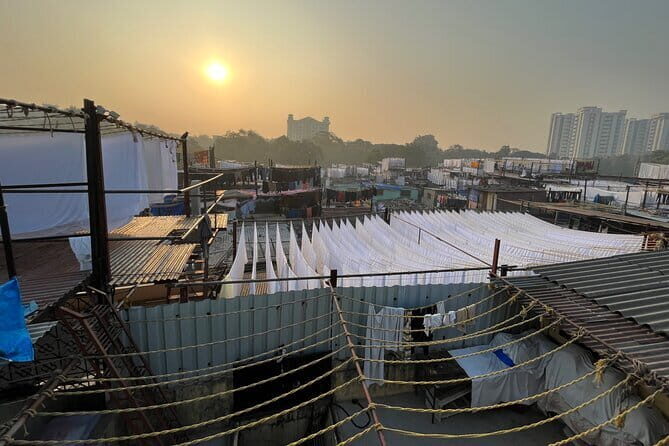
Dhobighat is the headline. It’s described as Mumbai’s famous open-air laundromat, and the tour specifically includes an insider-style visit—so you don’t just view it from above.
Here’s what makes this stop special: laundry in an open-air setting turns into a full production line. You’ll see people working in close proximity, and you’ll get a sense of how daily labor shapes the look and feel of a neighborhood. You may notice strong smells and wet surfaces right away. Wear shoes you can stand in, and keep your camera ready but expect you won’t have a perfectly staged view.
A small, smart tip: if you’re sensitive to odors, carry something simple like a mask or strong travel-safe scent. The tour provides bottled water, which helps, but the environment is still real-world Mumbai.



Lunch at an Indian restaurant: keep your energy for the second half
Lunch is included, and it’s served at an Indian restaurant as part of the tour flow. This is one of the easiest “value wins” on a paid excursion. You don’t have to plan where to eat or gamble on timing after a train ride.
I also like that lunch slots in before the gaushala. That pacing matters because the next stop leans into cultural context and observation. If you’re tired or hungry, you’ll miss details.
Ask your guide what to order if you’re unsure. The tour also includes a guide who helps with context, not just logistics—one guide named Alan is specifically praised for knowing good food places and handling the day with patience.
Gaushala visit: cow shelters with cultural meaning
After lunch, you’ll visit a gaushala. A gaushala is described as a protective shelter for cows in India, with a focus on treating cows well due to their religious significance in Hinduism and the cultural sensitivity around their welfare.
What you’ll take away here is the social meaning. In many cities, animals are just background. In this stop, they’re part of a value system—and that changes how you interpret what you see as you move through Mumbai.
This isn’t framed as a documentary lecture. It’s a visit where you spend time learning what a gaushala is and why it exists. If you care about culture beyond landmarks, this segment gives you that angle.
Transfers, comfort, and how long you really have
This is a 4 to 5 hour tour, running from pickup to drop-off. You’ll have an AC car with a driver, plus bottled water, so you’re not overheating while moving between stops.
Because it’s a private tour/activity for your group only, the day is easier to manage than most big group city tours. Still, it’s not a slow sightseeing crawl. You’ll be out and about: community visit, train segment, Dhobighat inspection, then gaushala.
If you want lots of free time for wandering, this may feel structured. If you want a guided, high-signal cultural route, it’s a good fit.
Who this tour suits best (and who should think twice)
This tour is ideal if you want culture that’s tied to real routines: community life, the dabbawallas system, open-air labor at Dhobighat, and the gaushala’s cultural role. It’s also a strong choice if you prefer someone else handling transport and timing, while you focus on asking questions and noticing details.
It’s less ideal if you hate strong sensory environments. Dhobighat is open-air and active, and your comfort level there matters more than the itinerary does.
If you’re booking for a short Mumbai stay and want a compact “how the city works” experience, this delivers.
Should you book the Essence of Mumbai cultural experience?
I’d book it if you like tours that teach by showing how people live and work. The strongest reasons are clear: you get access inside Dhobighat, you take a train ride as part of the dabbawallas story, and you spend time with the Koli community plus a gaushala, all with lunch included.
I’d hesitate only if you’re very sensitive to smells or standing around in an open-air working space. Also, because it’s 4 to 5 hours, you should treat it as your planned anchor activity—not something to layer with a bunch of extra appointments.
If you can request a guide, there’s a real fan favorite here: Alan gets called out for cultural and historical knowledge, food know-how, and patient, thoughtful guiding. Even if you don’t get Alan, the tour is built around that style of attentive, practical accompaniment.
FAQ
How long is the Essence of Mumbai cultural experience tour?
It lasts about 4 to 5 hours.
How much does the tour cost?
The price is $54.00 per person.
What time does the tour start?
The standard start time is 10:00 am. If your hotel is near the Mumbai airport, it starts at 9:45 am. If your hotel is in central South Mumbai, it starts at 10:30 am.
Is lunch included?
Yes. Lunch is included in the tour fees.
Do you get hotel pickup and drop-off, and how do you travel?
Yes. Hotel pickup and drop-off are included, and you travel by private vehicle with an AC car and a driver.
Do you have a guide?
Yes. The tour includes a dedicated English-speaking guide.
What are the main places you visit?
You visit the Koli community, you go to a train station to see how the dabbawallas work and then take a train ride to Dhobighat, you tour Dhobighat, you have lunch at an Indian restaurant, and you visit a gaushala.
What is the cancellation policy?
Free cancellation is available. You can cancel up to 24 hours in advance of the experience for a full refund. Changes made less than 24 hours before the start time are not accepted.