REVIEW · MUMBAI
All in one Combo of City ,Slum,Dhobighat & Dabbawala tour
Book on Viator →Operated by Bollywood Tours · Bookable on Viator
Mumbai feels doubled in one day.
That is the magic of this private city-and-slum combo: you get the big-name sights in south Mumbai, then you pivot to Dharavi’s street-level reality and finish with Dhobi Ghat laundry—so the city shows you both its postcard face and its everyday working life. I especially like the personal guide setup (you can move at your pace) and the fact that the day is built around multiple “how Mumbai works” stories, not just photos. One consideration: timing and comfort matter, since you’re on your feet for walking time and the tour does not include food or beverages.
I also like that logistics are handled for you. Pickup and drop-off work from your hotel, cruise terminal, or the airport, and you’ll ride in an air-conditioned private cab with fuel, parking, and driver allowance covered. The tour format includes personal attention, and the guide styles described around the experience include people like Rahul, Anoushka, Sunil, and Lawrence—so it’s not the rigid, one-size script kind of tour.
The main drawback to plan around is that not every cost is bundled for every stop. For example, the Dhobi Ghat admission is listed as not included, and one past guest flagged confusion about whether a train ride would be part of the experience—so if you have a specific expectation (like adding a train segment), ask up front with your provider. Also, dress modestly and bring solid walking shoes; this day mixes landmark time with hands-on walking.
In This Review
- Key things to know before you go
- A One-Day Mumbai Shortcut: City Landmarks and Real Working Life
- Price and Time Value at About $76.93
- Pickup, AC Cab, and How the Day Actually Moves
- Chhatrapati Shivaji Terminus: Victorian-Gothic Rail Heritage
- Gateway of India and Marine Drive: Classic South Mumbai in One Pass
- Hanging Gardens and Flora Fountain: Views Over Malabar Hill
- Dharavi Walking: Seeing Daily Life Up Close
- Dhobi Ghat: Watching Laundry Work the Traditional Way
- The Dhobi Ghat, Dabbawala, or Bollywood Choice: What Changes Your Day
- Guides Make It Work: Rahul, Anoushka, Sunil, and Lawrence
- What to Wear and Bring for Comfort (This Is a Long Day)
- Who This Tour Suits Best
- Should You Book This City, Slum, Dhobi Ghat & Dabbawala Combo?
- FAQ
- How long is the tour?
- What is the price per person?
- Is pickup and drop-off included?
- Is this a private tour?
- What transport is included during the day?
- Which admissions are included or not included?
- Is food or beverages included?
- What special experience choices are offered in this tour?
- What should I wear and bring?
- What is the cancellation policy?
Key things to know before you go
- Private guide with your pace so you can spend extra minutes where you actually care
- AC private cab + pickup/drop-off from hotel, cruise terminal, or airport
- Dharavi walking time gives you a grounded look at daily life in a dense neighborhood
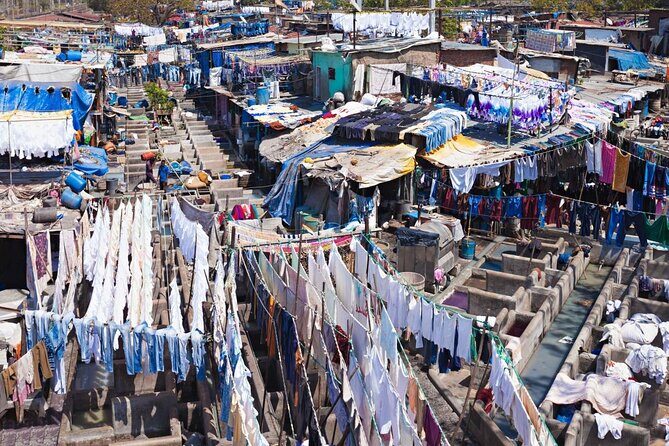
- Dhobi Ghat laundry stop shows traditional open-air washing in action
- Classic south Mumbai landmarks packaged early in the day for easy first-time orientation
- No food included, so plan a lunch plan around your guide’s suggested timing
A One-Day Mumbai Shortcut: City Landmarks and Real Working Life
This isn’t just a sightseeing loop. It’s more like a guided comparison—Mumbai’s famous architecture and sea views in the morning, then the lived-in city right after, through Dharavi and Dhobi Ghat. That contrast is exactly why the concept works: you see how money, labor, and infrastructure overlap in one megacity.
I also like that you’re not stuck with only one theme. The day combines the “get your bearings fast” classics (rail heritage, iconic gateways, coastal promenades) with visits focused on how people earn a living. That makes the stories easier to remember later, because you’re not just ticking off sights.
One more good point: the tour is listed as a private activity for your group only. In practice, that means you can ask questions without trying to steer a crowd through crowded streets.
You can also read our reviews of more city tours in Mumbai



Price and Time Value at About $76.93
At $76.93 per person, you’re paying for more than a guide talk. The big value pieces are the private air-conditioned cab (including fuel and parking) plus pickup and drop-off from multiple starting points. For Mumbai, where transit time can stretch quickly, that alone can save you energy for the walking parts.
The day runs about 8 to 10 hours, which is long enough to include real contrast stops, but short enough to still feel like a single outing. Booking averages show it’s typically reserved about 135 days ahead, which is a hint to lock your date early if you’re traveling in peak season or you have tight scheduling.
One cost note: the tour includes guide fees, and bottled water is included, but food or beverages are not. So if you’re budgeting, plan on lunch on your own. If you want, you can ask your guide to help you time a meal around breaks so you’re not stuck eating late.
Pickup, AC Cab, and How the Day Actually Moves
The schedule is designed for minimal friction. Pickup and drop-off are offered from hotel, cruise terminal, or the airport, and you’re traveling in a private cab with parking and driver allowance covered. For a first day in Mumbai, that matters because you can keep the day focused on the stops, not on figuring out transport.
Expect a “city first, working-life next” rhythm. You’ll start with major landmarks that help orient you, then spend walking time in Dharavi, and then switch to Dhobi Ghat where you’re mostly observing a working process. It’s a smart flow, because it turns the contrast into a narrative you can follow.
Since this is a private tour, your guide can adjust pacing. In the feedback linked to guides like Rahul and Lawrence, people praised guides who explained clearly and allowed flexibility, even pointing out where to grab something to eat or souvenirs.
Chhatrapati Shivaji Terminus: Victorian-Gothic Rail Heritage
The day begins at Chhatrapati Shivaji Terminus (CST), previously known as Victoria Terminus. It’s one of India’s busiest railway stations, but what makes it special for a tour is the architecture—Victorian-Gothic styling that gives the station a visual punch. The tour lists an admission ticket as included here, so you’re not scrambling for an entry cost.
Even if you’re not a rail nerd, this stop sets the tone. Mumbai’s growth is tied to how people and goods moved, and CST is a clear symbol of that. Spend your time inside or near key viewpoints, then look outward toward how the station sits in the city’s flow.
If you’re sensitive to crowds, plan to keep your phone secure and your pace steady. Stations can move fast, and you’ll want to stay comfortable.
Gateway of India and Marine Drive: Classic South Mumbai in One Pass
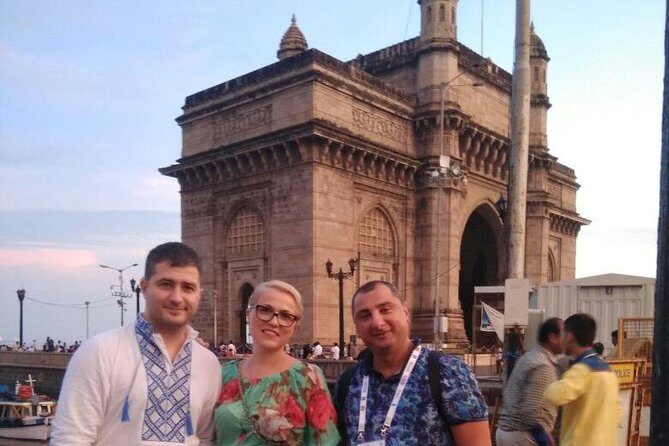
Next up is Gateway of India, a landmark over the Arabian Sea with iconic views. The tour notes admission is free for this stop, which is nice because you can focus on the scenery instead of ticketing.
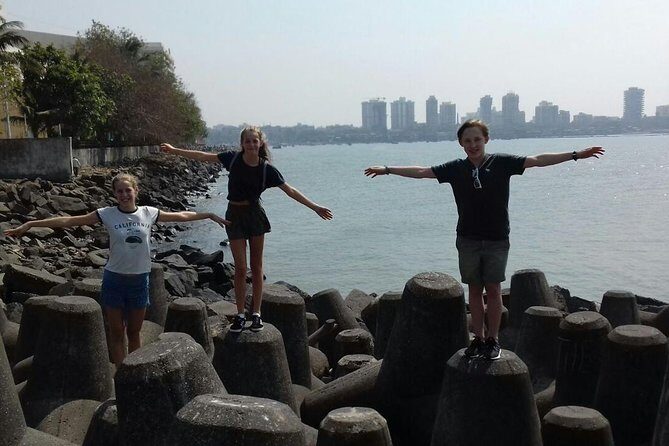
From there, you move along the coast to Marine Drive, a long boulevard that runs from Nariman Point to Malabar Hills. It’s famous for the “inverted C” shape of the road along the waterline. You’ll get a short stop time, but the payoff is big: it’s the kind of view that helps you understand why people romanticize Mumbai’s shoreline.
After Marine Drive, Chowpatty Beach (Girgaum Chowpatty) is next. It’s a public beach and a local picnic spot, so it tends to feel more day-to-day than a formal attraction. Even in a brief visit, it helps you feel the city’s beach culture beyond the postcards.





Hanging Gardens and Flora Fountain: Views Over Malabar Hill
If you want a breather after the coast, Hanging Gardens on Malabar Hill is your next pause. It’s terraced, set above the area, and established in the 1880s. This kind of stop is less about ticking a box and more about giving your eyes a different angle of the city.
Nearby is Flora Fountain, built in 1864 and noted as a famous heritage structure. The naming ties to Flora, a Roman goddess, and it’s one of those spots where a quick stop gives you context for Mumbai’s colonial-era public space design.
This part of the day is short, but it balances the earlier street-level stops with a calmer vantage. If you’re wearing comfortable shoes, you’ll appreciate the chance to stand back and take in city geography.
Dharavi Walking: Seeing Daily Life Up Close
Now for the emotional shift: Dharavi. The tour time here is about an hour, and the structure is described as a walking tour through Dharavi’s streets to see a hidden side of urban India. Admission for this section is listed as included.
I recommend treating this stop with both curiosity and care. You’re moving through a place where people live and work. You don’t need to search for drama. Focus on what you can understand: the rhythms of the neighborhood, the small businesses, the practical realities of density, and the ways community life supports daily survival.
This is also where a strong guide matters most. In the feedback tied to Rahul, people praised him for explaining slum life with expertise and for living in the area. The point isn’t that he had a more “authentic” vibe—it’s that he could answer the questions you actually have without turning the conversation into a lecture.
Keep expectations realistic: you’ll see what the walking route allows, not every corner of Dharavi. Some people also noted that not all sites were included, which is normal when you’re balancing walking time with respectful access.
Dhobi Ghat: Watching Laundry Work the Traditional Way

Then you reach Dhobi Ghat, described as the largest open-air laundry in the world and over a century old. It’s an active working site where dhobis (washer men) gather and wash laundry using traditional methods. The stop time listed is about 15 minutes.
Here’s the practical bit: Dhobi Ghat admission is listed as not included. So if you want to avoid surprise costs, plan on paying separately for entry if the site requires it on the day you go.
Also, Dhobi Ghat is visual. Clothes lines, washing areas, and the motion of work create a whole scene. Bring your patience for the fact that you’re observing real labor, not a staged show. If you keep your camera use respectful and brief, you’ll get more out of it.
The Dhobi Ghat, Dabbawala, or Bollywood Choice: What Changes Your Day
This tour is marketed as having a choice among Dhobi Ghat, Dabbawalas, or Bollywood. In the all-in-one version you’re asking about, Dhobi Ghat is part of the experience alongside the city and slum sections. But if your provider offers different combinations, this choice usually changes the emotional tone of the day.
- If you pick Dhobi Ghat, you’re leaning toward traditional work and open-air systems.
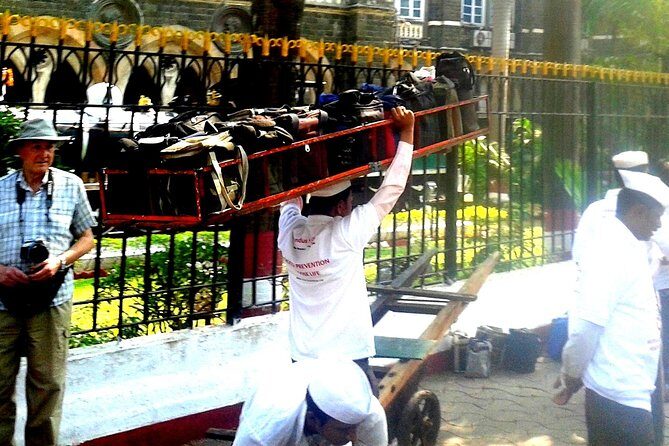
- If you pick Dabbawalas, you’re leaning toward Mumbai’s logistics culture—how lunch delivery moves through the city.
- If you pick Bollywood, you’re leaning toward the entertainment industry and behind-the-scenes storytelling.
Since your day already includes classic landmarks and Dharavi, Dhobi Ghat is the choice that keeps the working-life theme consistent. Dabbawalas can also fit well because it’s still about labor and organization, just with a different kind of visibility than laundry work. Bollywood shifts you toward spectacle and industry context.
If you’re trying to maximize meaning rather than just variety, pick the option that matches what you want to understand about Mumbai’s systems.
Guides Make It Work: Rahul, Anoushka, Sunil, and Lawrence
The most praised element across the guidance styles attached to this tour is clarity. Several guides were highlighted by name—Rahul, Anoushka, Sunil, and Lawrence—with people describing them as friendly, talkative, knowledgeable, and flexible. The best compliment wasn’t just that they spoke English well. It was that they could explain what you’re seeing in a way that makes the city feel logical.
What I find useful as a traveler is the flexibility angle. Lawrence was described as tailoring the tour to needs and pointing out good lunch and souvenir shopping spots. Rahul was described as pacing commentary well and making the slum portion easier to understand.
So when you book, don’t just ask what’s included. Ask what your guide suggests for timing and for what questions you should prioritize. A good guide will quickly steer you toward the most meaningful moments.
What to Wear and Bring for Comfort (This Is a Long Day)
This day includes walking, so come prepared. The tour asks for modest dress, comfortable walking shoes, and to carry a hat and plenty of water. Bottle water is included, but I still suggest bringing extra because the total time is 8 to 10 hours and Mumbai weather can be warm.
Light layers help, especially if your cab ride swings between air-conditioning and outdoor heat. If you’re prone to sun fatigue, treat the hat suggestion as serious advice, not a suggestion.
If you wear a camera, keep it secure during crowded station and street moments. And if you need service animals, they’re allowed.
Who This Tour Suits Best
This is a strong fit if you’re:
- seeing Mumbai for the first time and want classic orientation plus real working-life context
- interested in how neighborhoods function, especially through a guide-led explanation
- okay with a long day and walking time that includes a sensitive setting like Dharavi
It’s also a good choice if you like your tours with room to ask questions. The private guide format is built for that, and the feedback you can infer from named guides suggests people felt they got personal attention.
If you want a purely relaxed day with mostly drive-by views and minimal walking, this might feel like a lot. Dharavi plus city stops plus Dhobi Ghat means you’ll stay active and focused for hours.
Should You Book This City, Slum, Dhobi Ghat & Dabbawala Combo?
I’d book it if you want a day that explains Mumbai’s contrasts with a plan, not just a list of stops. The mix of south Mumbai icons—CST, Gateway of India, Marine Drive—paired with a Dharavi walk and a working Dhobi Ghat view gives you a full-slice understanding of the city’s scale and everyday systems.
The value case is strong because you’re getting a private AC cab with pickup/drop-off, plus guide fees and water, for a price that’s reasonable compared to the time and local logistics. Just be ready to pay for what’s marked as not included (like Dhobi Ghat admission) and be clear about your expectations for any transport add-ons.
If you like tours that feel human—thanks to guides like Rahul, Anoushka, Sunil, and Lawrence—this one is likely to match your style. If you’re the type who hates any walking or wants only one kind of experience (only landmarks or only slum context), you may want to choose a tighter theme instead.
FAQ
How long is the tour?
The duration is listed as about 8 to 10 hours.
What is the price per person?
The price is listed as $76.93 per person.
Is pickup and drop-off included?
Yes. Pickup and drop-off are offered from any location in Mumbai, including hotels, cruise terminals, the airport, or your home.
Is this a private tour?
Yes. It’s a private tour/activity, and only your group will participate.
What transport is included during the day?
A private air-conditioned cab is included, along with fuel, driver allowance, and parking charges.
Which admissions are included or not included?
Chhatrapati Shivaji Terminus includes an admission ticket. Gateway of India is free. Dharavi includes admission ticket. Dhobi Ghat is listed as not included for admission.
Is food or beverages included?
No. Food or beverages are not included.
What special experience choices are offered in this tour?
The tour includes a choice of Dhobi Ghat, Dabbawalas, or Bollywood.
What should I wear and bring?
Dress modestly and wear comfortable walking shoes. Bring a hat and plenty of water. A bottle of water is included.
What is the cancellation policy?
Free cancellation is available. You can cancel up to 24 hours in advance for a full refund, and changes within 24 hours are not accepted.