REVIEW · MUMBAI
Mumbai heritage walk- Story of Gothic and Art Deco buildings
Book on Viator →Operated by 5 Senses Walks, Mumbai · Bookable on Viator
Gothic towers and Art Deco dreams in Fort. This walk turns Mumbai’s big development story into something you can actually see, from UNESCO-worthy Victorian Gothic Revival to sleek Art Deco facades. You get architecture talk with context, not just name-drops.
I love how the guide makes the details click, including a strong focus on why these styles appeared where they did. The best part is the pacing: a small group (max 15) plus snacks keeps you moving without feeling rushed, and the energy of guides like Pankaj shows in the way stories stay clear and lively.
One possible drawback: most stops are viewed from the outside, so if you’re hoping for lots of interior exploring, this is more of a sight-and-story walk than an in-depth building-tour marathon.
In This Review
- Key highlights that make this walk worth your time
- Mumbai’s Fort: the easiest way to read the city in stone
- Price and pacing: what $35 buys you (and what it doesn’t)
- Chhatrapati Shivaji Terminus: where Victorian Gothic meets Indian ideas
- Eros Cinema and Empress Court: Art Deco that looks like it has a sense of theater
- Bombay High Court and Rajabai Clock Tower: Gothic law and a chime-driven human story
- David Sassoon Library and Elphinstone College: Gothic learning spaces with big names attached
- Ending at the Prince of Wales Museum building: from hospital past to museum present
- How to make the most of the 3-hour loop
- Who this heritage walk is best for
- Practical logistics: where you start and where you finish
- Should you book this Mumbai Gothic and Art Deco heritage walk?
- FAQ
- How long is the Mumbai heritage walk?
- What does the tour cost, and what’s included?
- How many people are in the group?
- Where does the tour start and end?
- Are there tickets needed for all stops?
- Is the tour dependent on weather?
- Can I cancel and get a full refund?
Key highlights that make this walk worth your time
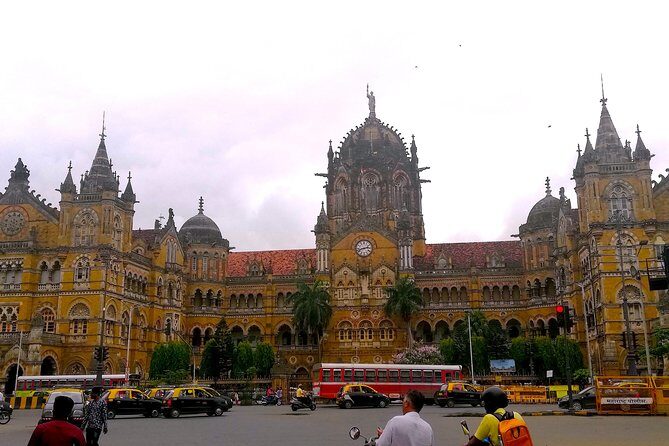
- UNESCO Chhatrapati Shivaji Terminus with Gothic Revival architecture blended with Indian design ideas
- Art Deco cinema and residences that you can spot quickly, including Eros Cinema’s tiered, wedding-cake look
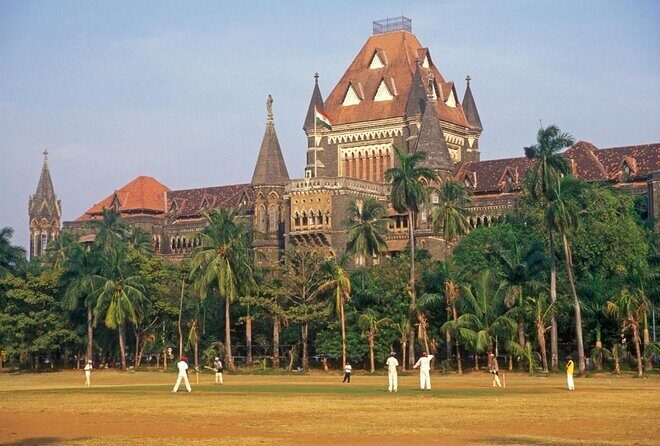
- Gothic courthouse drama, including statues of Justice & Mercy on the Bombay High Court principal bench
- The Rajabai Clock Tower story, including how it was financed for a patron’s mother to hear the chimes and keep fasts punctually
- Gothic learning buildings like David Sassoon Library and Elphinstone College, plus the notable alumni linked to Elphinstone
- A tidy route starting at CST and ending at the Chhatrapati Shivaji Maharaj Vastu Sangrahalaya (Prince of Wales Museum)
Mumbai’s Fort: the easiest way to read the city in stone
If Mumbai feels like it’s always changing, the Fort area is your cheat sheet. The streets around Chhatrapati Shivaji Maharaj Terminus are packed with buildings that reflect different eras of ambition, trade, law, education, and status.
This walk is built for that exact goal: connect the look of Gothic and Art Deco architecture to how Mumbai grew. You’re not just staring at façades. You’re learning what shaped the city, one landmark at a time.
And because it’s a small group with snacks, it stays human. You don’t get the long stretches where you’re left alone to interpret buildings like a lone art student.
You can also read our reviews of more walking tours in Mumbai



Price and pacing: what $35 buys you (and what it doesn’t)
The cost is $35 per person for about 3 hours. In practical terms, that’s good value for Fort, where walking distances aren’t huge and the architectural payoff is high.
You also get a mobile ticket, which is handy in a city where paper tickets can turn into a small scavenger hunt. Plus, the walk includes snacks, so you’re less likely to fade out halfway through when the route is still interesting.
One important nuance: not every stop includes admission. The CST (Chhatrapati Shivaji Terminus) visit includes the ticket, while other buildings are seen from the outside and may not include entry. So you’re paying for guided perspective more than you’re paying for unlimited door-opening.
If you want to lock in your spot, book early. The tour is typically booked about 14 days in advance on average, and the group max of 15 means it doesn’t swallow crowds.
Chhatrapati Shivaji Terminus: where Victorian Gothic meets Indian ideas

Your first stop is Chhatrapati Shivaji Maharaj Terminus (CST), a UNESCO heritage building and one of the strongest examples of Victorian Gothic Revival architecture in India. This is the anchor of the whole walk, and it’s easy to see why.
What I like about CST as a starting point is that it gives you a vocabulary. You can spot Gothic features, but you also learn that the building isn’t just copying European styles. Gothic elements are blended with themes deriving from Indian traditions, which helps you understand the city’s hybrid identity.
The stop lasts about 30 minutes, with the ticket included. That’s enough time to notice key exterior design cues and still have time for the guide’s story without the group line starting to feel like a race.
Watch-out: since most of your visit is about observation and context, bring your eyes. If you arrive while half-focused, you’ll miss the whole point of the blend.
Eros Cinema and Empress Court: Art Deco that looks like it has a sense of theater

Next up is Eros Cinema. You view it from outside, but you’re not likely to forget it. The building is described as Art Deco with a silhouette that resembles a wedding cake, rising in tiers and topped by a semi-circular tower.
This is one of those places where architecture turns into instant storytelling. Art Deco here isn’t shy. It’s meant to sell the idea of modern life—especially when cinema was becoming a major form of entertainment.
From there, you walk to Empress Court, an impressive residential Art Deco building. Again, the viewing is from the outside, but the conversation is about what those buildings meant socially. Living in an Art Deco address was a symbol of status and wealth, and you’ll hear how that idea played out in architecture and neighborhood identity.
The Empress Court stop is shorter (about 15 minutes), so it works best if you’re already in observation mode from Eros Cinema. If you’re still warming up, you might feel time is tight—but the payoff is you move on to bigger Gothic landmarks after.
Bombay High Court and Rajabai Clock Tower: Gothic law and a chime-driven human story
Now the walk pivots back into Gothic territory with the Bombay High Court principal bench. You see it from outside, and it’s described as a splendid specimen of Gothic architecture. This is where the symbolism gets more literal.
Look for the statues of Justice & Mercy on top of the building. That detail matters because it shows how architecture was used to broadcast values—almost like stone signage. You’re not just reading style. You’re reading what the city wanted its legal system to represent.
Then you move to Rajabai Clock Tower, sometimes called the Big Ben of Mumbai in tour talk because it acts as a time landmark. Here, the story shifts from architectural style to funding and motivation.
You’ll hear how the clock and its chimes were financed with a personal goal in mind—helping a visually challenged mother of the patron to hear the chimes and keep her fasts punctually. It’s a small human detail, but it changes how you see the tower. It’s not only Victorian drama. It’s daily life built into a clock structure.
This stop is also about 30 minutes, which is a good length for listening and noticing at the same time.
You can also read our reviews of more historical tours in Mumbai






David Sassoon Library and Elphinstone College: Gothic learning spaces with big names attached
The walk continues with David Sassoon Library and Reading Room. The focus here is a Gothic structure tied to a Jewish banker named David Sassoon, built as a reading room and library.
Here’s the key practical detail: access is limited. Only members are allowed inside, so during the stop, you’ll mostly see it from the lobby. That can sound disappointing, but in reality it still gives you useful perspective—especially on scale, style, and the building’s role as a place for study.
The stop is around 20 minutes, and it’s a fair amount of time for exterior context plus lobby viewing.
Then you visit Elphinstone College, described as a remarkable Gothic structure. The stop is short (about 15 minutes), but it adds an important thread: these weren’t just pretty buildings. They were built as learning institutions.
You’ll also hear about alumni including Bal Gangadhar Tilak, Dr B. R. Ambedkar, and Jamshedji Tata. Even if you don’t know their biographies by heart, hearing the names helps connect architecture to real influence on India’s development.
Ending at the Prince of Wales Museum building: from hospital past to museum present
The finish is at Chhatrapati Shivaji Maharaj Vastu Sangrahalaya (the Prince of Wales Museum). Your route ends here after a short stop (about 10 minutes), so think of it as a closing glance rather than a full museum visit.
The building has an earlier life too. It was used as a military hospital connected to children’s welfare exhibitions, before becoming the heritage museum it is today. That layered past matters because it reminds you that Fort-area landmarks often served multiple roles over time.
If you have extra time after the walk, this ending location is convenient. It’s a natural jump-off point to keep exploring the surrounding heritage zone on your own.
How to make the most of the 3-hour loop
This is a walking-focused experience in Mumbai’s Fort area, so comfort matters. Wear shoes you trust for uneven sidewalks and long looks upward at facades.
Plan for the weather. The experience requires good weather, and if it’s canceled for poor conditions, you’ll be offered a different date or a refund. So if you’re traveling during a rainy stretch, keep one flexible day near your itinerary.
Also, keep your phone charged. A mobile ticket is included, and it’s easier when you can pull it up without digging through a bag.
One more tip: bring curiosity for contrast. This route swings from Gothic courts and clocks to Art Deco cinema and residential prestige. If you enter with the mindset of comparing styles, the stories click faster.
Who this heritage walk is best for
This walk is a great fit if you love history but hate museum lectures that feel like homework. You get story-driven interpretation, and the buildings are the main characters.
It’s especially well matched to:
- architecture fans who like seeing Gothic Revival and Art Deco as living trends, not just textbook terms
- people who want a city-orientation tour in about 3 hours
- anyone who appreciates small-group attention, since the group max is 15
It can also work for most people physically, since the tour is described as suitable for most travelers, but it does involve walking between stops.
If you want a full day of interior sightseeing, this isn’t that. If you want a smart highlight route that teaches you what to notice, it’s a strong choice.
Practical logistics: where you start and where you finish
You start at Chhatrapati Shivaji Maharaj Terminus area in Fort (near the station zone). You end at Chhatrapati Shivaji Maharaj Vastu Sangrahalaya, on Mahatma Gandhi Road near Lion Gate in Fort.
That start-to-finish flow is useful. You’re not backtracking across the city. You’re moving through the heritage core in a way that feels efficient.
It’s also described as near public transportation, which is helpful if you’re pairing this walk with other Fort-area sights afterward.
Should you book this Mumbai Gothic and Art Deco heritage walk?
I’d book it if you want the fastest way to understand why Mumbai looks the way it does in the Fort area. For $35, you get a guided architecture story with snacks, a small group, and a route that hits the big visual landmarks without turning into an exhausting all-day sprint.
Skip it (or at least temper expectations) if your top priority is interior access. Several stops are explicitly exterior views, and at David Sassoon Library you’ll see it mostly from the lobby due to membership access.
If your goal is to walk away knowing what to look for—Gothic symbols like Justice & Mercy, Art Deco drama like Eros Cinema’s tiered silhouette, and the human story behind Rajabai’s chimes—this is the kind of tour that pays you back quickly.
FAQ
How long is the Mumbai heritage walk?
It lasts about 3 hours (approx.).
What does the tour cost, and what’s included?
The price is $35 per person. You also get a mobile ticket, snacks during the walk, and the admission ticket is included for Chhatrapati Shivaji Maharaj Terminus (CST). Other stops may be viewed from outside and do not list admission as included.
How many people are in the group?
The tour has a maximum group size of 15.
Where does the tour start and end?
It starts at Chhatrapati Shivaji Maharaj Terminus area in Fort, and ends at Chhatrapati Shivaji Maharaj Vastu Sangrahalaya on Mahatma Gandhi Road near Lion Gate, Fort.
Are there tickets needed for all stops?
Not all stops include admission. CST includes admission, while stops like Eros Cinema, Empress Court, Bombay High Court area, Rajabai Clock Tower, David Sassoon Library reading room area (lobby view), Elphinstone College, and the museum exterior context are noted as not including admission tickets.
Is the tour dependent on weather?
Yes. The experience requires good weather. If canceled due to poor weather, you’ll be offered a different date or a full refund.
Can I cancel and get a full refund?
Yes, you can cancel for a full refund if you cancel at least 24 hours in advance of the experience start time. If you cancel less than 24 hours before, the amount paid is not refunded.