REVIEW · MUMBAI
Mumbai: Private Dharavi Slum Tour by a Local with Pickup
Book on GetYourGuide →Operated by Inside Mumbai Tours · Bookable on GetYourGuide
If you only know Dharavi from movies, you’re missing the point. This private tour takes you through real neighborhoods and workshops, guided by residents who explain how life and work actually run day to day. I like that it’s led from inside the community, with English spoken on the ground, not secondhand explanations.
I also love the focus on work you can see with your eyes: recycling lines, textile and garment activity, leather production, and the smaller trades that keep families going. One thing to weigh: this is a working community, so expect close-up sights of industry and daily routine, not a sightseeing-style bubble.
With private pickup and drop-off in Mumbai, the logistics are pretty friendly for a 2-hour visit. Guides with names like Alkama, Faizan, Frazen, Abi, and Mohammad are mentioned in the experience, and they’re praised for answering questions patiently and taking the pace seriously. Do this if you want your Mumbai story to include the parts that don’t fit into a postcard.
In This Review
- Key highlights you’ll actually notice
- Why Dharavi feels different with a resident guide
- The “safe and respectful” reality check
- Two hours in Dharavi: the pace and the “how it works” feeling
- Seeing the businesses: recycling, textiles, leather, and more
- Where people live, where kids play, where families unwind
- The Slumdog Millionaire filming location, with context you can use
- Price and logistics: why $14 can make sense
- Who this Dharavi tour is (and isn’t) for
- Quick tips to make the most of your 2-hour walk
- Should you book this private Dharavi tour?
- FAQ
- How long is the Dharavi private tour?
- Is this a private tour or a shared group?
- What language is the guide?
- Is hotel pickup and drop-off included?
- Are entrance fees included?
- Do I get water during the tour?
- Is food included?
- Where do I meet the guide for hotel pickup?
- Is the tour cancellable?
Key highlights you’ll actually notice
- Local resident English guide who can explain what you’re seeing, in plain talk
- Work sites you can walk past: plastic recycling, textiles/garments, leather, and more
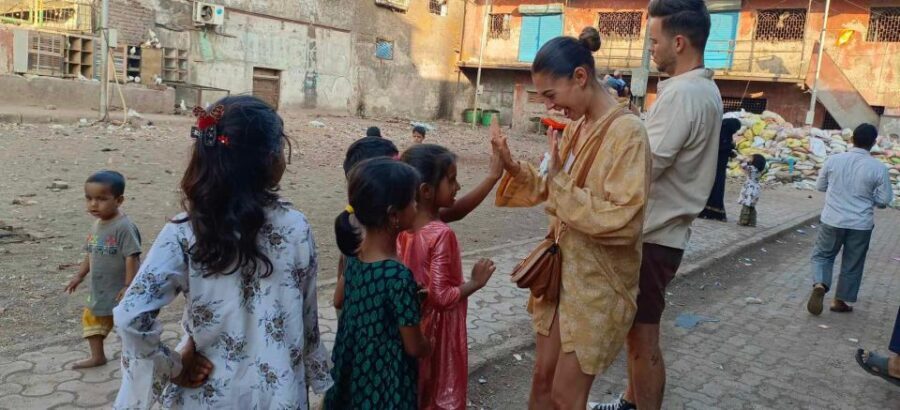
- Home + community rhythm: where people live, children play, and families relax
- A Slumdog Millionaire filming location inside Dharavi, with context that goes beyond the scene
- Private format with hotel pickup so you’re not stuck herding with a big crowd
Why Dharavi feels different with a resident guide
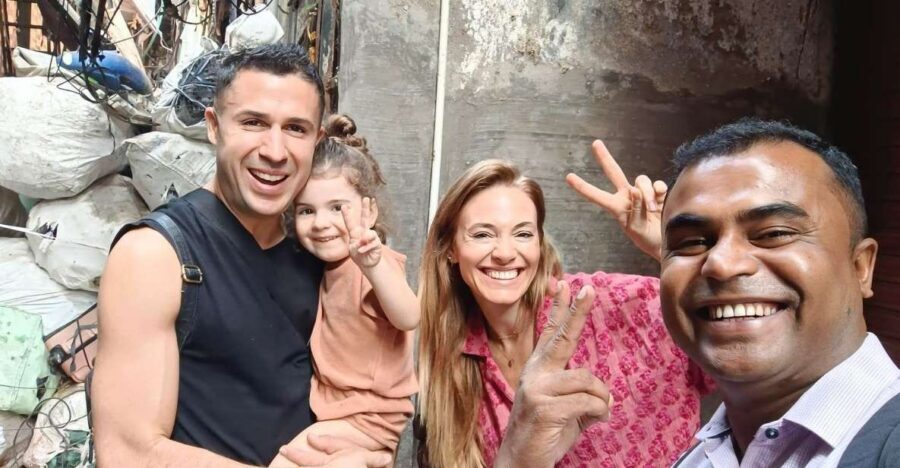
A lot of tours treat Dharavi like a single idea: poor vs. rich, dramatic vs. boring. This one tries to fix that. You’re walking with someone who lives there and can explain what each lane is for, who’s doing what, and why the place works the way it does.
That resident angle matters because Dharavi is not just “streets.” It’s a mix of homes, businesses, and daily life that overlap in ways that surprise you fast. With a local English-speaking guide, you also get a running translation of what might look confusing at first: who is employed in which trade, how material moves through the workshops, and how families build schedules around that.
And yes, the tour aims to dispel the scary stereotypes people bring with them. It’s presented as completely safe to visit inside and around, and you’re said to visit through routes connected to residents—not as a drive-by from behind glass.
You can also read our reviews of more private tours in Mumbai



The “safe and respectful” reality check
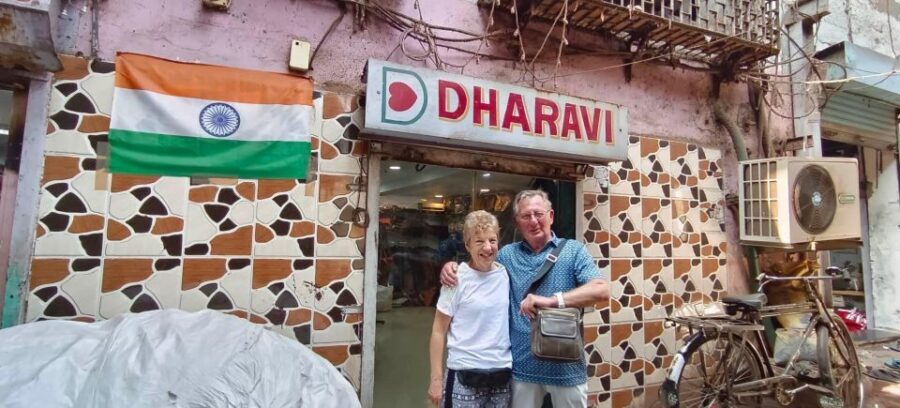
The big concern many people have is comfort. The tour description here is very direct: it’s safe to visit inside and around Dharavi, and you go with residents, which changes how the visit feels in the real world.
Still, you should come with the right mindset. Wear clothes you’re happy to move in and keep expectations practical. This is not a museum with ropes. It’s a neighborhood where work is happening, so you’ll want to be calm, curious, and give people space.
Photo and noise etiquette isn’t spelled out in the details you provided, so I’ll stick to the common-sense approach: don’t block paths, don’t treat people like props, and listen when your guide asks you to move or look. That’s how you keep the vibe respectful and stress-free for everyone.
Two hours in Dharavi: the pace and the “how it works” feeling
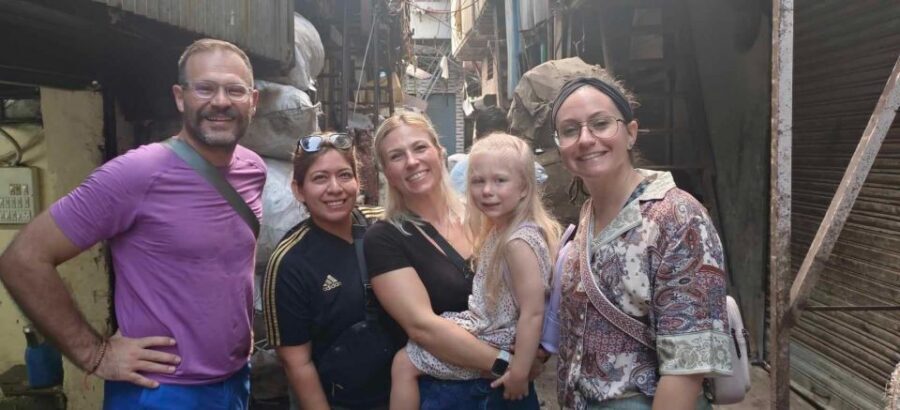
This tour is built for a 2-hour visit, which is just long enough to see variety without getting exhausted. You start with pickup in Mumbai, then head into Dharavi with a guide from the area.
Once you’re inside, the flow tends to be a mix of walking and stopping. You’ll be shown where people live, where family life happens, and how children play or relax alongside the businesses. You’re also guided through the trades, with explanations that focus on process, not pity.
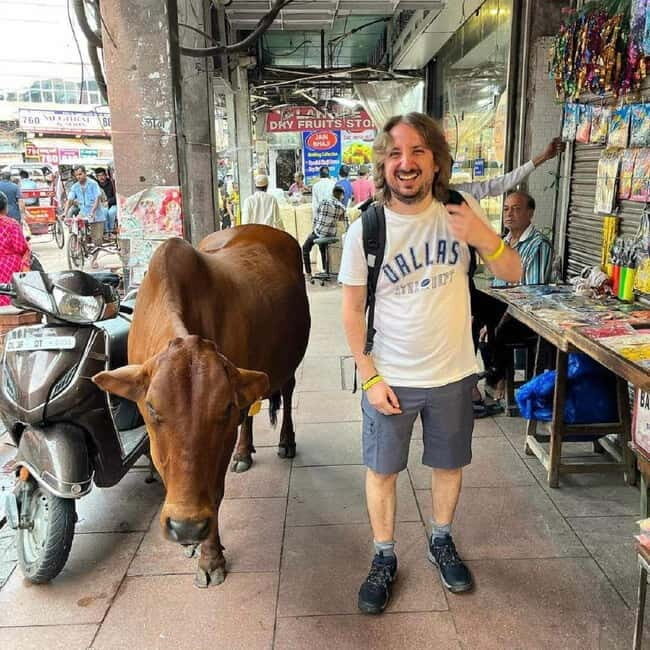
One reviewer-described moment that captures the tone well: as the day shifts, you can find a rhythm to the lanes—workshops with noise and light, people with roles, and an organized energy that isn’t visible from far away. Animals can also be part of what you see in narrow spaces, including goats and sheep moving through lanes and other animals mixing into the motion of daily life.
Your guide’s job is to help you connect the dots. That’s why Q&A matters here. Guides like Alkama and Faizan are specifically praised for answering questions and sharing local context at a pace that helps you absorb what you’re seeing.
Seeing the businesses: recycling, textiles, leather, and more
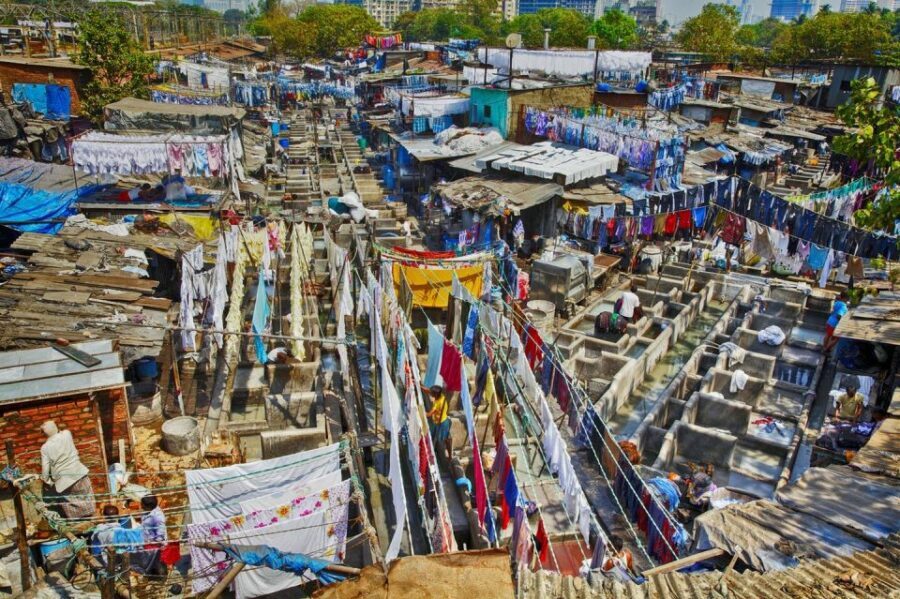
If you’re the type who likes understanding economies through real examples, you’ll probably get a lot out of the work stops. The tour is set up to show how materials and products move through Dharavi’s industries—right where people live and work.
You can expect to witness industries such as:
- Plastic recycling
- Garment and textile work
- Leather-related production
- Additional small trades that support the larger workflow
The tour description also mentions a figure around $1 billion in yearly income, which is clearly meant to challenge the idea that Dharavi is only hardship. Whether or not you quote the number in conversation, the point is clear: there’s an active economy here with real output.
This is one of the most valuable parts for a visitor because it swaps stereotypes for mechanics. Instead of thinking only about buildings, you start thinking about supply chains, skills, and how neighbors depend on each other’s output.
And you should know: this is busy. Some parts may feel crowded or noisy depending on the time of day. The upside is you’re not watching a staged performance. You’re seeing how people make a living.
Where people live, where kids play, where families unwind
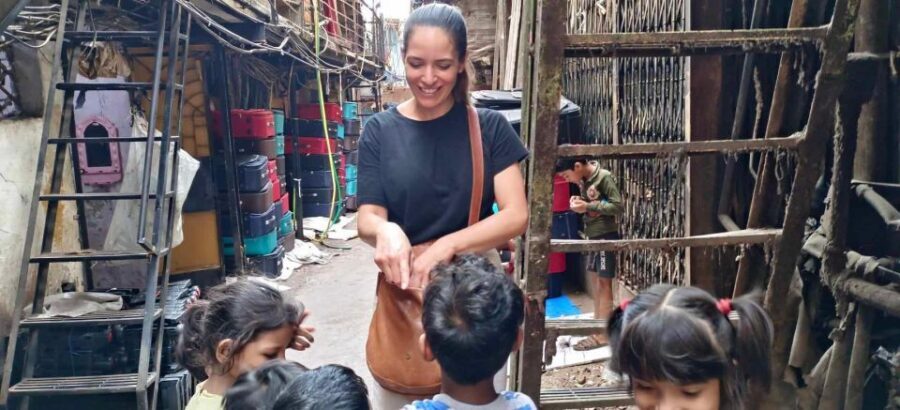
The tour doesn’t only spotlight industry. It also focuses on daily life in residential areas, including where families live together and how children play or relax.
This matters because it changes the story you carry back to your hotel. Dharavi often gets framed as a single visual. Here you get multiple layers: work spaces, home spaces, and the small in-between zones where social life happens.
One review-style detail that rings true for the kind of neighborhood walking this is: you may get a quick stop for a restroom break early in the tour. It’s not listed as a guaranteed included stop, but the experience is described as having at least one restroom option along the way, which is practical when you’re walking for two hours.
If you care about community dynamics, this section is where you’ll feel it most. The guide’s explanations help you understand how people organize around shared space and shared needs.




The Slumdog Millionaire filming location, with context you can use
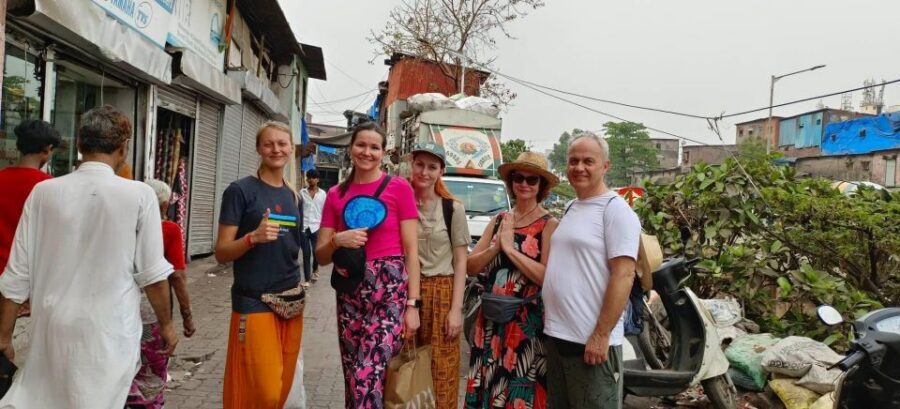
Movie locations can turn into empty photo ops if you don’t have the story behind them. This tour includes a visit to a Slumdog Millionaire filming location inside Dharavi, and the aim is to connect what you saw in the film to what’s actually around you.
What I like about this approach is that it forces a comparison. You’re encouraged to go beyond the film’s depiction and learn how life really functions day to day. Your guide can explain why the setting works visually, but more importantly, what the surrounding community is doing beyond the camera frame.
You’re also warned not to rely on how Dharavi appears in pop culture. The tour’s whole purpose is to correct that “one image” problem.
If you’re a film fan, this gives you something better than a souvenir snap: you get to see how fiction latches onto real places—and how real people experience those places on ordinary days.
Price and logistics: why $14 can make sense
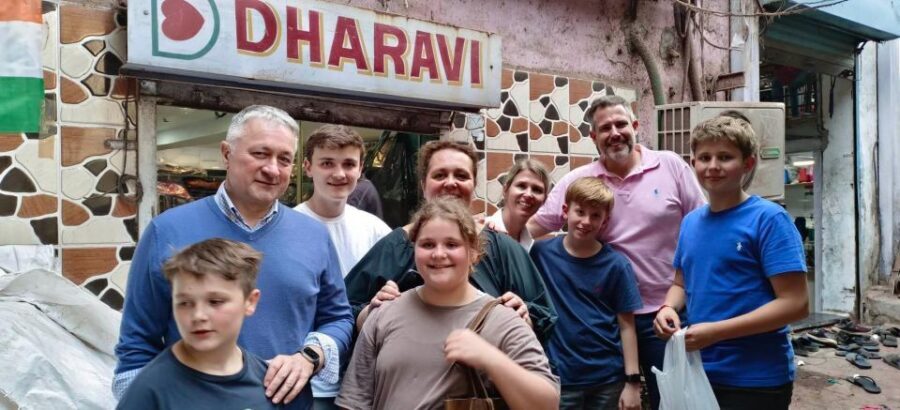
At $14 per person for a private 2-hour tour with hotel pickup and drop-off, English guide time, and entry fees covered, this is priced like a bargain relative to what most private city experiences cost.
Here’s what that price includes:
- Private tour
- Local English-speaking tour guide from Dharavi
- Hotel pickup and drop-off
- All entry/entry fees
- A water bottle
What it does not include:
- Food and drinks
So the “value math” is straightforward. You’re paying for access, explanation, and local time—not a meal. If you arrive hungry, plan to grab something before or after. If you’re doing the tour mid-day, treat it like a walking-and-learning block rather than a food stop.
One more practical plus: the transport has a perfect score in the provided ratings data, which usually points to simple, low-drama pickups and drives. For Mumbai, that matters.
Also, the tour mentions skip-the-ticket-line style convenience, which likely helps prevent time waste on formalities. With a short 2-hour window, every minute counts.
Who this Dharavi tour is (and isn’t) for

This tour suits you if:
- You want a local resident perspective, not a surface-level “poverty tour”
- You’re curious about how industries work at human scale
- You want to ask questions and get straight answers
- You care about context behind famous media images
It might not be ideal if:
- You want a quiet, polished, commentary-free sightseeing day
- You’re sensitive to the reality of working environments
- You only want iconic landmarks rather than lived-in neighborhoods
Because it’s private, you can usually ask more and control your pace better. But it’s still a neighborhood walk, so go in ready to observe, not to “consume.”
Quick tips to make the most of your 2-hour walk
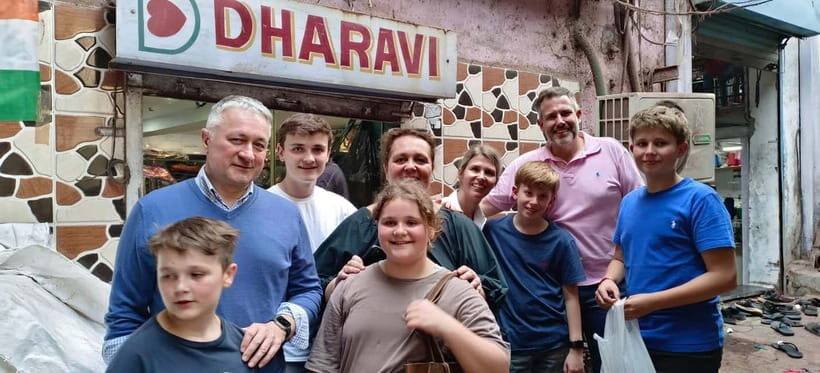
You’ll get the best experience if you treat this like a conversation with streets, not a checklist.
A few smart moves:
- Wear comfortable shoes. Lanes can be uneven and busy.
- Bring a small amount of patience. When work is happening, the pace can shift.
- Use the guide time well. Ask how different trades connect and how families balance home and work.
- Keep water handy. It includes a bottle, but it’s still Mumbai.
Also, since guides are praised for patience and for taking time to let you absorb what you see, don’t rush yourself. Two hours can feel quick, but it’s enough for the bigger patterns if you slow down.
Should you book this private Dharavi tour?
I’d book it if you want a Mumbai story that’s real, grounded, and guided from inside the community. The biggest reason is the format: private, English-speaking, and led by residents who explain work, homes, and the Slumdog Millionaire connection with an emphasis on correcting stereotypes.
It’s also good value for a short, focused visit—pickup, drop-off, guide, entry fees, and water included for $14. Just be honest about what you want: this is not a luxury excursion. It’s a walk through a functioning community where industry and everyday life overlap.
If you’re ready to look past movie images and focus on systems, skills, and community routines, this tour is one of the more meaningful ways to spend a couple hours in Mumbai.
FAQ
How long is the Dharavi private tour?
It runs for 2 hours.
Is this a private tour or a shared group?
It’s a private group.
What language is the guide?
The tour is guided in English by a local English-speaking guide from Dharavi.
Is hotel pickup and drop-off included?
Yes. Hotel pickup and drop-off are included.
Are entrance fees included?
Yes. All entrance/entry fees are included.
Do I get water during the tour?
Yes. A water bottle is included.
Is food included?
No. Food and drinks are not included.
Where do I meet the guide for hotel pickup?
You wait in the hotel lobby about 5 minutes before your scheduled pickup time, and the guide will be standing with your name board.
Is the tour cancellable?
Yes. Free cancellation is available up to 24 hours in advance for a full refund. The experience also offers a reserve now, pay later option.