REVIEW · MUMBAI
Mumbai: Slum Tour Dharavi & Dhobi Ghat Laundry with a Local
Book on GetYourGuide →Operated by Inside Mumbai Tours · Bookable on GetYourGuide
Stereotypes melt fast in Dharavi. You’ll get a local resident view of daily work and family life in Dharavi, then you’ll see Dhobi Ghat in action, Mumbai’s huge open-air laundry world. It’s an eye-opening mix of real routines, trades, and sights that usually stay off the tourist map.
The main catch: the whole experience is only 2.5 hours, so Dhobi Ghat can feel a bit short if you want more time inside the operation. Also, your guide may be firm about where you stand and when questions happen, and the tone can feel sharp to some people.
In This Review
- Key moments worth your attention
- Meeting at Third Wave Coffee, Mahim Junction
- Dharavi, with a resident lens (not a stereotype script)
- Inside Dharavi: homes, daily routines, and family life
- The business side: industries and an eye-opening income picture
- Dhobi Ghat open-air laundry: how the system actually operates
- A Slumdog Millionaire film spot inside Dharavi
- Pace, group size, and the guide’s way of keeping order
- Price and included costs: why $4.64 can feel almost too good
- Should you book this Dharavi & Dhobi Ghat local tour?
- FAQ
- Where is the meeting point for this tour?
- How long is the tour?
- Is the tour guide English-speaking?
- How many people are in the group?
- What is included in the price?
- Is free cancellation available?
- Can I book without paying right away?
Key moments worth your attention
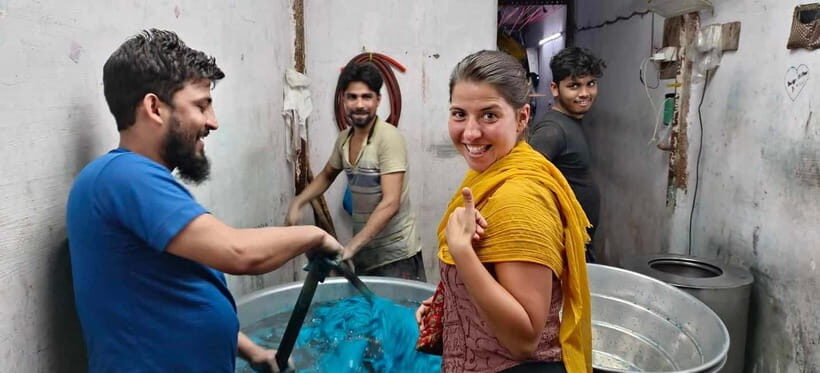
- Local English-speaking guide from inside Dharavi for a grounded perspective
- Dharavi life/work in real settings, not staged “poverty photos”
- Dhobi Ghat’s open-air laundry workflow and scale
- Industries you’ll hear about up close (recycling, leather, textiles/garments, metal)
- A film connection to Slumdog Millionaire inside Dharavi
- Small group (max 9) keeps the conversation moving in a short time
Meeting at Third Wave Coffee, Mahim Junction
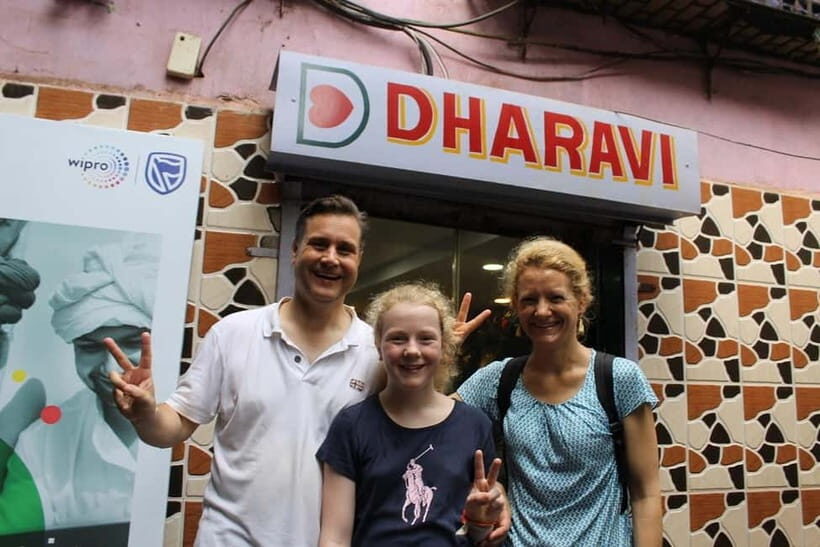
Your tour meets at Third Wave Coffee Mahim, right across from Mahim junction/station west. It’s easy to reach by Uber or local transport, and you’ll either sit inside the cafe or stand outside while the guide finds you.
One practical note: tuk-tuk/rickshaw isn’t allowed at this meeting point. Plan to arrive via rideshare or public transit so you’re not scrambling at the last minute.
I like this setup because it’s simple. You don’t need to hunt for a hidden address. You just show up, wait in one clear place, and start on time.
You can also read our reviews of more tours and experiences in Mumbai.



Dharavi, with a resident lens (not a stereotype script)

This tour is built to challenge the usual idea of what a slum “is.” You come expecting a “tour of hardship,” but you leave thinking more about people, skills, and the way communities organize daily life.
You’ll walk through Dharavi with an insider guide from the area. That matters because you’re not hearing a lecture from the outside—you’re seeing how someone who lives there explains what you’re looking at. The goal is to dispel misconceptions and show the human side clearly, without pretending the challenges don’t exist.
Another thing I appreciate is the framing around work. Dharavi isn’t presented as one single story. It’s presented as a place where families live, children play, and businesses run—often with serious purpose and steady routines.
Inside Dharavi: homes, daily routines, and family life
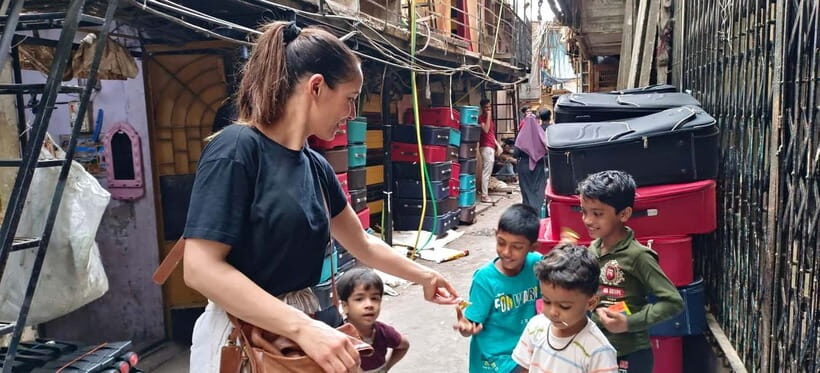
Once you’re in, you’ll get an up-close look at what life and work can look like inside Dharavi. The tour focuses on where people stay, how families live together, where kids spend time, and how everyday spaces function.
You’ll also hear about the kinds of activities that keep the area moving. Examples include plastic recycling, leather industry work, garment/textile activity, and metal industry work. The tour ties these trades to how people earn and support their families.
One of the most important takeaways here is perspective. Dharavi isn’t described as one-dimensional. You see work happening alongside ordinary family life, which is exactly what breaks the cartoon version of the place.
Because the group is small (up to nine people), you’re more likely to get answers that fit your real questions. That keeps it from turning into a one-way walk.
The business side: industries and an eye-opening income picture
A key part of the experience is learning what’s happening economically inside the neighborhood. You’ll be shown how different industries connect to daily life—so the area feels like a working system, not just a location.
The tour highlights several sectors in particular:
- Plastic recycling activity
- Leather industry work
- Garment/textile and clothing-related business
- Metal industry activity
You’ll also hear a big-picture income figure tied to annual earnings. The tour description states that Dharavi’s yearly income reaches around 1 billion US dollars.
That number can sound abstract until you see the mix of work and the practical “how it runs” explanations from a local guide. It also helps you understand why stereotypes don’t match reality here.
Still, keep your expectations grounded. This is a short visit through a complex place. You’ll learn a lot quickly, but you won’t see everything. Think of it as a sharp first look.
Dhobi Ghat open-air laundry: how the system actually operates

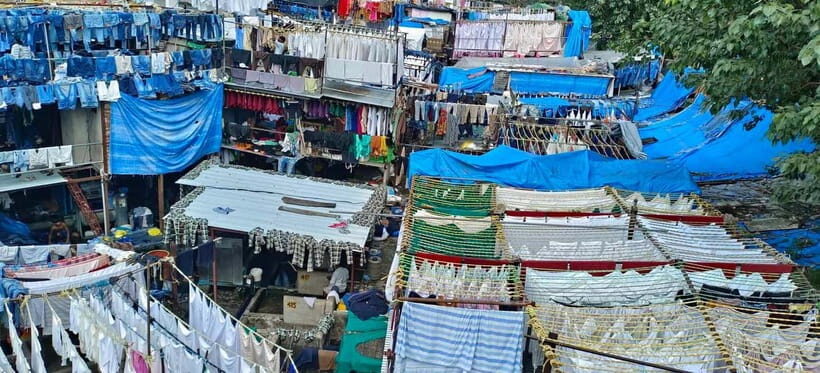
Then you shift to Dhobi Ghat, described as the world’s largest open laundry and Asia’s biggest laundry. This is the contrast moment of the tour: from neighborhood streets and homes to an open-air working facility where laundry is processed at scale.
You’ll learn about the activities happening there and how the workflow supports the people involved. Dhobi Ghat is famous among foreign visitors for a reason: it’s visible, loud with motion, and unmistakably functional.
One possible drawback comes from the same short timing. Since the entire tour is 2.5 hours, the Dhobi Ghat portion may feel a little tight if you want longer time to look closely at every stage of the laundry process. If you love industrial-scale “watch-how-it-works” places, you might feel you could spend more time.
My advice: treat it like a “see how it works” snapshot. You’ll get the bigger picture and enough detail to understand what makes it special, even if you don’t get a deep, slow inspection.


A Slumdog Millionaire film spot inside Dharavi
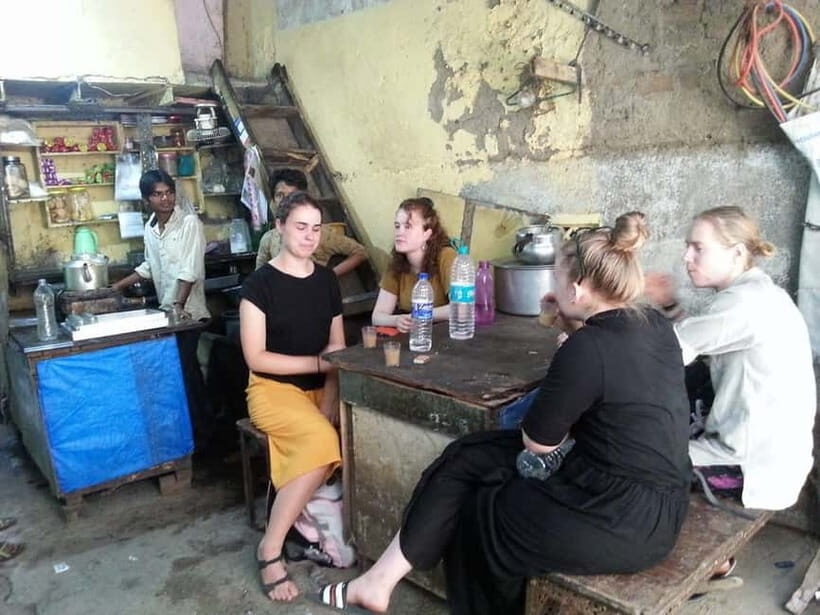
Another standout is the surprise stop tied to the movie Slumdog Millionaire. The tour includes a location inside Dharavi connected to where filming took place.
This kind of stop works best when you use it as a lens, not a shortcut. Yes, there’s a recognizable film connection, but the real value is what the guide helps you notice around it—how places that show up on screen relate to everyday reality on the ground.
It also reinforces the tour’s bigger message: Dharavi has been portrayed in simplified ways in pop culture, but the live place is complicated, layered, and intensely human.
If you enjoy “place + story” travel, this part is often the emotional glue of the whole morning or afternoon.
Pace, group size, and the guide’s way of keeping order
This is a small-group experience, limited to nine participants. That small size is part of the value. In a place like Dharavi, you want space to ask questions and not feel like you’re trapped behind a line of people.
The guide is described as local and English-speaking, and the tour is built around conversation and explanation. Some visitors also note that the guide can be strict about standing positions and when questions are allowed. That’s not necessarily bad—it can prevent you from blocking paths or stepping into areas where you shouldn’t.
Style can vary by guide. Some people like a firm, classroom-like approach when you’re learning unfamiliar systems. If you’re expecting an ultra-relaxed chat while everyone wanders, you might find the structure a bit more controlled than you hoped.
Either way, your best move is simple: follow the guide’s rules, ask questions at the right moment, and keep your tone respectful.
Price and included costs: why $4.64 can feel almost too good
At $4.64 per person for a 2.5-hour guided experience, the value is hard to ignore. The tour price includes a local English-speaking guide from the slums, travelling fees, and all entrance/entry tickets and tax.
That matters because “cheap” tours sometimes cut the important stuff. Here, the essentials are included: the guide, transport-related costs, and access where needed. You’re paying mainly for time with an insider and for getting you to Dhobi Ghat and the included stops.
Is it perfect value? Mostly, yes—especially if you want a compact introduction to both Dharavi and Dhobi Ghat. The trade-off is time: it’s not a long, slow day where you can linger for hours. It’s a focused tour, designed to give you a strong, quick understanding.
If you’re short on time in Mumbai and want something that doesn’t feel like a typical “check the box” city stroll, this is the kind of experience that fits.
Should you book this Dharavi & Dhobi Ghat local tour?
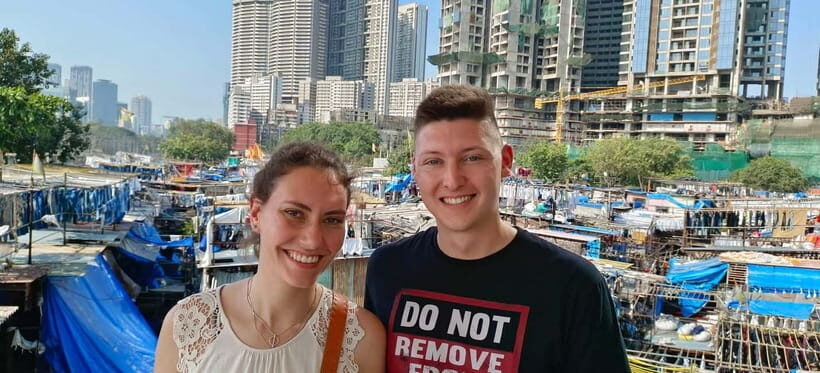
I’d book it if you want a real-world look at how people live and work inside Dharavi and you’re curious about Dhobi Ghat’s open-air laundry operations. This isn’t sold as a “sadness tour.” It’s sold as a visit that challenges stereotypes by showing routines, trades, and family life.
Skip it only if you’re the type who gets frustrated by firm guidance and short time windows. Also, if Dhobi Ghat needs to be a long, slow, photo-heavy stop for you, know that the overall tour duration may limit how long you can linger.
If you go, go with respect. Wear comfortable shoes. Stay close to your guide. And treat it as a starting point for understanding Mumbai—not a single final verdict.
FAQ
Where is the meeting point for this tour?
The meeting point is Third Wave Coffee Mahim, just opposite Mahim junction/station west. You can reach it easily by Uber or local transport.
How long is the tour?
The duration is 2.5 hours.
Is the tour guide English-speaking?
Yes. The tour includes a local English-speaking tour guide from the slums.
How many people are in the group?
It’s a small group limited to 9 participants.
What is included in the price?
The price includes the local English-speaking tour guide from slums, travelling fees, and all entrance/entry tickets and tax.
Is free cancellation available?
Yes. You can cancel up to 24 hours in advance for a full refund.
Can I book without paying right away?
Yes. The option is reserve now & pay later, so you can book your spot and pay nothing today.