REVIEW · MUMBAI
The Colourful Early Morning Tour
Book on Viator →Operated by Amaze Mumbai Tour · Bookable on Viator
Dawn in Mumbai is a whole different world. This 5:30am tour threads together flower markets, Hindu spirituality, and the working parts of the city before the rush hits. You get a guided look at daily life that most people only see through a window later in the day.
Two things I really liked: the chance to join a temple flower offering like locals do, and the way the morning markets (especially Dadar West and Sassoon Dock) turn into a real snapshot of how Mumbai runs. I also appreciate that the tour is built around early hours, when it’s cooler and the streets feel more manageable.
One possible drawback: it’s an early start, and the stops are short. If you want long temple time or lots of sit-down sightseeing, this format may feel a bit brisk—also, food isn’t included beyond what’s specified.
In This Review
- Key Things I’d Put at the Top
- Why a 5:30 AM Mumbai Tour Works So Well
- Hotel Transfers and the Private-Group Comfort Factor
- Stop 1: Dadar West Flower Market and the Smell of Marigolds
- Stop 2: Girgaon Iskcon Temple and Offering Flowers Like Locals
- Stop 3: CSMT at Dawn, When Trains Run the City
- Stop 4: Sassoon Dock, Koli Fisherfolk, and 60 Tonnes of Fish
- Stop 5: Marine Drive Early Morning Calm
- What You Actually Learn (And Why the Guide Matters)
- Price and Value: Is $35 Worth It?
- What to Bring for a Smooth Early Start
- Who This Tour Suits Best
- Should You Book This Colourful Early Morning Tour?
- FAQ
- What time does the Colourful Early Morning Tour start?
- How long is the tour?
- Does the tour include pickup from my hotel?
- What are the main stops on the tour?
- Is bottled water included?
- Is food included in the price?
- Can I cancel for a full refund?
Key Things I’d Put at the Top
- 5:30am start means cooler air and less traffic, so the city feels easier to take in
- Flower market sights (marigolds and roses garlands) give you color before the day gets loud
- Iskcon Temple visit adds a spiritual lens and a chance to participate in a flower offering
- Chhatrapati Shivaji Maharaj Terminus (CSMT) shows Mumbai’s train-station energy in a focused window
- Sassoon Dock + Koli fisherfolk ties Mumbai’s daily economy to people, not just monuments
- Private-group setup with hotel pickup keeps the ride time efficient and the morning calmer
Why a 5:30 AM Mumbai Tour Works So Well
Mumbai in the early morning is quieter, cooler, and often more honest. You’ll still see activity, but it doesn’t feel like you’re wading through crowds. Instead, it feels like the city is doing its first rounds—markets opening, docks starting their work, trains moving people through the first wave of the day.
This tour is designed for that exact mood. In about 3 hours, you move from Dadar West to Girgaon, then to major landmarks like CSMT, and finish with Marine Drive at first light. That tempo matters. You get variety without burning the whole morning on transit.
It also helps that the tour includes bottled water, so you’re not scrambling for supplies right after you wake up too early.
You can also read our reviews of more tours and experiences in Mumbai


Hotel Transfers and the Private-Group Comfort Factor
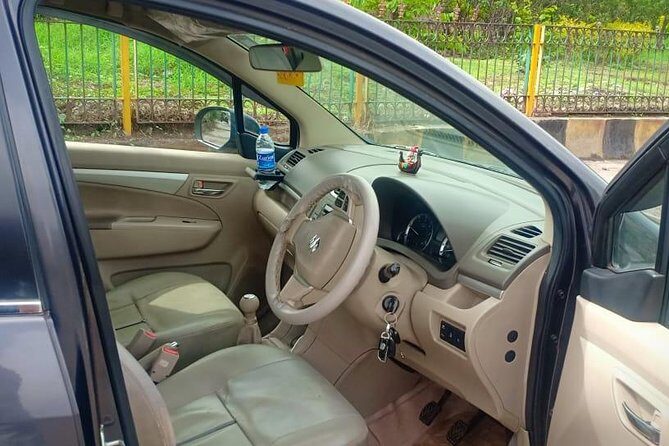
The big practical win here is round-trip hotel transfers. That means you’re not trying to figure out where to meet or how to reach areas early in the day. You’ll also get private transportation, with an English-speaking guide, and the tour is only for your group.
That private-group setup has a real effect on the experience. Guides can pace around your questions—like how a temple offering works, why specific markets operate when they do, or what you’re seeing at the docks. If you’ve ever taken a city tour that feels like a conveyor belt, this format helps avoid that.
One more small but useful detail: the tour uses a mobile ticket, and the meeting points are near public transportation—helpful if your pickup timing shifts slightly or you need a backup route.
Stop 1: Dadar West Flower Market and the Smell of Marigolds
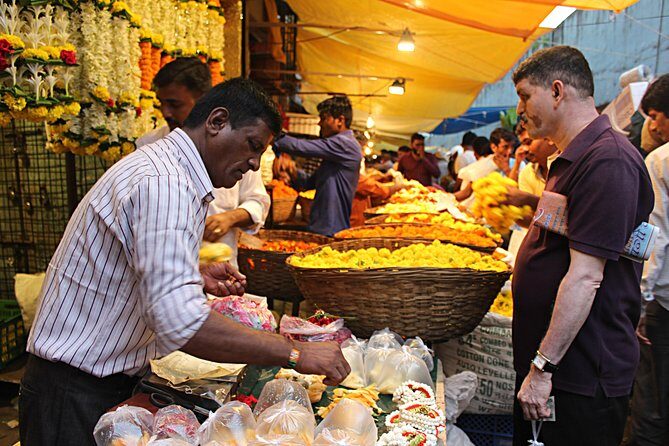
Dadar West is where the morning starts looking and smelling like Mumbai. This is a flower market known for garlands—saffron-colored marigolds and red roses come up again and again. Expect a strong visual hit. Heads, bunches, and arrangements are everywhere, and the energy is practical rather than touristy.
Why it’s worth your time: flower markets in cities like Mumbai aren’t just decoration. They connect directly to daily worship—temples, home rituals, and the small offerings people make as part of everyday spirituality. Even if you don’t know the Hindu traditions in detail, you’ll feel the logic of it fast.
Time here is about 20 minutes, which is perfect for a quick hit without turning it into an endurance test. One caution: this market can be crowded in a working way, and the morning lights can make colors pop. If you’re sensitive to strong smells or you’re prone to allergies, bring whatever helps you most.
Stop 2: Girgaon Iskcon Temple and Offering Flowers Like Locals
Next you head to Girgaon for the Iskcon Temple (Hare Rama Hare Krishna Temple). This stop adds a clear spiritual contrast to the market’s sensory bustle. You’ll learn about Hinduism and spirituality through a guide who can explain what you’re seeing in human terms, not just as architecture.
One of the tour highlights is the chance to offer flowers at the temples like the locals do. That’s not a “watch from the sidelines” moment. It’s participatory. You’ll get the sense that worship here is woven into the day, not separated from work and chores.
Most people also appreciate that the guide explains the context of everyday faith—what offerings mean, how temples function within city life, and how spirituality can show up on ordinary mornings. Guides named in past trips include Ganesh and Alam, both praised for keeping the talk friendly and grounded.
Practical tip: bring comfortable clothing. Temple spaces often ask for modesty, and Mumbai mornings can shift quickly from cool to warm while you’re standing, walking, and waiting your turn for photo angles.
Stop 3: CSMT at Dawn, When Trains Run the City
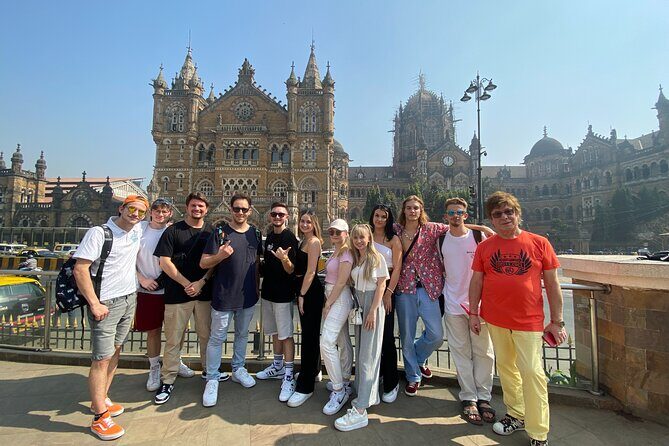
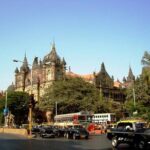
Then comes Chhatrapati Shivaji Maharaj Terminus (CSMT), one of India’s most striking rail landmarks. The tour spends about 20 minutes here, short enough to stay focused, long enough to notice the details.
Why this stop works in a morning tour: you’re not just looking at a building. You’re seeing a living transportation hub as it wakes up. Some past groups have mentioned the energy around train activity—sorting and movement—adding a sense of how work and infrastructure intersect in Mumbai.
CSMT also gives you a historic perspective without turning the day into a museum run. The architecture is the hook, but the daily rhythm is the lesson.
If you’re the type who likes big-city infrastructure, you’ll enjoy this. If you’re not, it can feel like a quick pause rather than a full attraction—but in a 3-hour tour, that brevity is often the point.



Stop 4: Sassoon Dock, Koli Fisherfolk, and 60 Tonnes of Fish
Sassoon Dock is where the tour shifts from spiritual and architectural to economic and human. You’ll learn about the Koli fisherfolk, described as the original inhabitants of Mumbai, and you’ll watch early morning fish activity.
The standout detail here: the tour focuses on the arrival and processing of 60 tonnes of fish every day in the morning. That’s not a small market-side moment. It’s big-volume work, and seeing it early helps you connect the scale to the city’s food supply.
This is also a great stop for photo-taking, but keep it respectful. You’re watching people do a job, not staging a scene. Past groups have highlighted how memorable the dock feels—like a film scene—because everything is moving with purpose.
The tour’s time window is 30 minutes, which is just right: long enough to understand the rhythm, not so long that you’re stuck standing in one spot while the pace changes.
Stop 5: Marine Drive Early Morning Calm
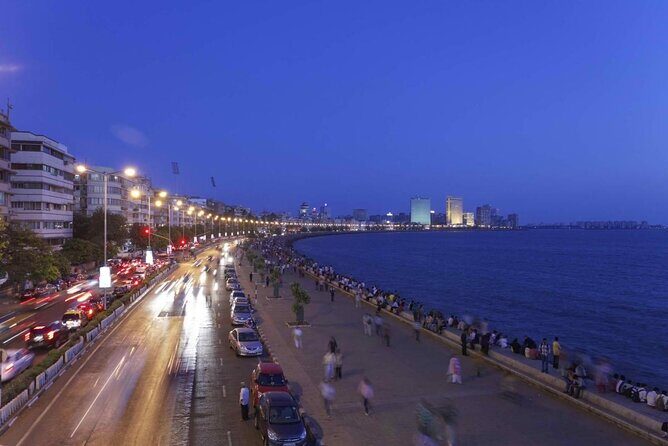
You finish with Marine Drive, around 10 minutes. It’s a short stop, but it’s the payoff view: ocean air, a smoother horizon, and less city noise than later in the day.
This is the moment to reset your senses. After markets and docks, Marine Drive feels like a breather—almost like the city letting you exhale. Even in a short time, it helps tie the morning together, from the garlands of worship to the working streets to the sea-front calm.
If you want a longer linger for photos, you might ask your guide if you can step out for a few extra minutes—just be mindful of the group pacing.
What You Actually Learn (And Why the Guide Matters)
The tour isn’t only about what you see. It’s about what you understand while you’re there. The guide is central to that.
In past trips, guides such as Alam, Ganesh, Dawood, Naynish, Maze, Nano, and Arun were specifically praised for storytelling and keeping the pace comfortable. People repeatedly mentioned that the guides explained cultural context—how markets and temples fit into ordinary life, and what the city looks like when it’s functioning before most visitors arrive.
Here’s what that tends to mean on the ground:
- You don’t just hear names like Iskcon or CSMT. You get the reason they matter to Mumbai.
- Market stops become lessons in everyday exchange—flowers, food, and labor.
- Temple time becomes participatory, especially with the flower offering component.
One charming detail from a past experience: someone described an end-of-tour tea with ginger, lemongrass, and cardamom. The tour doesn’t list food as included, but it shows how some guides may build in small local touches. If you care about tea, ask your guide what’s possible during your morning.
Price and Value: Is $35 Worth It?
At $35 per person for about 3 hours, this is priced for a morning culture hit rather than a full-day itinerary. The value comes from what’s included:
- Hotel pickup and drop-off
- Private transportation
- English-speaking guide
- Bottled water
- A tight route covering multiple major parts of Mumbai at a time when they’re easiest to experience
You’re also getting a “real life” mix: flower market worship supply, a temple stop with participation, a major rail landmark, and a working dock with significant fish trade. That variety in one short session is hard to match at similar prices—especially once you account for transport and guide time.
The main cost consideration is what you don’t get: food and drinks aren’t included unless specified. If you’re hungry, plan for a breakfast plan after the tour. Early starts can make you ravenous fast.
What to Bring for a Smooth Early Start
This is a practical morning outing. To make it feel easy, I’d plan for:
- Comfortable clothing for temple areas and walking (easy layers help if temperatures shift)
- Comfortable shoes since you’ll move through market and dock settings
- A light layer for the early morning chill
- Water mindset: bottled water is included, but you may still want more afterward
Also, keep expectations realistic: with multiple stops in 3 hours, you’ll be on your feet and moving. It’s not a slow sit-and-stare tour.
Who This Tour Suits Best
This works best if you want:
- A morning-focused look at Mumbai that avoids the harsh heat and heavier traffic
- A mix of religion, daily work, and city structure
- A guided explanation of what you’re seeing—especially around the temple offering
It may not be ideal if you:
- Hate getting up early
- Prefer long stays at one site
- Expect food to be part of the tour by default
If you’re traveling as a group and want a private experience with pickup, it’s a strong match.
Should You Book This Colourful Early Morning Tour?
I’d book it if you’re the type who likes seeing cities in their working rhythm. The flower market-to-temple-to-docks arc gives you a connection most standard sightseeing tours miss. Add the private transport and hotel transfers, and it becomes a low-friction way to make the most of a short time in Mumbai.
Skip it if you need a leisurely schedule, or if you’re not comfortable with early mornings and shorter stop durations. Also, remember: you’ll want breakfast planning afterward since food isn’t included.
If you choose to go, go with curiosity. This is one of those tours where small details—like how flowers move from market to temple—make the whole morning click.
FAQ
What time does the Colourful Early Morning Tour start?
The tour starts at 5:30am.
How long is the tour?
It runs for about 3 hours.
Does the tour include pickup from my hotel?
Yes. Round-trip hotel transfers are provided, along with private transportation.
What are the main stops on the tour?
You’ll visit Dadar West (flower market), Girgaon (Iskcon Temple), Chhatrapati Shivaji Maharaj Terminus (CSMT), Sassoon Dock, and end with Marine Drive.
Is bottled water included?
Yes. Bottled water is included.
Is food included in the price?
No. Food and drinks aren’t included unless specifically noted.
Can I cancel for a full refund?
Yes, there’s free cancellation. You can cancel up to 24 hours in advance for a full refund.