REVIEW · MUMBAI
Mumbai Half-Day Guided Tour
Book on GetYourGuide →Operated by Mystical Mumbai · Bookable on GetYourGuide
Mumbai packs a lot into four hours. This guided route hits major landmarks fast—Gateway of India by the water, then Dhobi Ghat where laundry runs in full public view—so you get a real feel for the city without committing to a full day. Just know the city’s traffic can squeeze timing, and lunch isn’t included.
What makes it easier is the simple setup: you’re picked up from your Mumbai hotel and whisked around in an air-conditioned vehicle with an English-speaking guide (German is also available). The itinerary is also customized to your preferences, which matters in a place where you can’t slow down for every crowd.
In This Review
- Key highlights worth aiming for
- Mumbai’s tight geography makes a half-day plan smarter
- What you’ll notice right away
- Getting your bearings: Gateway of India and the Taj Mahal Palace area
- Timing tip
- Chhatrapati Shivaji station and the UNESCO-level wow factor
- What to look for during the station visit
- Mumbai University, Rajabai Clock Tower, and the Oval Maidan cricket stop
- If you care about photo angles
- British heritage architecture: high courts, museums, and the “Queen’s Necklace” ride
- Why the drive matters
- Dhobi Ghat: the open-air laundry you can’t ignore
- Etiquette and practical advice
- Mani Bhavan and Banganga tank: where Gandhi’s story meets local space
- What makes this section work
- Kamala Nehru Park and Hanging Gardens: city views with a breather built in
- Use the view time well
- Marine Drive and the British-era sweep: a smart way to connect dots
- A note on shopping and free time
- Price and logistics: what $43 buys you in real value
- The ticket-line advantage
- The guide and driver experience is a big deal here
- Expect personalized adjustments
- Who this tour fits best (and who might want something else)
- Should you book this Mumbai half-day tour?
- FAQ
- How long is the Mumbai Half-Day Guided Tour?
- Where does the tour start and how does pickup work?
- Is transportation included?
- What’s included in the price?
- Is lunch included?
- What language is the tour guide?
- Do I skip ticket lines?
- Where do I end up at the end of the tour?
- What’s the cancellation policy?
Key highlights worth aiming for
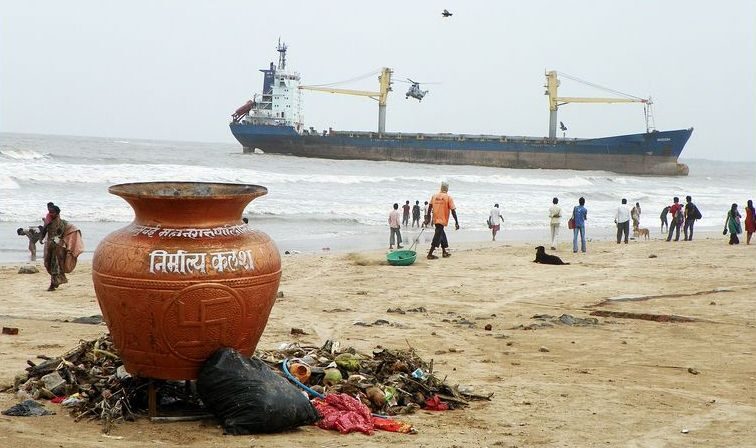
- Gateway of India photo moment with the Taj Mahal Palace Hotel nearby
- Dhobi Ghat’s open-air laundry (watching work happen in plain sight)
- Chhatrapati Shivaji train station and the grand UNESCO-listed vibe
- Gandhi at Mani Bhavan plus religious and waterfront stops like Banganga tank
- Kamala Nehru Park viewpoints and the nearby Hanging Gardens area
- Marine Drive ride plus British-era landmarks like the Prince of Wales Museum area
Mumbai’s tight geography makes a half-day plan smarter
Mumbai is long, narrow, and constantly in motion. You can easily lose time just crossing neighborhoods, especially when you’re trying to see the classic sights in one trip. That’s why this kind of half-day route makes sense: you cover a lot of ground while still having enough time for photos and short breaks.
You’re also not just bouncing between monuments. The tour weaves in daily life—like Dhobi Ghat—alongside big architectural and heritage stops. That mix is what helps it feel more like Mumbai than a checklist.
You can also read our reviews of more guided tours in Mumbai


What you’ll notice right away
You’ll start at the coast and move inland and back toward the waterfront. Expect frequent photo stops and guided walking segments, plus little pockets of free time. The pacing is built for a 4-hour window, so you’ll see highlights rather than linger for hours at one location.
Getting your bearings: Gateway of India and the Taj Mahal Palace area
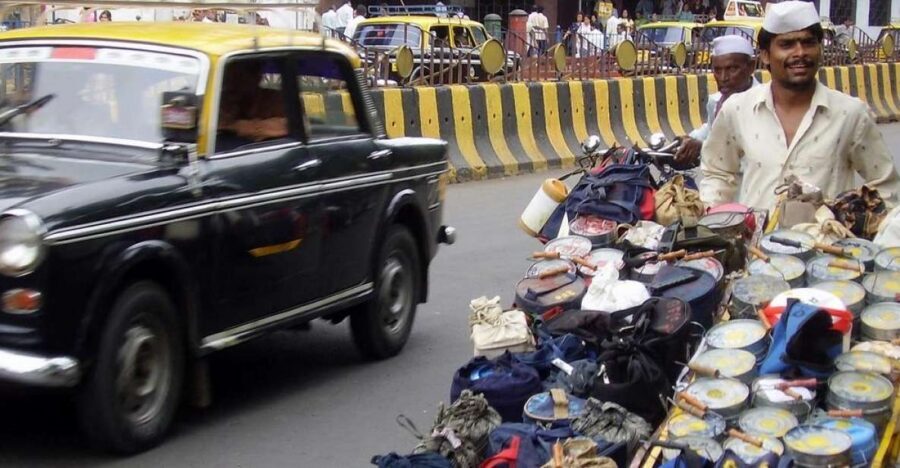
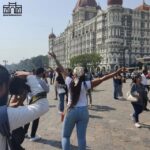
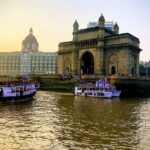
The tour kicks off at the Gateway of India, the iconic monument built to welcome King George V and Queen Mary. It’s the kind of place where you immediately understand the city’s scale and setting—sea air, waterfront views, and a constant flow of people.
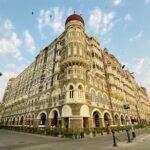
A big bonus is what’s just around the corner: the Taj Mahal Palace Hotel. Even if you don’t go inside, the architecture helps connect this area to Mumbai’s colonial-era story and long-standing tourism identity. It’s also one of the better spots to start taking wide, establishing photos before the crowds shift elsewhere.
Timing tip
Come prepared for busy photo moments. The Gateway area can get crowded, so the “quick stop with guidance” approach helps you get your shots without feeling stuck in one place too long.
Chhatrapati Shivaji station and the UNESCO-level wow factor
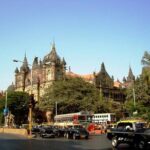
From the coast, the route moves toward the grand Chhatrapati Shivaji train station, a UNESCO World Heritage Site. This is one of those stops where the guide’s explanation helps you look beyond the photos you already know—pay attention to the scale and the way the station still feels like a working, living transport hub.
This is also a practical stop because it gives you a clear sense of Mumbai’s movement. If you’re short on time, seeing a railway landmark like this early helps everything else click: you’re not just visiting, you’re watching how the city functions.
You can also read our reviews of more tours and experiences in Mumbai


What to look for during the station visit
Look up as you walk through the areas your guide points out. Station architecture in India often rewards a slower glance upward and outward. If your phone battery is low, this is a good place to do an early charging check.
Mumbai University, Rajabai Clock Tower, and the Oval Maidan cricket stop
Next up is Mumbai University and the Rajabai Clock Tower, sometimes described as the Big Ben of India. Even if you’ve never read the story, the tower works visually—classic clock-tower lines with a strong sense of authority.
Nearby, you’ll also see Oval Maidan, where cricket—India’s beloved sport—is played. The point of including it isn’t just sports fandom. It’s about understanding how public space works in Mumbai: open grounds, crowds forming around events, and a city that loves spectacle outdoors.
If you care about photo angles
Your guide will likely suggest angles that keep the tower and open area readable in one frame. In a city like Mumbai, that guidance saves you time because you don’t have to search for the “right” corner while people stream past.
British heritage architecture: high courts, museums, and the “Queen’s Necklace” ride
The route continues with classic British heritage landmarks, including Bombay High Court and the Prince of Wales Museum area. These buildings aren’t just pretty; they help you see how Mumbai grew into a global port city with institutions that still shape the skyline.
Then comes the ride along Marine Drive, also nicknamed the Queen’s Necklace. This is the moment where you see how Mumbai’s coastline and city lights (even in daylight) create a long, dramatic ribbon effect. You’ll also spot landmarks along the way such as Flora Fountain and Hutatma Chowk, plus the Telegraph Office and India Post Office building.
Why the drive matters
Walking would take forever here. The car ride lets you cover multiple sights without wasting hours battling traffic on foot. It also means you can keep your eyes up and scan the architecture, not just your route.
Dhobi Ghat: the open-air laundry you can’t ignore
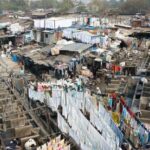
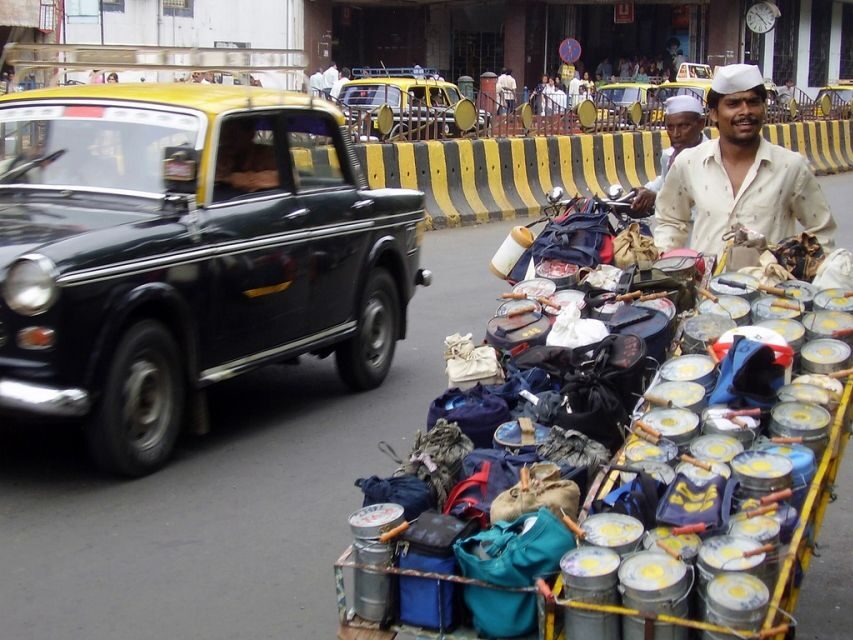
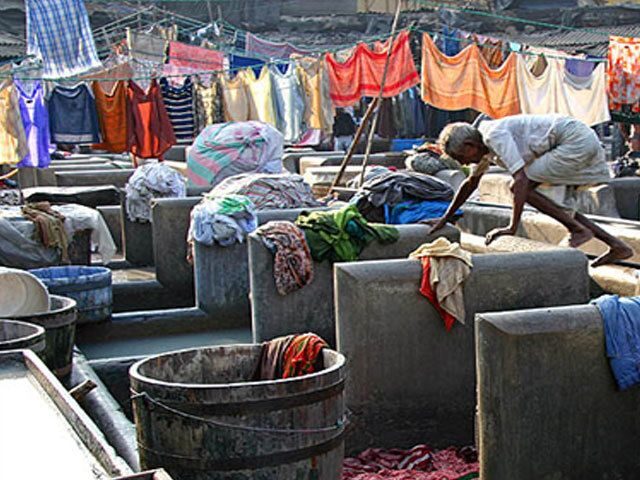
The biggest “you have to see this” stop is Dhobi Ghat, Asia’s largest open-air laundry. Clothes are washed in full public view, which turns the area into a moving snapshot of daily work and routine.
This is one of the most praised parts of the experience because it’s real-life Mumbai, not staged sightseeing. It’s also a good reminder that “tourist Mumbai” and “working Mumbai” are right next to each other.
Etiquette and practical advice
Plan to be respectful and discreet while photographing. If people are working close by, ask yourself whether your photo is worth disrupting someone’s rhythm. If the air is warm, you might notice the strong mix of outdoor activity—so bring a light layer you can adjust, and keep tissues handy.
Mani Bhavan and Banganga tank: where Gandhi’s story meets local space
Next, you’ll stop at Mani Bhavan, Mahatma Gandhi’s residence in Mumbai. Even with a quick visit, it’s a grounding change from the big public buildings and open grounds. It personalizes the city’s history through a specific address rather than a vague era.
You’ll also see the Banganga tank and a Jain temple on the way. These stops add spiritual and everyday depth. The key value here is variety: you’re seeing different communities and ways of using space in the same half-day loop.
What makes this section work
Mani Bhavan gives you a human anchor. The temple and tank stops then show how Mumbai’s sacred and public spaces overlap with street life.
Kamala Nehru Park and Hanging Gardens: city views with a breather built in
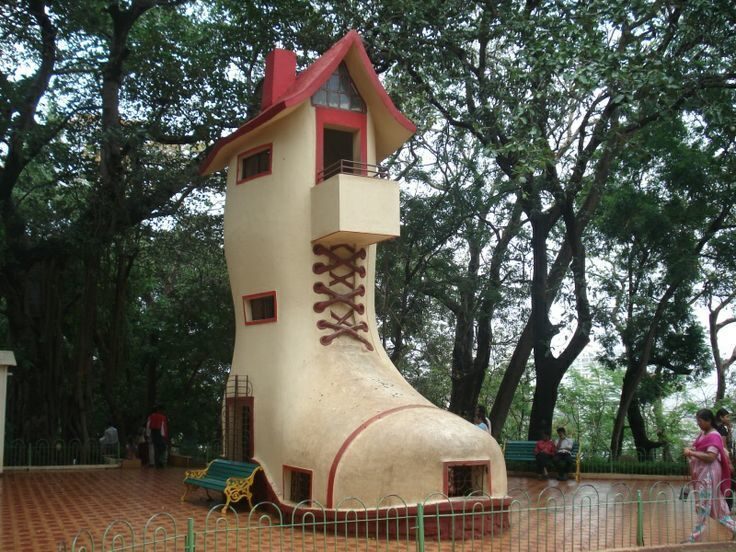
After the busy heritage and city scenes, the route shifts toward Kamala Nehru Park for spectacular views of the city. This is the kind of stop that helps your brain reset after walking and crowds. You get a different vantage point and a chance to look out over how the city spreads.
The tour also includes the Hanging Gardens near the Tower of Silence area. Even without a long session, it adds a calmer, landscaped feel to balance the urban density you’ve already seen.
Use the view time well
Bring your camera for wide shots and your phone for quick panoramas. If your guide offers a recommended spot for photos, follow it—you’ll often get a better skyline frame with less crowd interference.
Marine Drive and the British-era sweep: a smart way to connect dots
By the time you’re back along Marine Drive and the nearby heritage blocks, you’ll start connecting the city’s pieces: stations, institutions, ports, and public squares. The route you take isn’t random. It’s designed to show how Mumbai’s identity is layered—British-era architecture, religious spaces, and everyday labor all in the same day.
You’ll pass or see David Sassoon’s Library and the National Gallery of Modern Art area too. These stops round out the day by adding cultural context without turning the tour into a museum slog.
A note on shopping and free time
The schedule includes break time and some free time, plus time for shopping. If you don’t want shopping, tell your guide early and focus that time on photos or rest instead. A flexible guide can make the difference between “tight itinerary” and “actually enjoyable pacing.”
Price and logistics: what $43 buys you in real value
At about $43 per person for a 4-hour guided experience, the value comes from how much is packed in and how little you have to plan. You’re getting transportation by air-conditioned vehicle, a professional guide, and coverage of fuel, driver allowance, tolls, taxes, and parking.
The lack of lunch is the only real add-on risk here. If you’re taking the tour midday, you’ll want to plan for a meal after. The upside is you can eat exactly what you like afterward rather than being locked into a set meal you didn’t choose.
The ticket-line advantage
You’ll also skip the ticket line, which matters in crowded areas. In a city where time can vanish in lines, that small perk helps you stick closer to the plan.
The guide and driver experience is a big deal here
One theme shows up again and again: the guide quality. People praise guides such as Suresh, Dev, Anthony, Kumel, Suni, and Raj for clear explanations and a friendly, attentive approach. English fluency is especially noted, which makes it easier to ask questions and understand what you’re looking at.
Punctuality also matters in Mumbai, and several accounts highlight punctual pickup and smooth coordination with the driver. There’s also appreciation for guides who avoid turning the tour into a hard-sell shopping circuit. That’s not a small point—when you’re paying for a half day, you want the time to go toward sights, not detours.
Expect personalized adjustments
Even within a classic set of landmarks, the tour is described as accommodating preferences. If you’re most interested in architecture, tell the guide. If Dhobi Ghat and local life are your priority, flag that early.
Who this tour fits best (and who might want something else)
This tour is ideal if you:
- Have only a half day and want the main Mumbai icons without stress
- Like a mix of big landmarks and real daily-life scenes
- Prefer a guided route that handles timing and city navigation
It may not be ideal if you:
- Want a slow, deep visit where you spend hours in one place
- Need lunch included as part of your plan
- Are very sensitive to busy public spaces (Dhobi Ghat and central sights can be active)
Should you book this Mumbai half-day tour?
If you want a fast, well-organized way to get your bearings in Mumbai, I’d say yes. For $43, you’re buying a guided route that covers the coast, major architecture, and a memorable look at daily labor in just 4 hours. The English guide option, hotel pickup, and ticket-line skipping all reduce friction.
Book it especially if you’re the kind of traveler who likes seeing how different parts of a city connect—coastal monuments, historic institutions, and working neighborhoods—without spending your day in transit. If lunch matters to you, plan a meal right after and you’ll be set.
FAQ
How long is the Mumbai Half-Day Guided Tour?
The tour lasts 4 hours.
Where does the tour start and how does pickup work?
You’re picked up from your hotel lobby in Mumbai.
Is transportation included?
Yes. The tour includes transportation by air-conditioned vehicle, plus fuel, driver allowance, tolls, taxes, and parking.
What’s included in the price?
The price includes the guide, transportation, and a professional, knowledgeable guide with a personalized itinerary.
Is lunch included?
No, lunch is not included.
What language is the tour guide?
The tour is available with an English-speaking guide or a German-speaking guide.
Do I skip ticket lines?
Yes, you skip the ticket line.
Where do I end up at the end of the tour?
At the end, you’ll be dropped off back at your hotel.
What’s the cancellation policy?
You can cancel up to 24 hours in advance for a full refund.