REVIEW · MUMBAI
Bollywood Studio Tour with Slum & City Tour
Book on Viator →Operated by Bollywood Tours · Bookable on Viator
Bollywood is more real than I expected. This day tour mixes a behind-the-scenes private studio visit with real Mumbai street time, and you also get hotel pickup and drop-off to keep the day from turning into a transportation puzzle. One thing to consider: the schedule is packed, so some stops are more of a highlight pass than a long hangout.
The best part for me is how the Bollywood portion isn’t just a museum-style walkthrough. You get to see how sets work, watch live shooting, and take in performances in an air-conditioned dance space—so you leave with a clearer idea of how a TV drama or film actually comes together.
You can steer the second half two ways: a Colaba-to-Dharavi city loop (including Dharavi and Dhobi Ghat), or an option that swaps in Elephanta Island. Either way, it’s a strong “first-time Mumbai” day, as long as you go in with realistic expectations for time and pacing.
In This Review
- Key things I’d circle on your plan
- Why a Bollywood Studio Tour in Mumbai Feels Different Than a Museum
- What You’ll See Inside the Studio: Sets, Live Shooting, and Performance Rooms
- The Bollywood Museum and Dressing: Posters, Outfits, and a Quick Reality Check
- Colaba to Dharavi: How the City-Slum Loop Works (and What Each Stop Adds)
- Elephanta Island Option: The Views Plus the Studio-Day Tradeoff
- Transportation and the Private-Guide Advantage (What It Means in Real Life)
- Price and Value: Is $100 Per Person a Fair Deal?
- Who This Tour Suits Best (And Who Should Rethink the Fit)
- A Few Tactics to Make Your Day Smoother
- Should You Book This Bollywood and Slum/City Day Tour?
- FAQ
- How long is the Bollywood Studio Tour with Slum & City Tour?
- Is hotel pickup and drop-off included?
- What are the main choices for the second half of the day?
- Are the Bollywood dance shows included?
- Can I take photos during the tour?
- What should I wear for this tour?
Key things I’d circle on your plan

- Private, guided format: It’s set up for your group only, so you can ask questions and move at a human pace.
- Studio time with production details: Sets, live shooting, and a museum/dressing moment give context beyond costumes alone.
- City + Dharavi in one loop: Colaba sights plus Dharavi (about 1 hour) lets you see contrasting sides of Mumbai.
- Air-conditioned transport: Comfort matters when you’re stacking a long day of stops.
- Dance-show tradeoff with Elephanta: If you pick the Elephanta caves option, the dance show can be excluded due to time limits.
- Photo rules are strict: You’ll want to treat photography as permission-based, not automatic.
Why a Bollywood Studio Tour in Mumbai Feels Different Than a Museum
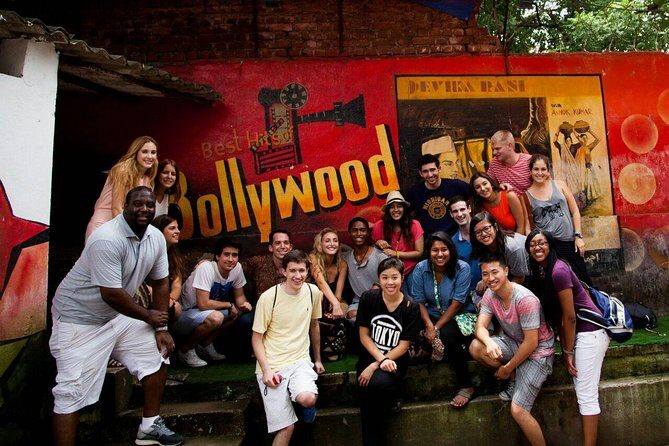
Mumbai’s film industry has a reputation for glamour. This tour keeps the glamour, but it also shows the machinery behind it. I like that you’re not just staring at posters—you’re learning the flow of production: how sets are built for specific scenes, how filming looks from inside the process, and how performances translate into what you eventually see on screens.
Another strong point: you get guided direction from the start. After pickup, you’re taken to the studio in Mumbai, and the day runs like a planned production schedule rather than a grab-bag of random photo stops. That makes it easier to enjoy the experience instead of constantly thinking about where you should be next.
The only “watch out” is expectation management. The studio visit is meaningful, but the overall day is long, and not every location gets the kind of time you’d choose if you had a standalone half-day.
You can also read our reviews of more city tours in Mumbai



What You’ll See Inside the Studio: Sets, Live Shooting, and Performance Rooms
The studio portion is built around a few clear windows into how productions are made.
First, you tour the movie and TV sets. You’ll see different set types used in films and serials—useful if you’ve ever wondered why some spaces look so specific on screen. The goal here isn’t just show-and-tell. It’s to help you notice how space, lighting, and staging become a believable world.
Next comes live shooting. This is the moment that tends to stick with people, because it lets you watch the process unfold while it’s happening. Even if you don’t know film terminology, you’ll understand the rhythm: people setting up, performers getting ready, and the production team working toward the shot.
Then you move into performance programming. The plan includes a mini air-conditioned dance hall with live Bollywood dance shows. The studio block is listed as about 3 hours, and this is where those on-stage elements happen as part of the included experience.
Small practical note: you may be tempted to film or snap photos constantly. Don’t. Photography is strictly not allowed until and unless permission is given, so get comfortable asking first and following the studio rules.
The Bollywood Museum and Dressing: Posters, Outfits, and a Quick Reality Check
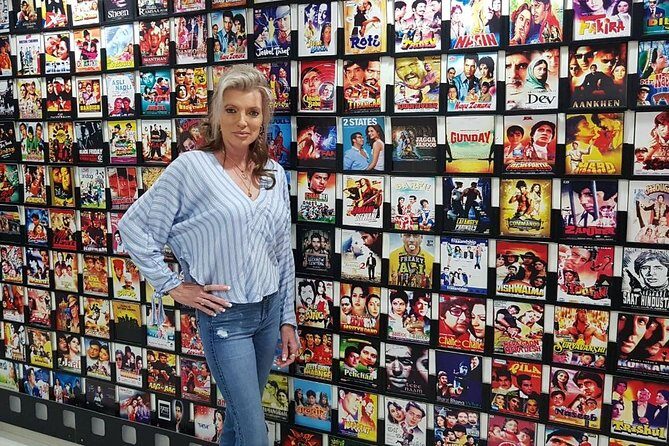
Between production spaces, you hit the tiny Bollywood Museum area. It’s set up like a focused stop for recognizable faces—think famous Bollywood posters and photographs that help you connect what you’re seeing inside the studio to the industry’s celebrity culture.
One of the fun parts is the dressing element. You can try wearing some famous Bollywood outfits. I like this because it’s hands-on and low-pressure. You’re not expected to be a performer; you’re just getting a taste of how costumes transform the look of a scene.
If you’re the kind of traveler who enjoys small, tangible moments, this is that part of the day. But remember: this isn’t a costume workshop with endless time. It’s short, curated for the day flow, and best enjoyed as a quick snapshot.
Also, if you want souvenir photos, plan for the fact that they’re available to purchase rather than included automatically.
Colaba to Dharavi: How the City-Slum Loop Works (and What Each Stop Adds)
For the city-and-slum version, the tour runs in a loop that mixes cinematic Mumbai landmarks with everyday life. The listed city segment is about 6 hours, and it’s designed so you get contrasts without burning your whole day on travel.
The route includes:
- Chhatrapati Shivaji Terminus (CST area) and DN Road
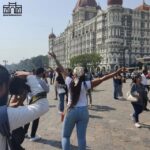
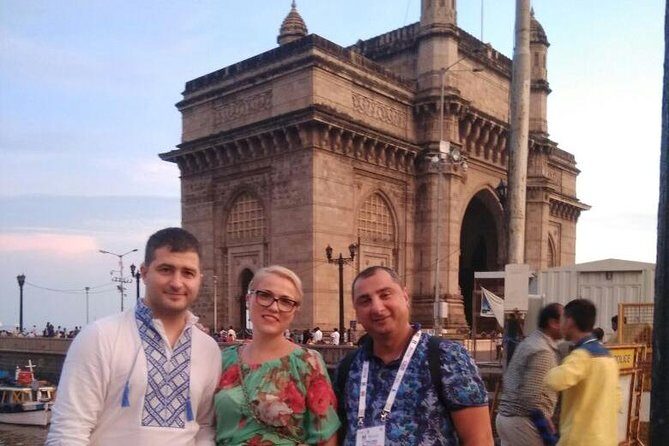
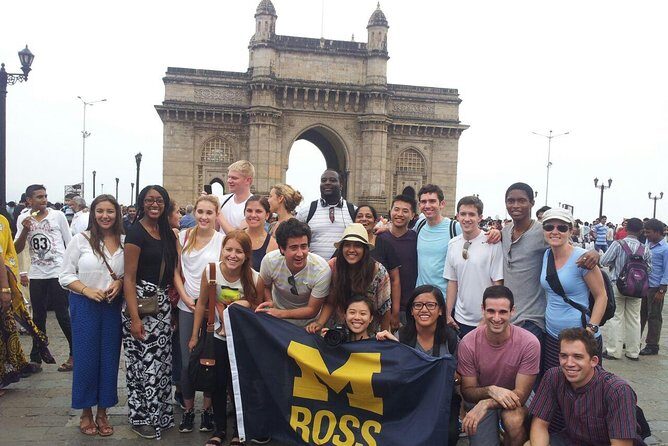
- Gateway of India in the Colaba/Apollo Bandar area
- Marine Drive and Chowpatty Beach (Chaupati)
- Hanging Gardens (Ferozeshah Mehta), with some travelers noting it may be a quick stop rather than the main event
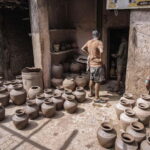
- Dharavi (about 1 hour)
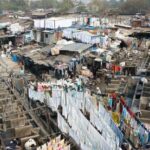
- Dhobi Ghat near Mahalakshmi Station (about 15 minutes)
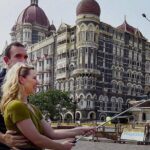
- Plus a few “pass by without stopping” moments like the Taj Mahal Palace and Flora Fountain
Here’s how to think about it as a visitor. The Colaba and Marine Drive pieces help you place Mumbai—big landmarks, seaside promenades, and iconic views. Then Dharavi shifts the scale. You’re not meant to treat it like a theme park; you’re meant to understand it as a dense, working community where small businesses and everyday routines matter. That’s why time at Dharavi is limited to about an hour: enough to learn something real, but not so much that you lose sight of respect and context.
Dhobi Ghat is shorter (about 15 minutes), which makes it more of a glimpse than a deep visit. If you love detail, you’ll probably want more time elsewhere. If you like getting the “shape” of a place and then deciding what to explore later, this pacing can work well.
One practical suggestion: wear comfortable shoes. Even when you’re “only” stopping for short periods, Mumbai’s streets can be uneven, and your day includes a mix of walking and moving by car.
Elephanta Island Option: The Views Plus the Studio-Day Tradeoff
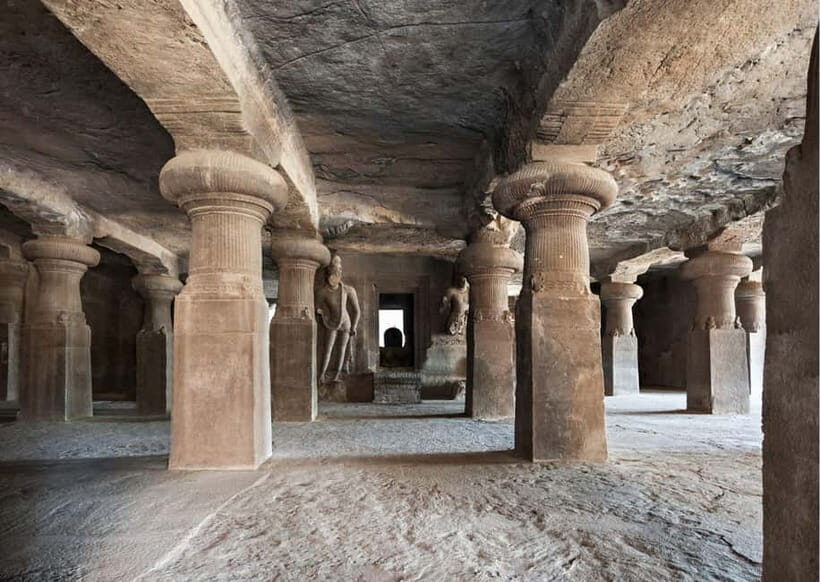
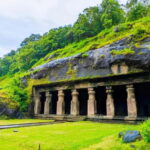
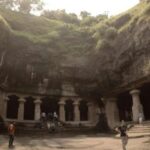
There’s an alternate way to run your second half: instead of the Colaba/Dharavi loop, you can go to Elephanta Island (with a guided tour). This option swaps in ferry time and a structured sightseeing block, which changes the entire feeling of the day—from urban contrasts to island scenery and historic caves.
The important catch is timing inside the studio. If you choose the option labeled Studio tour with Elephanta caves tour, the plan notes that the dance show isn’t included due to time restriction. So you’re basically trading one kind of entertainment inside the studio for a longer experience outside the mainland.
If your priority is Bollywood performances, the city-and-slum route is usually the better match. If your priority is “Mumbai beyond the city streets,” Elephanta can feel like a more rounded day.




Transportation and the Private-Guide Advantage (What It Means in Real Life)
This is built as a private tour/activity, meaning only your group participates. That matters more than it sounds. When you have questions—about what you’re seeing in the studio sets, or about how a neighborhood works—your guide can answer without squeezing you into a group rhythm.
Pickup and drop-off from your Mumbai hotel (or other locations in Mumbai) is also a big deal for a full-day schedule. It removes the mental load of buses, taxis, and timing. The tour uses air-conditioned transportation, which is a welcome comfort when you’re moving between far-apart areas.
Local guide names that show up in feedback for this style of tour include Rahul, Gurmit, Siddhi Gunjal, and Asraf. If you get one of these guides (or someone with a similar style), you’re likely to get clear English, solid context, and flexibility—especially when the day gets busy.
Just keep in mind the day is long—listed as 8 to 12 hours. Your best strategy is to treat it like a “big day out,” not a casual stroll.
Price and Value: Is $100 Per Person a Fair Deal?
At $100 per person, this isn’t trying to be a bargain-basement sightseeing ticket. It’s closer to what you’d expect for a full-day private combo: a studio visit, a guided city segment (or Elephanta), and transport with pickup/drop-off.
What makes it feel like value is the package logic:
- you’re paying for guide fees (not just a driver),
- you’re getting air-conditioned transportation,
- you’re getting admission-type inclusions during the two main blocks (studio ~3 hours; city segment ~6 hours),
- and you’re not doing the logistics yourself.
If you’re traveling with a small group and you’d otherwise pay separately for a studio visit plus a dedicated city guide, the combined format can make more sense than booking each piece one by one. Also, the tour notes group discounts, which can help if you’re splitting costs among friends or family.
Who This Tour Suits Best (And Who Should Rethink the Fit)
This is a good match if you want:
- a first-timer Mumbai day that mixes iconic sights with a reality check,
- a guided Bollywood studio visit (with live shooting and dance programming),
- and a structured itinerary rather than freestyle planning.
It may be less ideal if:
- you’re hoping for lots of downtime between stops,
- you dislike sensitive topics or prefer a more purely entertainment-focused day (the Dharavi segment is part of the city-and-slum version),
- or you’re expecting Hanging Gardens to be the main attraction (it can be a quick element rather than a long stop).
The tour also states moderate physical fitness is recommended. The schedule includes walking in city areas and short viewpoints; it’s manageable for most people who walk comfortably, but it’s not built for slow, sedentary sightseeing.
One more practical point: ladies should dress modestly.
A Few Tactics to Make Your Day Smoother
- Plan for permissions on photos. Keep your phone/camera ready, but don’t assume you can shoot. Follow the studio and guide rules.
- Eat before you get hangry. You’re out for most of the day (8–12 hours). The tour includes major stops, but food stops aren’t described here.
- Choose your priority early. If Bollywood dance is a must, consider the city-and-slum format. If Elephanta caves and island sightseeing are your top goal, understand the dance show may be dropped.
- Bring something modest and comfortable. This supports both the studio settings and the city segment.
- Expect quick-hit viewing. Even when a place is important, your time can be limited—especially in a full-day loop.
Should You Book This Bollywood and Slum/City Day Tour?
I think you should book this if you want a guided, high-structure day that makes Mumbai feel understandable fast. The Bollywood studio segment—sets plus live shooting plus dance programming—is the kind of experience that gives you actual context, not just photos. Then the city-and-slum loop adds perspective: Colaba landmarks and seaside views, followed by a focused visit to Dharavi and a quick look at Dhobi Ghat.
I’d only hesitate if you hate tight schedules or you’re hoping for long, slow wandering at each stop. This day is designed to move, and some elements are necessarily shorter than they’d be on a dedicated half-day.
If you can handle a packed itinerary with strong guidance, this is a smart way to see a lot of Mumbai in one go—without you doing the planning math.
FAQ
How long is the Bollywood Studio Tour with Slum & City Tour?
It runs about 8 to 12 hours total, with the studio portion around 3 hours and the city segment around 6 hours.
Is hotel pickup and drop-off included?
Yes. Pickup and drop-off service from your Mumbai hotel (or another location in Mumbai) is included.
What are the main choices for the second half of the day?
You can do a Colaba + Dharavi city tour, or you can choose an option that includes Elephanta Island for a guided visit.
Are the Bollywood dance shows included?
For the studio tour portion, there are live Bollywood dance presentations included. If you choose the Studio tour with Elephanta caves tour option, the dance show may be excluded due to time restriction.
Can I take photos during the tour?
Photography is strictly not allowed unless permission is given, including at the studio.
What should I wear for this tour?
For ladies, the tour advises dressing modestly. Wear comfortable clothes you can move around in, since the day is long and includes walking at some stops.