REVIEW · MUMBAI
Tour of Dharavi Slum
Book on Viator →Operated by Linda Tours Mumbai · Bookable on Viator
Dharavi is not a postcard kind of place. A private guided Dharavi slum tour lets you see the day-to-day reality of Mumbai’s biggest informal neighborhoods, with a structured walk through the alleys and workplaces that make the area run. After pickup, you ride in an air-conditioned vehicle with Wi‑Fi, so you start the experience comfortable and ready to pay attention.
What I especially like is the human angle. This tour is led by a guide who lives in the slums, and the impact shows in how personal the storytelling can be—one guide named Divya was specifically thanked for putting warmth and real-life context to what visitors see. The second big win for me is the focus on work. You don’t just look at buildings; you learn about industries such as calfskin, pottery, dyeing, pottery, and plastic recycling—the kind of practical detail that makes Dharavi easier to understand.
One consideration: this is a working residential area, so parts of what you’ll see may feel heavy. If you want a purely scenic outing, this won’t match that mood. Come with an open mind and realistic expectations about what a slum actually involves.
In This Review
- Key things to know before you go
- A 3–4 hour Dharavi visit with pickup, AC, and Wi‑Fi
- Meet the local guide and learn the story behind daily life
- Inside Dharavi: narrow alleys, workspaces, and the industries that drive it
- A note on what “guided” means here
- Recycling and production: why Dharavi’s economy gets attention
- Film connections: seeing the Slumdog Millionaire backdrop with clearer eyes
- Transportation, timing, and meeting point details that matter
- Price and value: what $10.80 gets you in Mumbai terms
- Who should book this Dharavi slum tour?
- How to prepare so the experience lands well
- Should you book the Tour of Dharavi Slum?
- FAQ
- How long is the Tour of Dharavi Slum?
- Is pickup from my hotel included?
- Does the tour include transportation with comfort features?
- Is food included?
- Is this tour private?
- Where does the tour meet, and does it end nearby?
Key things to know before you go
- Private guide living in Dharavi: the explanations have local weight.
- Hotel/airport/port pickup: you avoid the “how do we get there” headache.
- Air-conditioned vehicle with Wi‑Fi: makes a 3–4 hour visit easier on you.
- Industries you can name: calfskin, pottery, dyeing, and plastic recycling are part of the tour.
- Admission ticket is free: no extra entrance fees for the main stop.
- Bottled water included: small comfort, but useful in Mumbai heat.
A 3–4 hour Dharavi visit with pickup, AC, and Wi‑Fi
This tour is built around a simple rhythm: travel in comfort, spend time on the ground with a guide, then head back to your start point. The total duration is about 3 to 4 hours, which is a good length for a place that changes every block. You’ll have enough time to follow a guided route without turning it into a marathon.
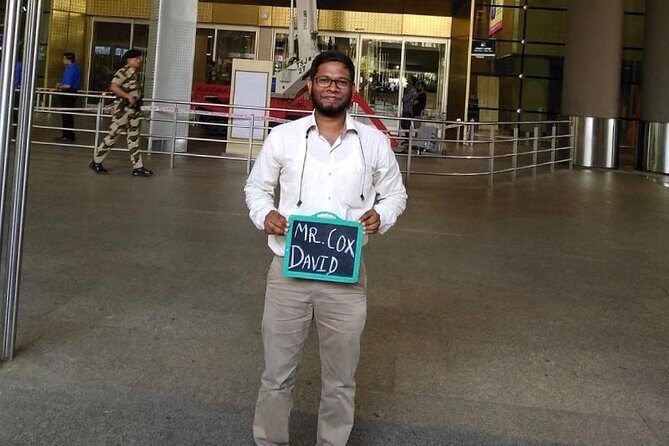
The pickup option matters more than you might think. You can be collected from select hotels, the airport, or a cruise port, and you’ll return back to the meeting point afterward. That kind of door-to-door (or port-to-car) setup is especially helpful in Mumbai, where getting across town can be unpredictable. If you’re on a tight schedule between flights or cruise stops, this format is genuinely practical.
Once you’re on the road, you’re in an air-conditioned vehicle with Wi‑Fi. Wi‑Fi won’t magically make Dharavi “easy,” but it does keep the travel leg calmer—useful when you’re arriving from a long day outside the city’s center. Bottled water is also included, so you won’t be searching for basics right as the tour starts.
You can also read our reviews of more tours and experiences in Mumbai.



Meet the local guide and learn the story behind daily life
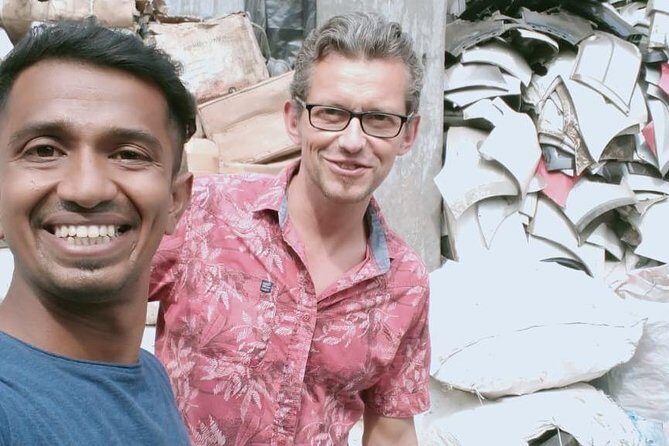
The tour’s standout element is the guide connection. The experience includes the detail that the guide lives in the slums, which usually translates into explanations that don’t feel rehearsed. You get the kind of context that comes from seeing the rhythms of the neighborhood every day—how work is organized, what gets done, and why certain industries take root where they do.
One review reference points to a guide named Divya, thanked for making the experience profoundly personal. Even if you don’t know your guide ahead of time, that’s a hint at the tone: the goal isn’t to treat Dharavi like a distant exhibit. It’s more like learning how people create stability and skill in a tough environment.
This is also a private tour/activity, meaning it’s just your group. That can be a big deal when you want to ask questions without worrying about a large crowd. In a place where people’s lives are the focus, the calmer pace helps you pay attention instead of getting swept along.
Inside Dharavi: narrow alleys, workspaces, and the industries that drive it
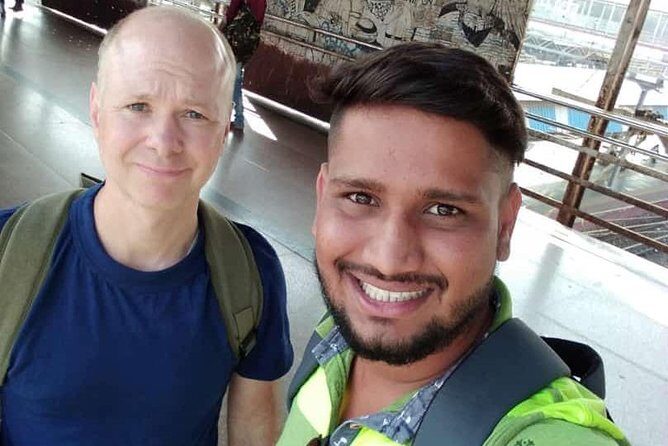
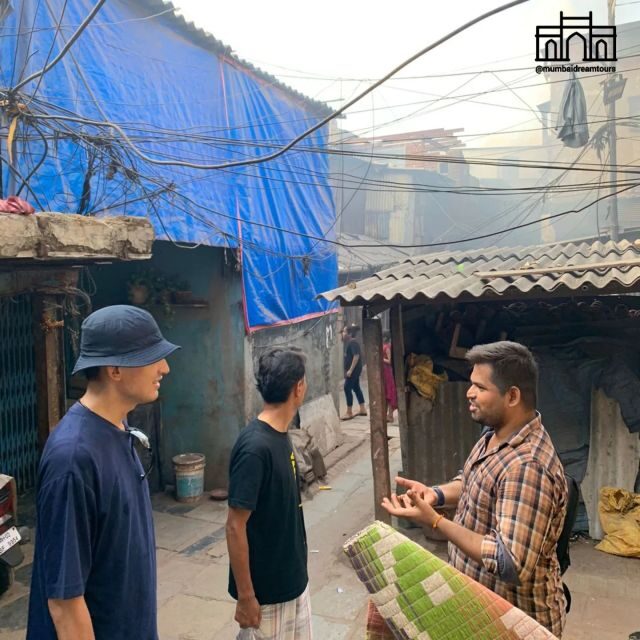
The main stop is Dharavi itself. You’ll spend most of the tour exploring the area on a guided route, including narrow lanes and areas connected to small businesses and industry. The idea is to help you connect what you’re seeing—workshops, production, and daily movement—to how residents live and earn.
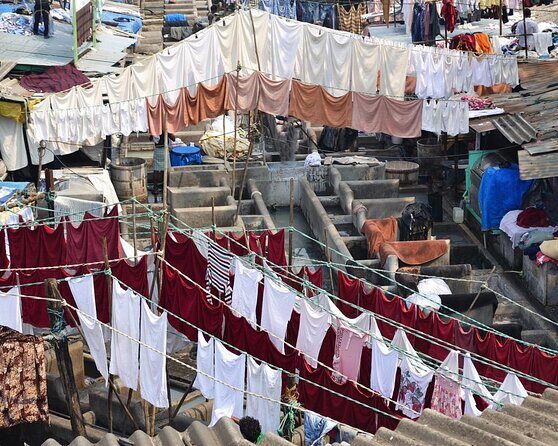
Dharavi is described as an urban hub with multiple kinds of production. The tour info highlights industries such as:
- calfskin
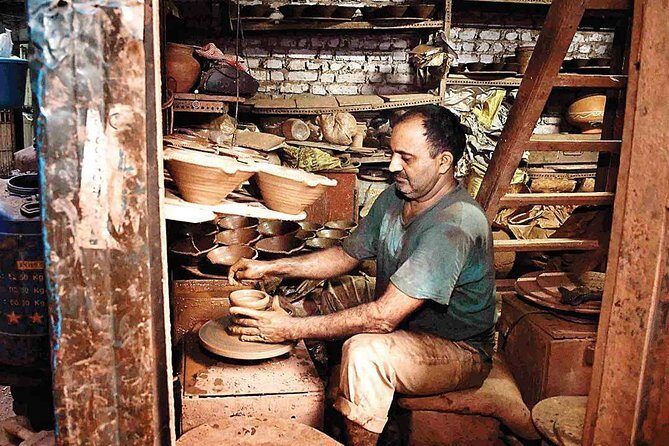
- earthenware and pottery
- dyeing
- plastic recycling
Having named industries like this is more useful than you might expect. When you can put a label on what you’re seeing, the place becomes easier to interpret. Instead of only thinking, I’m looking at a slum, you start thinking, This is a manufacturing and processing zone—and people have developed real skills inside it.
A note on what “guided” means here
This is not just a walk-by tour. The guide is there to provide history, culture, and industry context, which is what turns a visual experience into understanding. You’ll be guided through the kinds of work that keep the neighborhood functional, including recycling and small-scale manufacturing.
You may find it helpful to go in with questions ready. For example: What kind of work is done here most days? How do people learn the trade? What do you see that shows the day-to-day economy at work? A local guide is the right person to ask those kinds of “how does this run” questions.
Recycling and production: why Dharavi’s economy gets attention
One of the most practical parts of the Dharavi story is recycling. The tour explicitly mentions plastic recycling as part of what you’ll learn about, and that’s a key clue about why Dharavi is often discussed beyond Mumbai.
Recycling isn’t just a job. It’s an entire chain of sorting, processing, and reuse. When you see how industries connect, you stop thinking of the neighborhood as only housing—and start seeing it as a working network. Even on a short tour, that perspective can make your visit feel more grounded and less like you’re only looking at hardship.
The same is true for other crafts and production mentioned in the tour details. Earthenware and pottery point to materials-based work. Dyeing points to processes with specialized steps. Calfskin points to craftsmanship and industrial handling. None of this turns the place into a “factory tour,” but the way the guide explains the role of each trade helps you recognize that residents have built expertise over time.


Film connections: seeing the Slumdog Millionaire backdrop with clearer eyes
You’ll hear that Dharavi is the setting for the acclaimed film Slumdog Millionaire. That film connection can be a hook for first-time visitors, but it’s best handled as context—not as a script for what you’ll experience in real life.
What’s useful in the tour framing is that it points you toward the area as a real-world environment with industry and daily life, not only a media image. If you’ve seen the movie, it may give your brain a starting point. But let your guide steer you back to the practical reality: work, routines, and the neighborhood economy.
A good mental switch is this: treat film as a reference point, then focus on the living systems you can observe with your guide’s help.
Transportation, timing, and meeting point details that matter
If you’re choosing this tour, pay attention to the schedule shape. It starts from a specific location and ends back there, which helps you plan the rest of your day.
The meeting point is:
Third Wave Coffee, Tip Road, Unit no.58, Ground, Ram Mahal, Senapati Bapat Marg, Marinagar Colony, Station, Mahim, Mumbai, Maharashtra 400016, India.
Pickup can also be arranged from select hotels, the airport, and cruise ports. If you’re coming from a cruise, that’s often where a timed excursion really earns its value—you don’t want to spend your shore time playing taxi roulette.
Because the tour lasts about 3 to 4 hours, it fits well between other Mumbai highlights. It’s also a smart choice if you don’t want to commit to a full-day schedule for an experience that can be emotionally intense.
Price and value: what $10.80 gets you in Mumbai terms
At $10.80 per person, the price is low enough that people often wonder what the tradeoff is. Here’s the honest value breakdown based on what’s included.
Included essentials:
- Private guided tour (not a big bus/group shuffle)
- Hotel/port pickup and drop-off (if your location is eligible)
- Air-conditioned vehicle with Wi‑Fi
- Bottled water
- Guided focus on history, culture, and industry
- Admission ticket free for the main stop
Not included:
- Food and drinks
For many visitors, the big value driver is not just the guide. It’s the combination of comfort and time management: an AC ride, Wi‑Fi for quick planning, and pickup so you aren’t guessing transportation. The guided portion matters too because Dharavi is easy to misunderstand without context, and the tour is specifically structured to teach you what you’re looking at.
Also, the reviews signal strong satisfaction, with 4.9 rating from 133 reviews and 98% recommended. That matters because short, guided experiences live or die by clarity and the quality of the explanation.
If you’re trying to keep travel costs down, this is a rare deal category in Mumbai: a private format at a price that usually gets you a group tour elsewhere.
Who should book this Dharavi slum tour?
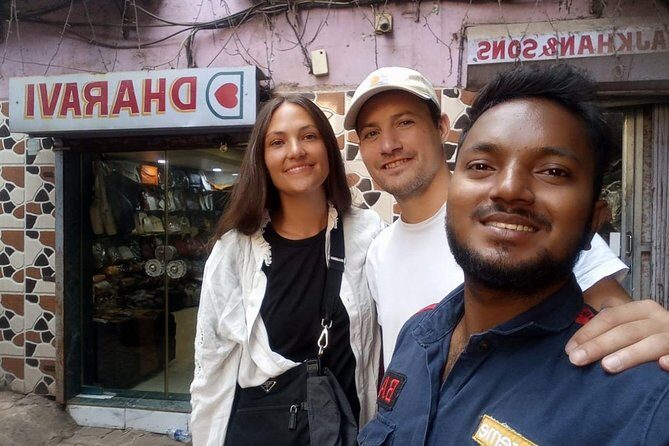
This is a great fit if you want:
- a guided, private experience instead of a crowd experience
- a short outing (3–4 hours) that still covers meaningful context
- a focus on industry and daily life, not only “poverty viewing”
- comfort on the travel leg, with an AC vehicle and Wi‑Fi
It’s also a strong choice for people on limited schedules—like a layover, a cruise day, or a packed city itinerary—because pickup options are available and the time window is clear.
If you’re someone who struggles with emotionally heavy environments, you can still go, but go intentionally. This tour is designed to help you understand. It’s not designed to sugarcoat.
How to prepare so the experience lands well
You’ll have the most comfortable tour if you prepare for two realities: Mumbai weather and the fact that this is a lived-in neighborhood.
- Bring a mindset for learning, not sightseeing-only.
- Wear comfortable shoes for walking through narrow areas.
- Plan water and keep an eye on how long you’ve been out; bottled water is included, but you’ll want to manage the rest yourself.
- Skip expectations about food being included. Food and drinks aren’t part of the package, so plan a meal before or after.
And one more small practical tip: since this is a private guided route, ask your guide questions early in the walk. The first minutes can set the tone, and your guide will be best positioned to answer as you’re seeing the industries and daily activity.
Should you book the Tour of Dharavi Slum?
Book it if you want a short, private, guided look at Dharavi that focuses on how work and daily life function. The price is hard to beat for the combination of pickup, AC + Wi‑Fi, and industry-focused context, and the guide-led, local angle is the main reason this tour seems to hit a strong note for people.
Don’t book it if you’re looking for a purely light, casual outing. This experience is about real people and real work. If you can handle that with care and curiosity, you’ll probably find it memorable for the right reasons.
FAQ
How long is the Tour of Dharavi Slum?
The tour lasts about 3 to 4 hours.
Is pickup from my hotel included?
Pickup is offered from select hotels, the airport, or cruise port, and the tour also includes drop-off.
Does the tour include transportation with comfort features?
Yes. You travel by private air-conditioned vehicle with Wi‑Fi on board, and bottled water is included.
Is food included?
No. Food and drinks are not included.
Is this tour private?
Yes. This is a private tour/activity, and only your group participates.
Where does the tour meet, and does it end nearby?
The start is Third Wave Coffee on Tip Road in Mahim, Mumbai. The activity ends back at the meeting point.