REVIEW · MUMBAI
Mumbai: Kanheri Caves and The Golden Pagoda Temple
Book on GetYourGuide →Operated by Mumbai Excursions · Bookable on GetYourGuide
Ancient caves, then a golden temple for calm. This Kanheri Caves and Golden Vipassana Pagoda tour pairs rock-cut Buddhist caves with a modern meditation site, so your day shifts from city chaos to real quiet. I liked how guides such as Aryan and Nikhil help you make sense of the sculptures and inscriptions as you move from chamber to chamber.
My second favorite part is the view. The Golden Vipassana Pagoda gives you wide panoramas over Mumbai and the Arabian Sea, and you can step into the meditation hall with the towering golden Lord Buddha idol. Depending on timing, you may also get a short guided meditation moment in the flow of the visit.
Do plan for physical effort. There are lots of steps and outdoor sun, and the day can run longer than the listed window if walking time and traffic stretch out. Bring comfortable shoes and expect a warm, active day.
In This Review
- Key highlights you’ll care about
- Why Kanheri Caves + the Golden Vipassana Pagoda feels like a smart pairing
- Getting out of Mumbai and into Sanjay Gandhi National Park
- Kanheri Caves: prayer halls, monastic cells, and basalt artistry
- Having a guide like Shivam or Kavita changes everything
- Reaching the Golden Vipassana Pagoda (and why the approach feels special)
- Summit views: Mumbai and the Arabian Sea from above
- Inside the pagoda: the meditation hall and the Lord Buddha idol
- Time on the clock: how long this day can really take
- Transport and comfort: AC car, private group, and skip-the-line value
- Price and value: is $43 per person worth it?
- Who should book this day tour?
- Should you book it or skip it?
- FAQ
- FAQ
- What’s the duration of the tour?
- Does the tour include hotel pickup and drop-off?
- Where do we meet the guide?
- Is this tour only in English?
- What’s included in the price?
- Do we skip the ticket line?
- Is meditation part of the experience?
- What should I bring?
- Can I cancel and get a refund?
Key highlights you’ll care about
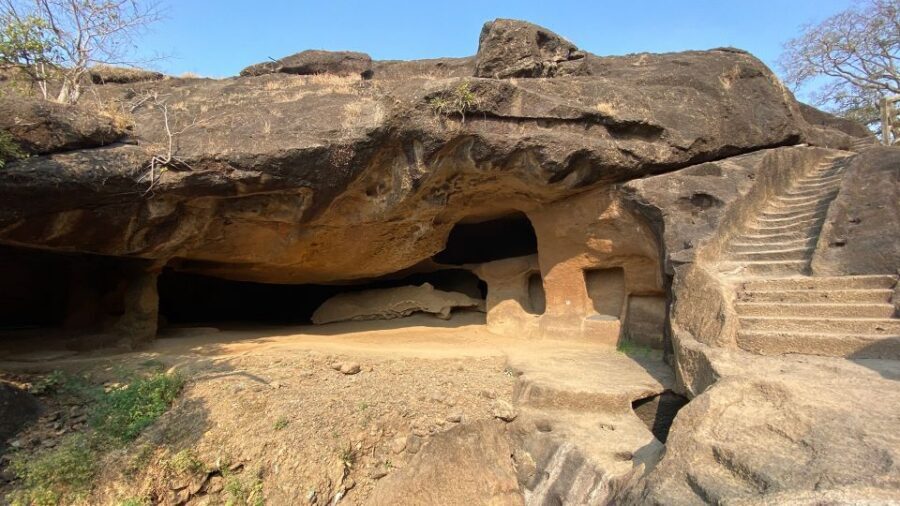
- Kanheri’s ancient rock-cut caves (dating back to the 1st century BCE) with chaityas and viharas
- Sanjay Gandhi National Park setting that quickly cools the pace away from Mumbai noise
- Guide-led storytelling that connects carvings, inscriptions, and Buddhist learning to what you see
- Golden Vipassana Pagoda summit views over the Arabian Sea and Mumbai skyline
- Vipassana meditation hall visit with stone carvings and a large golden Buddha idol
Why Kanheri Caves + the Golden Vipassana Pagoda feels like a smart pairing
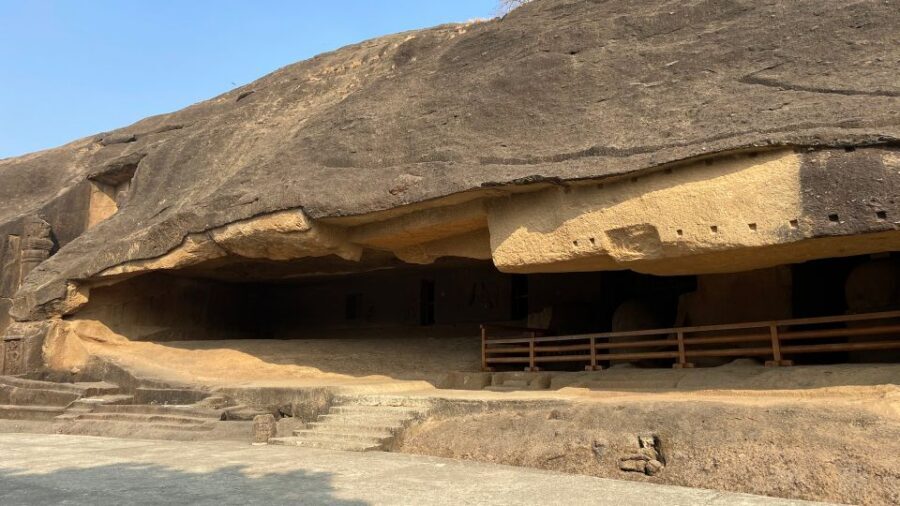
This is one of those Mumbai combos that makes sense the moment you see it: Kanheri Caves are old-world Buddhism carved into basalt rock, while the Golden Vipassana Pagoda brings that same spiritual thread into a modern, peaceful place for mindfulness. It’s not just two stops; it’s two different moods of the same tradition.
What I like is that the tour gives you structure. You don’t have to guess what each space means, because your guide points out what to look for, from cave architecture to the purpose of the pagoda’s meditation area. If you want your day trip to feel like learning something real—without turning into a lecture—this pairing delivers.
You can also read our reviews of more tours and experiences in Mumbai.



Getting out of Mumbai and into Sanjay Gandhi National Park
Your day starts with pickup options from your accommodation, or you can meet at the main gate of Sanjay Gandhi National Park near the ticket counter. From there, you roll toward the park in an air-conditioned vehicle with scenic drives along the way.
The main win here is the mental switch. Once you’re inside Sanjay Gandhi National Park, Mumbai’s energy fades quickly. One reason this tour works so well is that the caves are not sitting in the middle of traffic and shops—they’re in a protected, natural setting. It makes the Buddhist carvings feel more intentional, like a place meant for reflection rather than crowds.
You’ll likely spend time with guided sightseeing once you reach the caves area. Some routes to the caves can include short rides, and a few people noted a short bus ride up the hill as part of the experience. Either way, you’re trading convenience for atmosphere, and most people come away feeling like they left the city in a meaningful way.
Kanheri Caves: prayer halls, monastic cells, and basalt artistry
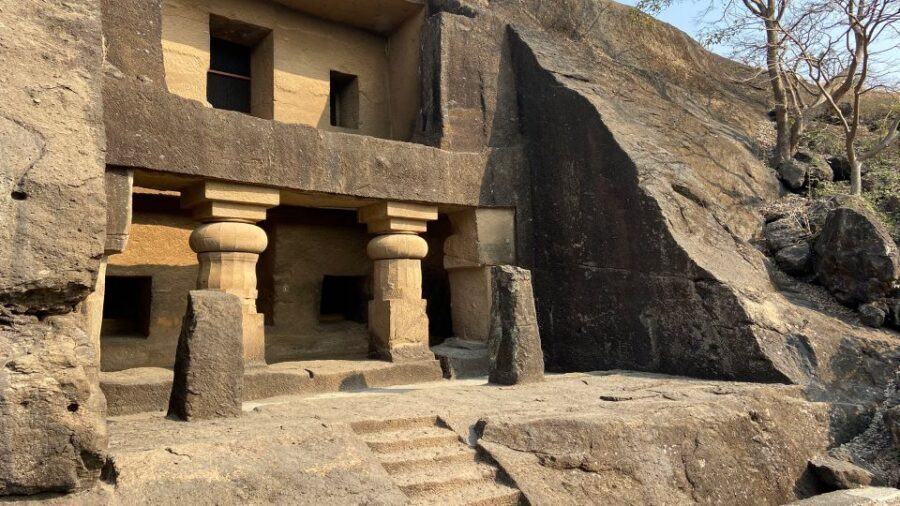
Kanheri Caves sit deep in the park and date back to the 1st century BCE. That age matters. When you see the caves, you’re not looking at replicas or “inspired-by” ruins—you’re looking at spaces that were carved for Buddhist learning and meditation.
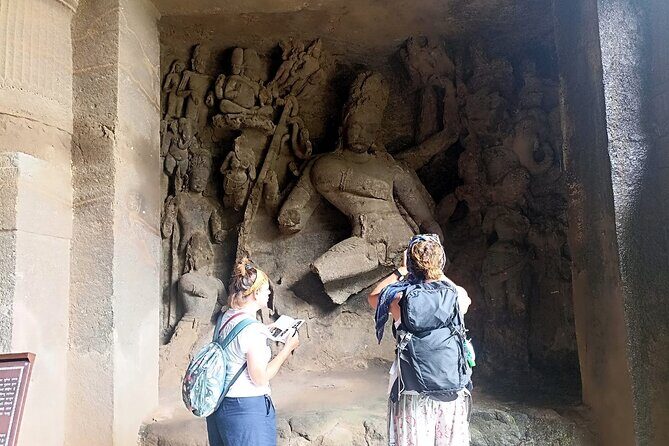
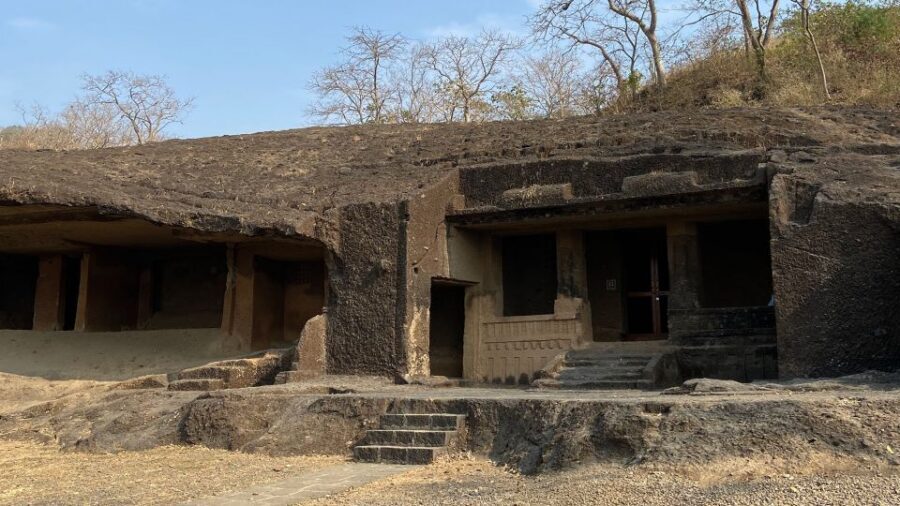
Your walk through Kanheri is typically guided, with stops that explain what you’re seeing. The key terms your guide uses—chaityas (prayer halls) and viharas (monastic cells)—help you understand the design instead of just admiring it. You’re looking at carved chambers, shaped by skilled artisans who worked with solid basalt rock.
What makes Kanheri memorable is the mix of art and information:
- Intricate sculptures that decorate the cave interiors
- Ancient inscriptions that connect the caves to people and periods long gone
- The overall calm of the complex, where the rock itself sets the tone
The pace is active. Reviews mention that caves can be spread up slopes with stairs and uneven ground, so you should plan to walk and climb steadily. One person described it as a lot of steps and slopes but not impossible—just expect it to take time. If you’re wearing shoes with grip, you’ll feel safer and enjoy the stop more.
Having a guide like Shivam or Kavita changes everything
At Kanheri and at the pagoda, your guide isn’t just there to keep you on schedule. The best guides turn stone into context.
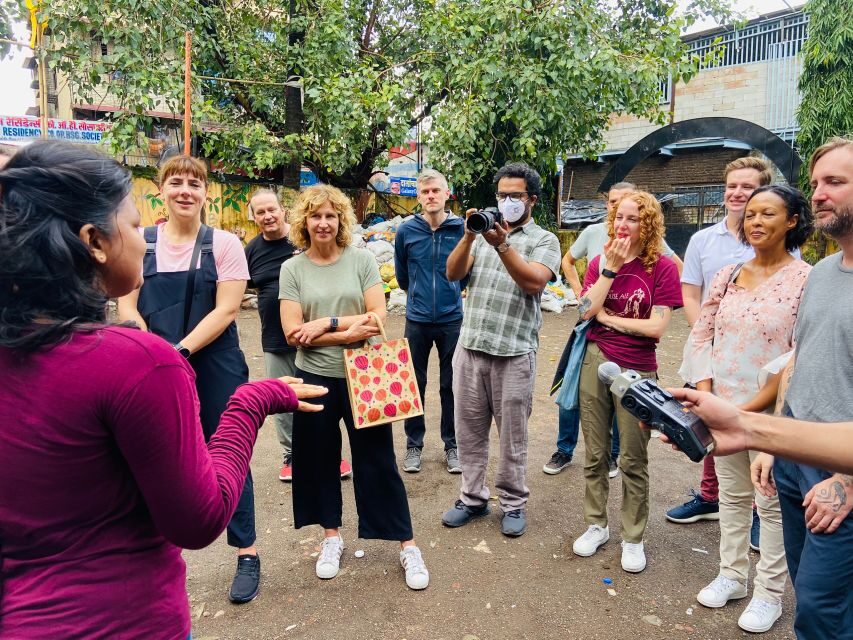
Several guides stood out in real-world feedback—Shivam at Kanheri, Kavita leading cave and pagoda explanations, and Aryan or Nikhil guiding both sites with clear storytelling. People specifically praised guides for explaining history and the daily reality of how monks lived around these spaces.
So here’s the practical takeaway: if you’re the type who wants your photos to come with meaning, this tour format is worth it. You can focus on looking—your guide translates what you’re seeing into a story you can carry with you.
One more detail: you’ll typically spend a couple hours at Kanheri with guided sightseeing. That time window is important because it lets you slow down. If you rush, cave art becomes “pretty shapes.” If you’re given context, it becomes a readable design.
Reaching the Golden Vipassana Pagoda (and why the approach feels special)
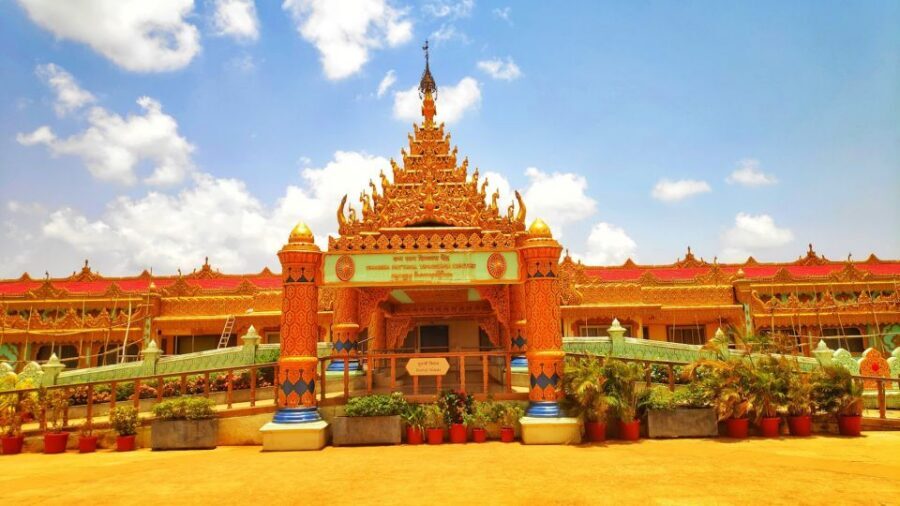
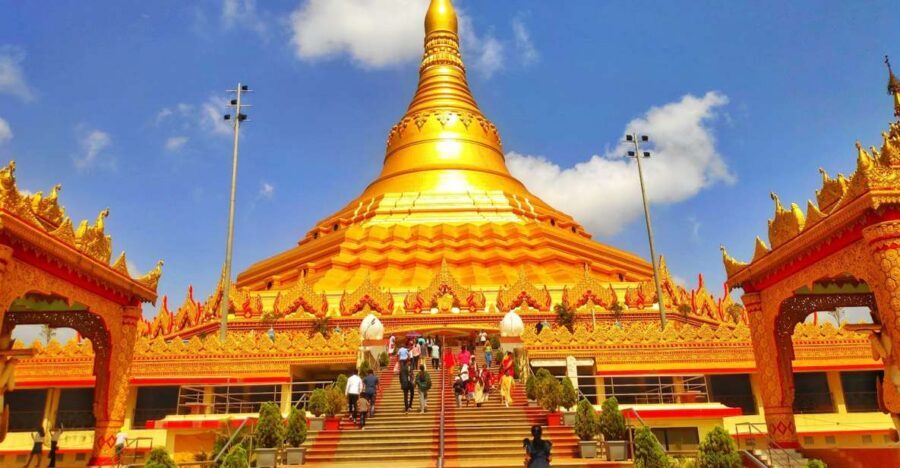
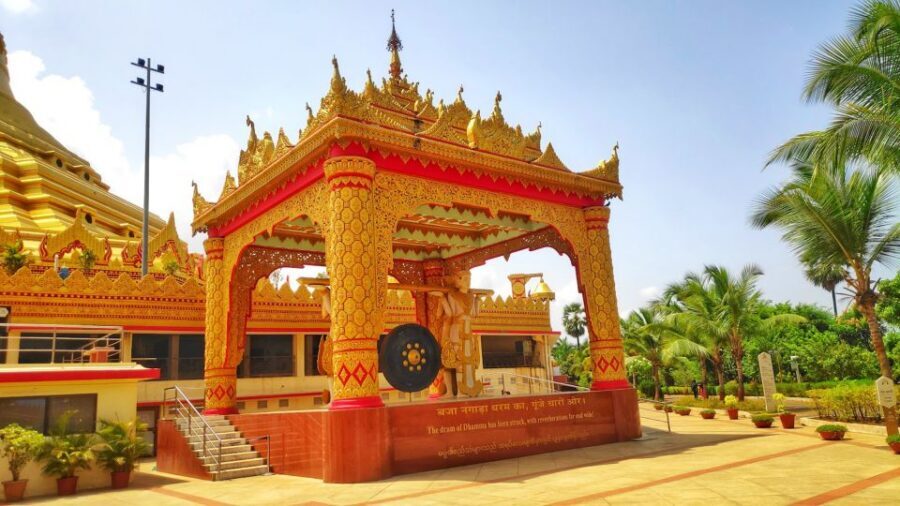
After Kanheri, you head to the Golden Vipassana Pagoda. The pagoda is known for its large golden dome and a calm, meditative presence that contrasts with busy city life. One reason this stop hits is the arrival feeling: it’s not just walking into a temple yard; it feels like a destination built for quiet.
A few people noted that getting to the pagoda can involve a short river cruise and some walking afterward. Even if the exact route varies day to day, the point is consistent: the journey to the pagoda adds atmosphere. It turns the travel segment into part of the experience, like a bridge from the caves’ darkness into a brighter, golden space.


Summit views: Mumbai and the Arabian Sea from above

Once you’re at the Golden Vipassana Pagoda, you’ll have time to walk and explore. The big draw is the panoramic view from higher up—Arabian Sea horizons and Mumbai’s skyline spread out in a way that feels different from typical city viewpoints.
But there’s also a very real consideration: this is an outdoor, sun-exposed site. One person advised going early because the pagoda area can be hot and exposed. If you tend to get uncomfortable in direct sun, plan your timing carefully and use sun protection.
You’ll also be climbing. A lot of people mention steps—one review called out a climb that is worth it for the views. Again, the tour works best when you treat it like a walking day, not a quick photo stop.
Inside the pagoda: the meditation hall and the Lord Buddha idol
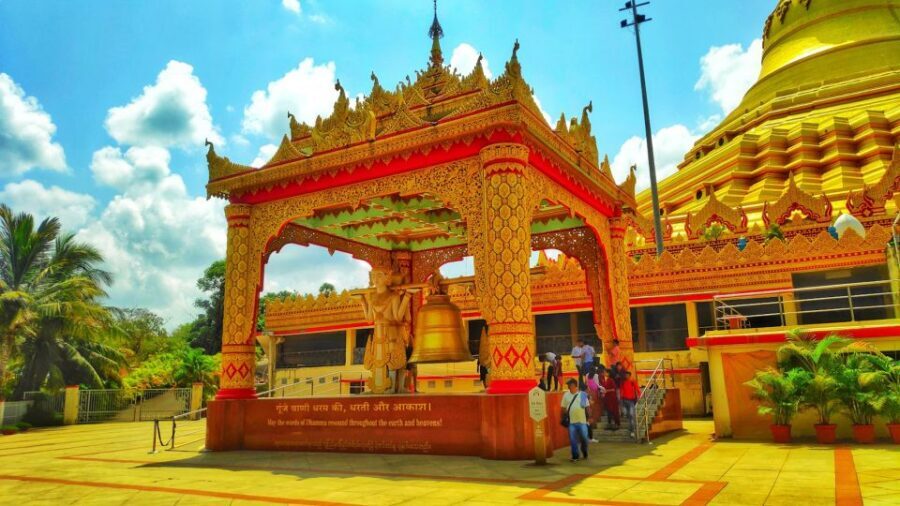
The Golden Vipassana Pagoda isn’t only for looking. You can go inside and see the meditation hall, known for intricate stone carvings and a large golden Lord Buddha idol.
This part matters because it ties the day together. Kanheri shows Buddhism carved into rock as a place for learning and monastic life. The pagoda shows Buddhism as a living practice—Vipassana meditation—with a focus on self-awareness and inner harmony.
Your guide’s role here is practical: they explain Vipassana in plain language and connect it to modern life. The most useful thing you can get from that explanation is not a “belief debate,” but a mental tool. Even if you don’t meditate, understanding what Vipassana aims to cultivate helps you experience the space without feeling lost.
Some schedules include a short guided meditation session (people have mentioned around 10–15 minutes). If you get that moment, keep it simple: treat it as a reset. It’s one thing to read about meditation; it’s another to do a short practice in a hall built for it.
Time on the clock: how long this day can really take
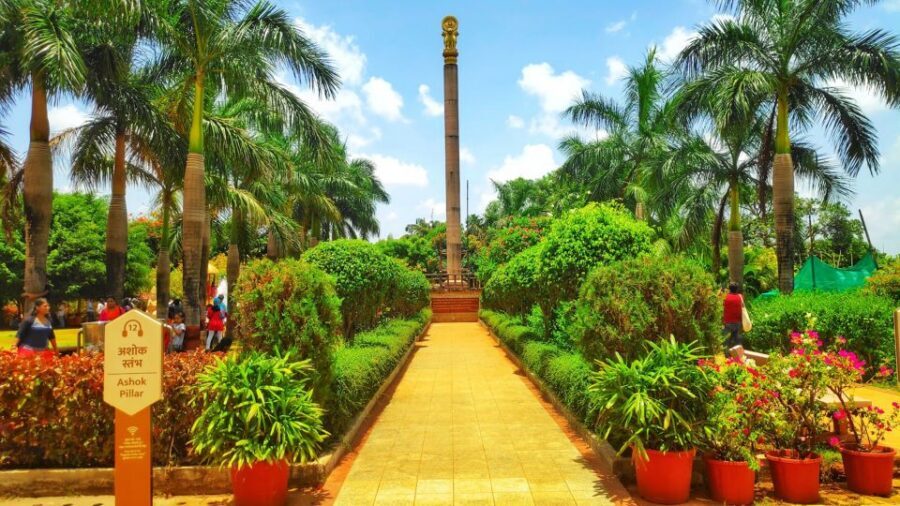
The listed duration is flexible (about 3.5 to 7 hours), and that range matters because Mumbai traffic and walking time can change the feel of the day. One person reported a much longer day, running from late morning into the evening, and said it felt too long for them.
So I recommend planning with a buffer mindset. If you’ve got dinner reservations or a tight schedule, build in extra slack. If you don’t, this can feel like a satisfying full day of quiet culture—especially because you leave the city and then return with a totally different perspective.
The tour is also private-group based, which generally helps. You’re not stuck waiting for lots of different pace levels inside the caves. Your guide can adjust pacing more easily, and your time at each site tends to match the stop goals.
Transport and comfort: AC car, private group, and skip-the-line value
You’re picked up and dropped off from options in Mumbai, and you travel in an air-conditioned vehicle. Entry tickets and transport fees are included, and the tour is set up to skip the ticket line, which is a real time-saver when you’re on a schedule.
Private-group format is also part of the value equation. If you’ve ever been stuck behind someone who moves slowly (or runs ahead), a private guide can make a big difference in a place with stairs and narrow cave interiors.
What to bring is straightforward: comfortable shoes. That’s not just a generic note—here it directly affects how much you enjoy Kanheri’s uneven walk and the pagoda’s climb.
Price and value: is $43 per person worth it?
At about $43 per person, the value comes from what’s bundled. You’re paying for:
- An English-speaking tour guide
- Entry tickets and transport fees
- Hotel pickup/drop-off (optional)
- Air-conditioned vehicle
- A private group format
- Ticket-line time savings
If you tried to do this on your own, you’d still face the costs of getting out to Sanjay Gandhi National Park, paying for entry, and paying for a guide if you want real context for the caves. You’d also spend more time figuring out the route and pacing.
So the way to decide is simple: if you want guidance that explains both Kanheri and Vipassana in a way you can actually use, this price can feel fair. If your priority is spending as little as possible, one review suggested alternatives like tuk-tuk for getting there cheaper—so you’d be trading cost for convenience and clarity.
Who should book this day tour?
This tour fits best if you want a calm, cultural day with a spiritual focus.
You’ll likely enjoy it most if:
- You’re curious about Buddhist sites and want explanations that connect art to meaning
- You want to escape Mumbai’s noise for part of the day
- You like guided pacing in places where walking and steps matter
- You enjoy a mix of ancient ruins and a functioning meditation site
It may be less ideal if:
- You struggle with stairs and uneven ground (both stops involve climbing/walking)
- You’re sensitive to heat and want minimal sun exposure
- You’re trying to keep the day under tight time limits, since the schedule can run long
If you’re going solo, the private format can also feel reassuring. Several people specifically noted safety and smooth organization with the driver and guide team.
Should you book it or skip it?
I’d book this tour if you want two major Mumbai cultural experiences in one day—and you care about understanding what you’re looking at, not just taking pictures. The combination of Kanheri Caves’ ancient carved spirituality and the Golden Vipassana Pagoda’s meditation focus gives the day a satisfying arc.
Book with a practical mindset:
- Wear shoes you can climb in.
- Plan for sun and steps, especially at the pagoda.
- Give yourself time buffer for traffic and walking, since the day can stretch.
If those points sound good to you, this is an excellent use of limited time in Mumbai.
FAQ
FAQ
What’s the duration of the tour?
The tour duration is listed as about 3.5 to 7 hours, depending on availability and your selected start time.
Does the tour include hotel pickup and drop-off?
Hotel pickup and drop-off are optional. If you choose it, the guide and driver meet you at your accommodation pickup and return you to the drop-off point at the end.
Where do we meet the guide?
You meet the guide at the main gate of Sanjay Gandhi National Park near the ticket counter.
Is this tour only in English?
Yes. The tour includes an English-speaking live guide.
What’s included in the price?
All entry tickets and transport fees are included, along with hotel pickup/drop-off (if selected), and travel in an air-conditioned vehicle.
Do we skip the ticket line?
Yes, the tour includes skipping the ticket line.
Is meditation part of the experience?
The tour focuses on Vipassana meditation and the pagoda’s meditation spaces. Some participants have mentioned a short guided meditation experience as part of the visit.
What should I bring?
Wear comfortable shoes, since you’ll be walking and climbing steps at the sites.
Can I cancel and get a refund?
The tour offers free cancellation up to 24 hours in advance for a full refund.