REVIEW · MUMBAI
Private Slumdog Millionaire Tour in Dharavi with Slum Visit
Book on Viator →Operated by Magical Mumbai Tours · Bookable on Viator
Dharavi is not a movie set. This private 3-hour walk in Dharavi pairs tough-on-the-eyes industry with real neighborhood life, guided by people who know the streets.
I especially like the way the route is split into commercial and residential areas, so you see both the work that keeps money moving and the living spaces where routines happen. And I like that the guides bring personal credibility; I’ve seen mentions of locals such as Pooja and Ravi guiding in a way that feels practical, not performative.
One drawback to keep in mind: like any small-group tour, timing can wobble. There’s an example of a no-show and another of the tour getting cut short due to a gate delay, so build a little flexibility into your day.
Key points before you go
- Private guide, private pace: it’s only your group, so you can ask questions without feeling rushed
- Commercial Dharavi first: recycling, small factories, bakeries, and clothing work you can actually see up close
- Residential walk through narrow lanes: you’ll spend real time in the parts of Dharavi that are tight and lived-in
- Safety-focused guidance: guides are described as getting you around smoothly and confidently
- Comfort matters: it’s a walking tour, so wear shoes you can trust for lots of pavement changes
- Value for the money: for $37.20, you’re paying mainly for a guided, local, 3-hour route
In This Review
- Entering Dharavi: why this private tour feels different
- Meeting at Mahim and the 3-hour route that makes sense
- Commercial Dharavi: recycling and factory work you can see up close
- Residential Dharavi: narrow lanes, daily life, and schools
- What I really value: guides who know the streets and answer real questions
- Safety and comfort: what to expect on a walking slum tour
- Price and value: why $37.20 can be a fair deal
- Group size and private pacing: easier to ask questions
- Tips for making the most of your 3-hour visit
- Who this tour is best for
- When things go wrong: what to watch for
- Should you book Magical Mumbai Tours for Dharavi?
- FAQ
- Is this a private tour?
- Where does the tour start?
- How long is the tour?
- Is pickup offered?
- What’s included in the tour price?
- What kind of tour is it—walking or driving?
- Is the meeting point near public transportation?
- Can service animals join the tour?
- What kind of access will I get to Dharavi?
- Can I get a full refund if I cancel?
Entering Dharavi: why this private tour feels different
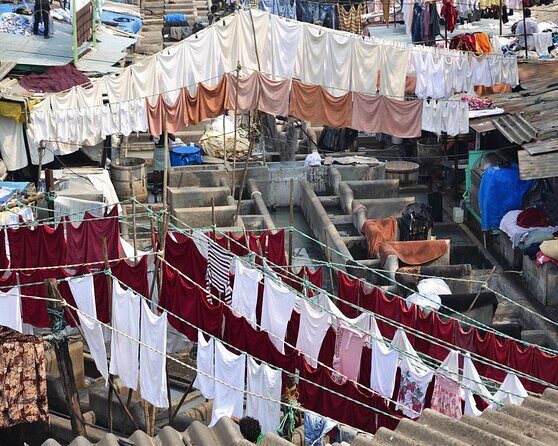
Dharavi can sound like one big “slum tour” pitch. But this experience is built around something more useful: a guided walk through two real zones—where people work and where they live.
You’re not just looking at buildings. You’re watching small-scale industry that turns waste into materials, and you’re hearing how schooling and everyday culture fit into cramped streets. The film connection exists, but the bigger payoff is human-scale understanding.
Meeting at Mahim and the 3-hour route that makes sense
The tour starts in Mahim, with the meeting point at Third Wave Coffee, Tip Road, Unit no.58, Ground, Ram Mahal, Senapati Bapat Marg, Marinagar Colony, Mahim, Mumbai, Maharashtra 400016. It’s close to public transportation, and pickup is offered if that helps you manage Mumbai traffic.
Once you’re with your guide, the idea is simple: walk, learn, and move through areas you’d struggle to access on your own. The total time is about 3 hours, and the tour returns you back to the meeting point.
Because you’re moving on foot, you should treat this like a neighborhood stroll with stops—not a sit-and-watch tour. That’s why comfortable shoes are a must, not a suggestion.
You can also read our reviews of more private tours in Mumbai



Commercial Dharavi: recycling and factory work you can see up close
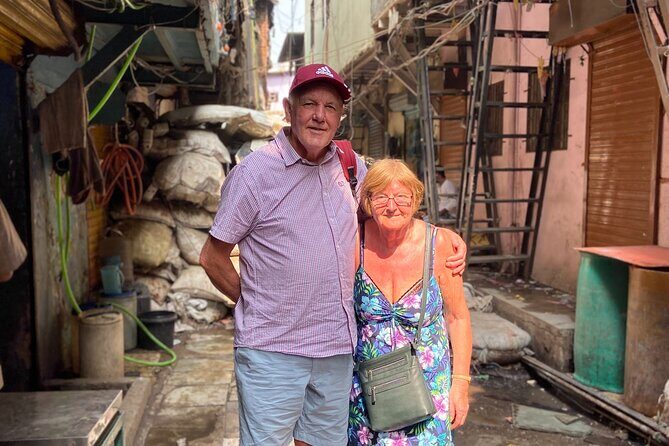
The tour’s first big section focuses on the commercial area. You’ll follow your guide through businesses tied to recycling and production, where the work is constant and the scale is smaller than what most people imagine for “industry.”
Expect to see examples of:
- Plastic recycling and making new plastic products from processed materials
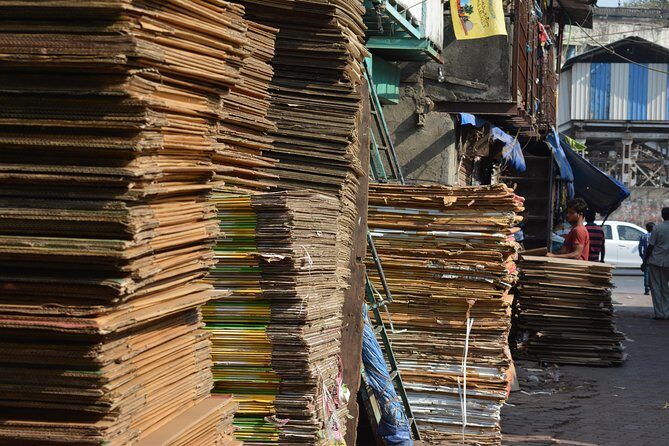
- Aluminum and paper recycling, including cardboard processing
- Oil paint can recycling
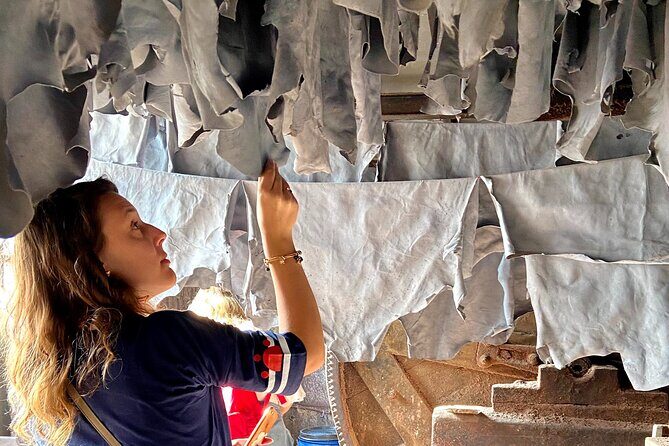
- Leather-related work, plus bakeries and clothing-related production
- Luggage bag manufacturing and other small factories
This part matters because it shows how income is built. Dharavi isn’t just a place people pass through; it’s an ecosystem of jobs that keep materials circulating. When your guide explains the workflow, you start seeing the logic behind what looks chaotic from far away.
Residential Dharavi: narrow lanes, daily life, and schools
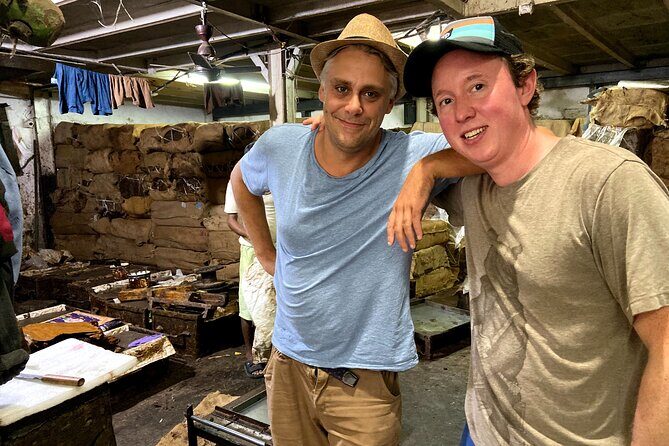
After the commercial area, the route shifts into the residential side. This is where the tour changes tone from “industry” to “life,” and where you’ll likely feel the differences in space fast.
You’ll walk through very narrow alleys, and your guide will help you understand how people live in places that have to do more with less. You should expect discussion around local culture and how daily routines work in tight quarters.
Schools also come into the picture. Even if you don’t go inside formal spaces, you’ll hear how education fits into community life. In my view, that’s one of the most important parts to ask about, because it turns the topic from statistics into decisions families make every day.
What I really value: guides who know the streets and answer real questions
This is a private tour, and that makes the guide a central part of the value. The difference shows up in how smoothly you move, how confidently the guide handles questions, and how comfortable you feel walking in unfamiliar, crowded lanes.
Guides such as Pooja and Ravi are specifically noted for being engaging and informative, with a safety-first approach to getting around. One example that stands out is a guide described as living in the slum area and showing visitors their home—an indicator of real connection, not staged storytelling.
That personal link often changes how a conversation flows. Instead of feeling like you’re collecting facts, you start building context: how recycling work fits into housing, how families navigate constraints, and what daily life looks like beyond the stereotypes.
Safety and comfort: what to expect on a walking slum tour
A slum visit can sound intimidating before you’re there. The most practical way to think about this tour is like a guided neighborhood walk with busy streets.
Here’s what your comfort checklist should focus on:
- Wear comfortable shoes for a walking tour with uneven surfaces and tight lanes
- Carry a small amount of water needs in mind, but note bottled water is included
- Keep your expectations flexible on timing, because narrow routes and entrances can affect how long you can stay in one area
- Plan for close quarters. Even with a private group, parts of Dharavi are tight and active
I also like that the tour notes service animals allowed and that the meeting area is near public transportation, which helps if you’re moving through Mumbai on your own schedule.



Price and value: why $37.20 can be a fair deal
At $37.20 per person for about 3 hours, you’re mostly paying for two things: a local, English-speaking guide and a route that you’d likely struggle to piece together independently.
This includes:
- Private guided tour with an English speaking guide
- Bottled water
- An admission ticket included
- A mobile ticket option
- Pickup offered (when you arrange it)
When it works, the guide saves you from the hardest part of solo touring: figuring out where to go, how to ask questions, and how to move respectfully through active neighborhood spaces. For short stays in Mumbai, that matters more than you might expect.
If you’re doing Dharavi anyway, going private is usually the move. It tends to make the visit calmer and more tailored, especially if you’re the kind of traveler who likes to ask why, not just see what.
Group size and private pacing: easier to ask questions
This is explicitly a private tour/activity, meaning only your group participates. That changes the feel right away. You can linger where your guide is explaining something important—like how recycling processes move material from one step to another—without slowing down strangers.
It also helps with questions. When people feel listened to, the tour stops being a one-way lecture and turns into a conversation about how work, family life, and community systems connect.
Tips for making the most of your 3-hour visit
Even with a well-run private tour, your attitude matters. Here are a few ways to get more out of the time.
First, go in with curiosity about how systems work. This tour shows recycling and small production lines, but the bigger learning comes from understanding the chain of tasks and how money moves through daily effort.
Second, be ready for a change of pace. The first half is commercial work; the second half is residential streets. If you treat it as two different mini-tours, you’ll follow the story better.
Third, ask about the everyday. People and places aren’t just conditions; they’re decisions. When your guide points out schools and local culture, follow up with questions on how families plan around limited space.
Who this tour is best for
This is a strong fit for:
- First-time visitors who want more than photo stops and a quick overview
- Repeat Mumbai travelers who want a different angle than the usual city sights
- People who like walking tours and learning through small, practical observations
It may be less ideal if you need a very predictable, low-walking day or if you’re seeking only broad sightseeing with minimal discussion. This is about neighborhoods and work, and it asks you to pay attention.
When things go wrong: what to watch for
I’m going to be straight with you: timing and communication can be an issue with any tour that depends on local access and gate schedules. There’s an example of a complete no-show with no communication, and there’s also an example of the tour being cut short due to delays getting through a gate.
So do two things:
- Keep your Dharavi slot flexible if possible
- Have a backup plan for the rest of your day in case the schedule shifts
When the tour runs well, it’s a highlight. When it doesn’t, it’s disruptive. That risk is part of the deal with real-world neighborhood tours.
Should you book Magical Mumbai Tours for Dharavi?
If you want a 3-hour private look at Dharavi that connects work, recycling, and daily living, this is the kind of tour I’d recommend. The strongest version of it is guided, organized, and safety-minded, with guides like Pooja and Ravi standing out for making the walk feel understandable and respectful.
If you’re the type who needs perfect schedule certainty, it might stress you out. With that in mind, I’d book it only if you’re okay with some travel-day friction and you’re choosing it for learning value, not just checking a box.
FAQ
Is this a private tour?
Yes. It’s a private tour/activity, and only your group will participate.
Where does the tour start?
The start is at Third Wave Coffee, Tip Road, Unit no.58, Ground, Ram Mahal, Senapati Bapat Marg, Marinagar Colony, Station, Mahim, Mumbai, Maharashtra 400016, India.
How long is the tour?
The tour lasts about 3 hours.
Is pickup offered?
Yes, pickup is offered.
What’s included in the tour price?
You get a private guided tour with an English speaking guide, bottled water, and an admission ticket is included.
What kind of tour is it—walking or driving?
It’s a walking tour, and the tour information specifically suggests wearing comfortable shoes.
Is the meeting point near public transportation?
Yes, it’s near public transportation.
Can service animals join the tour?
Yes, service animals are allowed.
What kind of access will I get to Dharavi?
The tour focuses on parts of Dharavi that are difficult to access independently, including commercial recycling areas and residential areas with narrow alleys.
Can I get a full refund if I cancel?
You can cancel up to 24 hours in advance for a full refund. If you cancel less than 24 hours before the experience starts, the amount paid will not be refunded.