REVIEW · MUMBAI
Private Full Day Mumbai City Sightseeing & Dharavi Slum Tour
Book on GetYourGuide →Operated by Mumbai Excursions · Bookable on GetYourGuide
Mumbai can feel like it never stops, and this tour makes it make sense. You’ll hit major icons like Gateway of India and Chhatrapati Shivaji Maharaj Terminus, then shift gears to a guided walk through Dharavi, Asia’s largest slum. It’s a rare one-day contrast that helps you understand Mumbai as both monument and neighbor.
I like two big things here. First, the private setup with hotel pickup and drop-off keeps the day smooth, especially when you’re squeezing in a lot of stops. Second, the Dharavi portion is handled thoughtfully by a guide (I saw names like Sneha and Varsha come up), and the experience can leave you thinking about resilience in a practical, human way—not just sightseeing.
One consideration: this is a full day with lots of short stops, plus a 2 to 2.5 hour walking segment inside Dharavi. If you hate walking or you need long breaks, you’ll want to plan your energy (and wear comfortable shoes).
In This Review
- Key highlights you’ll feel the moment you start
- City landmarks first: Gateway of India, the Taj, Colaba, and CSMT in one arc
- Markets and spice streets: Crawford Market’s shopping focus
- Big-city institutions and sea views: Oval Maidan, Marine Drive, and Hanging Gardens
- Gandhi and Mumbai’s memory: Mani Bhavan plus the political landmarks
- Religious landmarks, colonial-era churches, and local temples: Afghan Church, Jain Temple, and more
- Dhobi Ghat and Malabar Hill: morning-ish views and a different kind of city rhythm
- The Dharavi shift: a 2–2.5 hour walking tour that changes how you see the city
- Price and time: why $26 can make sense (and when it won’t)
- Guide quality is the difference between seeing and understanding
- Practical tips so your day runs smoothly
- Should you book this Mumbai City + Dharavi day?
- FAQ
- What is the duration of the Private Full Day Mumbai City Sightseeing & Dharavi Slum Tour?
- Does the tour include hotel pickup and drop-off?
- Is this a private tour?
- What language is the tour guide?
- Are entry tickets and transportation included?
- Is food included in the price?
- How long is the Dharavi walking portion?
- What should I bring for this tour?
- Is there free cancellation?
Key highlights you’ll feel the moment you start
- Door-to-door convenience with an AC car, plus hotel pickup and drop-off
- Icon-to-local contrast: Gateway, CSMT, Marine Drive, and then Dharavi on foot
- Market time built in, including Crawford Market spice and dry-fruits areas
- Gandhi context at Mani Bhavan, with guided time to slow down and understand
- Well-run guide handoffs, including clearly credited guides like Sahil, Neha, Sneha, and Varsha
- Dharavi feels safe with the right guide, and the tone is respectful and reassuring
City landmarks first: Gateway of India, the Taj, Colaba, and CSMT in one arc

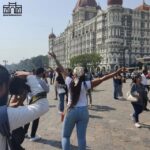
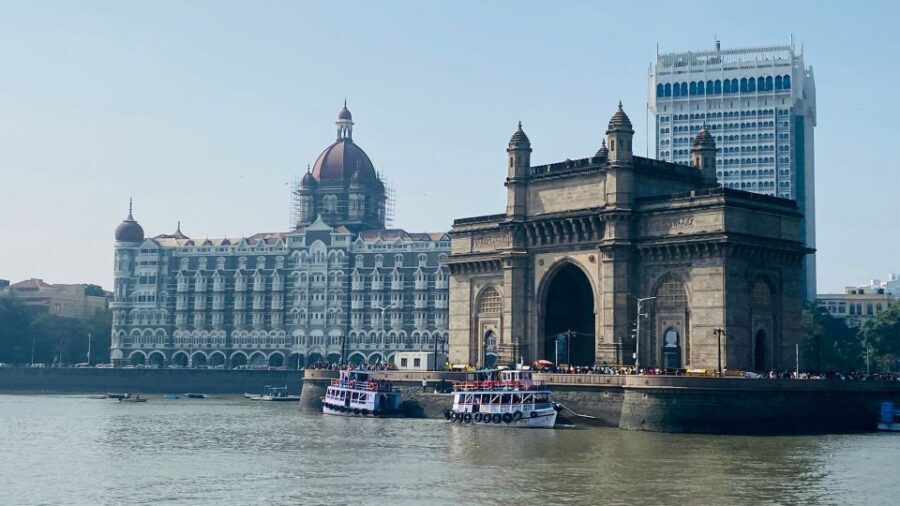
This tour starts by getting you oriented fast. You’re collected from your hotel, then pushed right into the Mumbai “greatest hits” zone: Gateway of India, then The Taj Mahal Palace, and onward to Colaba. Each stop is guided and time-boxed (you’re not stuck forever at one photo spot), which helps if you’re only here for a short window.
At Gateway of India, you’re given guided sightseeing time, then you move on. That matters because Mumbai photography can turn into an all-day detour if you don’t have a plan. Here, the guide’s structure helps you see the landmarks without losing the thread of the day.
Next is The Taj Mahal Palace, also with guided time. You’ll feel the shift in mood right away: from a public monument to a landmark that signals Mumbai’s global connections. It’s a quick stop, but it gives you context before you head into the busier shopping lanes.
Colaba is where the day starts to feel lived-in. You get guided time and shopping time, which is useful because it’s easier to bargain and choose items when someone explains the options and pacing. If you want souvenirs that don’t feel like a last-minute scramble, this is a good moment to handle them.
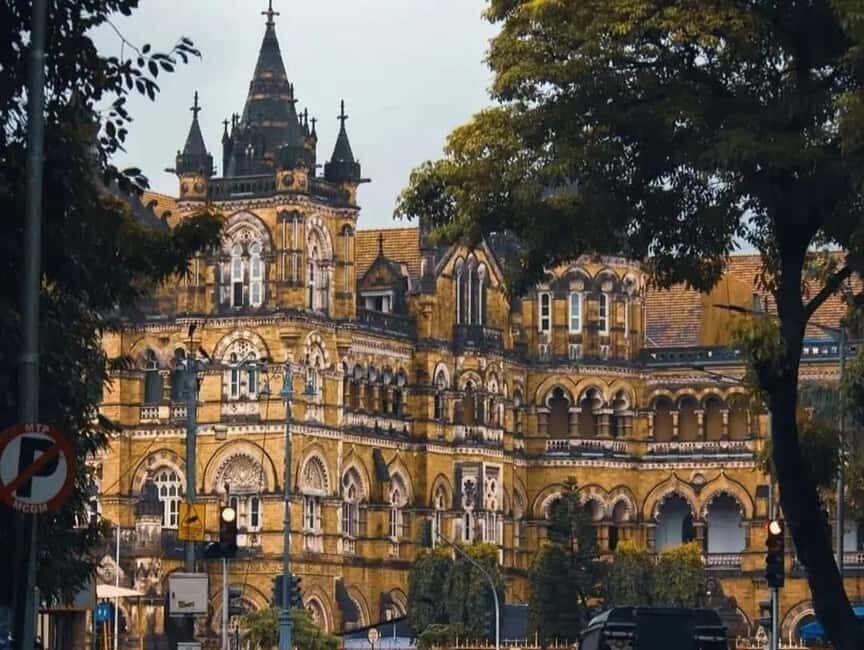
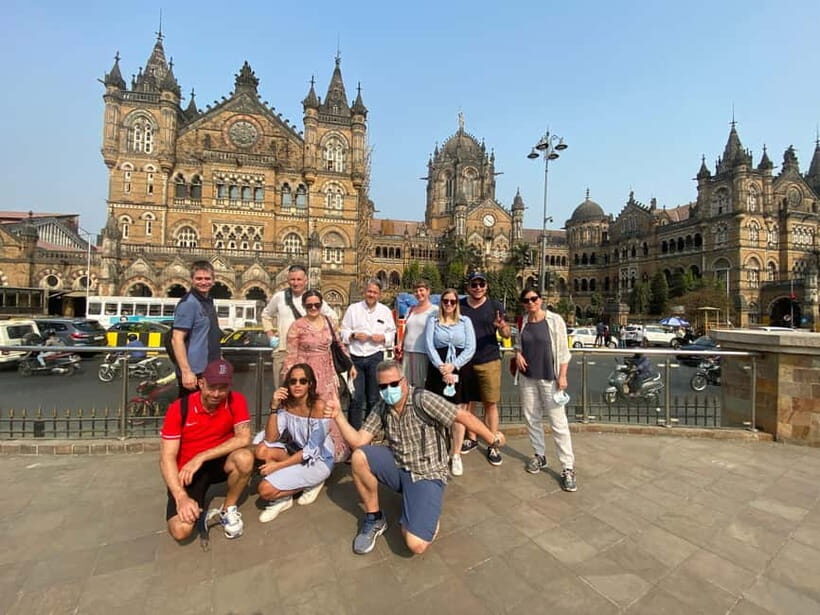
Then comes Chhatrapati Shivaji Maharaj Terminus (CSMT) with guided sightseeing. This is one of those stops where timing works in your favor. You get guided time, so you don’t just see the facade—you get a bit of interpretation and framing. It’s also a solid anchor point in the day: after coastal monuments and shopping streets, CSMT gives you a sense of scale and momentum.
You can also read our reviews of more city tours in Mumbai


Markets and spice streets: Crawford Market’s shopping focus
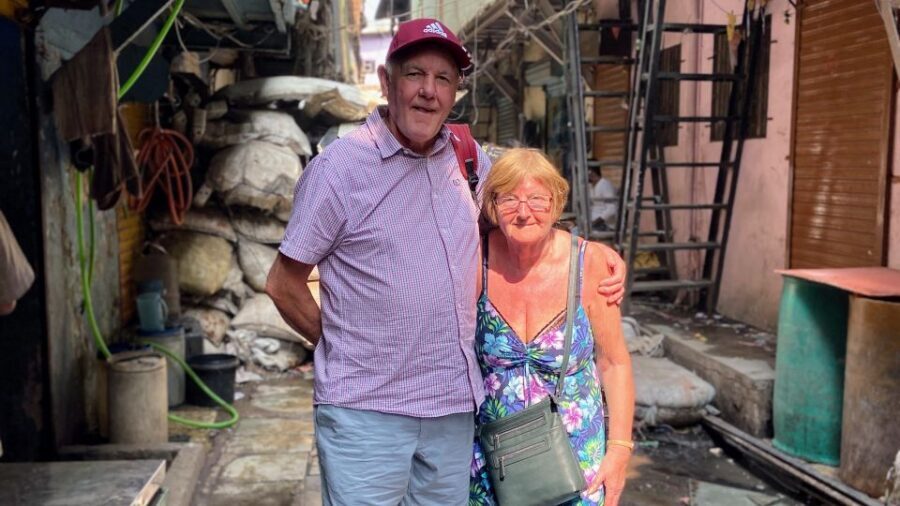
After the big landmark block, you shift into the sensory chaos of markets. The highlight here is Crawford Market, guided with a longer stretch of shopping time and a focus on categories like spices, dry-fruits, and more. This is practical Mumbai shopping, not just browsing.
Why I think this is smart: market time is most valuable when you’re not rushed. A guide can help you understand what you’re looking at—what’s commonly bought as gifts, how people typically shop, and what to expect from stall-to-stall pricing. You’ll also be able to ask straightforward questions in English, since the tour runs with an English-speaking guide.
One thing to note: the tour doesn’t include food and drinks. If you get hungry while moving through markets, you’ll need to handle snacks on your own. The upside is flexibility—you can choose what suits your pace and preferences.
Big-city institutions and sea views: Oval Maidan, Marine Drive, and Hanging Gardens
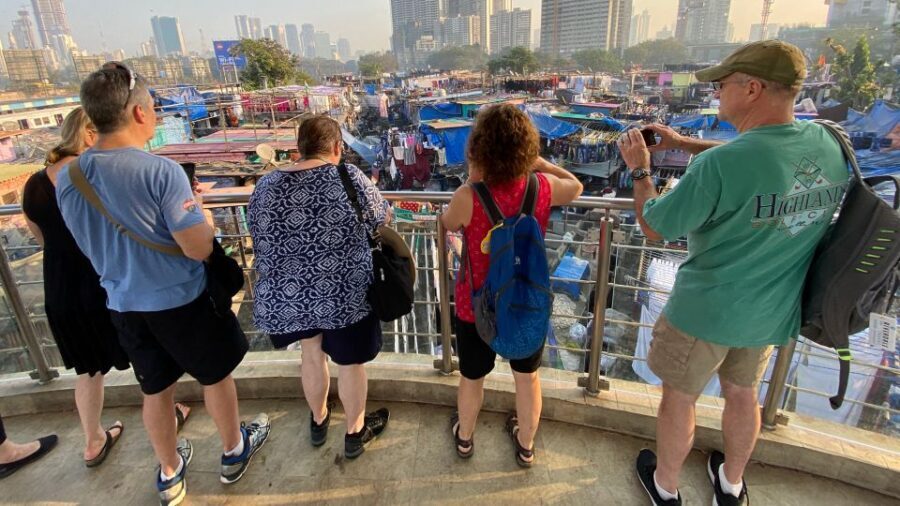
From the historic and shopping zones, the tour pulls you into the administrative and scenic sides of Mumbai.
You’ll see places like Mumbai University and Oval Cricket Ground with guided sightseeing time. Even if you’re not a cricket superfan, these stops help explain why certain neighborhoods and promenades feel “official” in layout while still belonging to everyday life.
Then you hit the sea-view rhythms of Marine Drive, with guided scenic time on the way. This is one of those places where the guide’s route planning matters. You’re not just walking in circles chasing viewpoints—you’re getting a guided path with quick perspective stops that keep the day efficient.
A bit later, there’s Hanging Gardens with guided sightseeing time. Again, it’s not presented as a long sit-down experience. It’s more like a well-timed perspective break, giving you a higher vantage point after streets and markets.
If you like cities where viewpoints and architecture are part of the story, this section delivers. If you prefer fewer stops, you might feel the pace—but the structure is what keeps it doable in one day.
Gandhi and Mumbai’s memory: Mani Bhavan plus the political landmarks

One of the most meaningful parts of the route is Mani Bhavan, with guided time. This stop gives the tour a “pause button.” It’s also timed after several high-energy sights, so it helps you process what you’ve seen rather than rushing from one photo to the next.
Along the way you’ll also pass or stop near civic and government-related landmarks like Bombay High Court, City Parliament, and Governor’s House (all with guided time or scenic driving time depending on the segment). These aren’t just random name drops. In a city like Mumbai, they help you understand how the built environment layers older and newer power centers.
This is also where private guide time can matter. You can ask follow-up questions as you go, especially when the route crosses from colonial-era icons into institutions tied to modern governance.
Religious landmarks, colonial-era churches, and local temples: Afghan Church, Jain Temple, and more
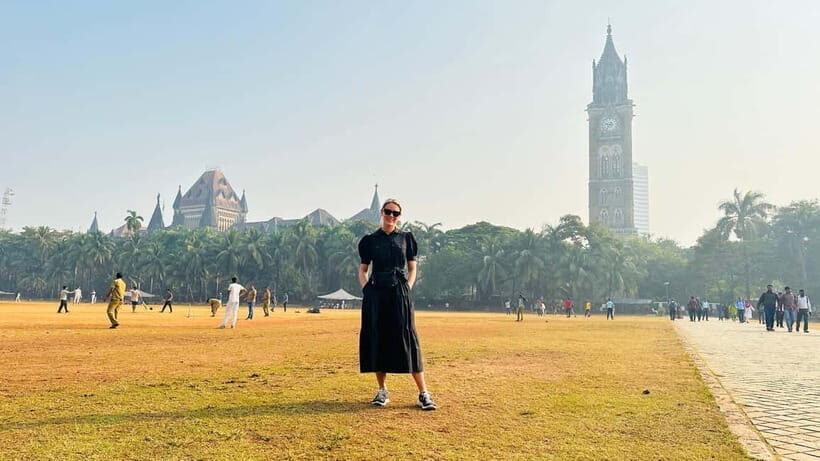
Mumbai’s identity shows up in its places of worship, and this tour includes a few. You’ll see stops such as Afghan Church and a Jain Temple, plus other church-related viewpoints and drives like the Bombay High Court area and related city segments.
You’re not asked to force a religious visit if you’re uncomfortable. Instead, you get guided sightseeing time that focuses on what the buildings represent in the city’s story. For me, that’s the sweet spot: respect without pressure, context without turning it into a lecture.
This section can be especially good if you enjoy cities where culture isn’t separate from daily life. Even when you’re just doing quick stops, these sites give you a different angle on how communities have shaped Mumbai over time.
You can also read our reviews of more private tours in Mumbai




Dhobi Ghat and Malabar Hill: morning-ish views and a different kind of city rhythm

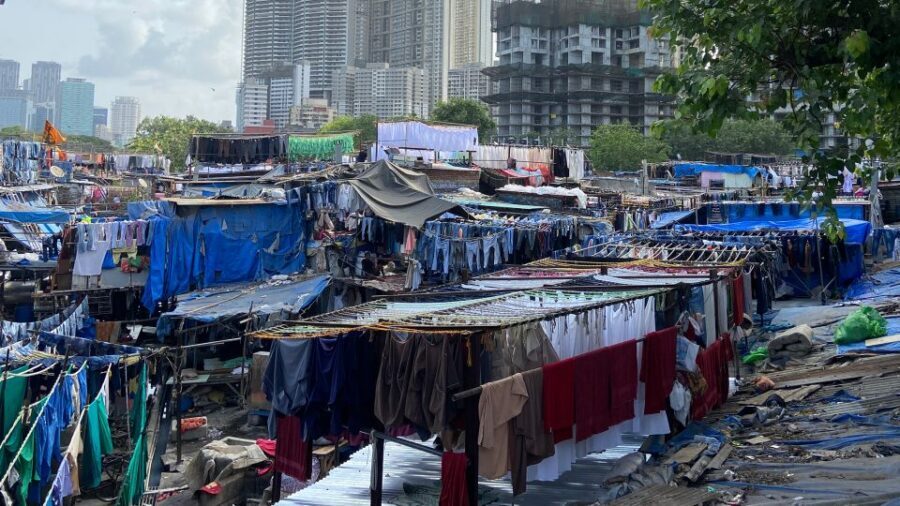
Later in the day, the route includes Dhobi Ghat with guided sightseeing time and scenic views on the way. It’s paired with time planning that helps you keep moving without turning it into a frustrating chase for the perfect angle.
Then the tour swings toward Malabar Hill with guided sightseeing and scenic driving time. Malabar Hill changes the feel of the day again. Instead of dense street clusters and landmark crowds, you get a more “panoramic” city mood—useful if you want your photos to show both scale and calm.
I like this pacing because it prevents the day from becoming one long blur. You get contrasts: monument → market → civic → scenic → community.
The Dharavi shift: a 2–2.5 hour walking tour that changes how you see the city
This is the part most people remember for a long time. After the city tour, you either get lunch time if needed, or you head straight to Dharavi. Then it’s a 2 to 2.5 hour walking tour inside Dharavi.
There are two things I’d want you to know before you go. First, this is a walking experience, so comfortable shoes aren’t optional advice—they’re survival gear. Second, you’re there to see the area through a guide’s framing, not to treat it like a spectacle.
The tone of the Dharavi visit matters. In guide-led experiences I’ve seen described with names like Sneha, the conversation stays respectful and reassuring, including guidance around safety. One of the strongest takeaways from actual experience feedback is that it can feel safe when you’re with the guide, and that the visit doesn’t have to feel uncomfortable. The kindness of people you meet can also stick with you long after the tour ends.
What makes it valuable: you’re not just learning that Dharavi exists. You’re understanding why it’s part of Mumbai’s functioning world. Even if you don’t leave with all the answers, you’ll leave with better context for how the city works—past and present, visible and overlooked.
Price and time: why $26 can make sense (and when it won’t)

At $26 per person for a private day with hotel pickup and drop-off, an AC car, entry tickets, and toll/parking fees included, this can be good value—especially if you’re trying to cover a lot of ground without paying separate guide fees for the city and Dharavi.
The “watch-outs” are about your own priorities:
- If you want long, unhurried stays at a small number of sites, the day might feel tight because the stops are frequent and often around 15–30 minutes.
- If food is a big part of your travel day, remember food and drinks aren’t included. You’ll need to budget for meals or snacks.
- If you dislike walking, the Dharavi segment may be tough. It’s part of the core of the experience.
If your goal is a structured, high-coverage day with strong guided interpretation, this pricing can work well.
Guide quality is the difference between seeing and understanding
This tour stands out because the guide approach is consistently emphasized. I saw multiple guide names tied to positive experiences, including Sahil for a full package of Mumbai context, Neha and Hasan for efficient landmark coverage, Ismael as the driver for a professional, smooth drive, and Sneha and Varsha for the Dharavi portion.
That’s not just nice to hear. In practice, a guide shapes your day in three ways:
1) They keep the route logical so you don’t waste time.
2) They answer the questions that pop up when you see strange-but-important buildings.
3) They set the tone for sensitive places like Dharavi.
If you’re the type who likes to ask questions as you go, a private setup gives you more room to do that.
Practical tips so your day runs smoothly
A few things that matter on this particular route:
- Wear comfortable shoes. Dharavi is a walking block, and the rest of the day includes lots of quick transitions.
- Bring a light layer if you get cold in the AC car. Mumbai can be warm, but cars can swing chilly.
- Plan to handle lunch and drinks on your own since they’re not included.
- If you’re traveling with limited time, this is a useful option because you can cover major sights and still include Dharavi without extra booking.
Should you book this Mumbai City + Dharavi day?
I’d recommend booking if you want one day that gives you both the headline Mumbai sights and the community reality of Dharavi, with an English-speaking guide and private logistics that keep the day moving.
I’d think twice if you:
- want fewer stops and lots of free time,
- don’t want to walk for 2–2.5 hours,
- or need a day with meals and downtime fully built in.
If you fall somewhere in the middle—curious, respectful, and ready for a structured day—this tour is a strong match.
FAQ
What is the duration of the Private Full Day Mumbai City Sightseeing & Dharavi Slum Tour?
The tour lasts about 4.5 to 7.5 hours, depending on the starting time and how the day runs.
Does the tour include hotel pickup and drop-off?
Yes. The guide and driver meet you at your hotel’s car pickup and drop-off point.
Is this a private tour?
Yes. It’s listed as a private group.
What language is the tour guide?
The tour guide is English speaking.
Are entry tickets and transportation included?
Yes. The tour includes entry tickets, toll, and parking fees, and you travel in an AC car.
Is food included in the price?
No. Food and drinks are not included.
How long is the Dharavi walking portion?
The Dharavi slum tour is a walking tour of about 2 to 2.5 hours.
What should I bring for this tour?
Bring comfortable shoes for the walking portion inside Dharavi.
Is there free cancellation?
Yes. You can cancel up to 24 hours in advance for a full refund.