REVIEW · MUMBAI
From Mumbai: Half-Day Elephanta Caves Tour with Ferry Ride
Book on GetYourGuide →Operated by India Tour · Bookable on GetYourGuide
Caves carved from stone, reached by ferry. The best part here is the ferry ride from Gateway of India and the sheer scale of Cave 1’s Trimurti sculpture, a 20-foot three-faced figure that anchors the entire UNESCO site. Just keep one thing in mind: Elephanta Caves are closed every Monday, so you need to plan your Mumbai dates around that.
What I like about this half-day format is that it’s structured enough to feel easy (especially if you’re new to Mumbai), but flexible enough for you to pause for photos, wander the island, and even add a short hill walk. One more consideration: it’s listed as not suitable for pregnant women, and you should expect walking on uneven paths and some stairs.
In This Review
- Key things that make this tour worth your time
- Elephanta Caves: why this UNESCO site hits harder than you expect
- The Gateway of India ferry ride: views plus real-world time savings
- Getting from the jetty to the caves: walk, toy train, and the hill factor
- Cave 1 and the Trimurti centerpiece: what you’ll actually notice
- Beyond the caves: museum time and island wandering
- The guides make the difference: Danish DK, Hamid, Fahad, and the island team
- Crowds, timing, and how to make the day feel easier
- Price and value: what $26 buys you in a real half-day
- Who this tour suits best (and who should skip it)
- Should you book this Half-Day Elephanta Caves Tour?
- FAQ
- How long is the Elephanta Caves half-day tour?
- What does the tour cost?
- Does the price include the ferry ride?
- Are the Elephanta Caves open every day?
- What transport is available once you reach Elephanta Island?
- Is hotel pickup and drop-off included?
- What language is the live tour guide?
- Is the tour suitable for pregnant women?
- Are pets allowed on the tour?
Key things that make this tour worth your time
- Gateway of India to Elephanta by ferry gives you real sea views and breaks up the day nicely
- Cave 1 Trimurti is the headline, with detailed deity carvings throughout the complex
- Multiple cave spaces (courtyards, pillars, smaller temples) mean you’re not seeing just one room
- Island time built in for museum time, a stroll, or relaxing with harbor views
- Guides reduce friction on the water and on the island, with helpers like Danish DK, Hamid, Fahad, Vaibhav, and Krishna showing up in past tours
- Plan for Monday closure so you don’t waste a key day in Mumbai
Elephanta Caves: why this UNESCO site hits harder than you expect
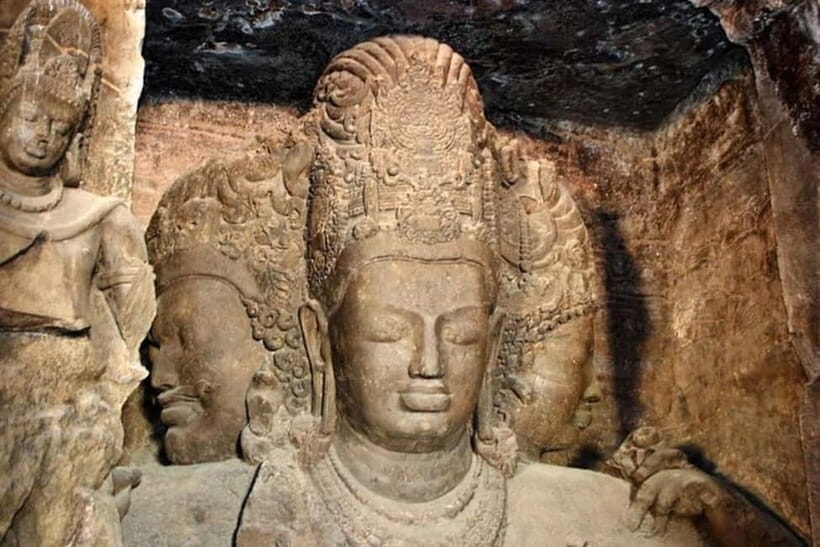
Elephanta isn’t just a stop; it’s an entire atmosphere. You start on Mumbai’s side of the Arabian Sea, then cross water toward an island where everything feels older and heavier—literally. The Elephanta Caves are famous for being rock-cut: temples and sculpture spaces that were carved into stone long before anyone cared about tour routes, signage, or crowd control.
What makes the site memorable is that the carvings aren’t random decoration. The caves are built around religious and myth scenes, including depictions tied to Indian mythology and even scenes connected to Buddha life. In other words, you’re not only looking at faces and figures; you’re reading stories.
Also, the physical scale matters. The complex includes a main showpiece—Cave 1—and once you’re inside, the size of what you’re seeing changes how you pay attention. A guided explanation helps a lot here, because it turns sculptures from “cool stone” into “this is why that pose, that weapon, that symbol exists.”
You can also read our reviews of more tours and experiences in Mumbai

The Gateway of India ferry ride: views plus real-world time savings
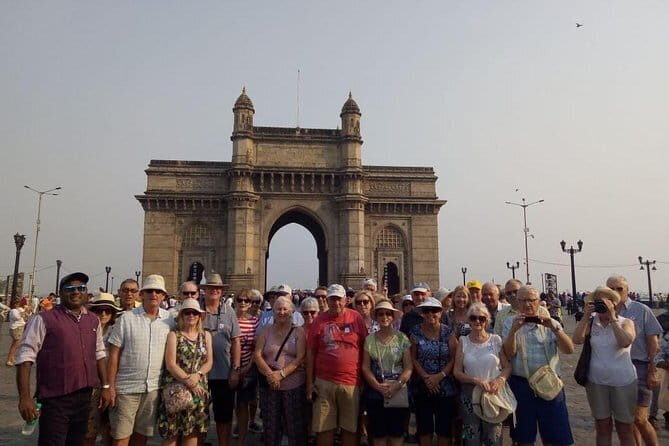
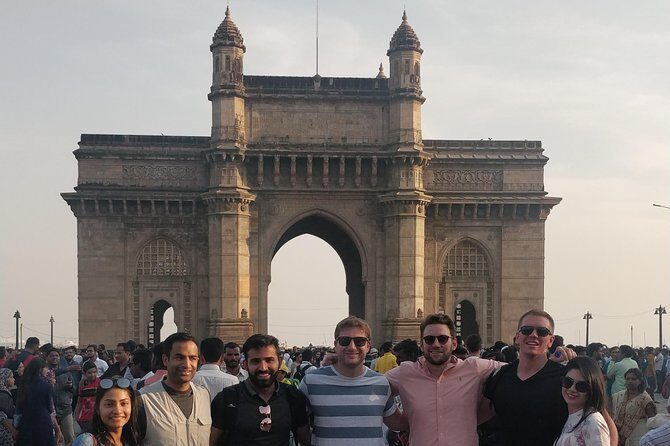
The ferry portion is one of the most practical parts of the day. You board at the Gateway of India, cross the Arabian Sea, and spend the trip with Mumbai’s coastline in view. Even if you’ve already seen plenty of photos of the harbor, the movement across open water makes the city feel bigger and more grounded.
Here’s why the ferry matters for value: this is where tours quietly earn their keep. Some past groups highlight how guides handled the pieces that can be confusing—like knowing where to go, getting ferry tickets sorted, and coordinating timing so you’re not wandering in crowds with your phone out like a lost tourist.
In multiple experiences, hosts such as Danish DK and Hamid were described as the sort of person who meets you at the Gateway area, then stays with you through the crossing and the handoff process. Others mention Fahad as a facilitator who’s communicative and on time. That’s not just “nice service.” It’s how you protect your half-day.
If you’re someone who dislikes standing in line, you’ll probably appreciate how guides help you get through gates and onto the boat faster than you might manage alone. One review even notes savings on time by knowing the route through busy lines during crowded dates.
Getting from the jetty to the caves: walk, toy train, and the hill factor
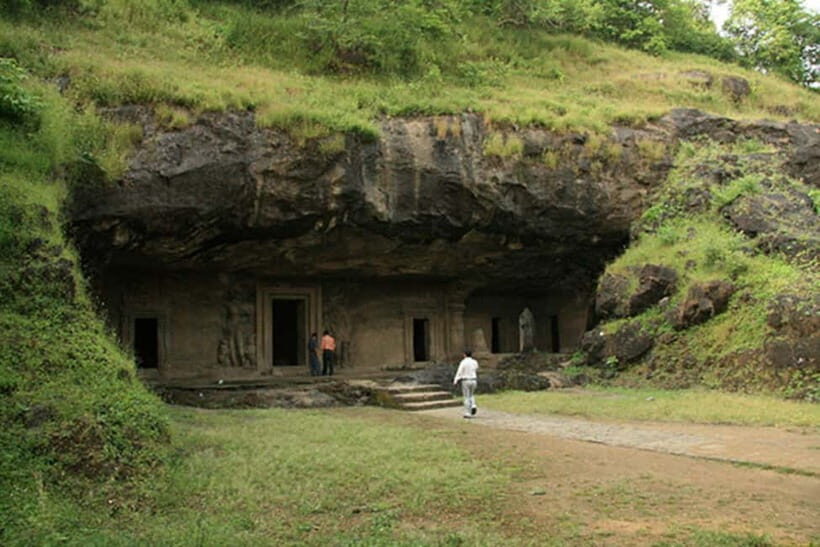
Once you arrive at Elephanta Island, you have choices right away: you can walk from the jetty or ride a small toy train. That matters more than it sounds, because the caves sit at the top of the island’s gentle stretch of climb. If you’re traveling with mobility limits or you just don’t want to burn energy before you reach the sculptures, the toy train can make the day feel smoother.
From there, expect the “half-day” rhythm to be real: not a relaxed beach stroll. You’ll be moving from the dock area toward the main cave spaces, then returning to the ferry after the visit.
There’s also an optional adventure: a short hike up to Cannon Hill, with views over Mumbai’s harbor. I like this as an add-on because it gives you a second kind of perspective: you trade indoor stone carvings for a wider city view. It’s also a good way to take a breath between cave sections—just remember it’s still a hike, not a flat stroll.
Also, one practical heat note: Mumbai can be warm. Many tours include basics like a water bottle, and some guides bring extra help to stay comfortable.
Cave 1 and the Trimurti centerpiece: what you’ll actually notice
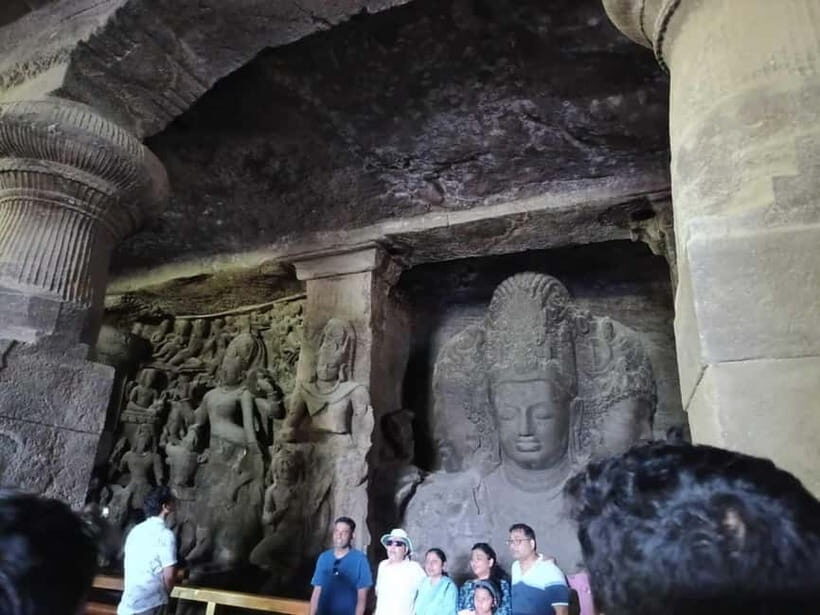
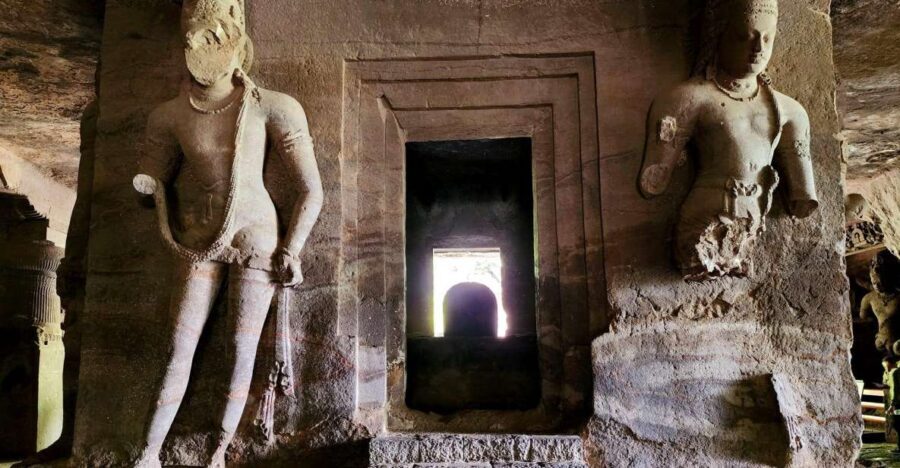
When people describe Elephanta’s “wow,” they’re usually pointing to Cave 1. This is where you’ll see the majestic Trimurti sculpture—described as a 20-foot-tall, three-faced figure (the tour information specifically identifies it as Lord Bhudha). Whether you read it as Trimurti or interpret it through your guide’s explanation, the effect is the same: a dominant form that organizes your attention as soon as you enter.
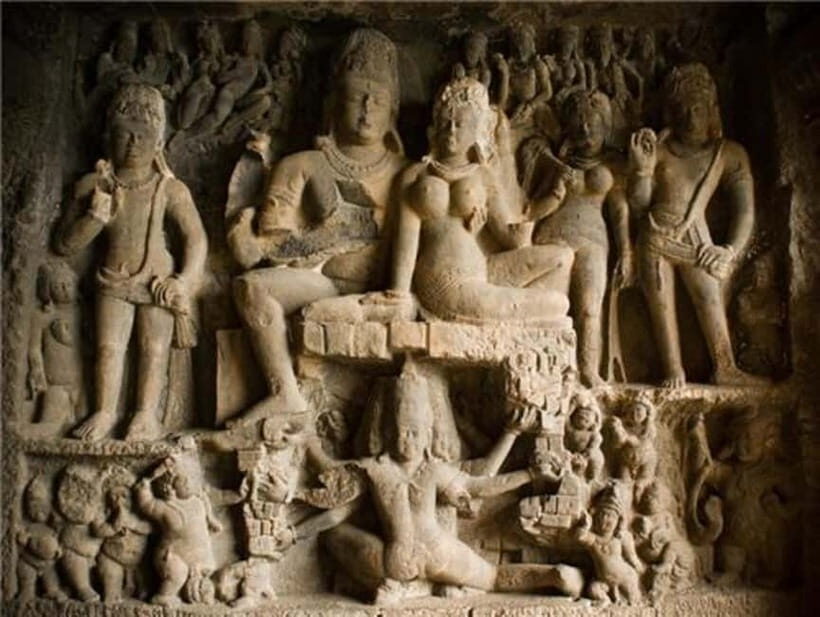
With a guide, you can also start spotting the craft details. The caves include intricate carvings of deities and myth scenes. The main sculpture is the anchor, but the surrounding figures and panel work turn the walls into a visual storybook. Without guidance, it’s still impressive—but guidance helps you slow down and identify what you’re seeing, instead of rushing through because you’re not sure where to look first.
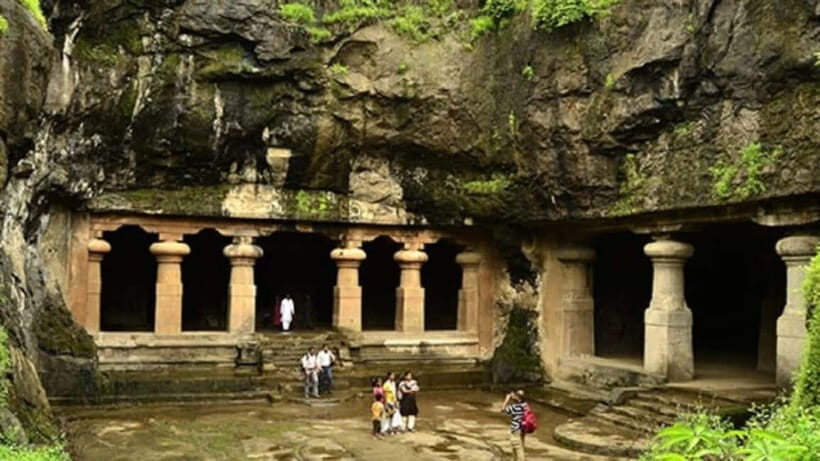
The other caves aren’t an afterthought either. You can explore smaller cave spaces with unique carvings, plus courtyards and pillars that show how early craftsmen structured these religious and ceremonial areas. One of the best parts of a guided route is that it keeps you from missing sections that you’d otherwise walk past.
Beyond the caves: museum time and island wandering
After the main cave route, your time expands slightly. You can stroll around Elephanta Island, and you may have the option to visit the museum for more background and context. This is helpful if you want to connect what you saw in the stone with the bigger story of the site and its era.
Even if you skip the museum, island wandering adds value. The harbor views and the change in scenery are a mental reset after close viewing indoors. It’s also when the half-day structure works well: you’re not stuck for hours in one place, and you’re not rushed out immediately.
A few experiences also mention photo-focused guidance—like help with taking good pictures in the right spot. If you care about images, it’s a good moment to ask your guide where to stand before the light shifts.





The guides make the difference: Danish DK, Hamid, Fahad, and the island team
Elephanta can feel like a “get in, get out” place, unless your tour setup is solid. What stands out in many accounts is that the tour experience is built around smooth handoffs and clear communication.
Common pattern:
- A host/facilitator meets you near Gateway of India and helps you get on the right ferry.
- On the island, you’re handed over to a cave guide for the sculptures and panel explanations.
In past experiences, facilitators such as Danish DK, Hamid, and Fahad are mentioned as professional, patient, and helpful—especially for getting you through gates and coordinating schedules. Some accounts credit specific people with guiding them to the top and managing timing so they don’t waste energy on the wrong route.
On the island, names like Vaibhav, Krishna, Dharmesh, and Saif appear as cave guides who explain details and help with photos. One highlight describes a guide who had been a cave guide for over 25 years, which tells you the cave instruction often comes from people who know the site deeply and work it every day.
Now for the balanced part: tips. One negative account describes an uncomfortable moment where a guide asked for a tip with a specific amount. That’s not the same as a general tour complaint, but it is a reminder to be mentally ready for tipping norms in India. If you’re cautious about that, carry small cash, keep the amount you’re comfortable with, and keep it matter-of-fact.
Crowds, timing, and how to make the day feel easier
This is one of those destinations where timing can change your day. The site can be crowded on certain holidays or busy dates. That’s also when having a guide who can manage lines and route choice becomes more than a convenience—it’s the difference between spending your energy on people-watching and spending it on the sculptures.
One piece of advice that shows up clearly: choose an early morning tour when you can. Less crowd pressure and cooler conditions make it easier to focus while you’re walking and viewing.
Even if your schedule is fixed, you can still act on the main idea: be ready for a lively day near popular departures from Gateway and be patient while you move through the island steps.
Price and value: what $26 buys you in a real half-day
At about $26 per person for a 4-hour outing, the value comes from what’s included:
- Hotel pickup and drop-off
- Local guide
- Entry ticket
- Ferry ride
- Water bottle
That package matters because Elephanta isn’t only about the caves. It’s also about getting there and back without burning your limited time. If you tried to DIY it—finding ferry times, handling tickets, arranging entry, and organizing the cave visit—you’d likely spend time you don’t have on a half-day.
The “half-day” format also helps your budgeting. Instead of turning one Mumbai day into a full-day mission, you get a concentrated experience: the ferry crossing, the main cave highlights (especially Cave 1), and return transportation.
So the question isn’t just whether $26 is cheap. It’s whether it’s priced fairly for a structured route that gets you on the water, into the UNESCO site, and back to your hotel with explanations along the way. For most short-stay visitors, it’s a good fit.
Who this tour suits best (and who should skip it)
This tour fits best if you:
- have limited time in Mumbai and want a focused UNESCO visit
- care about understanding what you’re seeing in rock-cut carvings
- like the idea of adding harbor views via the ferry and optional Cannon Hill
It’s not a fit if you:
- are pregnant, since it’s listed as not suitable
- travel with pets (pets aren’t allowed)
If you’re sensitive to stairs or uneven footing, consider the walking parts. You can use the toy train option on the island, but you’ll still be doing some movement around cave areas and paths.
Finally, if you dislike tipping conversations, keep your approach simple. Plan to be polite, but also be ready with a comfortable amount rather than reacting on the spot.
Should you book this Half-Day Elephanta Caves Tour?
Yes, if your goal is a high-impact, well-paced Elephanta visit from Mumbai. The ferry ride, the Cave 1 Trimurti centerpiece, and the structure that handles tickets and guide handoffs make this a smart choice for most first-timers.
Book it with extra care if you’re traveling on a Monday, since the caves are closed every Monday. Also, if you’re uncomfortable with the idea of tips during any portion of the tour, bring cash ahead of time and decide what you’ll give.
If you can choose your start time, lean toward the earlier option for calmer conditions. And when you meet your guide team—whether it’s a facilitator like Danish DK, Hamid, or Fahad, or an island cave guide like Vaibhav or Krishna—ask what to prioritize first in Cave 1. That question tends to instantly improve what you get out of the carvings.
FAQ
How long is the Elephanta Caves half-day tour?
The duration is 4 hours.
What does the tour cost?
It’s listed at $26 per person.
Does the price include the ferry ride?
Yes. The package includes the ferry ride from Mumbai to Elephanta and back.
Are the Elephanta Caves open every day?
No. The Elephanta Caves are closed every Monday.
What transport is available once you reach Elephanta Island?
From the jetty, you can either walk or ride a small toy train to reach the cave area.
Is hotel pickup and drop-off included?
Yes. The tour includes hotel pickup and drop-off.
What language is the live tour guide?
The tour guide works in English.
Is the tour suitable for pregnant women?
No. It is listed as not suitable for pregnant women.
Are pets allowed on the tour?
No. Pets are not allowed.