REVIEW · MUMBAI
Mumbai: Buddhist Kanheri Caves with Golden Pagoda Temple
Book on GetYourGuide →Operated by India Tour · Bookable on GetYourGuide
A quiet golden pause in Mumbai’s traffic. I like how this outing pairs Kanheri Caves (over 100 rock-cut Buddhist spaces) with the Global Vipassana Pagoda, where you’ll learn the basics of Vipassana meditation in a calm setting. The main drawback is physical: you’ll be walking—sometimes up top in heat—so comfortable shoes matter.
You’ll start early with hotel pickup (optional) and air-conditioned transport, then you’ll move through the caves at a human pace with a guide who points out the details most people miss. If the caves are on your must-do list, remember they’re closed every Monday and you’ll need a Plan B for that day.
In This Review
- Key things to know before you go
- Kanheri Caves: basalt caves, Brahmi inscriptions, and monastic life
- Sanjay Gandhi National Park photo stops: a breather between sacred sites
- Global Vipassana Pagoda: Golden architecture, peace symbolism, and meditation context
- The guides matter: what you’ll gain from names like Hamid, Fahad, and Abdul
- Price and logistics: why the $28 ticket can make sense
- Who this trip is for (and who should skip it)
- Should you book this Kanheri and Golden Pagoda tour?
- FAQ
- How long is the tour?
- Does the tour include hotel pickup and drop-off?
- What’s included in the price?
- Are there rules for entry at the pagoda? Are pets allowed?
- When are the Kanheri Caves closed?
- Can I get a full refund if I cancel?
Key things to know before you go
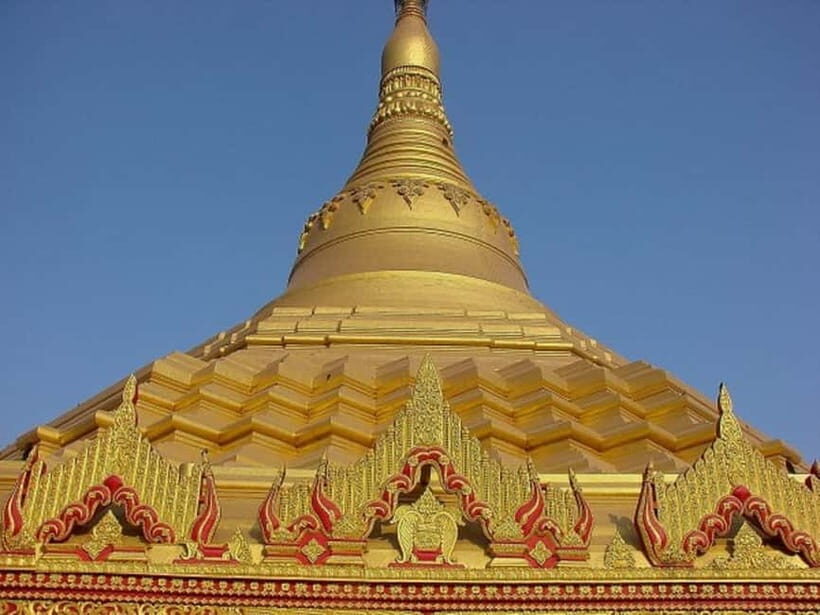
- Kanheri Caves on basalt rock: Expect prayer halls, meditation cells, monasteries, stupas, and carved residential areas.
- Vipassana focus at the Golden Pagoda: You’ll hear the philosophy and global meaning behind the practice.
- Skip-the-line access: You enter via a separate entrance, which helps when you’re on a time budget.
- Heat + walking: Even though the caves feel cooler once you’re inside, plan for a long day and bring water.
- Temple dress matters: You may be asked to cover legs inside the pagoda area—bring longer shorts or a light layer just in case.
Kanheri Caves: basalt caves, Brahmi inscriptions, and monastic life
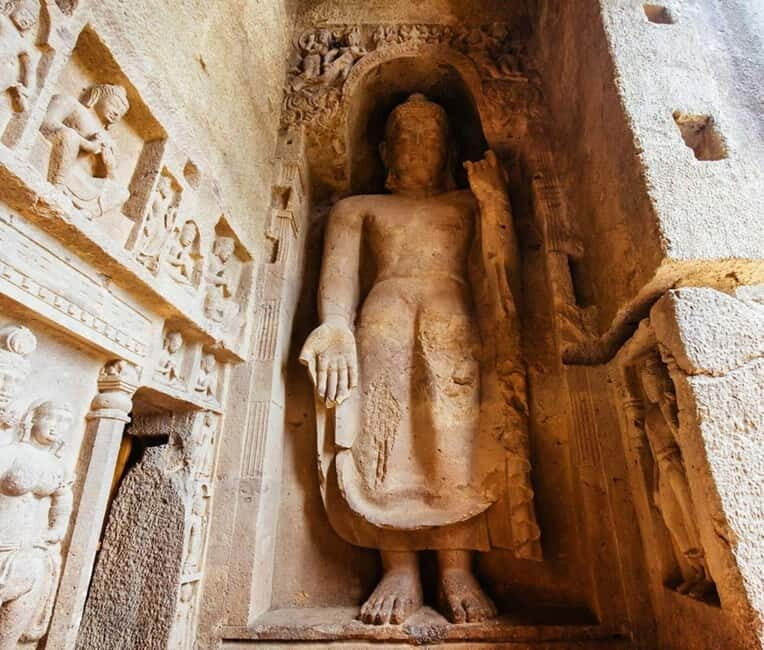
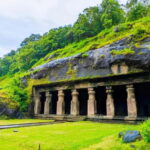
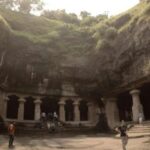
This is the kind of Mumbai day trip that flips your sense of time. You go from modern city energy into a rock complex carved into volcanic basalt, with a history stretching back to the 1st century BCE. The caves weren’t just places to worship—they were built for study, meditation, and living. That’s why the layout feels “purpose-built,” even now.
What you’ll actually see is a mix of sacred spaces and functional monastic rooms, including:
- Chaityas (prayer halls): Places designed for ritual and reverence.
- Meditation cells: Small, focused spaces that hint at daily practice.
- Viharas (monasteries): Areas tied to monastic life and routines.
- Stupas and carved halls: Stone structures used for spiritual symbolism and gatherings.
- Residential halls: Evidence that communities didn’t just visit—they lived there.
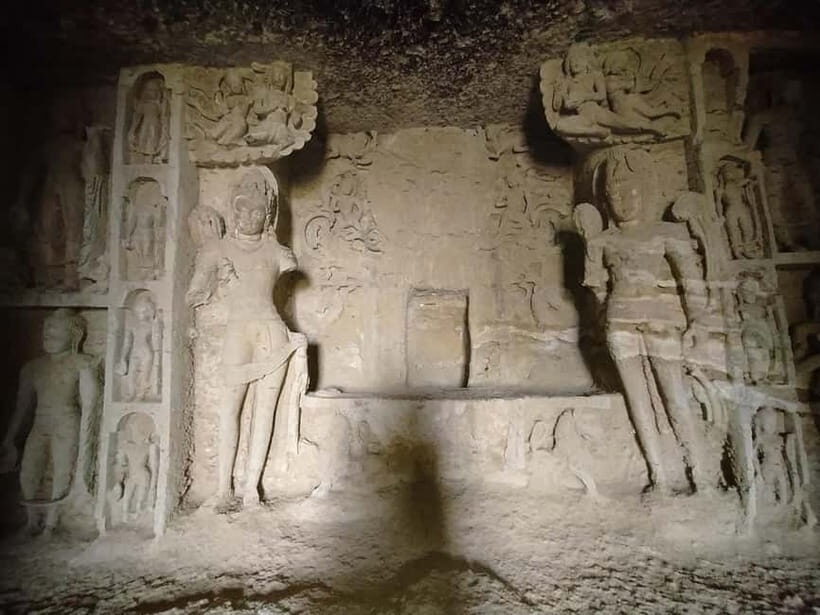
One of my favorite things about Kanheri is the amount of writing and art you can track. The carvings and sculptures connect to the spread of Buddhism in Western India, and you’ll encounter inscriptions in ancient Brahmi script. If you’ve ever stood in front of ancient text and wished you could ask what it says—this is where a guide earns their fee. Without interpretation, you can miss the significance of what looks like decorative stone.
There’s also a practical reality to the caves: you’ll walk between sections, and some spots involve steps and uphill stretches. A guide can help you prioritize what to see first, and that matters because heat can slow you down. Several people highlight that it’s worth it, but it can be warm once you’re higher up—so pace yourself, hydrate, and don’t treat this like a quick photo run.
You can also read our reviews of more tours and experiences in Mumbai.



Sanjay Gandhi National Park photo stops: a breather between sacred sites
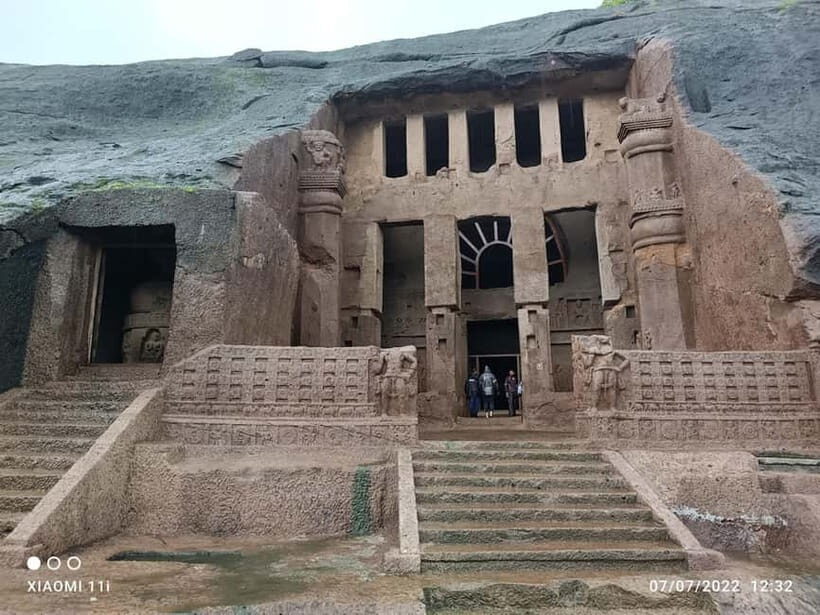
Your day doesn’t just hop from cave to temple with no pause. You’ll also pass through Sanjay Gandhi National Park, with a photo stop and time for sightseeing. It’s a good structural choice: you get a break from the long cave walk, and you can reset your eyes before you head back into a different kind of atmosphere at the Golden Pagoda.
Think of this part as the “glue” that makes the trip feel like a day, not two separate rush jobs. You’ll also get more chances for simple, practical checks—like refilling water or adjusting your clothing for the sun—before you reach Gorai Beach area later.
If you’re sensitive to walking in heat, this stop can help you manage energy. If you’re feeling strong, it’s a chance to enjoy views and keep the day moving.
Global Vipassana Pagoda: Golden architecture, peace symbolism, and meditation context
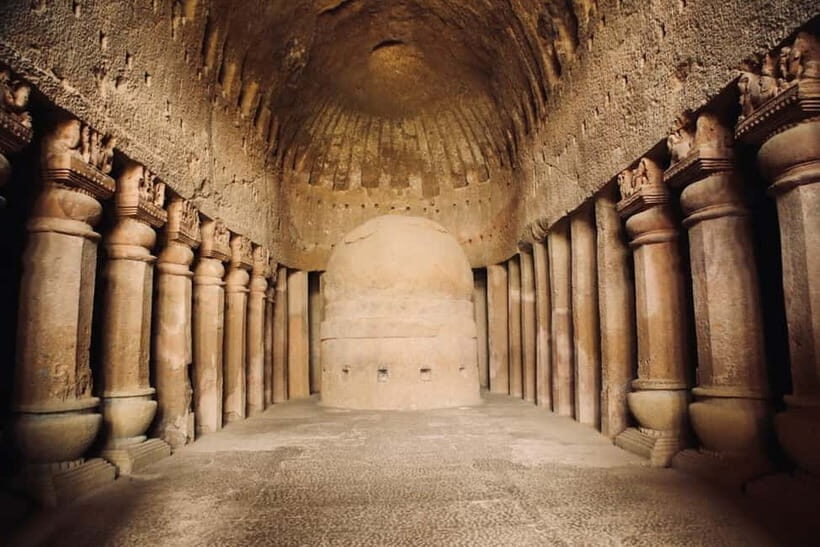
Then you shift gears to the Global Vipassana Pagoda, often called the Golden Pagoda Temple. This stop hits differently than Kanheri because it’s modern in scale and spiritual in tone. The pagoda is designed as a symbol of peace and harmony, and it’s meant to connect visitors to Vipassana meditation and its philosophy.
You’ll learn about how Vipassana is practiced and why it’s framed as a global movement. The architecture does a lot of the work here—bright, clean forms that create a sense of stillness once you’re inside the spiritual space. You’re not just looking at a monument; you’re getting the story behind why this style and setting exist.
Practical tip: temple rules can affect your photos and comfort. One of the useful bits from prior visitors is that shorts may not be accepted inside if they don’t cover legs. So if you’re visiting during warm weather, bring a light layer or pack something longer. It’s an easy fix that prevents last-minute stress.
You’ll also likely spend time simply being there. That’s the big value of including the pagoda after Kanheri: you don’t just come away with facts about Buddhism. You get a calmer mental landing where the topic becomes something you can understand, not just memorize.
The guides matter: what you’ll gain from names like Hamid, Fahad, and Abdul
This tour lives or dies on what happens inside the caves and at the pagoda. The difference is your guide. The strongest praise I see is consistent: people feel they learned meaning, not just dates and names.
At Kanheri, visitors specifically call out that without guide explanations, you’d probably miss details—paintings, carvings, and inscriptions. With a good guide, you’ll get help reading the space: where to look, why a particular carving matters, and how the caves functioned as a learning center and monastic community.
Guides you may encounter include Hamid, Fahad, and Abdul. The common thread in their approach is attention to small details and keeping things conversational. Some visitors also mention translation help for writings you can’t read on your own. If you care about Buddhist art beyond “pretty stone,” that interpretive layer is huge.
At the pagoda, the guide’s job shifts. Instead of explaining ancient architecture, they connect what you’re seeing to the basics of Vipassana meditation and its global significance. If you’re the type who asks questions in museums, you’ll probably enjoy this format—short explanations, then time to look, then back to questions.
Even the pacing seems to matter. Several people note the guides can keep the walking manageable and match the group’s comfort level. In a city where plans can get chaotic fast, that kind of calm structure is a real perk.
Price and logistics: why the $28 ticket can make sense
$28 per person is not a huge spend for a Mumbai day that includes transport, tickets, and guided time at two major sites. Here’s what you’re really paying for:
- Air-conditioned transport during the tour
- Pickup and drop-off if you choose the option
- Entry ticket access
- Bottled water
- All parking and charges
- Skip-the-line entry via a separate entrance
- English live tour guide
- Private group format
That package matters because it removes the two biggest trip-killers: navigation and ticket friction. You’re not trying to coordinate multiple entries yourself while managing heat and timing. Also, with a separate entrance, you reduce the chance of wasting time in queues.
The duration can run 4 to 8 hours, depending on the starting time and how you pace the stops. That wider range is your reality check: if you want a strict half-day, pick an early start and be ready to move at a steady clip. If you like slower sightseeing, treat it as a full morning-to-mid-afternoon reset.
One more key logistical note: Kanheri Caves close every Monday. If your calendar lands on Monday, don’t assume you can show up anyway. You’ll want to swap in another day or choose a different plan.


Who this trip is for (and who should skip it)
I think this tour works best for you if:
- You want a Buddhist sites day without spending hours researching routes.
- You like guided interpretation—especially for inscriptions and carvings.
- You want both “ancient stone” (Kanheri) and “meditation context” (Vipassana pagoda).
- You’re trying to break up Mumbai’s intensity with something cooler and calmer.
You might want a different option if:
- You’re pregnant (this tour isn’t suitable).
- You hate walking in heat, even with a guide and water. There can be a longer walk up top, and shoes matter.
If you’re traveling for a short trip and want maximum meaning per hour, this is a strong combo. If you’re the type who enjoys exploring purely on your own with no structure, you’ll still get to the sights—but you may miss some of the story because site explanations alone can be limited.
Should you book this Kanheri and Golden Pagoda tour?
If your goal is to see Kanheri Caves with context and end at a place where Vipassana meditation is explained in a peaceful setting, I’d book it. The value isn’t just the sites—it’s the guide-led meaning, the skip-the-line access, and the simple fact that hotel pickup and transport reduce the usual Mumbai friction.
Book it if you:
- Want a guided experience that makes carvings and inscriptions easier to understand
- Like a structured day that still gives you time to look
- Can do a fair amount of walking and handle warm weather
Skip or reschedule it if:
- You’re visiting on a Monday (caves are closed)
- You’re not comfortable with longer walking sections
- You need an activity that’s suitable during pregnancy
FAQ
How long is the tour?
The duration is listed as 4 to 8 hours, depending on the starting time and how the day runs.
Does the tour include hotel pickup and drop-off?
Pickup is optional. If you select it, a driver picks you up at your hotel, and you’ll be dropped off at the end of the tour (with drop-off options including Mumbai and the Sanjay Gandhi National Park ticket counter).
What’s included in the price?
The price includes air-conditioned transport during the tour, a live English tour guide, entry tickets, bottled water, skip-the-line access via a separate entrance, and all parking and charges.
Are there rules for entry at the pagoda? Are pets allowed?
Pets are not allowed. Also, you may need clothing that covers your legs inside the temple area, since shorts may not be accepted.
When are the Kanheri Caves closed?
The Kanheri Caves are closed every Monday.
Can I get a full refund if I cancel?
Yes. You can cancel up to 24 hours in advance for a full refund.