South Mumbai in four hours sounds impossible. Still, this small-group tour gives you a smart hit-list of landmarks plus a few everyday scenes, all from an air-conditioned ride.
I especially like how the guide keeps the pace real—enough time to look closely, ask questions, and get photos, without feeling trapped in a rigid script.
My second favorite part is the way the included visits anchor the trip. Mani Bhavan Gandhi Museum and Chhatrapati Shivaji Maharaj Vastu Sangrahalaya (Prince of Wales Museum) are more than quick look-and-go stops, and they make the city’s story feel connected. The one downside: with so many famous places in ~4 hours, some stops are brief, so you’ll want to prioritize what matters most to you before you start.
In This Review
- Key highlights you’ll feel on the day
- How this 4-hour group format actually works
- Colaba start: Gateway of India and a classic first photo
- Mahalaxmi Dhobi Ghat: seeing laundry as real work
- Taj Mahal Palace (exterior) and quick architecture breathing room
- South Mumbai institutions: University and Bombay High Court
- Kala Ghoda arts streets and the Prince of Wales Museum galleries
- Marine Drive: the Queen’s Necklace walk
- ISKCON Chowpatty: a calm pocket in the middle of sights
- Mani Bhavan Gandhi Museum: personal history, not just names on walls
- Malabar Hill pause: Hanging Gardens and Kamla Nehru Park
- The finale: Chhatrapati Shivaji Maharaj Terminus and the BMC building
- Guides matter: why Pooja and Rahul’s style shows up in the experience
- Should you book this Mumbai Group Sightseeing Tour?
- FAQ
- How long is the Mumbai group sightseeing tour?
- What is included in the tour price?
- Is food included?
- How large is the group?
- Can I bring luggage?
- Are there any ticket requirements?
Key highlights you’ll feel on the day
- Expert guide storytelling that turns monuments into living context
- Short walks, photo pauses, and quick transitions in an AC vehicle
- Mani Bhavan and CSMT ticketed visits so you’re not waiting on extra add-ons
- Working-city stop at Dhobi Ghat (hand laundry in action)
- South Mumbai “straight lines” from Colaba to Marine Drive to Malabar Hill
- UNESCO-worthy ending at CSMT, plus the historic BMC building nearby
How this 4-hour group format actually works
This is a max 15 travelers style tour, with a professional guide and tour escort/host. That size matters. Big crowds kill attention. Here, you can usually hear the guide and still move as a group when traffic forces detours.
You’ll also get round-trip shared transfers in an air-conditioned vehicle. Transfers take an approximate amount of time, because Mumbai traffic is Mumbai traffic. The route is built so you don’t spend the whole day stuck inside—yet you also don’t have to figure out local transport between scattered sights.
Price-wise, $69 per person can be a good deal if you value a guided route. The tour includes taxes/fees, fuel surcharge, the guide, and the shared ride. It also includes admission tickets at a couple key stops (more on that below). Food and drinks are not included, and tips are not included, so budget for water and any snacks you want on your own.
One practical note: you’re allowed up to 1 suitcase and 1 carry-on. If you have oversized items, you’ll want to ask the operator before you go.
You can also read our reviews of more tours and experiences in Mumbai.


Colaba start: Gateway of India and a classic first photo
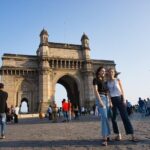
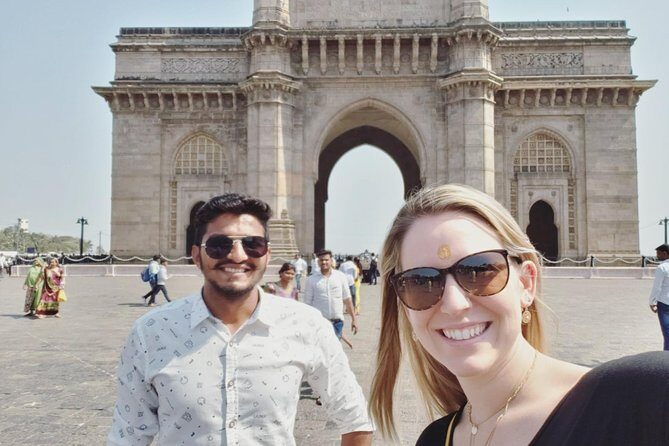
You kick off at Gateway of India in Colaba, a monument built in 1924 for the visit of King George V and Queen Mary. It’s right by the Arabian Sea, so the location does half the work for you. Even when the light isn’t perfect, the scale and the setting make it feel like the start of a Mumbai movie.
What I like: the guide usually frames this as more than a postcard—why it was built, why it’s still central, and how it sits at the edge of the old port world. You’ll get about 15 minutes here, including time for photos.
Possible drawback: it’s a popular stop, and the tour time is short. If you want a very specific angle or a slower photo session, plan to arrive ready—camera batteries charged, phone storage cleared, and your best shots in mind.
Mahalaxmi Dhobi Ghat: seeing laundry as real work
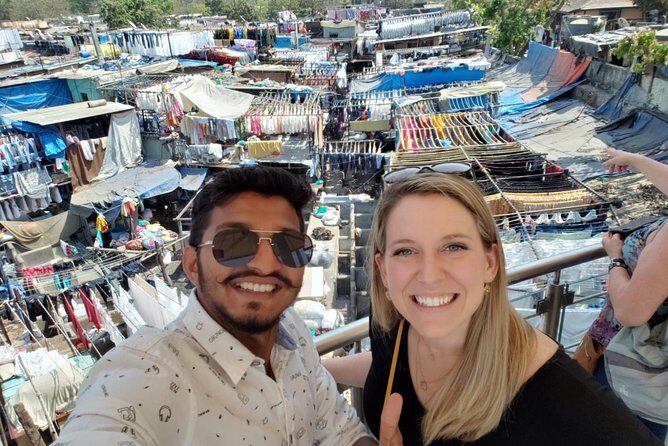
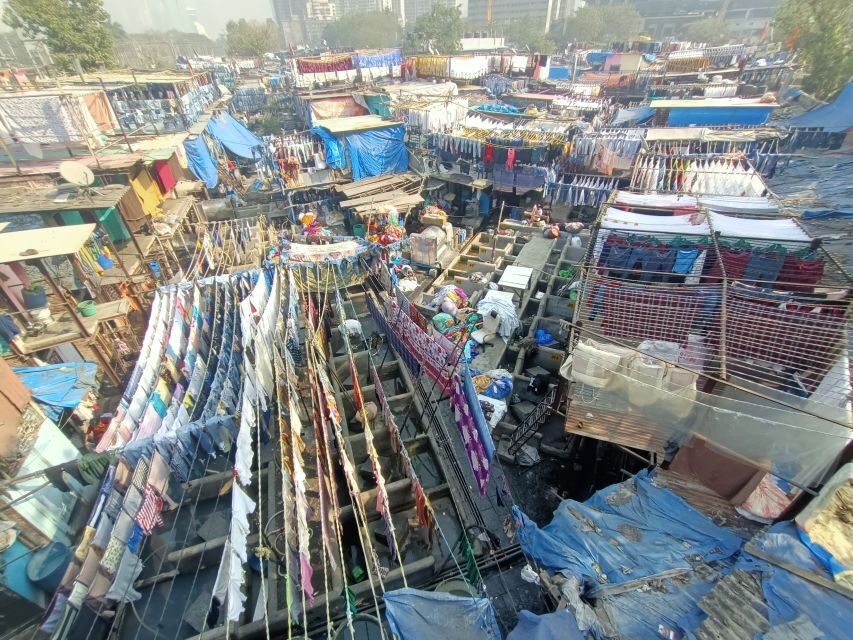
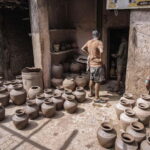
Next is Mahalaxmi Dhobi Ghat. This is an open-air laundry where clothes are washed by hand in large communal washing areas. It’s one of the biggest dhobi ghats in India, and it’s eye-opening for a simple reason: you’re watching a daily system run in public, with people working at the pace of their own routine.
I like that this stop shifts the mood. Instead of only seeing “heritage” buildings, you see heritage in motion—a living practice that still matters to Mumbai.
You’ll have about 15 minutes, mostly to look, understand what you’re seeing, and take photos if permitted. Admission is free for this stop.
Consideration: because it’s an active working site, the experience can feel busy and sensory. If you’re sensitive to crowds or want quiet time, keep that in mind.
Taj Mahal Palace (exterior) and quick architecture breathing room
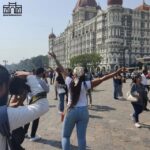
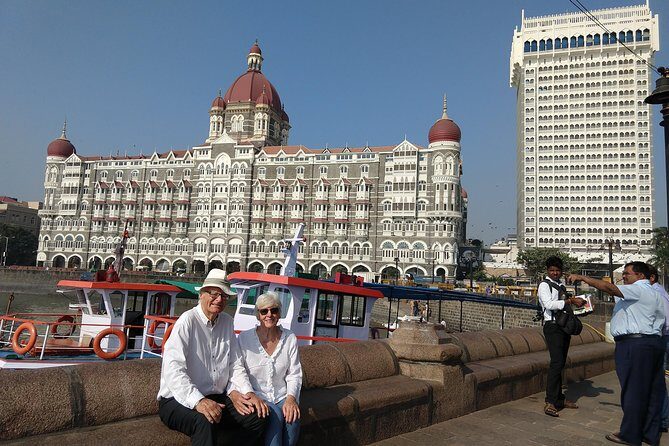
You’ll also stop at The Taj Mahal Palace Hotel area. You’re not going in for a full hotel tour here. Think: a short, guided architecture pause and a chance to connect the city’s colonial-era grandeur with the modern brand power that still surrounds it.
This is an easy win if you like big facades and want context. You’ll have around 10 minutes here and admission is free.
Possible drawback: this is time-limited. If you love hotels and interior design, this won’t satisfy that itch. It’s more of a visual landmark stop.
South Mumbai institutions: University and Bombay High Court
After Colaba and the waterfront stops, the tour presses into the institutional spine of South Mumbai.
You’ll pass University of Mumbai (Vidya Nagari). The university dates to 1857, making it one of India’s oldest universities, and it’s a major academic presence. You’ll get around 15 minutes and admission is listed as free.
Then there’s a stop at the Bombay High Court. It was established in 1862 and is known for historic architecture and its role in Maharashtra and Goa’s judiciary. The tour time here is brief (listed as a stop without a detailed duration), so treat it as a guided exterior/context moment unless your guide manages extra time.
Why I think these stops matter: they help you understand Mumbai as more than sea views and famous hotels. The city also runs on institutions—education, law, administration. Even with short time, it adds layers.

Kala Ghoda arts streets and the Prince of Wales Museum galleries
One of the most rewarding sections is the Kala Ghoda area. This neighborhood is known for art galleries, museums, boutiques, and cafes—and it’s also linked to the Kala Ghoda Arts Festival, an annual event featuring art, music, dance, and theater. Even if your visit doesn’t line up with festival days, the vibe is culturally focused.
From there, you’ll visit Chhatrapati Shivaji Maharaj Vastu Sangrahalaya (formerly the Prince of Wales Museum). This is the museum stop on the itinerary with an accredited guide meeting you at the entrance and guiding you through the galleries.
What you can expect: exhibits featuring ancient artifacts, sculptures, and artworks from various Indian dynasties, plus stories tied to what you’re seeing. The guided format matters here. Without it, museum time can turn into aimless walking and “I’m sure it’s cool” energy. With a guide, you start noticing patterns—materials, themes, and the way the collection connects eras.
Tour time here is listed without an exact minute count in the itinerary section you provided, but it’s framed as a guided museum walkthrough. If you’re the type who likes details like old coins or sculpture-focused explanations, this is the stop where your guide’s talk can pay off.
Consideration: museums move fast when you’re on a group schedule. If you want to linger, you’ll have to accept that this day is built for variety, not deep museum marathon time.
Marine Drive: the Queen’s Necklace walk
After museums and arts streets, you shift to one of Mumbai’s most iconic promenades: Marine Drive. It’s about 3.6 kilometers long along the Arabian Sea. At night, it’s nicknamed the Queen’s Necklace because the streetlights look like a string of pearls.
You’ll get about 10 minutes here, and it’s admission-free. This stop is a great breather. It’s also the kind of place where the guide can help you spot the art deco buildings lining the sea-facing stretch and explain why people love it for sunset and evening air.
Possible drawback: the stop is short. If you’re hoping for a long, slow walk with full “look at the skyline” time, this tour gives you a taste, not a full promenade session.
ISKCON Chowpatty: a calm pocket in the middle of sights
Next is ISKCON Chowpatty (Sri Sri Radha Gopinath Mandir). It’s a temple in South Mumbai dedicated to Lord Krishna, and it serves as a spiritual and cultural hub within the ISKCON network.
What I like about this part of the route: it offers a change in rhythm. After monuments and museums, this is a quieter reset. It’s a place of daily prayers and devotional singing (kirtans), and you’ll often find a vegetarian restaurant and a gift shop on-site, which can be helpful if you’re trying to buy something later (even though food isn’t included on the tour).
Your time here is listed as 20 minutes, admission-free.
Consideration: if you’re more interested in strictly outdoor photo stops, you might prefer extra time at Marine Drive. Still, it’s a valuable contrast in the day’s mix.
Mani Bhavan Gandhi Museum: personal history, not just names on walls
Then you go to Mani Bhavan—a historic house in Mumbai that served as Gandhi’s residence from 1917 to 1934. Today it’s a museum and memorial dedicated to Gandhi, showing photographs, documents, personal items, and preserved rooms from his time there.
Here’s why this stop feels like a highlight on the itinerary: it turns “history” into a lived timeline. You’re not only hearing broad summaries—you’re seeing the physical setting of a key period in the independence movement.
Time here is about 30 minutes, and admission is included.
If you’re the kind of visitor who likes details (specific letters, preserved spaces, the feeling of stepping into the past), this is likely the stop you’ll remember after the day ends.
Malabar Hill pause: Hanging Gardens and Kamla Nehru Park
Toward the later part of the tour, you head to Malabar Hill, where the mood cools down a bit into greenery and views.
First is Hanging Gardens (Pherozeshah Mehta Gardens). It’s terraced, with manicured hedges shaped like animals and walking paths that make it easy to pause without being in “tour mode.” It’s also known for sea and skyline views. Your time here is around 15 minutes, admission-free.
Then comes Kamala Nehru Park. It’s famous for the playful “Old Woman’s Shoe” structure, and it’s also a good viewpoint area for seeing Marine Drive and the Arabian Sea. Time is listed as 15 minutes.
What I like: these parks make the day feel balanced. You get a break from heavy sightseeing density without needing to leave the route.
Consideration: gardens and parks are weather-dependent. If it’s hot, the shade and walking paths matter. If it’s breezy or sunny, you’ll probably want your sunglasses and something to cover up.
The finale: Chhatrapati Shivaji Maharaj Terminus and the BMC building
Your last major stops are big-ticket Mumbai architecture.
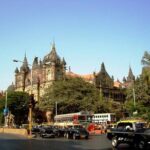
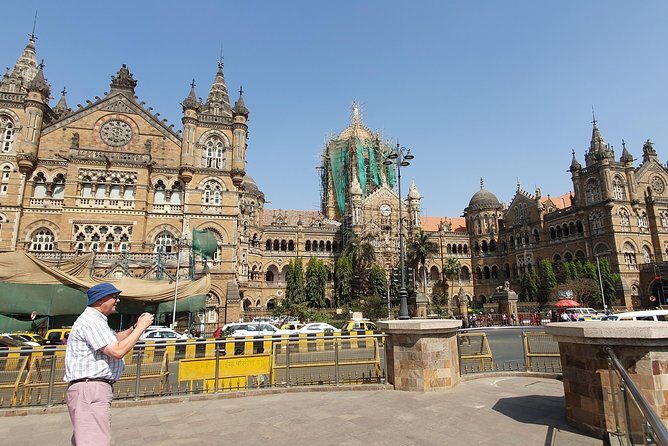
Chhatrapati Shivaji Maharaj Terminus (CSMT)—formerly Victoria Terminus—is a UNESCO World Heritage Site built in 1887. Expect a mix of Victorian Gothic Revival and traditional Indian styles, with intricate carvings and a massive central dome. It’s also a major transportation hub and one of India’s busiest railway stations.
Your time is about 15 minutes, and admission is included for this stop.
Right after, the tour includes the Brihanmumbai Municipal Corporation (BMC) building, completed in 1893. It’s opposite CSMT and is known for Gothic Revival features like domes, turrets, and a central tower. It’s the civic administration headquarters, and it adds a final “how the city runs” layer to the day.
Why I think this ending works: railways and government buildings show the city’s power structure and colonial-era architectural impact all in one area. You’ll finish with a sense of scale, not just a list of places.
Guides matter: why Pooja and Rahul’s style shows up in the experience
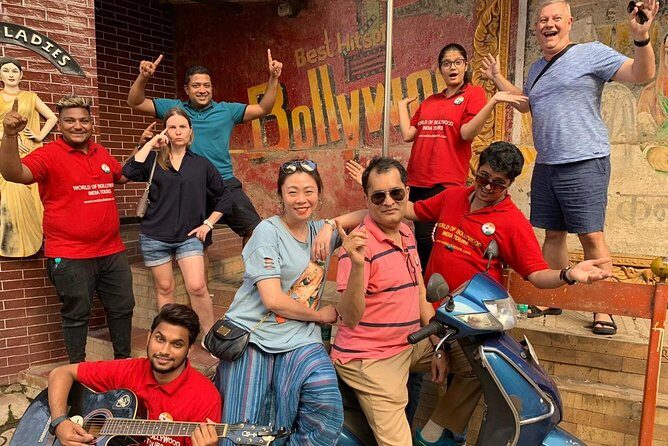
Two names came up in feedback about Young Tours and Travel guides: Pooja and Rahul. What stood out in their style is the willingness to go past surface facts.
Pooja’s described approach leans toward showing the underbelly of Mumbai—how real work happens in everyday micro-industries. Rahul’s described as energetic and photo-friendly, with explanations that help you connect what you see to why it matters. Even if your day’s route is different from other tours, this kind of guiding usually means you’ll get clearer context at stops like the museum galleries and Gandhi’s preserved spaces.
In plain terms: you’re not just collecting photos. You’re collecting meaning.
Should you book this Mumbai Group Sightseeing Tour?
I’d book this tour if you want a high-value, first-time Mumbai sampler that still includes a working-city moment (Dhobi Ghat) and two ticketed anchors (Mani Bhavan and CSMT). It’s also a good fit if you like structure—seeing a lot without having to plan each hop between far-apart areas.
I wouldn’t choose it if you’re the type who hates crowds, hates short stop times, or wants full-length museum wandering. This route is built for variety and momentum, not a slow day of deep digging.
If you’re short on time and want your Mumbai day to feel organized (not chaotic), this is a solid way to get your bearings fast—then you can always return later for the places you want to linger.
FAQ
How long is the Mumbai group sightseeing tour?
The tour is about 4 hours (approx.). Transfer times can vary based on time of day and traffic.
What is included in the tour price?
The price includes taxes, fees, handling charges, fuel surcharge, a professional guide, tour escort/host, and round-trip shared transfer in an air-conditioned vehicle. Admission is included for Mani Bhavan Gandhi Museum and Chhatrapati Shivaji Maharaj Terminus (CSMT), while other listed stops have free admission.
Is food included?
No. Food and drinks are not included, and there’s no lunch included.
How large is the group?
The tour has a maximum of 15 travelers.
Can I bring luggage?
You can bring up to 1 suitcase and 1 carry-on bag. Oversized items may have restrictions, so it’s best to ask the operator if your luggage is unusual.
Are there any ticket requirements?
This tour uses a mobile ticket, and confirmation is received at booking time unless you book within 1 day of travel.