REVIEW · MUMBAI
The Original Mumbai by Dawn – Recommended by Nigella Lawson & Nat Geo Traveller!
Book on Viator →Operated by No Footprints · Bookable on Viator
Mumbai starts early.
This Mumbai by Dawn private tour runs from 5:15 a.m., when the city is still half-asleep and the real action begins. I love how you get front-row access to the Sassoon Dock fish auction, and I also love the way the flower, spice, and vegetable markets are already set up—so you see work happening, not staged sightseeing.
You’ll go in a small, private setup with a professional guide, plus round-trip hotel transfers. You also get practical extras that help at dawn: bottled water, coffee and/or tea, a fruit, and shoe covers for the dock areas.
The main catch is simple: you’re up very early, and the dock area can be strongly scented and crowded. If you’re sensitive to smells or don’t enjoy fast-moving crowds, this is the one factor to weigh.
In This Review
- Key highlights to look for
- Why a 5:15 a.m. Mumbai morning works
- Chhatrapati Shivaji Terminus: your first big architecture moment
- Sassoon Dock fish auction: where the day gets real
- SHYAM STALL: early-market color, fragrance, and everyday trade
- Byculla’s wholesale produce scene at Ankit Sanas
- What’s included (and why it matters at dawn)
- Timing and order: what to expect when the route shifts
- Seasonal and calendar limitations you should know
- Practical tips: how to enjoy the docks without getting overwhelmed
- Who should book this tour (and who should skip it)
- Should you book Mumbai by Dawn?
- FAQ
- FAQ
- What time does the tour start?
- How long is the Mumbai by Dawn tour?
- Is this tour private or shared?
- What stops are included?
- What’s included in the price?
- Are the docks open year-round?
- Is the tour available on public holiday dates?
Key highlights to look for
- 5:15 a.m. departure gives you cooler air and calmer streets than later in the day
- Sassoon Dock fish auction links daily labor to big numbers like 50 tonnes of fish and the famous Bombay duck
- Shoe covers at the docks keep you more comfortable when you’re walking near boats and wet ground
- Chhatrapati Shivaji Terminus (CST) becomes an early photo stop before most people arrive
- Coffee/tea and fruit before breakfast help you handle the morning pace without feeling like you’re rushing on empty
Why a 5:15 a.m. Mumbai morning works

The biggest reason this tour feels different is timing. Starting at 5:15 a.m. means you’re not just seeing Mumbai—you’re seeing Mumbai at the hour when people are turning the day on.
You’ll begin in the dark and move into early light. That shift matters. Markets look better when they’re waking up and when vendors are still focused on their work, not their audience. If you’ve ever done a late-morning market tour and felt like everything was already over, this is the fix: you’re there when the day’s supply chain is still building.
Another smart part of the timing is logistics. Even if the docks still feel busy, you avoid the full crush of daytime foot traffic. You also get a calmer shot at getting answers to questions, since the guide can slow the group down when you’re looking at how things are done.
You can also read our reviews of more tours and experiences in Mumbai.


Chhatrapati Shivaji Terminus: your first big architecture moment
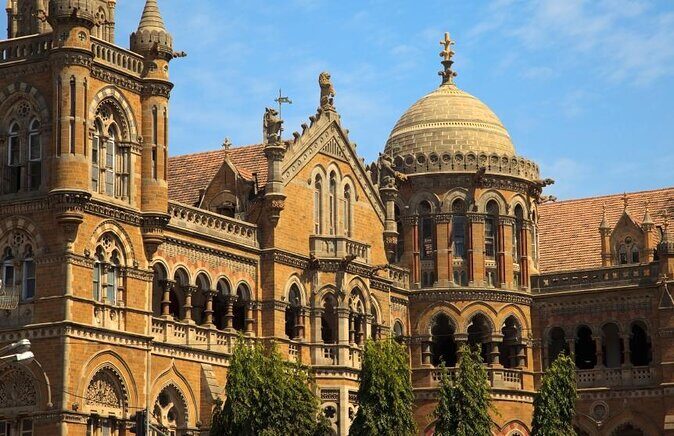
Your first stop is Chhatrapati Shivaji Terminus, also known as the Victoria Terminus Railway Station. It’s described as one of India’s most architecturally striking railway stations, and it’s also incredibly busy—over 660,000 daily footfalls make it the busiest station in Mumbai.
Why start here early? Because you get the station’s scale without the usual noise level you’d expect later. And early light helps with photos, especially when the station looks crisp and structured instead of washed out by mid-day haze.
You’ll spend about 20 minutes here. That’s not long, but it’s enough for a focused look at the building and a quick orientation moment—so the rest of the morning clicks into place. You’ll understand the city is not just “scenery.” It’s systems: rail lines, daily deliveries, and the human rhythm that keeps everything moving.
Sassoon Dock fish auction: where the day gets real

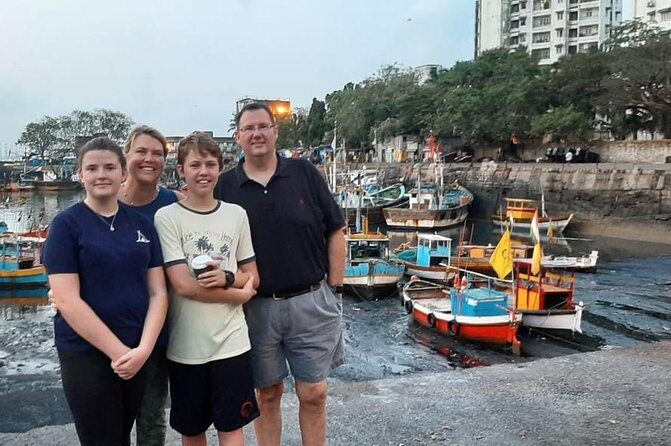
This is the heart of the tour. At Sassoon Dock, you’ll see the arrival and grading of around 50 tonnes of fish, then watch a one-of-a-kind fish auction—especially the famous Bombay duck.
The Koli fisherfolk connection is part of what makes this stop more than a photo opportunity. You’re seeing a community’s daily economy in motion: boats arriving, fish being sorted, and bargaining happening at a speed that’s hard to replicate if you try to go on your own.
You’re also in the thick of sensory details. The docks can smell strongly and the area can feel crowded, so it helps to have the shoe covers and a guide who knows where to stand so you can watch without getting in the way. Plan to take it in slowly for the first few minutes. Once your eyes adjust, you start noticing patterns—how fish are handled, how decisions get made, and how quickly everyone works.
You’ll spend about 40 minutes at the docks. That timing feels right: long enough to understand the process, not so long that it becomes tiring. If your goal is to understand Mumbai’s “cash economy” through real work, this stop delivers in a way most city tours can’t.
SHYAM STALL: early-market color, fragrance, and everyday trade
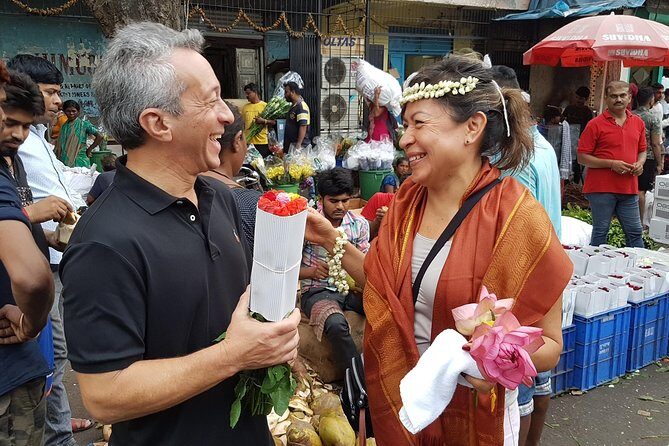
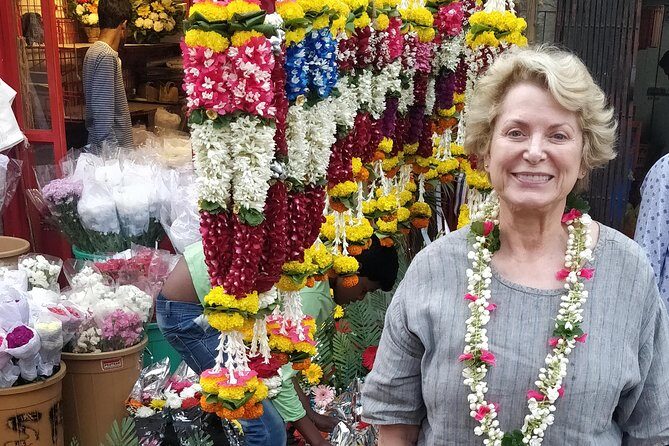
After the docks, you head to a market stop called SHYAM STALL. You’re there for what early mornings do best: color and fragrance. This is when stalls are set up with ingredients and produce that look most alive—before heat, before the main rush, and before vendors start slowing down.
You’ll spend about 20 minutes here. That short block is intentional. The value of this tour isn’t lingering for a shopping spree. It’s about getting a guided snapshot of how different parts of the morning supply chain connect—fish to produce to flowers, all feeding the city’s daily needs.
One practical note: markets can be tight and active, so keep your camera ready but your attention even more ready. When the guide points out details—how items are stacked, how buyers move, how vendors describe quality—you’ll get much more out of the visit than simply taking pictures.
Byculla’s wholesale produce scene at Ankit Sanas
The fourth stop is Ankit Sanas, described as a wholesale produce market area in Byculla that’s active in the middle of the night and into the early morning. The wording here matters: you’re seeing a segment of Mumbai’s economy that runs on delivery schedules, not convenience.
You’ll only have about 20 minutes at this stop, but it’s likely to feel intense. Wholesale markets are where variety, quantity, and speed show up together. If you want to understand Mumbai as a working city—one that feeds itself through logistics—this is where the idea becomes real.
This part of the tour also helps you connect the dots. By the time you’re at a produce wholesale area, the morning’s theme is clear: the city doesn’t start when tourists wake up. It starts when supply workers arrive, sort, and move goods toward the next step.


What’s included (and why it matters at dawn)
This tour is priced at $86.54 per person, and it’s booked in advance often (about 46 days on average). The “value” angle isn’t just the sightseeing. It’s the fact that you’re getting transport, timing, and dock access support in one package.
Here’s what you actually receive:
- Professional guide and private tour for your party
- Driver and private transport, plus hotel pickup and drop-off
- Bottled water, coffee and/or tea, and a fruit
- GST included
- Shoe covers at the docks
That set of inclusions matters because dawn tours have hidden costs. Taxis at 5 a.m. can be pricey and unpredictable, and finding the right entry points for markets on your own is harder than you might expect. With pickup and drop-off, you can focus on the experience instead of playing logistics roulette in the dark.
Two small “watch-outs” that affect cost:
- If you’re staying in suburban areas, there may be an added pickup transport cost.
- A language guide besides English isn’t included, so don’t assume another language option is built into the price.
Timing and order: what to expect when the route shifts

You start at 5:15 a.m. and the whole experience runs about 3 hours. The sequence of stops is at the discretion of the operator and guide on the ground. That means you should expect the morning to feel responsive, not rigid.
This is usually a plus. Market conditions change quickly. If a dock area is extra crowded or if vendors are setting up differently that day, your guide can adapt the order so you still see the main moments. In practical terms, it often helps you get better viewing angles and a smoother flow.
You’ll also want a moderate fitness level. You’re walking and moving at an early hour, and docks plus market aisles can be uneven.
Seasonal and calendar limitations you should know

A couple of timing limits are built into the experience:
- The docks are shut in June and July, so the core fish-auction portion won’t run as described then.
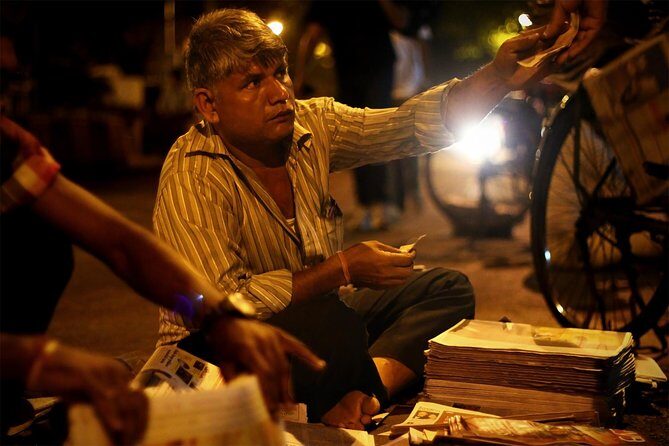
- Newspaper vendors are not available on the day after a public holiday. If your morning includes newspaper-related activity, that can affect what you see.
- The tour does not run on the day of the Mumbai Marathon.
Also, the operator can cancel based on on-the-ground discretion, and you’d be informed in advance if that happens.
If you’re planning this for a specific trip date, it’s worth checking your calendar carefully before you lock everything else.
Practical tips: how to enjoy the docks without getting overwhelmed
This tour is intense in a good way, but it’s not passive. You’re close to the dock work, and the environment can be strong-smelling and fast-moving.
Bring or wear:
- Something you can walk in comfortably, since docks and market streets are not smooth like a museum floor
- Layers, because mornings at 5 a.m. can feel cooler than you expect
- A mindset of curiosity, not shopping. The value is watching work and asking questions
Plan your day around being up early. If you’re jet-lagged, it may feel rough at first. The reward is that you get a unique view of how Mumbai starts, and by the end you’ve seen parts of the city most people only hear about afterward.
Who should book this tour (and who should skip it)
This experience is ideal for you if:
- You love food supply chains and the human side of commerce
- You want a serious morning view of Mumbai, not another “drive-by” tour
- You appreciate a guide who can explain what you’re seeing in real time
It may be a mismatch if:
- You’re very sensitive to strong smells and crowded dock conditions
- You don’t do well with early starts or walking in busy areas
- You’re looking for long, leisurely market time or a full shopping outing
The private setup helps here. You can move at a pace that fits your group, and your guide can tailor what you pay attention to during the short stops.
Should you book Mumbai by Dawn?
Yes, if you want the most “Mumbai-workday” version of the city that you can realistically fit into a short visit. The tour is built around Sassoon Dock fish auctions and early markets, and the early hour is the whole point. The inclusions—hotel pickup/drop-off, transport, guide, tea/coffee, and shoe covers—make it feel practical rather than just adventurous.
Book it especially if you’ll benefit from a guided route through places you likely wouldn’t manage easily on your own at 5 a.m. The experience is short (about 3 hours) but packed with moments that show how Mumbai functions before most tourists even begin their day.
FAQ
FAQ
What time does the tour start?
The start time is 5:15 a.m.
How long is the Mumbai by Dawn tour?
It runs for about 3 hours.
Is this tour private or shared?
It’s a private tour/activity, so only your group participates.
What stops are included?
The tour includes Chhatrapati Shivaji Terminus, Sassoon Dock, SHYAM STALL, and a wholesale produce market area in Byculla called Ankit Sanas.
What’s included in the price?
It includes a professional guide, private tour, driver and private transport, bottled water, coffee and/or tea, hotel pickup and drop-off, GST, a fruit, and shoe covers at the docks.
Are the docks open year-round?
No. The docks are shut in June and July.
Is the tour available on public holiday dates?
It does not run on the day of the Mumbai Marathon. Also, newspaper vendors are not available on the day after a public holiday.