Before Mumbai gets loud, the details get clear. This early-morning tour is built for that sweet spot when the city is still working and people are on their way. I especially like the fish market stop—hundreds of fishing boats, fresh arrivals, and the behind-the-scenes rhythm of how seafood moves through the city.
I also love the Dadar flower and vegetable markets because they’re pure color for photos and real life in motion for your eyes. The one thing to watch: the timing can run a little tight, and on at least one booking the tour felt rushed and finished closer to 3 hours instead of the full 4.
In This Review
- Key moments that make this tour worth your morning
- Why an early start beats Mumbai traffic every time
- The Dadar flower market: color for photos and speed for the day
- Vegetable market time: where your camera meets the real schedule
- Fish market morning: hundreds of boats and the sea-to-city handoff
- Krishna temple morning aarti at Iskcon: devotion early, not later
- How the AC pickup-and-drop changes the whole day
- What $21 gets you in real value (and what it won’t)
- Comfort and timing tips so you enjoy it, not just survive it
- Who this tour fits best
- Should you book the Mumbai Hidden Gems early-morning tour?
- FAQ
- What is the duration of the tour?
- How much does the tour cost?
- Is hotel pickup and drop included?
- Will I have an English-speaking guide?
- What places are included in the morning route?
- Are meals included?
- What should I bring?
- What kind of cancellation and payment options are offered?
- Is it private or a small group?
Key moments that make this tour worth your morning
- Fish market scenes with tons of fishing boats and the sea-to-city flow you’d miss later
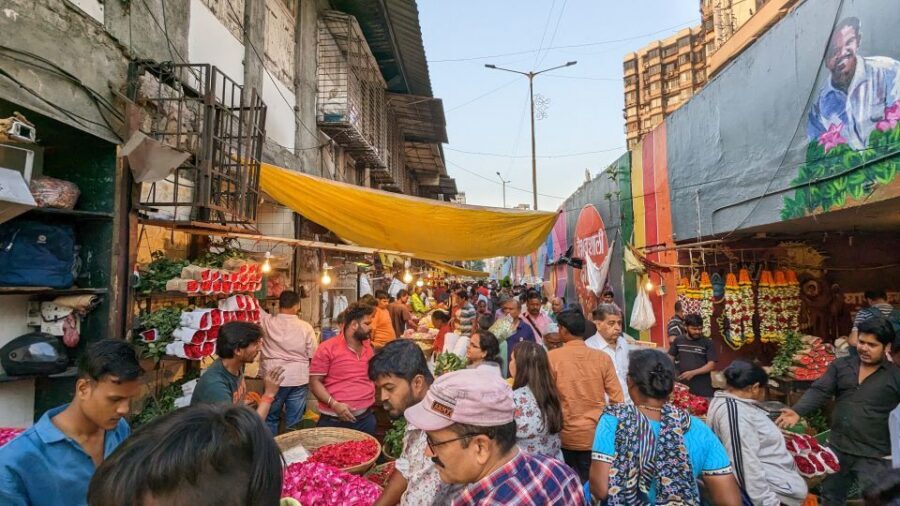
- Dadar flower market for close-up photos and local bargaining energy
- Vegetable market stops that make your camera happy and your senses even happier
- Iskcon morning aarti at the Krishna temple, timed for the calm part of the day
- Hotel pickup plus AC car so you start your day with less stress and more time looking
Why an early start beats Mumbai traffic every time
This tour is designed around one idea: go when the city is still getting ready. You’ll dodge a big chunk of the day’s traffic pressure and get to places while they’re active, not winding down.
In practical terms, that means better atmosphere and less standing around. You’ll also have a head start on seeing how different Mumbai neighborhoods function before most of the “tour day” crowds arrive.
And yes, it’s early. Think comfortable shoes, a calm mindset, and a little patience for the morning pace.
You can also read our reviews of more guided tours in Mumbai

The Dadar flower market: color for photos and speed for the day
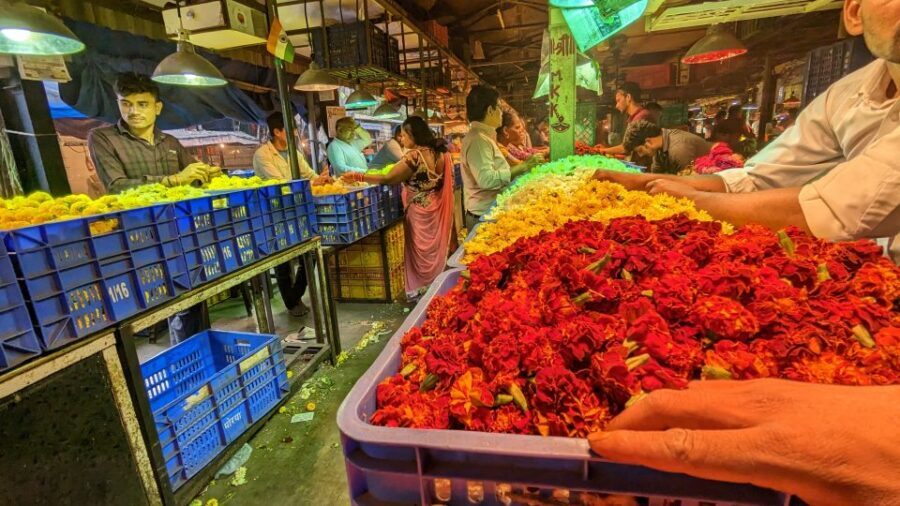
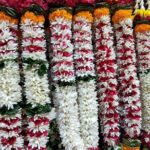
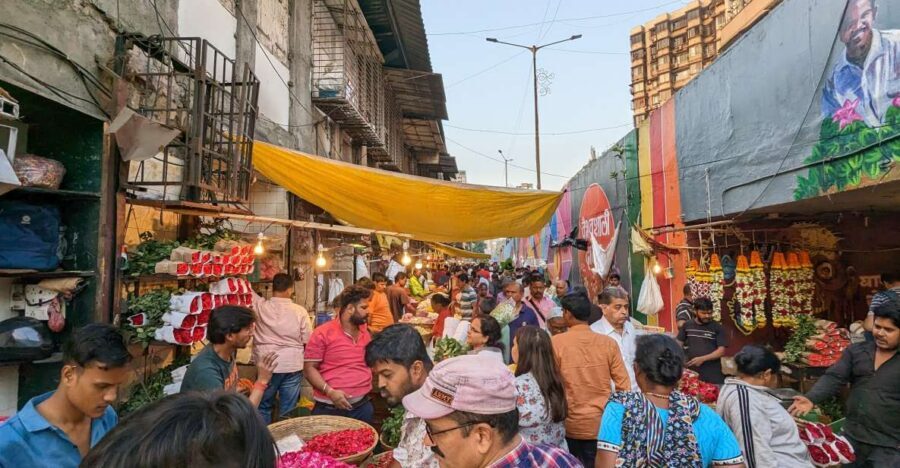
You’ll start your market morning around Dadar’s flower scene. This is one of those places where the whole area seems to run on timing—people moving fast, flowers arranged and handled with purpose, and lots of small moments worth photographing.
I like this stop because it’s not just pretty. It’s practical. You can watch how flowers are displayed and handled, and you’ll quickly understand why flowers matter so much in everyday rituals and celebrations in Mumbai.
Photo tip: wear shoes you can move in comfortably. Market sidewalks can be uneven, and you’ll want to reposition often for good angles without feeling stuck.
Vegetable market time: where your camera meets the real schedule
After the flowers, the tour continues into the vegetable market area. This is a strong second act because it adds structure to what you saw with flowers: more sorting, stacks, weight, and the steady work of vendors and buyers.
It’s also a great moment to slow down a bit with your camera. Vegetables give you texture and color variety that’s different from flowers, so your photos won’t all look like the same scene.
One more thing: markets teach you Mumbai’s daily rhythm. If you want to see how the city feeds itself and how supply moves through neighborhoods, this is the kind of stop that makes the rest of your trip feel more connected.
Fish market morning: hundreds of boats and the sea-to-city handoff
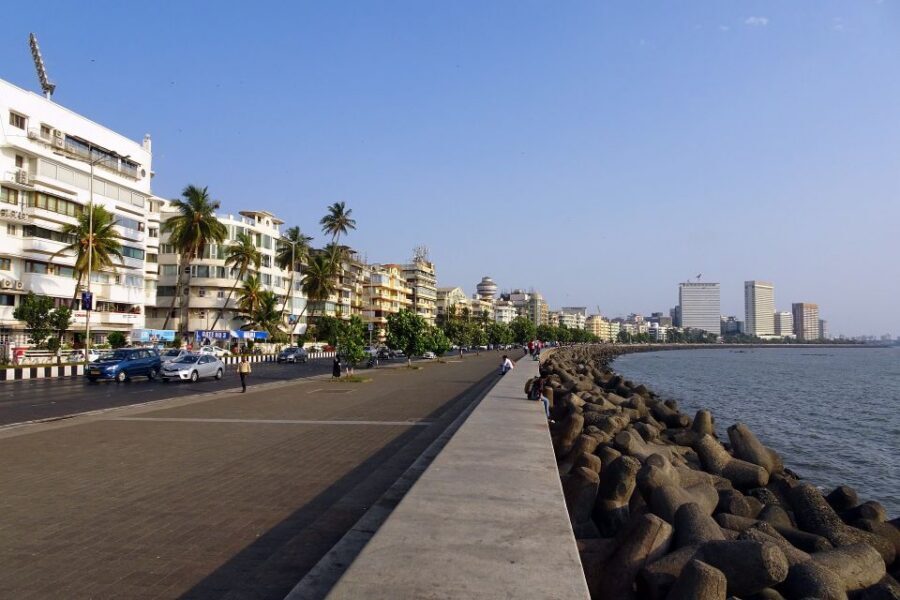
The fish market stop is the headline. You’re looking at a place where fresh catches arrive and get processed quickly, with hundreds of fishing boats involved in the flow.
This is the kind of scene you can only understand by seeing it in person. The ocean is doing its job, the port area is working, and people are handling the next step in the chain. It’s not staged. It’s just how the city runs when most people are still waking up.
An extra detail that makes this stop feel grounded: you’ll also see how fish-related activity connects to wider city distribution, including the idea of paper distribution near the train station area. Even if you don’t read everything you see, you’ll grasp the logistics behind getting goods moving.
If you’re the type who likes watching systems at work—how crowds move, how workers coordinate, how activity flows—this stop is a big reason to choose the morning slot.
Krishna temple morning aarti at Iskcon: devotion early, not later
After the markets, the day shifts into something more spiritual. You’ll visit the Iskcon temple and experience the morning aarti being performed, tied to Krishna devotion.
I like this contrast because it balances the sensory overload of markets. Markets are fast and hands-on. Temple time feels more intentional and quieter, even though there are still plenty of people around.
This is also a meaningful payoff if you came to Mumbai specifically to see more than the usual traffic grid. The morning aarti gives you a window into why this city moves the way it does—work, worship, and routine all in one morning schedule.
You can also read our reviews of more tours and experiences in Mumbai




How the AC pickup-and-drop changes the whole day
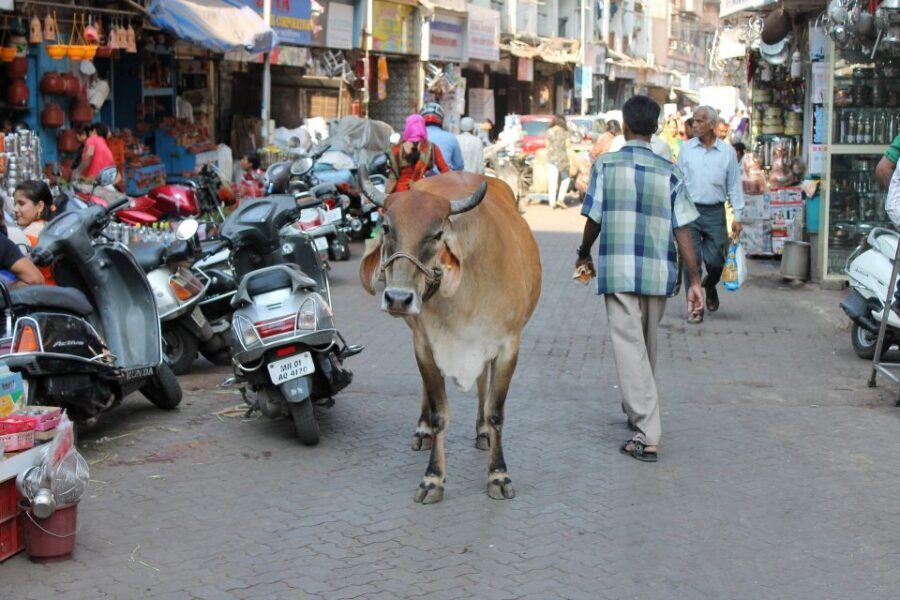
Getting picked up from your hotel and transported by AC car sounds like a small detail, but it changes how you experience the route. You’re not figuring out directions while half-awake. You’re not wasting energy on short transfers.
The tour also uses a dedicated English-speaking guide, which matters here. Markets and temple areas can be confusing if you’re left to interpret on your own. With a guide, you know what you’re seeing and why it matters, and you can ask questions instead of guessing.
Group size can be private or small. That usually means a less chaotic pace and more flexibility to keep up without constantly getting separated.
What $21 gets you in real value (and what it won’t)
At $21 per person for a 4-hour morning tour, the value is mostly in the combination: hotel pickup and drop, AC transport, guide, bottled water, and entrances to the listed stops.
If you tried to piece together this morning on your own, you’d likely spend time figuring out logistics—where to go first, how to time the market action, and how to manage transport. Here, someone else handles the sequencing so you can focus on seeing.
One cost factor to remember: meals aren’t included. That’s not unusual for a morning start, but you’ll want to eat before you go or plan to grab something after the tour ends.
Also, keep expectations realistic about time at each stop. One booking experience noted the pace felt rushed and that flower and fish market time would have been better if longer. That doesn’t mean you’ll get that same schedule, but it does signal that you should expect a structured, fairly efficient run.
Comfort and timing tips so you enjoy it, not just survive it
This is an early-morning tour, so your comfort setup matters. Bring comfortable shoes and plan for standing and walking on uneven surfaces around market areas.
Also, don’t overpack. You’ll want your hands free for photos, and you’ll appreciate having water handy (bottled water is included).
A final timing note: because it’s a tight morning window, build your expectations around “see the highlights” rather than “take your time forever.” If your travel style is slow and lingering, choose extra time afterward to return on your own to the area you enjoyed most.
Who this tour fits best
I think this tour works best for you if you want Mumbai as a functioning city, not just a checklist of sights. You’ll like it if you enjoy early starts, market scenes, and the kind of travel where a local rhythm is the main event.
It’s also a great match for photographers who want morning light and color variety—flowers, vegetables, and the fish-market energy all give you different textures to work with.
If you hate early mornings or you dislike a structured pace, you might find it too efficient. And if you specifically want long time at one market, I’d plan for extra independent exploration after the tour.
Should you book the Mumbai Hidden Gems early-morning tour?
I’d book it if your goal is to see fish boats, Dadar markets, and Iskcon morning aarti in one smooth morning with a guide and hotel pickup. For $21, the mix of transport, a dedicated English guide, bottled water, and entrances is a strong value play—especially because the early timing is the whole point.
I’d skip it if you want a relaxed, lingering pace or you’re sensitive to schedule shifts. If you’re flexible and enjoy efficient morning travel, this tour gives you a sharp, local snapshot of Mumbai that’s hard to replicate later in the day.
FAQ
What is the duration of the tour?
The tour lasts 4 hours.
How much does the tour cost?
It’s priced at $21 per person.
Is hotel pickup and drop included?
Yes, pickup and drop from your hotel are included.
Will I have an English-speaking guide?
Yes, the guide is English-speaking.
What places are included in the morning route?
The route includes stops at the fish market area with many fishing boats, Dadar flower markets, a vegetable market, and the Iskcon temple for the morning aarti.
Are meals included?
No meals are included.
What should I bring?
Wear comfortable shoes, since you’ll be walking and standing during market stops.
What kind of cancellation and payment options are offered?
You can cancel up to 24 hours in advance for a full refund, and there’s a reserve and pay later option.
Is it private or a small group?
Private or small groups are available.