REVIEW · MUMBAI
Mumbai: Full-Day Guided City Tour with Elephanta Caves
Book on GetYourGuide →Operated by Travel Pests · Bookable on GetYourGuide
Mumbai moves at street speed. One day here can cover colonial icons, seaside promenades, working neighborhoods, and the UNESCO Elephanta Caves.
What makes this tour work is the mix: you get classic landmarks like the Gateway of India and the Taj Mahal Palace Hotel, then you pivot to places most guidebooks only mention in passing, like Dhobi Ghat’s giant open-air laundry system. You’ll also ride a ferry to the Elephanta Caves when conditions line up, with a local guide who keeps the stops connected with stories and practical context.
Two things I really like: the guidance feels personal (I’ve seen names like Anas and Nadeem tied to smooth, organized days), and the route gives you both photo-worthy sights and real-life Mumbai scenes. One possible drawback is that the Elephanta boat is optional and timing can shift, plus you’re in for a long day of walking and heat—so you’ll want good shoes and steady hydration.
In This Review
- Key things to know before you go
- Gateway of India to Taj Mahal Palace: the story starts at the water
- Colaba on foot: Regal Cinema, Kala Ghoda, and street-level culture
- Dhobi Ghat: the working city stop you’ll remember
- Marine Drive and Chowpatty: seaside views plus street-food momentum
- Walkeshwar Temple with ocean views: a quieter pause
- Elephanta Caves by ferry: UNESCO time made flexible
- Chhatrapati Shivaji Terminus and Mumbai University: Gothic meets Indian style
- Bandra-Worli Sea Link at sunset: end with the modern icon
- Lunch choices: how to make the food part work for you
- Price and value: is $98 for a full day a fair deal?
- The biggest practical considerations for your comfort
- Who this tour fits best (and who should skip it)
- Should you book this Mumbai full-day guided tour?
Key things to know before you go
- Private guide with English live commentary helps you connect the dots across very different neighborhoods.
- Dhobi Ghat shows how Mumbai’s 140-year laundry system actually runs, not just what it looks like.
- Elephanta Caves are optional and depend on tides, so your day may flex.
- Marine Drive + Chowpatty Beach gives you both skyline views and street-food atmosphere.
- Chhatrapati Shivaji Terminus (UNESCO) adds a standout architecture stop you can still use today.
- Bandra-Worli Sea Link at sunset is included, giving you the modern engineering photo moment to end on.
Gateway of India to Taj Mahal Palace: the story starts at the water
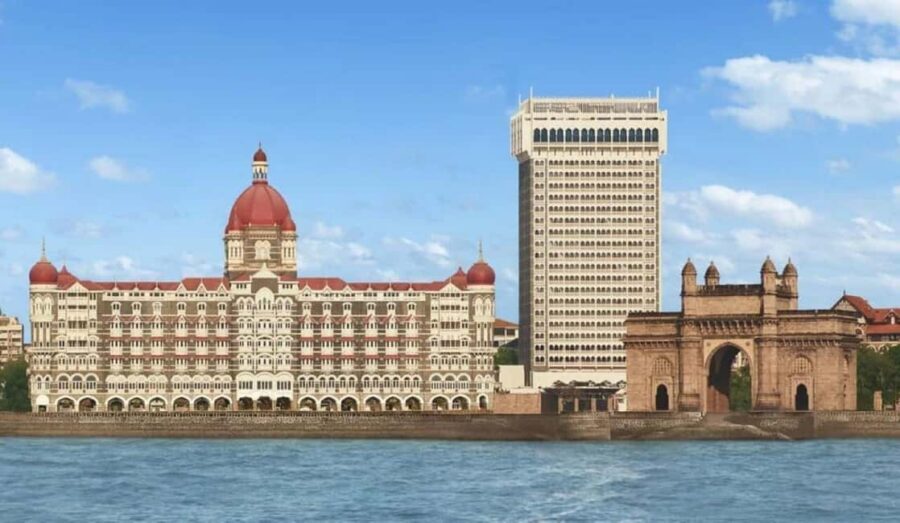
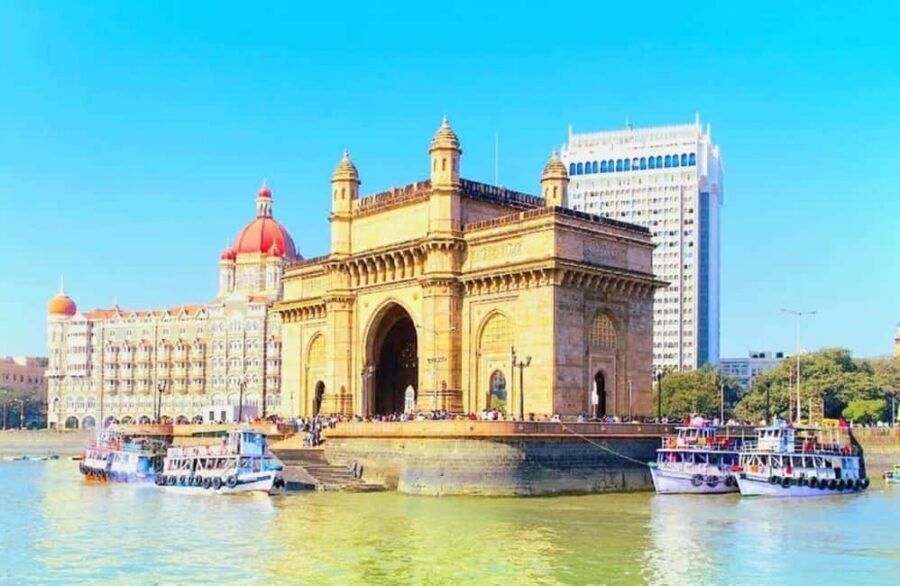
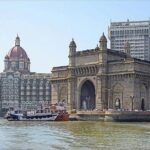
Your day often begins where Mumbai feels theatrical: at the Gateway of India, built to commemorate King George V’s visit in 1911. Standing on the waterfront, you’ll understand why this spot has become the go-to meeting point and the natural opener for any first visit.
From there, the tour keeps things meaningful by looking right next to the Gateway at the Taj Mahal Palace Hotel. The point isn’t just that it’s famous. It’s that it’s tied to resilience after the 2008 attacks, and your guide will connect that to the wider sense of how Mumbai absorbs shock and keeps moving. Even if you’re not a history person, this is the kind of stop where the details help the architecture feel personal.
Practical tip: plan on sun and occasional breeze off the water. Bring sunscreen and a hat if you use one, and keep your camera ready—but don’t rush. This is one of those places where a 2-minute pause can turn into 10 because you keep spotting new angles.
You can also read our reviews of more guided tours in Mumbai

Colaba on foot: Regal Cinema, Kala Ghoda, and street-level culture
After the waterfront, the pace shifts to street wandering in Colaba. You’ll walk through a mix of colonial-era buildings that now house art galleries and chic cafes, and it’s a nice reset from the monument scale of the Gateway.
Two stops here are especially worth your attention. First is Regal Cinema, one of India’s oldest art-deco theaters. You’re looking at how older design styles were adapted to local city life. Second is the Kala Ghoda Art Precinct, known as a creative hub—an area where you’ll likely see art energy spilling out into public space.
This is where a good guide matters. A guide isn’t just naming places; they’re helping you read the neighborhood. When someone like Nadeem is leading, the day tends to feel organized without turning into a checklist. You’ll get context for why these pockets of architecture and culture sit side by side.
Drawback to consider: Colaba is a walk, and it’s not the kind of walking where you can keep one hand free. Wear comfortable shoes and expect crowds at the most famous corners.
Dhobi Ghat: the working city stop you’ll remember
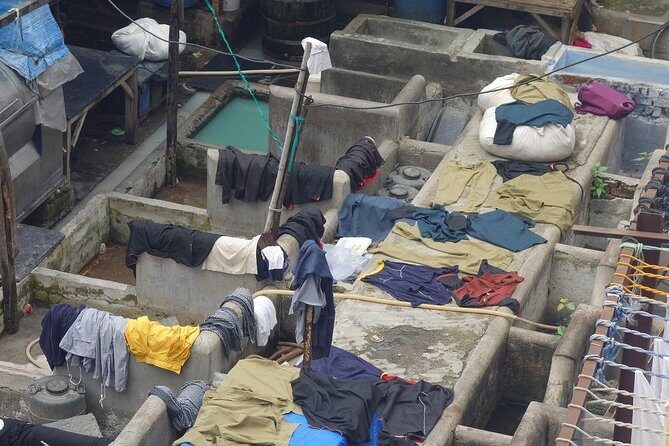
One of the most memorable parts is Dhobi Ghat, where over 5,000 dhobis (washermen) scrub clothes in concrete flumes. This isn’t a staged attraction. It’s a live system that’s been operating for about 140 years, and your guide will explain how it works and why it’s such a frequent film location.
What I like about this stop is the contrast. You start the day with memorial architecture, then you shift to a working infrastructure that keeps thousands employed and keeps daily life running. It’s also a place where you’ll notice the soundscape and rhythm: water, movement, and hands-on work that’s plain to see.
A few things to keep in mind: take photos respectfully. Don’t block people’s work. If someone seems busy, give them space. And yes, it can get busy there too, so you’ll want to keep your camera use efficient.
Marine Drive and Chowpatty: seaside views plus street-food momentum
Next, you’ll cruise along Marine Drive, also called the Queen’s Necklace, a 3.6 km seaside promenade. Even when it’s busy, Marine Drive is one of those places where the city’s geography makes sense. You’ll see why the skyline and sea layout feels like one long frame for photos.
Then you’ll head to Chowpatty Beach. The tour connects the view with the experience: sunset rituals and street food like pav bhaji. This is a smart move because otherwise you’d just stare at the water and miss the local rhythm of evening.
Your guide’s job here is to keep you from wandering randomly. You’ll learn where people tend to gather and how the evening flow works, without turning it into a tourist trap. If you’re the type who likes to taste your way through a city, this part is especially satisfying.
Walkeshwar Temple with ocean views: a quieter pause
The day also includes the Walkeshwar Temple complex, where you get ocean views from the temple area. It’s not just a photo stop. It’s a chance to slow down for a moment in a city that otherwise pushes you along.
The practical value is simple: you’ll shift from sea promenade energy to temple surroundings. If the heat has been wearing you down, this can feel like a mental breather—still active, still culturally important, but less frantic.
Be ready for steps and uneven surfaces. Even if you’re not going deep into the complex, you’ll want shoes with grip.
You can also read our reviews of more city tours in Mumbai




Elephanta Caves by ferry: UNESCO time made flexible
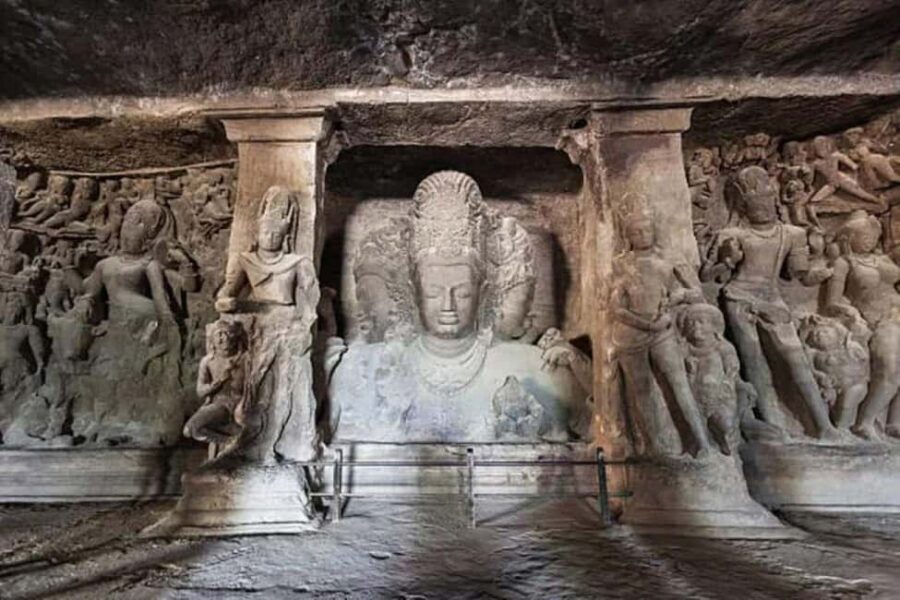
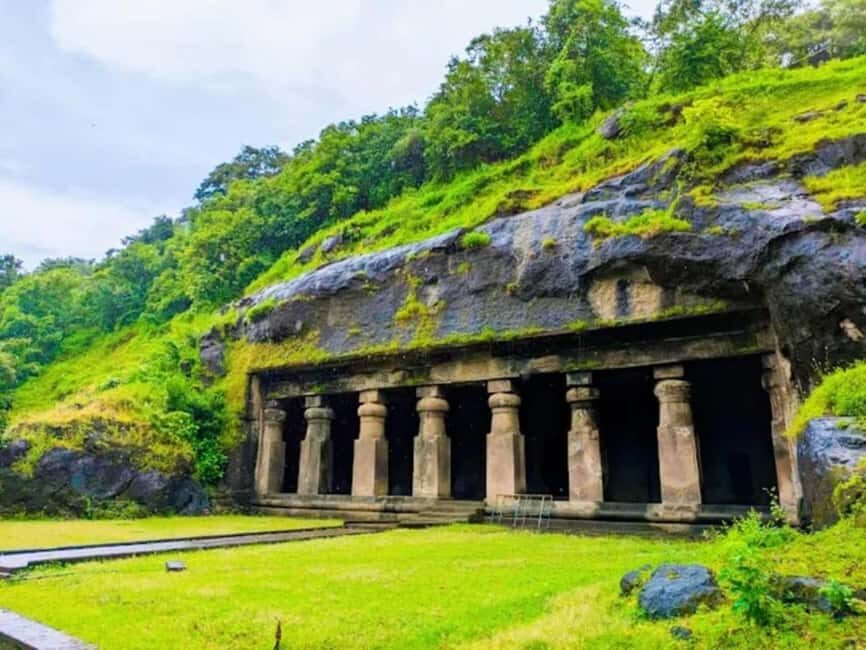
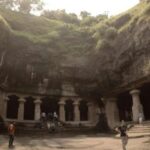
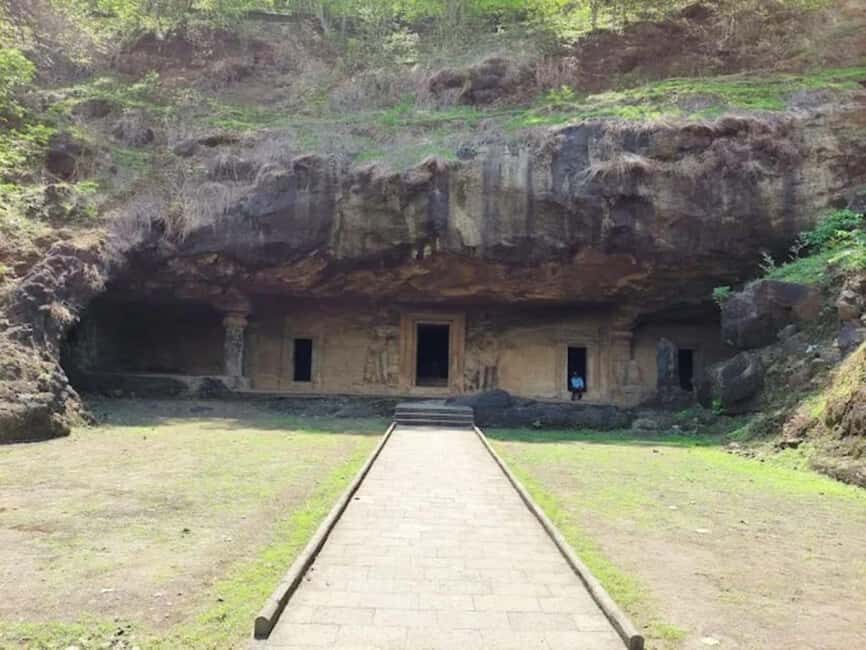
The big optional component is the ferry ride to the Elephanta Caves, a UNESCO site with 5th-century rock-cut Shiva temples. The famous Trimurti sculpture is part of what draws most people here.
Here’s the real-world factor: the boat trip is optional and depends on tides. That means your schedule can flex based on what’s possible that day. You might think of this as risk, but it can also be a smart way to avoid getting stuck with a fixed timetable that ignores local conditions.
The guidance quality can make a difference. One guide named Farad was known for adjusting plans when access was disrupted (in his case, he suggested Kanheri Caves instead of Elephant Island), which is the kind of adaptability that keeps a day from falling apart.
If you get Elephanta, give yourself time to look slowly. Rock-cut caves reward patience. If you don’t get Elephanta due to tides, don’t panic—this tour still covers major architecture and waterfront highlights, and your guide’s job is to keep the day meaningful.
Chhatrapati Shivaji Terminus and Mumbai University: Gothic meets Indian style
You’ll also visit Chhatrapati Shivaji Terminus (UNESCO) and the nearby University of Mumbai. These stops are valuable because they’re still functional. You’re not only seeing buildings from a postcard age—you’re seeing British-era architecture that was adapted to a working Indian city.
What to look for: the blending of Gothic and Indian styles, and the way the structures hold up as everyday parts of the city. This is one of those times when a guide’s explanations turn the details from random ornament into something you actually notice.
If you’re short on museum time but still want depth, this stop is a good compromise. You get architecture you can stand in front of, plus quick context that makes it easier to understand why it mattered when it was built.
Bandra-Worli Sea Link at sunset: end with the modern icon
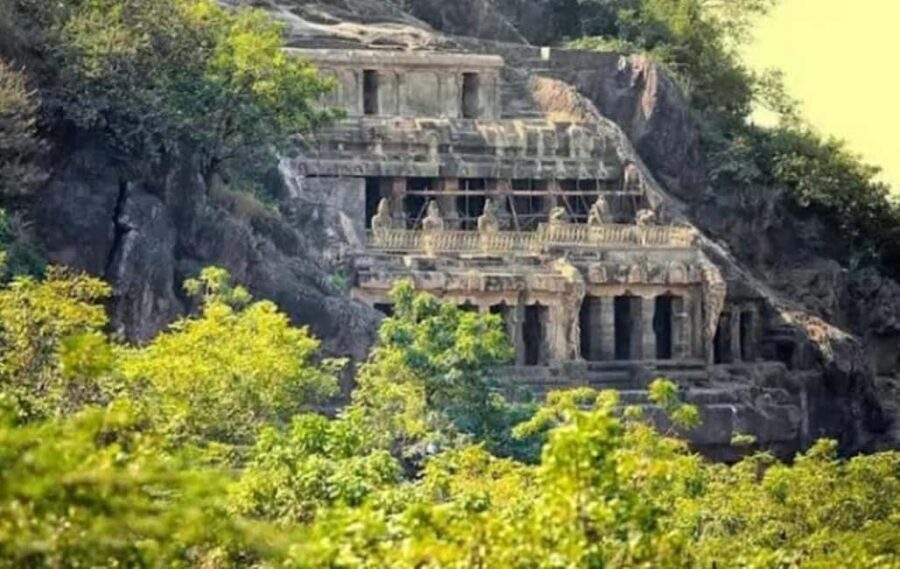
To close out the day, the tour includes sunset at the Bandra-Worli Sea Link. This 5.6 km engineering marvel spanning the Arabian Sea is a powerful contrast after older landmarks and cave temples.
I like ending here for one reason: it gives you a visual “now” moment. The day covers layers of Mumbai—British-era monuments, living neighborhoods like Dhobi Ghat, ancient stone carvings—then you finish with a bridge that’s pure infrastructure and modern scale.
Bring your camera, but also bring patience. Sunset light changes quickly, and crowds can form depending on the day. Your guide can help you time the best moments for photos without turning the whole evening into a scramble.
Lunch choices: how to make the food part work for you
Lunch is included, and you’ll eat at a local restaurant. The tour points you toward two common options depending on what’s arranged: Britannia & Co. (including Parsi berry pulao) or Trishna (including butter garlic crab).
This is where I’d advise you to think like a planner, not a passenger. If you’re picky about seafood, you’ll likely want to steer the menu decision toward what you actually enjoy. One guide-led day I’ve heard about also encouraged a smarter approach to choosing lunch rather than treating it like a fixed “must.”
My practical suggestion: treat lunch like your one chance to slow down and refuel on purpose. Eat what you can handle comfortably in heat, hydrate, and keep dessert decisions for later if you have them in mind.
Price and value: is $98 for a full day a fair deal?
At $98 per person for a full-day guided program, you’re paying for three big things: a live English guide, pickup in Mumbai, and a route that stacks major sights with tickets included. There’s also a private-group element, which usually means you aren’t stuck waiting for a big bus crowd.
So is it good value? For me, it is if you want a plan that reduces decision fatigue. You don’t have to figure out the sequencing of Gateway/Colaba/Dhobi Ghat/Marine Drive/Elephanta/UNESCO stops yourself, and you don’t have to handle entrance tickets as part of the day’s stress.
That said, you should consider the tradeoff: you’re buying structure. If you prefer a slower, solo wandering style, a packed schedule can feel like pressure. And if Elephanta doesn’t happen due to tides, your “ideal day” changes—though the tour still includes enough anchor stops to stay satisfying.
The biggest practical considerations for your comfort
This is a full-day plan. That means comfort isn’t optional.
- Bring comfortable shoes. Dhobi Ghat and temple areas can mean uneven ground and standing.
- Bring sunscreen and water. The city sun adds up fast on a day that moves from sea to streets to caves when available.
- Bring a camera because you’ll likely want shots at the Gateway waterfront, Marine Drive, and the Sea Link at sunset.
- Expect the day to be organized around travel time between neighborhoods, not around long sit-down breaks.
Also, keep your expectations realistic about timing. One verified booking reported a situation where a guide didn’t turn up and the company didn’t respond to messages or calls. I can’t predict whether that happens to you, but I recommend you confirm pickup details clearly and keep a contact plan ready for the day-of.
Who this tour fits best (and who should skip it)
This tour makes the most sense if you:
- Want a first-timer overview with enough depth to understand what you’re seeing.
- Like a blend of major landmarks, local institutions, and a real working neighborhood stop like Dhobi Ghat.
- Prefer having an English guide connect architecture, culture, and everyday life without you doing research on the fly.
It might be less ideal if you:
- Hate walking in heat for long stretches.
- Want total freedom to choose your own lunch every day (lunch is included, with specific restaurant options).
- Need a guaranteed Elephanta visit regardless of tide conditions. It’s optional in this program.
If you’re also interested in additional local context, there’s an add-on option for an Ethical Dharavi Slum Tour.
Should you book this Mumbai full-day guided tour?
If you want a guided day that hits the major Mumbai icons plus at least one genuinely human stop (Dhobi Ghat), I think this is a strong choice. The best part is that the tour doesn’t treat Mumbai like a theme park. It mixes memorial landmarks, working life, sea views, and UNESCO heritage into a single coherent day.
I’d book it with two conditions: wear the right shoes and plan for the possibility that the Elephanta ferry depends on tides. If you’re comfortable with a flexible day and you want a private guide to keep things organized, this tour gives you good value for one day in a huge city.