REVIEW · MUMBAI
Group Tour of Dharavi Slum walk with local Guide
Book on Viator →Operated by Mumbai Dream Tours · Bookable on Viator
Two hours, and Dharavi makes sense. This guided walk takes you past working stalls and lived-in alleyways, including spots tied to Slumdog Millionaire, with explanations coming from people who know the place from the inside. What makes it stand out is the tight work-and-home route and the local guide who can answer questions on the spot.
What I like most is that you see both the industry side and the residential side, so the area doesn’t feel like a single photo-op. One possible drawback: you’ll be moving through busy lanes, so comfortable shoes and a patient attitude matter.
In This Review
- Key Things to Know Before You Go
- Dharavi in 2 Hours: What You Actually See
- Meeting Point, End Point, and How the Route Finishes
- The Real Value: A Local Guide Who Lives There
- Stop-by-Stop: The Work Zone (Where Materials Become Products)
- Place tied to Slumdog Millionaire
- Leather industries
- Pottery and small-scale making
- Making of soap
- Bakery and color dye
- A small alley you actually walk through
- Stop-by-Stop: Schools, Hospitals, and Homes
- Schools and hospitals
- Houses in slum
- Recycling Stops: Plastic, Veg Oil, and Shared Materials
- Religion and Community: A Shrine Shared Across Traditions
- The Slum Market and the Shape of Daily Trade
- Price and Value: Getting More Than a Photo Stop for $12.26
- What to Bring (and What to Expect) on a 2-Hour Walk
- Who Should Book This Dharavi Slum Walk?
- Should You Book This Tour?
Key Things to Know Before You Go
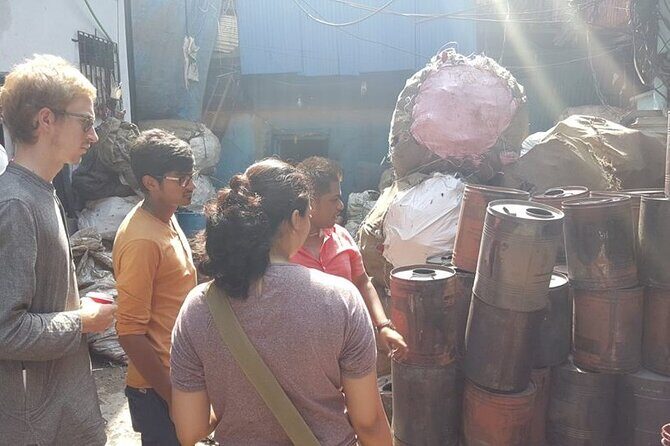
- Small group size (up to 15) keeps the walk interactive rather than a rush.
- Two-part experience: work zone + living zone gives you a fuller picture than stand-and-stare tours.
- Craft and recycling stops include leather work, pottery, soap-making, dye color, plastic recycling, and more.
- Culture isn’t separated into a lecture—you pass by schools, hospitals, and everyday places of worship.
- Local guides with real Dharavi roots (people like Bharti, Abhishek, and Mahesh) make the stories practical.
- Admission and bottled water are included, but food and coffee are not.
Dharavi in 2 Hours: What You Actually See
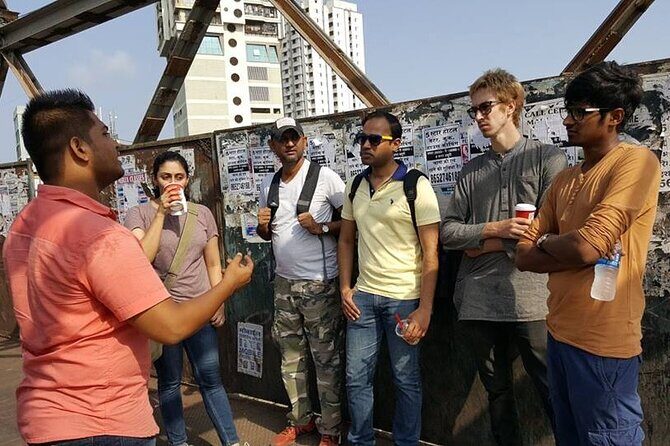
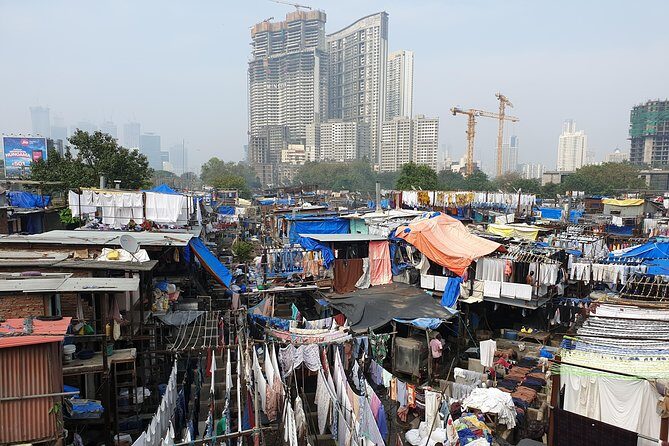
Dharavi can feel like a headline when you only read about it. This walk helps it click into something human-sized. In about two hours, you’ll cover a route that mixes production areas with residential streets, so you’re not just hearing about work—you’re watching how it fits into daily life.
The pacing is “walking with purpose,” not “slow sightseeing.” That’s good news if you want context fast. It also means you should treat it like an outdoor, neighborhood-style experience: pay attention, ask questions, and expect the route to be tighter than a typical city attraction.
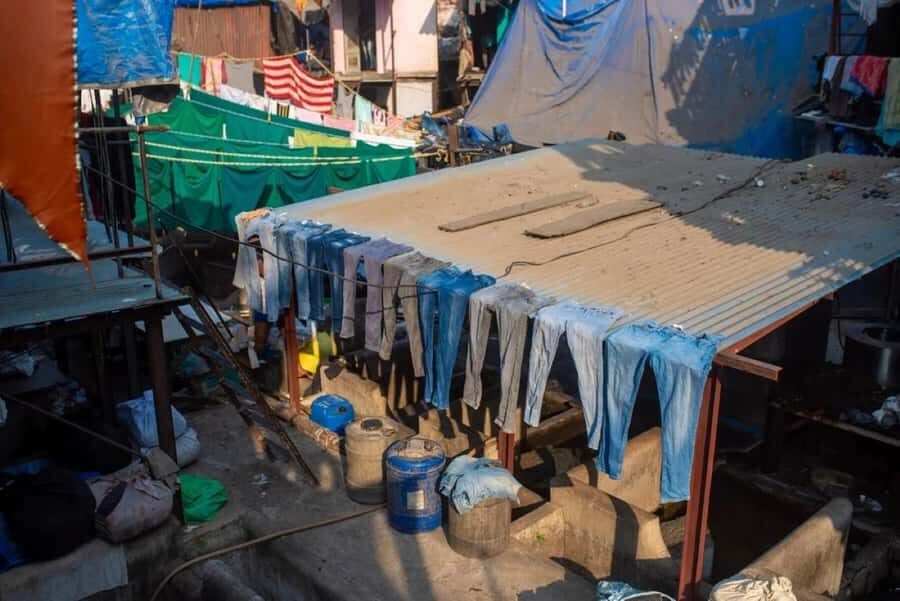
You’ll pass a variety of micro-worlds along the way: workshops, small alleys, shared community spaces, and the kind of practical recycling that keeps materials moving. And yes, you’ll also see a spot associated with Slumdog Millionaire, which adds a pop-culture reference point without replacing the real focus on people and work.
You can also read our reviews of more walking tours in Mumbai


Meeting Point, End Point, and How the Route Finishes
The walk starts at Third Wave Coffee, Tip Road, Unit 58, Ground, Ram Mahal, Senapati Bapat Marg, Mahim (Mumbai). It’s a clear landmark, and from that area it’s usually straightforward to reach by local taxi or Uber.
The walk ends at Sai Multispeciality Hospital & Research Centre, 90 Feet Rd, behind Sion Hospital—near Dharavi. Since you finish by a major road and a hospital area, you can typically grab a taxi or Uber from the end point more easily than if you were dropped deep inside the narrow lanes.
Time planning tip: this is an approximate 2-hour walk, so build in a little buffer before your next commitment. The neighborhood streets can slow things down, and that’s not a “problem”—it’s part of how you’re seeing Dharavi at walking speed.
The Real Value: A Local Guide Who Lives There
The standout element here is the guide. Not just “a person who knows the facts,” but someone who comes from the neighborhood and can explain how things work day-to-day.
In the reviews, guides with names like Bharti, Abhishek, and Mahesh get praised for being open to questions and for making the tour feel personal. That matters because Dharavi isn’t one thing. It’s industries next to homes, learning next to production, and different communities sharing the same street rhythms.
When your guide lives in Dharavi (as several guides do), explanations tend to come with practical logic: what’s made here, how materials move, why certain areas feel the way they do, and how daily routines shape the environment. It’s the difference between hearing a story and understanding a system.
Stop-by-Stop: The Work Zone (Where Materials Become Products)
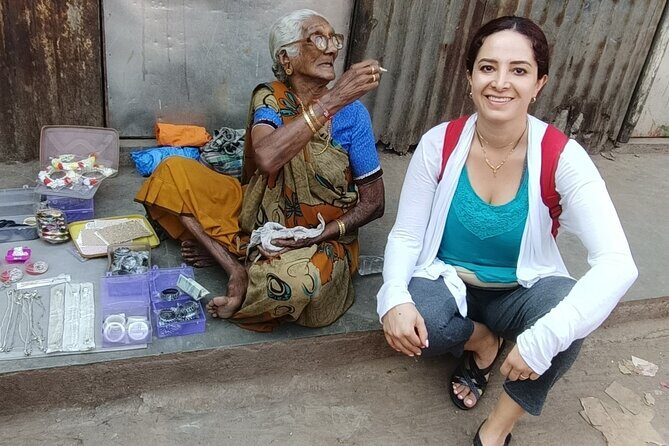
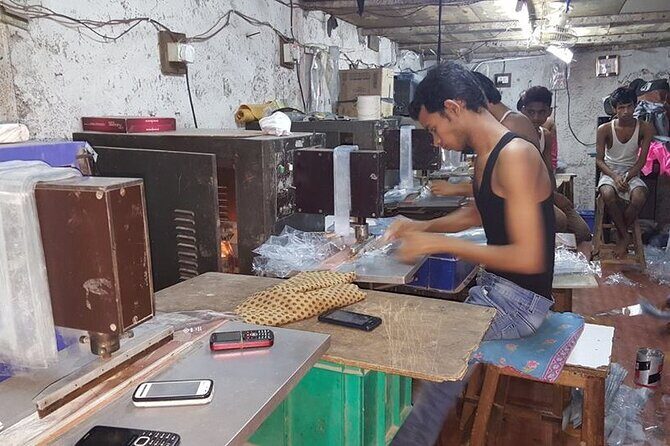
This walk doesn’t treat industry as an abstract concept. It’s built around seeing how small operations connect into a bigger production network.
Place tied to Slumdog Millionaire
You’ll start with a stop connected to filming from Slumdog Millionaire. Even if you’ve never watched the movie, this gives you a reference point for the camera-versus-reality gap. You’ll quickly move from film lore back into what the neighborhood is actually doing and making.
You can also read our reviews of more guided tours in Mumbai






Leather industries
Then comes leather work. You’ll see how this part of the local economy turns raw materials into finished goods. The learning value is in the details of process—what happens where, and how production stays close to the people who run it.
Pottery and small-scale making
Pottery shows up next. It’s a reminder that Dharavi isn’t only about processing materials—it’s also about shaping them by hand and craft. You get a feel for labor and skill, and how technique fits into a working neighborhood.
Making of soap
Soap-making is another practical stop. It’s a good choice for your tour because it connects everyday products to behind-the-scenes work. Even if you don’t buy anything, it helps you understand why certain stalls and workshop clusters exist.
Bakery and color dye
You’ll also pass areas tied to baking and to color dye. These stops add variety: food is one kind of trade, while dye work shows a different kind of production logic. Watching both in sequence helps you see Dharavi’s economy as a set of coexisting trades, not one “industry story.”
A small alley you actually walk through
Between the bigger production points, you’ll move through small alleys. This is where you start to feel the geometry of the place: narrow passages, shared space, and the way movement shapes how people live and work alongside each other.
Stop-by-Stop: Schools, Hospitals, and Homes
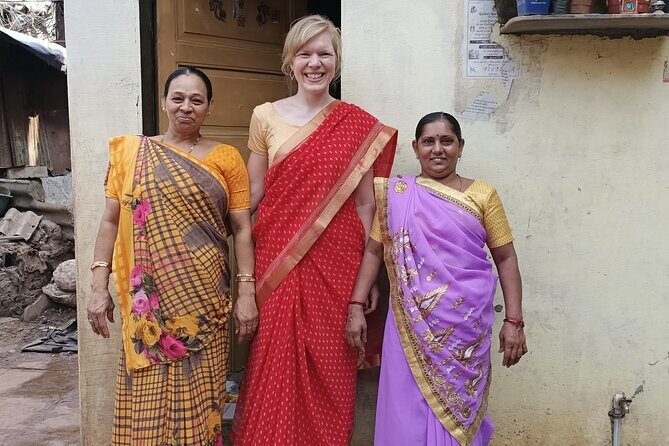
After the work stops, the tour shifts your attention to the residential side. This is crucial. Without it, Dharavi can come off like an industrial unit with no people inside. With it, you see the full layout of daily life.
Schools and hospitals
You’ll pass schools and hospitals, which changes the tone of the walk. Suddenly, you’re not only witnessing production; you’re seeing how the community supports learning and health. It also helps you understand why the neighborhood functions the way it does—families need services nearby, and those services become part of the area’s rhythm.
Houses in slum
Then you’ll see houses in slum. It’s one of the most powerful parts of the experience, because it puts work into context. You realize how tight logistics are, how routines connect to space, and how families and workers share the same environment.
This section is also where you’ll understand the emotional reason people remember these walks. Not because it’s dramatic, but because it’s real life—close, crowded, and deeply structured around survival and work.
Recycling Stops: Plastic, Veg Oil, and Shared Materials
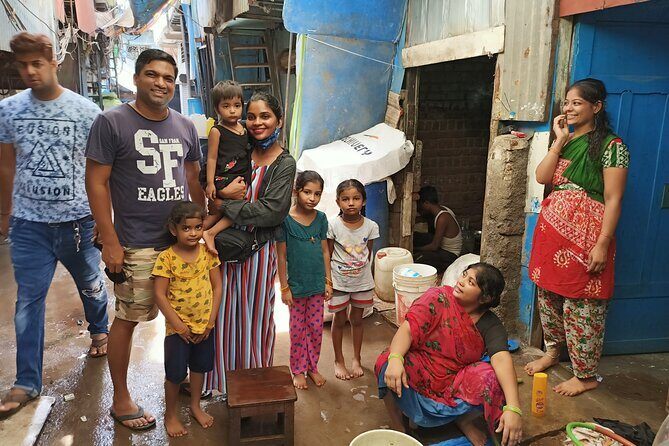
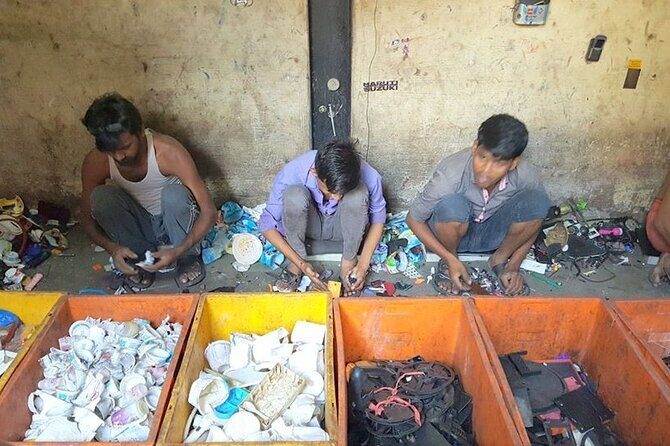
If you only expect an “industry tour,” you might miss what makes Dharavi especially interesting for first-time visitors: recycling as a practical craft.
You’ll see plastic recycling, where used plastics get sorted and processed into reusable inputs. It’s a small-window look at a much larger global story—waste management that happens at the street level.
You’ll also learn about the recycling of veg oil. That’s one of those topics that sounds technical until you see how it fits into daily production and materials handling. The value for you is not just the fact of recycling, but the logic behind it: materials keep moving because someone keeps working them into new uses.
When you pair these recycling stops with the earlier craft and dye work, the whole route starts to feel like an interconnected supply chain—one that’s built from local skills.
Religion and Community: A Shrine Shared Across Traditions
One stop that many people remember for its human angle is where you’ll see Muslim people making a shrine for Hindus. This isn’t presented as a complicated debate—it’s shown as everyday interaction between communities.
It helps you notice how cultural life isn’t always separated by strict boundaries. In a neighborhood like this, shared spaces and shared responsibilities can look ordinary because they’re just part of life.
If you’re the kind of visitor who likes your cultural experiences grounded in real street examples, this moment does real work for your understanding.
The Slum Market and the Shape of Daily Trade
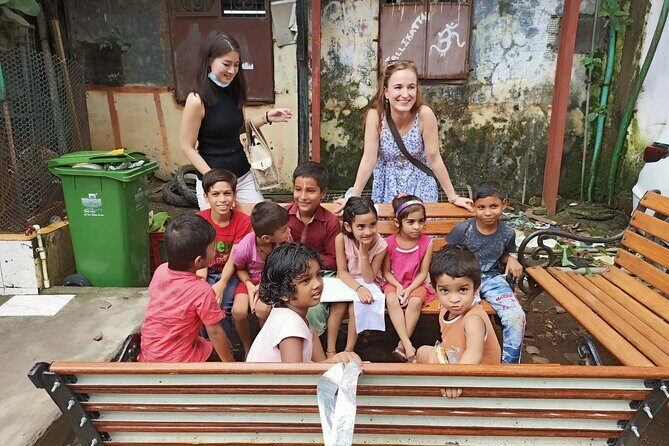
The walk ends with time in the slum market area. This part is about seeing the neighborhood as a place for exchange, not only production.
Markets are where you can sense the tempo: items, conversation, and the everyday decisions people make. Even if you’re not buying, it’s a strong way to cap a tour that started in workshops and moved through living spaces.
And because the group is small—up to 15—you’re more likely to get a guided explanation of what you’re seeing instead of getting swept along.
Price and Value: Getting More Than a Photo Stop for $12.26
At $12.26 per person, this is one of those prices that feels almost too easy to ignore—until you see what’s included. You get an English-speaking guide, bottled water, and an experience where you’re walking through a mix of work, home life, services, recycling, and market space.
Food and coffee are not included, so plan on buying snacks only if you want them later. Tips aren’t included either, which matters if you want to reward a guide for time and effort.
Is it “cheap” cheap? For Mumbai, in terms of what you see and the fact that the guide is from the neighborhood, it’s strong value. For a short 2-hour walk, it avoids the “pay for transit, pay for waiting” problem. You’re paying primarily for access and context.
What to Bring (and What to Expect) on a 2-Hour Walk
Because this is a walking experience inside active areas, you should show up ready for close quarters. The tour involves short distances but frequent turns and changes in scene—workshops, alleys, homes, and community spaces.
Bring:
- Comfortable shoes for tight lanes
- A water-friendly mindset (bottled water is included)
- A phone with enough battery for referencing what you’re hearing
Bring mentally:
- Patience. The route goes where life goes.
- Curiosity. The guides do well when you ask real questions.
- Respect. This is someone’s neighborhood, not a theme set.
Who Should Book This Dharavi Slum Walk?
This tour fits best if you want:
- A guided experience where someone local explains what you’re seeing
- A route that covers both work and daily life, not just one side of Dharavi
- Short-time planning (about 2 hours) without giving up depth
It may feel like the wrong match if you want a quiet museum-style visit. This is a living place with movement and real activity. But if you want to understand Mumbai at street level, it’s a smart use of time.
Should You Book This Tour?
Yes—if you care about context more than spectacle. The reason to book is simple: the walk is structured to show you how industry, recycling, services, and home life overlap, and the guide connection makes the explanations practical. With $12.26 pricing, bottled water, and an English-speaking guide included, you’re paying for real access without stretching your budget.
If you’re uneasy about crowds, tight lanes, or seeing everyday life up close, go slower in your expectations. But for most people who want an honest view of Mumbai’s working neighborhood systems, this is an efficient, high-impact choice.