REVIEW · MUMBAI
Mumbai: Full Day Private Mumbai City Tour by Car
Book on GetYourGuide →Operated by MadExplorers · Bookable on GetYourGuide
Mumbai hits hard, in a good way. This full-day private tour strings together colonial-era icons and everyday city scenes, so you get the big-picture feel without spending half your day figuring out streets. I like that you travel in an AC car with a live guide who keeps the story moving from stop to stop.
Two things I’d call out: the UNESCO stop at Chhatrapati Shivaji Terminus and the thoughtful Gandhi chapter with a visit to Mani Bhavan. One thing to plan for: it’s an 8-hour day, so you’ll want comfy shoes and patience—Mumbai traffic and short transitions can make the day feel long.
In This Review
- Key things to know before you go
- A private car day that makes Mumbai easier
- Gateway of India and Taj Mahal Palace: starting with Mumbai’s headline scene
- Kala Ghoda art district: colonial buildings plus museums and galleries
- Oval Maidan and Rajabai Clock Tower: Gothic Revival in the middle of Mumbai
- Horniman Circle and the Asiatic Society Library: civic style and old-world scholarship
- Chhatrapati Shivaji Terminus (UNESCO): the stop that makes the day feel worth it
- Crawford Market and Marine Drive: local flavors and the Arabian Sea view
- Mani Bhavan and Malabar Hill: Gandhi’s Mumbai plus big city views
- Antilia and Dhobi Ghat: modern power and everyday work side by side
- What you’re really paying for: value of $82 for 8 hours
- Tour guide impact: professionalism that changes the day
- Who should book this Mumbai private tour?
- Should you book this Mumbai city tour?
- FAQ
- How long is the Mumbai city tour?
- Do I get hotel pickup and drop-off?
- Is the tour private and in English?
- What’s included in the price?
- Does it include a visit to UNESCO Chhatrapati Shivaji Terminus?
- Can I cancel for a refund?
Key things to know before you go
- Hotel or airport pickup means you start without the scramble
- Air-conditioned private car helps when the heat and traffic turn up
- Major landmarks in a smart order, including UNESCO and Marine Drive views
- Museum and architecture stops that explain what you’re seeing as you go
- Guides get praised by name—Mr. Anas for professionalism, Mr. Abdul Shaikh for history and key sights
- Entrance fees and essentials included, so you’re not stuck budgeting mid-day
A private car day that makes Mumbai easier
This is a full-day private tour (8 hours) built around comfort and timing. You get hotel pickup and drop-off, plus an air-conditioned vehicle for sightseeing, so you’re not bouncing between transit systems or burning time on logistics.
Because it’s private, the pace is more controllable. Your guide also keeps the day coherent by moving you from one landmark cluster to the next—one of the best ways to handle Mumbai when you only have limited hours.
Also note: the sequence of stops can vary based on where you’re staying. That’s normal for a car-based route in a city that doesn’t exactly follow a calm, orderly script.
You can also read our reviews of more city tours in Mumbai


Gateway of India and Taj Mahal Palace: starting with Mumbai’s headline scene
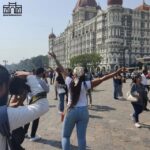
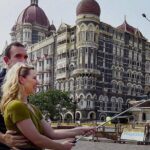
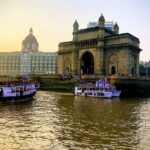
Most city days should start with something that tells you what you’re in for. Here, you begin around the Gateway of India and the Taj Mahal Palace Hotel, two of Mumbai’s most recognizable historic anchors.
This is where you’ll get your first real “postcard” perspective of the waterfront. It’s also a helpful way to orient yourself before the day shifts into architecture districts, museums, and local neighborhoods.
Practical tip: if you like photos, check your camera settings before you arrive. This stop is one of those places where you’ll want quick shots without fiddling around.
Kala Ghoda art district: colonial buildings plus museums and galleries
After the waterfront start, you move into Kala Ghoda, an area known for its colonial-era architecture and cultural institutions. Even if you don’t plan to go deep into every museum, the streets and buildings give you the visual context for what Mumbai built first—and what it still carries today.
Key stops here include the Chhatrapati Shivaji Maharaj Museum, the Sassoon Library, and the Jehangir Art Gallery. The best part isn’t just that these places exist—it’s that your guide ties them together, so you’re not wandering through separate “random culture stops.”
If you’re the type who likes structure, this section works well. You’ll see how the art and civic spaces connect, and why this district is often where people come to understand the city’s earlier identity.
Oval Maidan and Rajabai Clock Tower: Gothic Revival in the middle of Mumbai
Next up: Oval Maidan and the Rajabai Clock Tower. This is classic “big landmark” territory—Gothic Revival architecture that looks dramatic even from a distance.
The clock tower isn’t just pretty; it’s a moment where Mumbai shows you its institutional confidence. It’s the kind of view that helps you understand why the city’s architecture feels intentional, not accidental.
From a visitor perspective, it also serves a practical purpose: it’s an open area where you can pause, reset, and get a breather before the next set of older civic buildings.
Horniman Circle and the Asiatic Society Library: civic style and old-world scholarship
Then you head to Horniman Circle and the Asiatic Society Library. This is Mumbai moving into the “orderly civic” mode—circles, facades, and the formal vibe of places that were built for learning and administration.
The Asiatic Society Library fits the day nicely because it gives you a contrast to the street-energy stops. It’s a quieter chapter, and your guide’s explanations help you connect the dots between architecture, institutions, and how the city gathered knowledge over time.
If you like cities where you can “read” meaning in buildings, you’ll enjoy this stretch. If you’re tired, it still gives you enough wow-per-minute without requiring you to walk miles.
You can also read our reviews of more private tours in Mumbai



Chhatrapati Shivaji Terminus (UNESCO): the stop that makes the day feel worth it
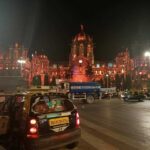
You’ll visit Chhatrapati Shivaji Terminus, a UNESCO World Heritage Site. This is the kind of landmark that pulls focus instantly. The station’s design and scale make it clear that this isn’t just functional infrastructure—it’s a statement.
As a visitor, the best value here is the guide context. With history and design points explained on the spot, you’re not just taking photos; you’re understanding why the building matters.
If you care about architecture, trains, or classic stonework, this is likely the emotional high point of the day. Even if you’re not picky about buildings, you’ll still notice how different it feels from the surrounding city streets.
Crawford Market and Marine Drive: local flavors and the Arabian Sea view
After the heritage anchors, the tour turns toward daily life with Crawford Market. This is the point where you start seeing Mumbai as a place people actually live and shop in.
You’ll soak in the lively atmosphere and colorful local flavors. Since your tour includes entrance fees but not personal expenses, this is the moment where you decide how much you want to spend on snacks, drinks, or small treats. It’s better to treat this stop as optional-you-money, not mandatory-you-money.
Next comes Marine Drive, famously called the Queen’s Necklace. This is your sea-view release valve after market energy. You’ll drive along the promenade for stunning views of the Arabian Sea, and it helps to break up all the earlier “brick and stone” focus.
If you want one simple takeaway: this part of the tour is where Mumbai feels cinematic. The guide’s narration helps you notice what you’d otherwise miss—like how the city’s mood changes as you shift from market streets to the coastline.
Mani Bhavan and Malabar Hill: Gandhi’s Mumbai plus big city views
Then the tour pivots to Mani Bhavan, Gandhi’s historic Mumbai residence, now a museum dedicated to his life and legacy. For many visitors, this is the most meaningful part of the day because it turns political history into a real place you can stand inside.
You’ll be able to slow down mentally here. The idea isn’t just to see a name on a sign—it’s to connect the city to a person and a turning point.
After that, you explore Malabar Hill, with stops including the Banganga Tank and views from the Hanging Gardens. This section adds variety. You move from museum learning to outdoor pauses and skyline perspective.
The Banganga Tank gives you a grounded, local-feeling point in the middle of the day’s bigger landmarks. Then Hanging Gardens delivers the payoff: city views that help you understand how Mumbai sprawls and clusters around its geography.
Antilia and Dhobi Ghat: modern power and everyday work side by side
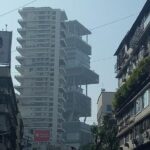
From Malabar Hill, the route takes you past Antilia, the 27-story private residence of business tycoon Mukesh Ambani. This is a fast contrast moment—an ultra-modern symbol in a city that carries layers of older architecture all around it.
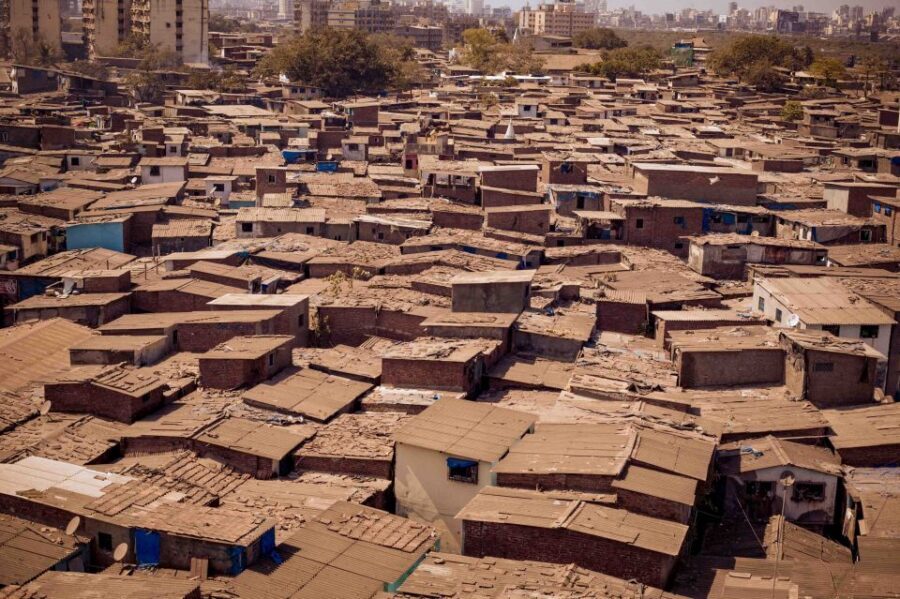
Then you witness Dhobi Ghat, described as the world’s largest open-air laundry. This is one of those sights that feels like it’s happening right in front of you, not staged for visitors.
For your experience, what matters most is attitude. Keep respectful distance, don’t act like you’re at a zoo, and let your guide explain what you’re seeing. When you do that, Dhobi Ghat becomes more than a spectacle—it becomes a window into labor, routine, and how the city keeps moving.
What you’re really paying for: value of $82 for 8 hours
Let’s talk money, because this price can look straightforward until you break down what’s included.
At $82 per person for an 8-hour private tour, you’re getting:
- hotel pickup and drop-off
- an air-conditioned vehicle for sightseeing
- a live English guide
- entrances (so you’re not constantly paying additional ticket fees)
- bottled water
- parking fees, fuel, taxes, and tolls
That’s a lot of “infrastructure costs” handled for you. In a city like Mumbai, it’s usually those extras—driver time, entry tickets, parking, and waiting—that make a tour feel expensive or cheap depending on what’s included.
One important note: personal expenses aren’t included. So if you plan to shop, eat a lot beyond what’s built into your day, or buy souvenirs at markets and galleries, budget extra.
Also, the tour includes skip the ticket line. That doesn’t mean you’ll never wait at all, but it’s genuinely helpful when you’re doing multiple stops in one day.
Tour guide impact: professionalism that changes the day
A private day stands or falls on the guide. And here, the guide quality is strongly praised.
In particular, Mr. Anas is specifically mentioned for professionalism and a gentle approach. Another guide, Mr. Abdul Shaikh, gets credit for being fantastic at providing a comprehensive history of Mumbai and showcasing the key attractions across the day.
Even if you’ve visited a few cities, this kind of guide attention makes a difference. You spend less time wondering what you’re looking at, and more time actually enjoying the places.
Who should book this Mumbai private tour?
I think this tour fits best if you’re:
- visiting Mumbai for the first time and want a high-impact day
- short on time and want a guided route that covers major highlights
- the type who likes architecture plus local-life stops, not just one theme
- traveling solo or with a small group and want private comfort and control
It might be less ideal if you prefer long, slow wandering on foot all day, or if you’re looking for a deeply specialized focus (like only museums, only street food, or only religious sites). This route is designed for breadth and smart coverage.
Should you book this Mumbai city tour?
Yes, if you want an efficient way to see Mumbai’s headline landmarks and major districts in one day. The mix is strong: UNESCO at Chhatrapati Shivaji Terminus, Gandhi at Mani Bhavan, and the sea views of Marine Drive, with local texture from places like Crawford Market and Dhobi Ghat.
Before you book, think about your priorities. If your ideal day is comfort plus structure plus big stops, you’ll likely feel glad you did this. If you want lots of unstructured free time or you hate car travel, you may want a different format.
Quick prep tip: plan for an 8-hour outing with sightseeing transitions. Wear shoes you can stand in, and bring a camera strap or secure storage—you’ll want it for architecture and waterfront shots.
FAQ
How long is the Mumbai city tour?
The tour duration is 8 hours.
Do I get hotel pickup and drop-off?
Yes. Pickup and drop-off are included, and the tour also mentions pickup from your Mumbai hotel or the airport to begin the full-day tour.
Is the tour private and in English?
Yes. It’s a private group, and the live tour guide speaks English.
What’s included in the price?
Included are hotel pick-up and drop-off, an air-conditioned vehicle, the tour guide, entrance fees, bottled water, and also parking fees, fuel, taxes, and tolls.
Does it include a visit to UNESCO Chhatrapati Shivaji Terminus?
Yes. The tour includes Chhatrapati Shivaji Terminus, which is a UNESCO World Heritage Site.
Can I cancel for a refund?
Yes. Free cancellation is available up to 24 hours in advance for a full refund.