REVIEW · MUMBAI
Mumbai: Dharavi Tour Including Car Transfer
Book on GetYourGuide →Operated by Reality Tours and Travel Private Limited · Bookable on GetYourGuide
Dharavi isn’t a postcard, it’s real life. This tour gives you a guided mix of Mumbai history, local industry, and a careful walk through the Kumbhar Wada pottery neighborhood. I like that you don’t just stare at a place—you get context as the city passes by outside the slum too, including the old textile mill area and areas like Kamathipura. One thing to consider: you’ll walk in areas that can feel crowded and dirty, and there’s a strict no-photography rule inside Dharavi.
Key to the experience is the way it’s paced. You start with a car ride from Colaba that frames what you’re seeing, then you switch to walking for the real neighborhood feel. I also appreciate the operator’s people-first approach—some guests have praised a guide named Bipin, and there’s even been help arranged for deaf support needs when required. The main drawback is simple: it’s an education-focused tour, and food isn’t included, so plan your meal timing.
In This Review
- Key points I’d plan for
- Booking value: why $39 can make sense for this 4.5 hours
- Colaba to Dharavi by car: context before the walk
- Entering Dharavi: narrow lanes, big systems
- Reality Gives–Mumbai: a quick guided stop with purpose
- Dhobi Ghat: the largest open-air laundry in the world
- Kumbhar Wada pottery lanes: 150 years and counting
- How the tour handles privacy and respect (and why it matters)
- Social issues on the route: the careful way context is built
- Guide quality: what the best trips feel like
- What this tour includes (and what it doesn’t)
- Dress, shoes, and comfort: small choices that change everything
- Who should book this Dharavi tour (and who might not)
- Should you book? My take
- FAQ
- How long is the Mumbai Dharavi tour with car transfer?
- Where do I meet the guide?
- Is hotel pickup included?
- Do I get food on the tour?
- Is the tour guided in English?
- Can I take photos in Dharavi?
Key points I’d plan for
- Car-to-walk format: history and city context first, neighborhood on foot after
- Dhobi Ghat stop: you’ll see the largest open-air laundry in the world
- Kumbhar Wada: a short visit to a 150-year-old pottery area
- No-photography policy: you must respect privacy inside the slum
- Industry variety: recycling, pottery, embroidery, bakery, soap making, leather tanning, poppadoms, and more
- Human guidance: English-speaking local guides, and support for special needs when possible
Booking value: why $39 can make sense for this 4.5 hours
At about $39 per person for 4.5 hours, this tour is priced like a focused city experience, not a long half-day sightseeing marathon. You’re paying for three things: a local English guide, hotel/residence pickup and drop-off (optional pickup, depending on your start point), and transportation time that helps you connect Colaba to Dharavi without hassle.
The value is strongest if you want more than a photo-driven walk. You’re getting explanations along the way—why Dharavi exists, how it links to Mumbai’s growth, and what kinds of work power many households. The tour also includes water/cold drinks, which is a real comfort in Mumbai’s heat.
If you’re expecting a “tourist show” with lots of polished stops and lots of free time, you might find the format short and tightly guided. But if you want to understand the place in a respectful way, it’s a good use of your limited hours.
You can also read our reviews of more tours and experiences in Mumbai



Colaba to Dharavi by car: context before the walk
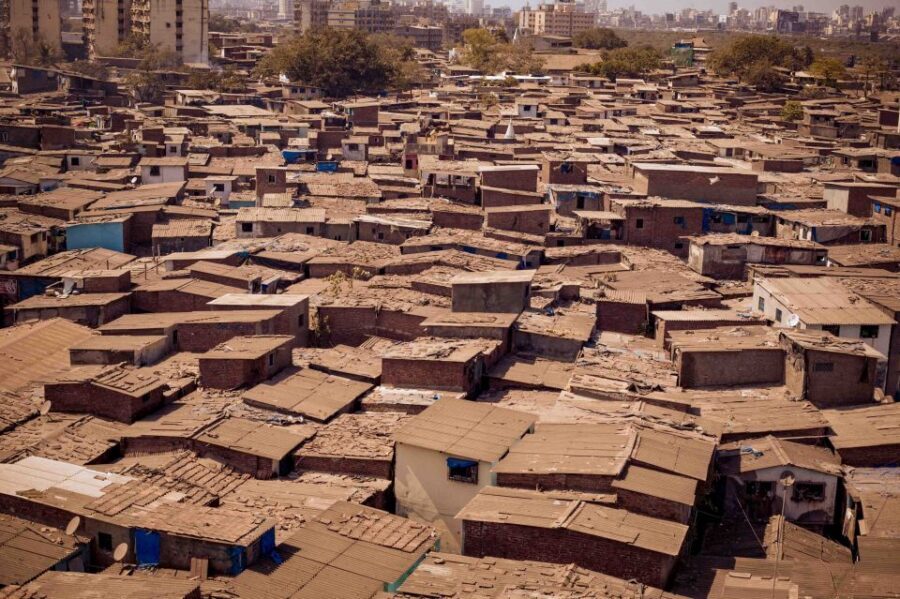
The day starts with a car transfer. You’ll head north from Colaba toward Dharavi, and during the ride your guide shares history and street-level context.
What I like about this approach is timing. Before you step into the narrow lanes, you learn how parts of Mumbai got shaped. For example, as you pass the historical textile mill area, you’ll hear how that once-crucial industry helped build the city into what it is today. You’ll also pass areas associated with ongoing social issues—like Kamathipura’s red light area—and your guide will tie those observations back to the wider social fabric of the city.
This matters because Dharavi can otherwise feel like a single, isolated “type of place.” With the car framing, you see it as part of Mumbai’s engine: labor, migration, industry, and the city’s uneven development.
One practical note: the ride is short enough that you won’t lose time, but long enough to get that mental gear shift from tourist mode to real-world mode.
Entering Dharavi: narrow lanes, big systems
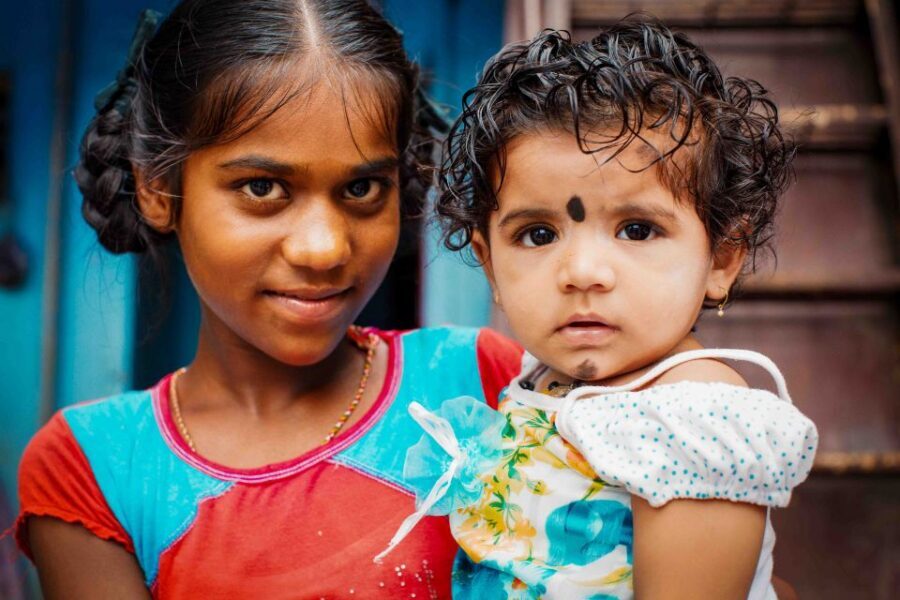
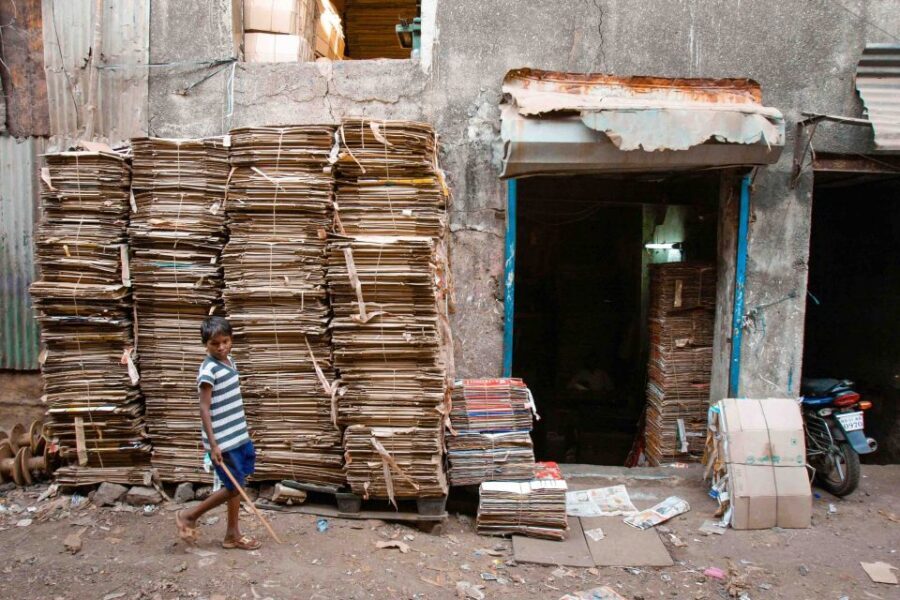
Once you arrive, you transition into the walking portion—about 1 hour in the Dharavi area. This is where you’ll explore narrow streets and alleys on foot. It’s not a slow stroll through a themed market; it’s closer to seeing how daily movement actually happens in tight spaces.
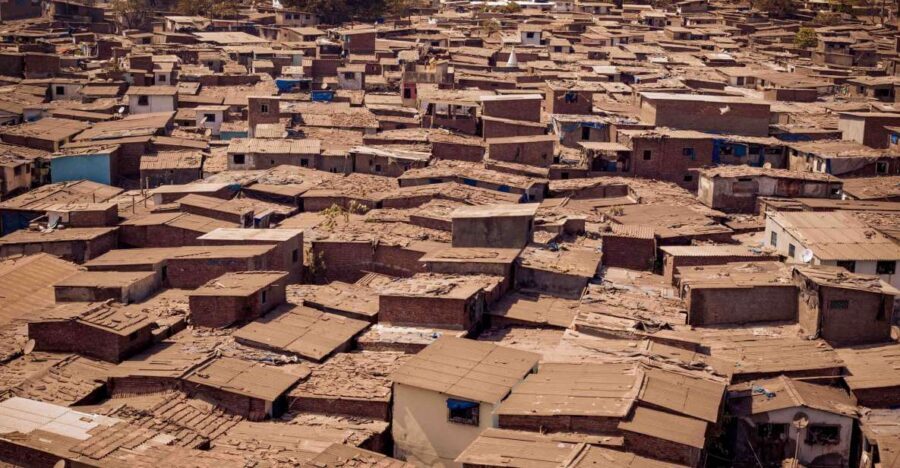
Here’s what the tour tries to emphasize: Dharavi isn’t presented as a single story. It’s framed as a place of work and creativity, often called Mumbai’s beating heart. The scale helps explain why. Dharavi houses around one million residents, and the small-scale industries there have an estimated annual turnover of about US$ 665 million.
Your walking route includes time to understand the range of activities you may spot or hear about—things like recycling, pottery-making, embroidery, bakery work, soap production, leather tanning, and poppadom-making. The guide helps you connect what you see to the jobs that keep people fed and the products that travel beyond Mumbai.
Reality Gives–Mumbai: a quick guided stop with purpose
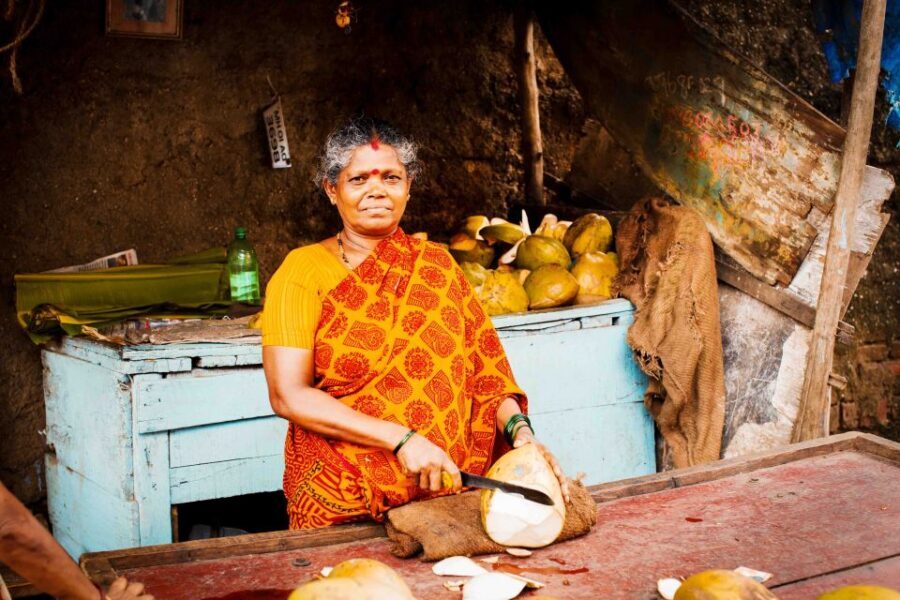
Next is a short visit to Reality Gives–Mumbai (about 10 minutes) with guided tour and sightseeing. The time is brief, so think of it as a “blink-and-learn” stop—enough to give you another layer of understanding, not enough to replace longer museum-style visits.
What makes a short stop useful on a tour like this is contrast. You’re moving from street-level work to a more structured setting, which can help you organize what you’re learning. If you’re the type who likes to connect the dots, even a short pause like this can make the overall day feel less chaotic.
The only caution: because it’s short, don’t count on it for the deepest explanations. Your main learning still comes from the walking parts and the car-based context.
Dhobi Ghat: the largest open-air laundry in the world
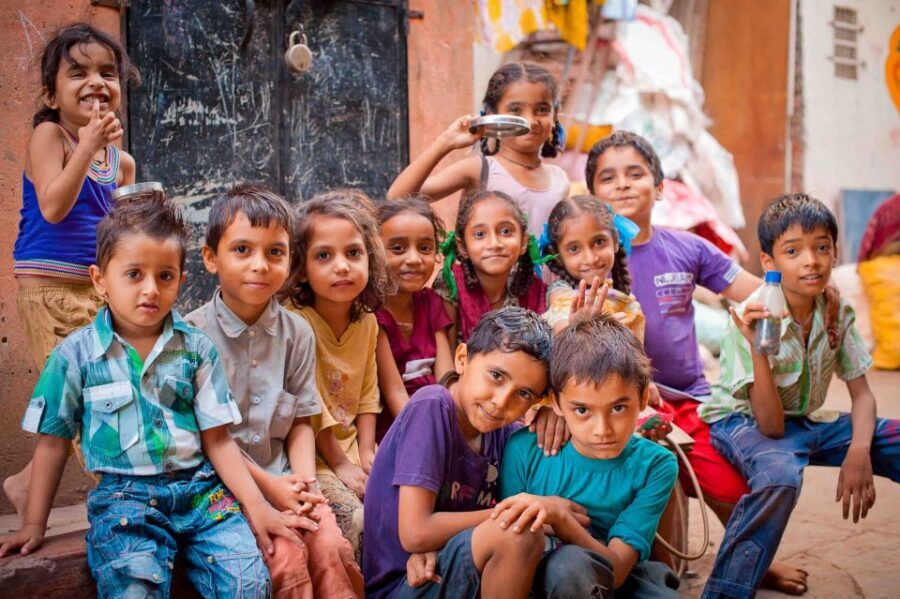
Then you’ll stop at Dhobi Ghat, described as the largest open-air laundry in the world. This is one of those places where the scale hits you fast. You’re not just seeing laundry as an idea—you’re seeing an entire process happening in public, tied to daily rhythms of the city.
This stop is valuable for two reasons. First, it shows work done at industrial scale without industrial buildings—clothes handled in open spaces, with a visible flow of tasks. Second, it helps you understand the logistics behind everyday life in a huge city like Mumbai. When you see labor like this in motion, it’s easier to grasp why Dharavi’s economy is shaped by practical trades and constant demand.
Wear shoes you can stand in. You’ll want something secure, because this is the kind of place where surfaces can be uneven, damp, or dirty.




Kumbhar Wada pottery lanes: 150 years and counting
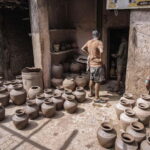
After Dhobi Ghat, the tour makes a short visit to Kumbhar Wada, about 15 minutes, in the pottery neighborhood known for its 150-year history.
This is the part I’d call “craft-focused.” In a place where you’ve already been learning about multiple industries, Kumbhar Wada gives you a clearer example of how one trade can shape a community over time. Even in a short visit, you can get the feel of how heritage work keeps going—how skills get passed, and how the neighborhood identity stays tied to what people make.
It’s also a nice change of pace from the louder, broader street scenes. If you like design, materials, or hands-on work, you’ll likely enjoy the straightforward attention to pottery culture.
How the tour handles privacy and respect (and why it matters)
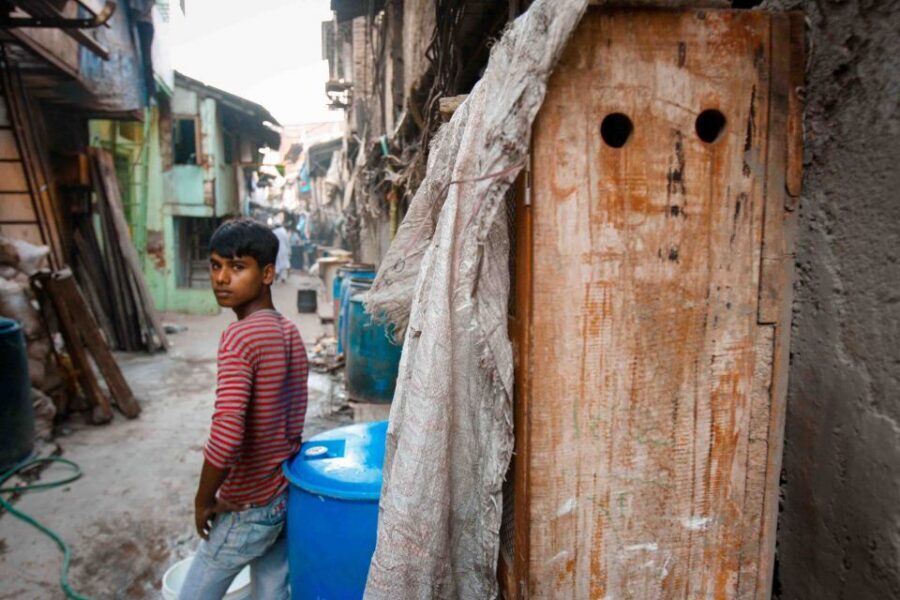
There’s a strict no-photography policy inside the slum. That isn’t a “tour rule” meant to limit your fun; it’s about privacy for residents. The guide will also ask you to dress modestly: shoulders and chest covered, clothing below the knee, and nothing too tight or revealing.
I also strongly suggest you treat covered shoes as non-negotiable. Some areas can be dirty, and Dharavi’s narrow lanes mean you’ll be stepping around a lot.
If you’re someone who hates rules, this might feel annoying. But if you’re trying to visit thoughtfully, these guidelines help you act like a guest rather than a gawker.
Social issues on the route: the careful way context is built
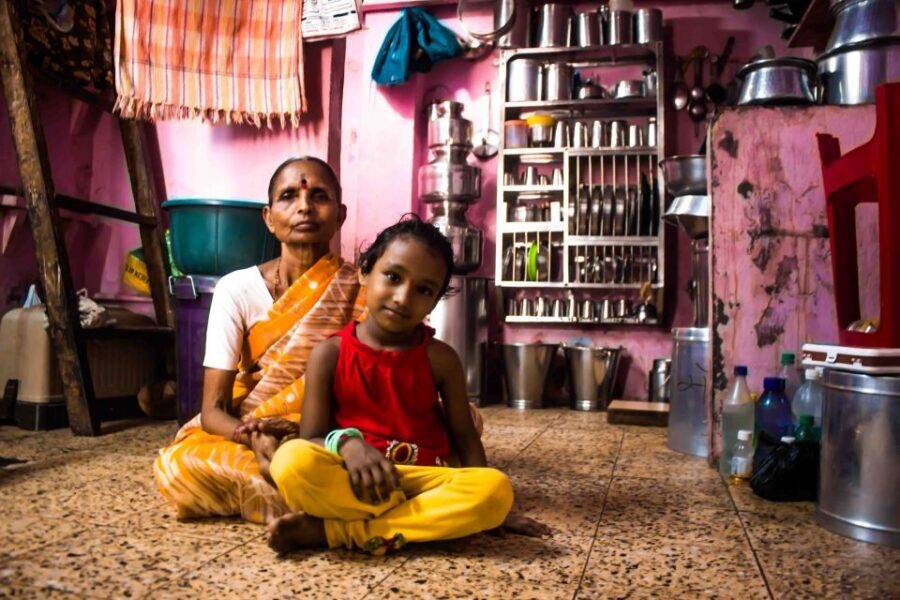
One of the more meaningful parts of this experience is that you don’t only learn about Dharavi. You’ll also get commentary on social issues as you pass certain neighborhoods around Mumbai, including areas like Kamathipura.
This matters because it frames Dharavi as part of a larger urban system rather than a single “problem area.” Your guide’s job is to connect the dots between history, migration, work, and ongoing social challenges. You’re not asked to agree with everything or accept a single narrative—you’re given a lens that helps you understand why things are complicated.
If you’re the type who likes clean, simple answers, Mumbai’s realities won’t always cooperate. But that’s also why this tour can be more memorable than a standard sightseeing checklist.
Guide quality: what the best trips feel like
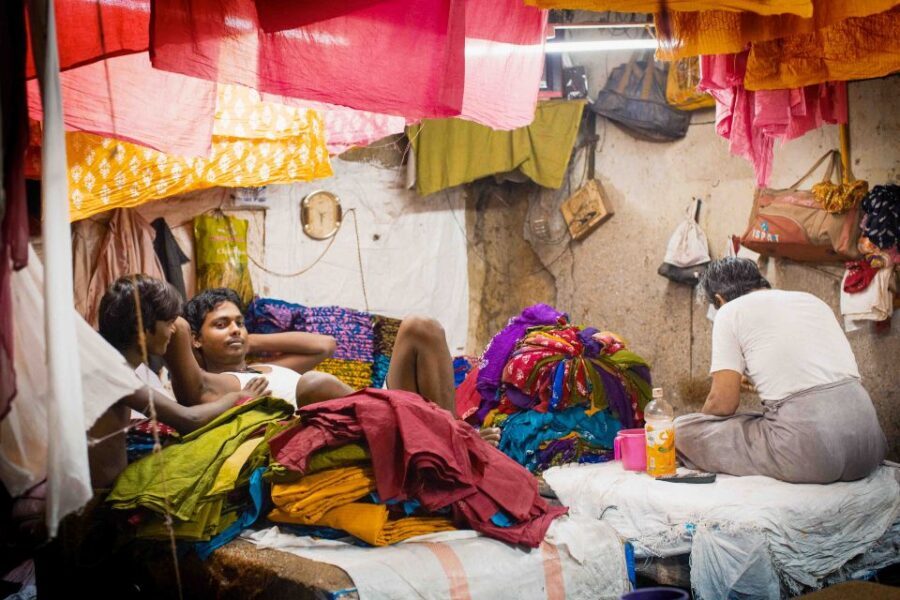
The tour includes a local English-speaking guide, and the human side is repeatedly highlighted in guest feedback. One specific guide name you may hear referenced is Bipin, praised for making the experience feel personable—especially when time involves shopping at a market and spending time around an Indian family context.
Another recurring positive detail is the operator’s willingness to adjust when needed. In one case, support was arranged for deaf guidance needs by pulling in a deaf guide resource when the situation required it.
You shouldn’t assume every tour will match that exact scenario, but the signal is clear: this isn’t run on autopilot. If you want your day explained in plain language (with real local care), this operator’s approach is a strong point.
What this tour includes (and what it doesn’t)
Included:
- Local English-speaking guide
- Hotel pickup and drop-off
- Water/cold drinks
Not included:
- Food
Because food isn’t included, plan how you’ll eat before or after. If your stomach is sensitive, you’ll also feel better if you’ve got a simple meal plan ready when the tour ends—especially since Dharavi can be physically intense compared to more open-air neighborhoods.
Dress, shoes, and comfort: small choices that change everything
For this tour, your clothing and shoes matter more than usual. Bring comfortable clothes and follow the modest dress guidance. Covered shoes help with dirty patches and uneven ground.
Also, consider that you’ll spend time walking through tight streets. Light layers and breathable fabric make the day easier. You don’t need special gear, but you do need comfort that lets you focus on learning rather than pain.
Who should book this Dharavi tour (and who might not)
This tour is a strong fit if:
- You want context about Mumbai, not only sightseeing
- You like practical learning about local industry and daily work
- You prefer a guided approach with a local English speaking guide
- You’re open to a respectful, privacy-focused visit (no photos inside Dharavi)
It may be less ideal if:
- You strongly dislike walking in narrow, crowded spaces
- You want lots of time for casual browsing or extra stops
- You need photography during the walk (the policy is strict inside the slum)
- You’re hoping for a food included day
If you fall somewhere in the middle, don’t overthink it. Just match your expectations: it’s education through a real neighborhood, not a theme-park itinerary.
Should you book? My take
I’d book this tour if you want a short, structured experience that connects Dharavi to the wider story of Mumbai. The car transfer helps you understand the city before you step into the lanes, Dhobi Ghat gives you a dramatic look at everyday labor at scale, and Kumbhar Wada adds a craft and history thread you can actually picture.
Skip it only if you know you can’t handle the walk style, the modest dress expectations, and the no-photography rule. If those points are fine with you, this is a thoughtful way to spend half a day in Mumbai.
FAQ
How long is the Mumbai Dharavi tour with car transfer?
The tour lasts 4.5 hours.
Where do I meet the guide?
You meet outside Leopold Cafe on the side street Nowroji Fardonji Road, off Colaba Causeway.
Is hotel pickup included?
Hotel/residence pickup is included, with pickup described as optional depending on your selected option.
Do I get food on the tour?
No. Food is not included.
Is the tour guided in English?
Yes. It has a live English-speaking guide.
Can I take photos in Dharavi?
No. There is a strict no-photography policy while in the slum to protect residents’ privacy.