REVIEW · MUMBAI
Mumbai Sightseeing Tour by Public Transport with family Lunch
Book on Viator →Operated by Mystical Mumbai · Bookable on Viator
Old landmarks meet real local routines. This Mumbai tour strings together public transport city life with major sights like Chhatrapati Shivaji Maharaj Terminus and Marine Drive, while also making time for a family lunch at Banganga. What I like most is how practical it feels day-to-day, not museum-only, and how guides keep the story clear even when the streets get busy. One thing to plan for: it is a 6-hour walk-and-ride mix, so you’ll want comfortable shoes and a bit of patience around rail platforms.
A big plus is the guide energy. People have praised guides such as Aarti for being articulate and caring, Nikesh for answering questions fully (and keeping it fun with jokes), and Anthony for staying patient in crowds. You’ll get English narration that helps you connect dots fast, which is exactly what you want on a limited time day.
For value and logistics, I also like the setup: free admission is listed for all the key stops, you get a mobile ticket, and you start in the Fort/Ballard Pier area and end near Mani Bhavan Gandhi Sangrahalaya. It’s also private in the sense that only your group participates, which usually means less waiting around and fewer side trips.
In This Review
- Key highlights you’ll actually feel
- Why Mumbai Makes Sense By Public Transport
- Price and Value: What $50 Really Buys You
- Regal Cinema: Starting With Mumbai’s Old-School Screen Culture
- Chhatrapati Shivaji Maharaj Terminus: Gothic Grandeur With a Train-Working Heart
- Dhobi Ghat and Churchgate: Laundry Labor and Lunch-Box Logistics
- Marine Drive and the Queen’s Necklace Walk
- Banganga: Holy Tank, Underground Springs, and Family Lunch With Your Guide
- Jain Temple at Walkeshwar Teen Batti and Hanging Gardens on Malabar Hill
- Pickup, Timing, and How the Route Ends Near Mani Bhavan
- Who This Tour Fits Best (and a few people who should think twice)
- Should You Book This Mumbai Public Transport Tour?
- FAQ
- How long is the Mumbai sightseeing tour by public transport?
- How much does the tour cost per person?
- What time does the tour start?
- Where is the meeting point?
- Is pickup available?
- What does the tour include for lunch?
- Are admission tickets included for the stops?
- Is the tour guided in English?
- Is it a private tour or shared with other groups?
- What is the cancellation policy?
- Where does the tour end?
Key highlights you’ll actually feel

- Public transport pacing: you ride how locals move, not just how a bus schedule feels.
- Dhobi Ghat perspective: open-air laundry work from 1890, tied directly to hotels and hospitals.
- Dabbawalla logistics at Churchgate: see the station view where lunch-box delivery is organized for huge volumes each day.
- Banganga family lunch: a holy tank fed by underground springs, plus time to eat with your guide.
- Malabar Hill viewpoints: Jain Temple area and Hanging Gardens with big views over the city.
Why Mumbai Makes Sense By Public Transport
Mumbai’s sights are not separate from daily life. They’re woven into it. Doing the loop by public transport means you don’t just look at the city; you get a sense of how people actually travel, wait, and connect.
You’ll also get built-in context at key spots. At Churchgate Railway Station, you’re not only seeing architecture—you’re standing where lunch logistics matter. At Marine Drive, you’re seeing why the promenade earns its nickname, because you can look at the curve and imagine the lights reflecting. That’s hard to recreate with a quick drive-by.
One more underrated win: the tour structure helps you get your bearings fast. Even if you’re only in Mumbai for a short time, this kind of route makes the city feel less random.
You can also read our reviews of more tours and experiences in Mumbai


Price and Value: What $50 Really Buys You

The price is $50 per person for about 6 hours, and the value is the combination—not any single line item.
Here’s what you’re paying for, in practical terms:
- An English-speaking guide who explains what you’re seeing (and can handle questions patiently).
- Public transport as the main movement method.
- Free admission tickets listed for all the major stops on the route.
- A family lunch experience with your guide at Banganga.
- A mobile ticket, plus pickup offered.
If you were to do these sights on your own, the cost would likely creep up fast once you factor in guide time, transit coordination, and admission. This also reduces decision fatigue. You don’t need to plan which station to enter or how to fit the viewpoints in one day.
At the same time, keep your expectations realistic. It’s not a full-day sit-down tour. You’ll be moving, timing matters, and you’ll spend portions of time looking out from stations, promenades, and hill areas.
Regal Cinema: Starting With Mumbai’s Old-School Screen Culture
The tour starts at Regal Cinema, one of Mumbai’s oldest movie theaters. This isn’t just a photo stop. It’s a quick way to remind you that Mumbai’s identity includes entertainment culture, not only colonial-era buildings and religious sites.
If you like travel days that start with something human (people still go to movies, generations still share that routine), Regal Cinema fits perfectly. It’s also a calm entry point before the big-station buzz.
Practical tip: even a short stop matters here. If you’re the type who likes to read the details slowly, use that brief time to take in the facade and set the mood for the rest of the day.
Chhatrapati Shivaji Maharaj Terminus: Gothic Grandeur With a Train-Working Heart
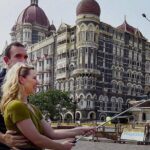
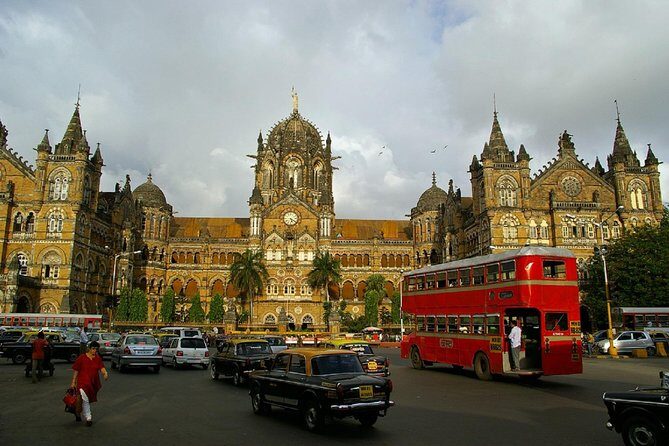
Next up is Chhatrapati Shivaji Maharaj Terminus, a high Gothic Victorian landmark and the centerpiece of the city’s suburban train network. This is one of those places where “beautiful” isn’t the whole story. It’s busy because it’s functional—trains still move people through it every day.
What makes this stop valuable is the contrast: grandeur outside, practical life inside. You’ll learn how the station sits at the center of commuting patterns, which helps you understand why Mumbai feels like it has momentum even when you’re standing still.
A good guide makes a big difference here. People have highlighted guides like Nikesh, who answered questions fully and added jokes that made waiting times feel shorter. If you’re curious about architecture, origin stories, or why this station matters to suburban travel, this is the stop where your guide’s explanations pay off.
Dhobi Ghat and Churchgate: Laundry Labor and Lunch-Box Logistics
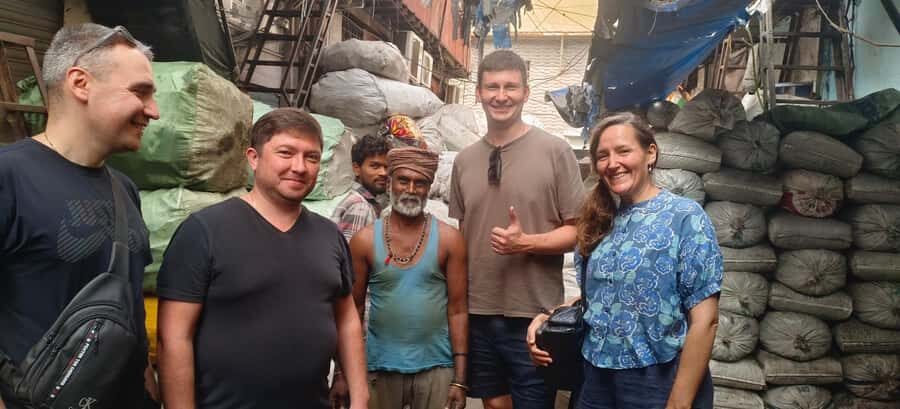
Dhobi Ghat is the open-air laundromat concept Mumbai is known for, built in 1890. The dhobis work in the open cleaning clothes and linens from Mumbai’s hotels and hospitals. This is one of the most eye-opening stops because it turns a routine chore into a public workforce you can actually see.
Why it works on a tour: it connects you to the city’s supply chain of everyday life. You’ll come away thinking about where hotel linens really come from—and the skill involved in making them clean.
A quick note on flexibility: at least one group asked not to go to Dhobi Ghat, and the guide adjusted and took them elsewhere. So if you’re worried about crowding or simply don’t want this particular scene, don’t assume it’s fixed in stone. Your guide may be able to modify.
Then you move to Churchgate Railway Station, where you can view the famous dabbawallas—the lunch-box delivery network. The tour framing includes the scale: organizing delivery of 200,000 lunchboxes every day. Even without deep logistics math, standing at the station makes the system feel real.
This is also a great stop for families, because the story is easy to follow: food moves from homes to workers with coordination and timing. You can ask questions and get straightforward answers without getting lost in theory.




Marine Drive and the Queen’s Necklace Walk
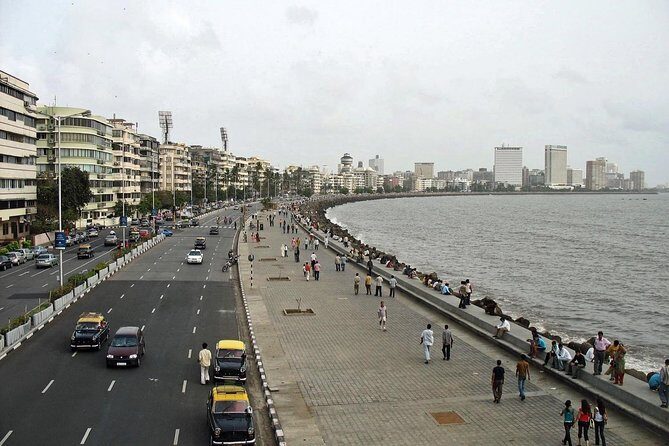
At Marine Drive, you get Mumbai’s famous boulevard feel and the “Queen’s Necklace” reference. The promenade’s nickname is earned by the long curve and the way lights can mirror across the waterfront at night—so even in daylight, you’re looking at the shape that becomes magic after sunset.
The short walking time is intentional. It keeps the pace moving while still letting you take in the views and the rhythm of the area. If you’re traveling with kids, this is usually one of the easiest stops to enjoy because it’s open, it’s scenic, and you’re not standing in tight crowds for long.
One consideration: if you’re sensitive to wind or heat, plan your water and sun protection. Coastal weather can shift quickly, and you’ll be out long enough to feel it.
Banganga: Holy Tank, Underground Springs, and Family Lunch With Your Guide
Banganga is both a sight and a break. It’s a holy tank filled by underground springs, used for rituals and prayers. The tour also frames it as the solitude side of Mumbai—often described as the Ganges of Mumbai, a local nickname that hints at how people treat it spiritually.
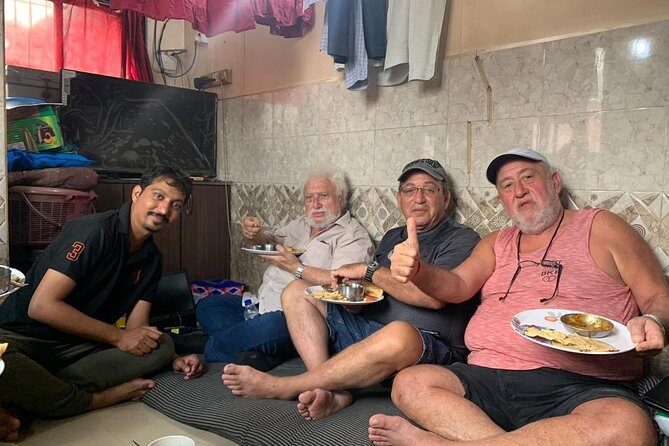
Then comes the part families tend to love most: family lunch with your guide. Eating with your guide is more than convenience. You can ask quick questions, clarify what you saw earlier, and get suggestions about what to prioritize on the remaining part of your trip.
Why this stop is so effective in a half-day tour:
- It slows down the pace.
- It adds meaning, not just visuals.
- It lets you recharge before the hill stops.
If you like learning through conversation, this is where your day can turn from sightseeing into understanding.
Jain Temple at Walkeshwar Teen Batti and Hanging Gardens on Malabar Hill
After lunch, the route shifts into a different kind of Mumbai: hill views and places of worship.
The Jain Temple stop is located at the Walkeshwar Teen Batti area in Malabar Hill, built in 1904. It’s described as a tirth place of Mumbai and linked with Jain Deravas. Even with a short visit, this is a meaningful cultural stop because you’re not only looking; you’re seeing how faith spaces fit into the city’s geography.
Then you go to the Hanging Gardens, also known as Pherozeshah Mehta Gardens. These terraced gardens sit at the top of Malabar Hill on its western side, opposite Kamala Nehru Park. The “hanging” name makes sense because of the way terraces step across the hillside.
This pair of stops works well together:
- The temple connects you to tradition and community.
- The gardens give you a view-focused payoff.
Practical tip: Malabar Hill can mean more steps and uphill movement than you expect. If you’re with older family members, bring a slower pace mindset. The tour time is tight, so the guide may keep movement efficient.
Pickup, Timing, and How the Route Ends Near Mani Bhavan
The tour start time is 9:30 am, and it runs for about 6 hours. You’ll meet at the Ballard Pier area around Fort (also described with Alexandra Dock and Green Gate). Pickup is offered, which matters because Fort-area access can be easier with a single planned rendezvous.
The tour ends at Mani Bhavan Gandhi Sangrahalaya in Babulnath, Gamdevi. That’s a handy finish if you want to keep exploring after your guided morning-afternoon loop. It also means you’re not stuck returning all the way to the original starting point.
Because it’s built around public transport, timing can feel more flexible than private car travel, but it still has a structure. If your group hates rushing, plan to stay close to the guide during transitions and be ready when rail stations or crowds move.
Who This Tour Fits Best (and a few people who should think twice)
This is a strong fit if you:
- Want a guided day that teaches you how Mumbai works day-to-day.
- Prefer public transport over a car-only sightseeing plan.
- Like a mix of major landmarks and real working-life stops like Dhobi Ghat and the dabbawalla lunch system.
- Travel with family and want lunch built in, not added as an afterthought.
It may be less ideal if you:
- Have mobility issues or low tolerance for standing in crowds and on transit platforms.
- Expect a slow, sit-down pace the whole time.
- Want only one type of sight (only temples, only viewpoints, or only colonial buildings).
The good news: the guide approach described by people who did the tour suggests a level of care and adaptability. One guide was even reported as adjusting the plan when the group didn’t want Dhobi Ghat.
Should You Book This Mumbai Public Transport Tour?
I’d book this if you want an efficient, meaningful Mumbai day that doesn’t hide the city behind a tinted window. The route mixes iconic architecture with practical daily-life scenes, and the family lunch at Banganga is a smart anchor that keeps everyone happy.
If you like having a guide who can explain clearly and still keep the day fun—people have named Aarti, Nikesh, and Anthony as standout examples—that’s another reason to say yes.
Just be honest with yourself about pacing. This is 6 hours of moving between rail stops, waterfronts, and hills. Bring good shoes, hydrate, and keep your expectations aligned with public transport reality.
FAQ
How long is the Mumbai sightseeing tour by public transport?
The tour duration is about 6 hours.
How much does the tour cost per person?
The price is $50.00 per person.
What time does the tour start?
The start time is 9:30 am.
Where is the meeting point?
The start meeting point is listed near Ballard Pier Mumbai, Alexandra Dock, or Green Gate in the Fort area (with the provided location pin).
Is pickup available?
Yes, pickup is offered.
What does the tour include for lunch?
The tour includes a family lunch with the guide at Banganga.
Are admission tickets included for the stops?
Admission tickets are listed as free for the stops on the route.
Is the tour guided in English?
Yes, it includes an English-speaking guide.
Is it a private tour or shared with other groups?
It is private in the sense that only your group will participate.
What is the cancellation policy?
You can cancel for a full refund up to 24 hours before the experience’s start time. If you cancel within 24 hours of the start time, the amount paid will not be refunded.
Where does the tour end?
The tour ends at Mani Bhavan Gandhi Sangrahalaya, at the provided address in Babulnath, Gamdevi.