REVIEW · MUMBAI
Mumbai: Full Day City Sightseeing with Lunch, Car & Guide
Book on GetYourGuide →Operated by Flamingo Luxury Tours · Bookable on GetYourGuide
Mumbai can feel like chaos at first. This private day tour turns it into a plan, with an AC car, a guide in English or Hindi, and a route that hits the big sights plus the everyday work of the city. I especially like the mix of UNESCO-level architecture and street-level life, and I like that lunch is built in so you’re not hunting for food between major stops. One thing to consider: it’s an 8-hour run, so you’ll spend real time moving through traffic and doing short walks at several crowded places.
You’ll get picked up from your hotel in a private AC car, meet your guide, and head out with a clear rhythm: photo stops, guided visits, and time to cool down and refuel at lunch. The day is designed to keep things efficient without making it feel like a checklist, and the better moments come when your guide connects the dots between buildings, neighborhoods, and the people who use them. If you prefer a slow, unstructured wandering day, this format may feel a bit scheduled.
In This Review
- Key Things That Make This Tour Worth Your Time
- Why This 8-Hour Mumbai Day Works (and Costs Only $25)
- Gateway of India and the Taj Mahal Palace: More Than Just a Photo Stop
- Chhatrapati Shivaji Maharaj Terminus (CST): Victorian Gothic Meets Real-Life Crowds
- Kala Ghoda, Oval Maidan, and Rajabai Clock Tower: Architecture You Can Actually Read
- Asiatic Society and Horniman Circle: Libraries and Quiet Streets in a Busy City
- Crawford Market and Lunch in the Middle of the Day
- Marine Drive (Queen’s Necklace): The Sea-Breeze Pause
- Mani Bhavan: Gandhi’s Mumbai, Explained With Human Scale
- Banganga Tank, Hanging Gardens, and Jain Temple: Sacred Water and Hill Views
- Dhobi Ghat and the Antilia Drive-By: Ordinary Work and Extreme Wealth
- Guide and Driver Matter: Hamid and Mehtab as the Real MVPs
- Value Check: What You’re Really Paying for at $25
- Who This Tour Suits Best (and Who Might Want Something Else)
- Should You Book This Mumbai Full-Day Tour?
- FAQ
- How long is the tour?
- Is hotel pickup and drop-off included?
- What is included in the price?
- Is lunch included?
- What places will I visit during the tour?
- Do I get skip-the-line access?
- What languages are the guide?
- Is this tour private or shared?
- Is the tour wheelchair accessible?
- What’s the cancellation policy?
Key Things That Make This Tour Worth Your Time
- Private guide in English or Hindi: you get explanations, not just directions
- AC car + hotel pickup/drop: you lose less energy to Mumbai’s traffic
- UNESCO and Victorian Gothic architecture: CST gets the focused attention it deserves
- Lunch included mid-day: a practical break after your first half of sightseeing
- Dhobi Ghat + Antilia drive-by: you see everyday labor and extreme wealth in the same day
- Skip-the-line via a separate entrance: it can save time at major sights
Why This 8-Hour Mumbai Day Works (and Costs Only $25)
At $25 per person, this is priced like a value tour, not a luxury full-day charter. What makes it feel reasonable is what’s included: hotel pickup and drop-off, a private guide, AC car sightseeing, lunch, entrance fees, and even mineral water. You’re also covered for fuel, taxes, tolls, and parking fees, so you’re not nickel-and-diming the day.
The route is built around two big ideas. First, Mumbai’s highlights are spread out, so having a car prevents your day from turning into long waits in transit. Second, the “why” matters in a city like Mumbai: the guide helps you connect colonial-era buildings, religious sites, and modern power (hello, Antilia) without needing to research everything yourself.
The trade-off is pacing. You’ll hit many places in one day, so expect short walks, quick photo moments, and a steady schedule. It’s a great “first taste” day. It’s not a deep-study day.
You can also read our reviews of more guided tours in Mumbai


Gateway of India and the Taj Mahal Palace: More Than Just a Photo Stop
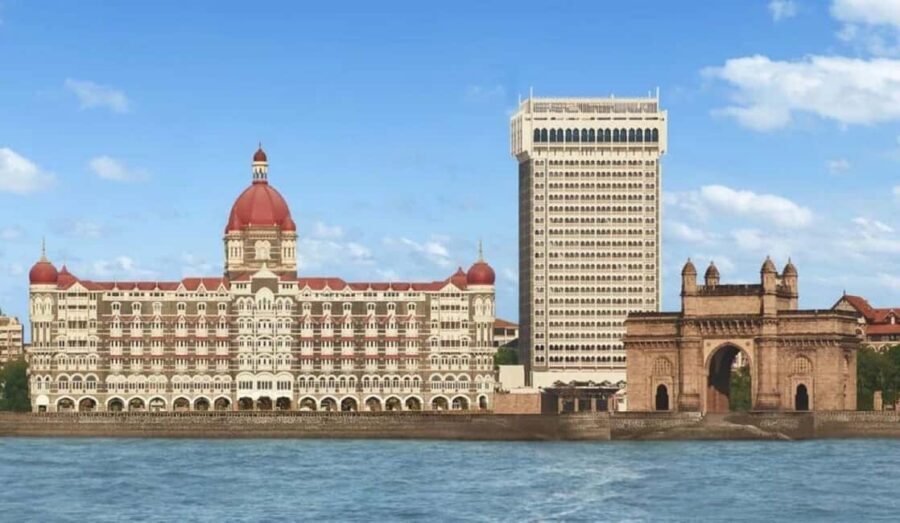
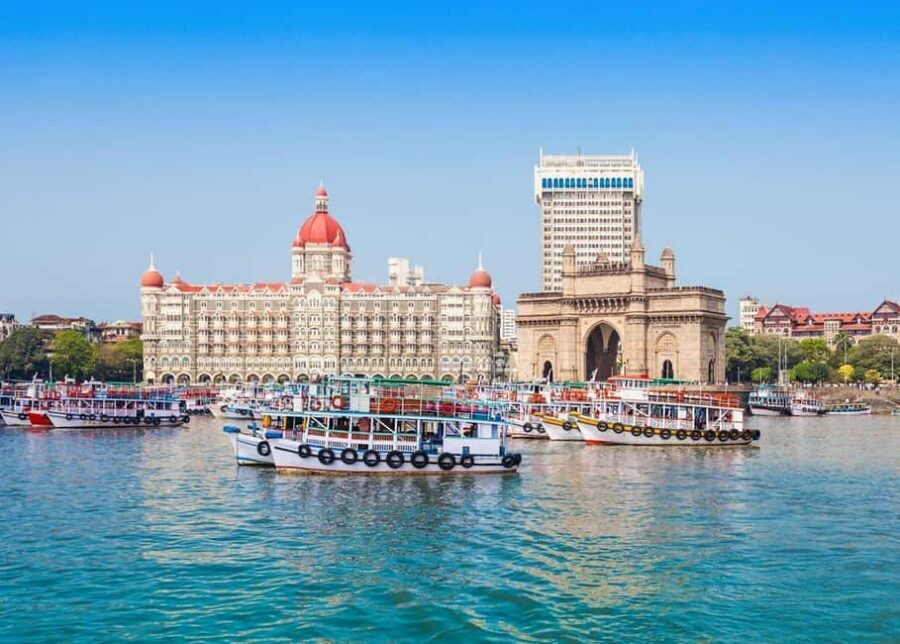
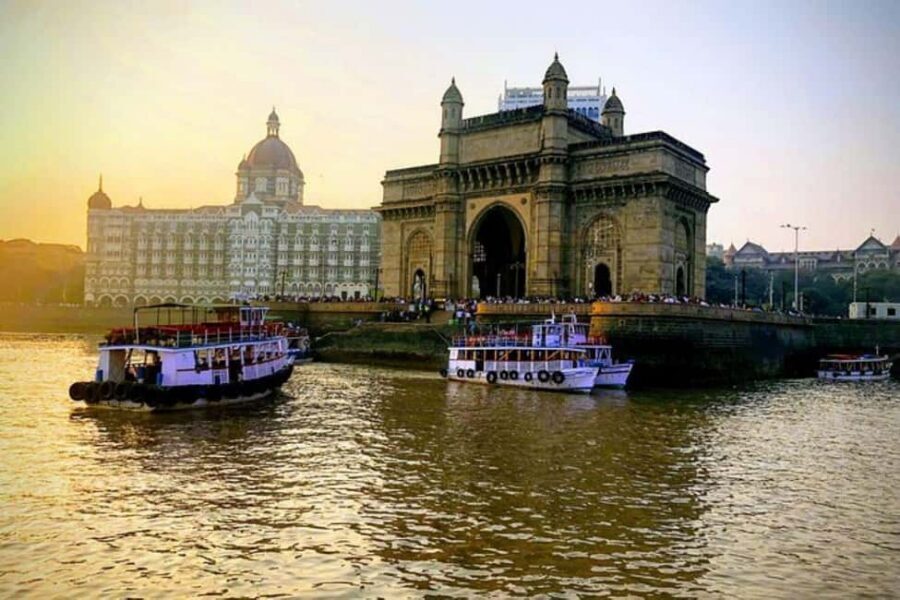
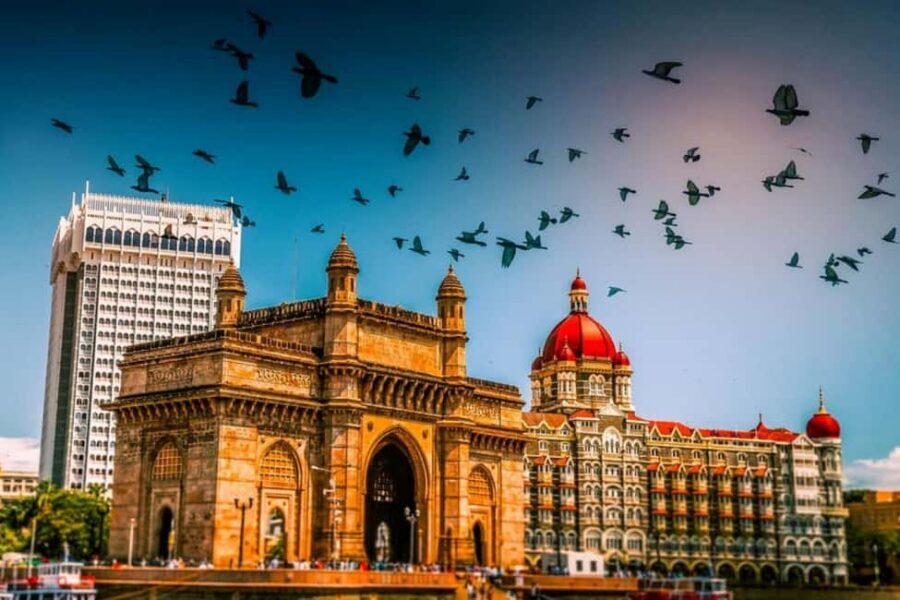
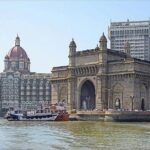
Your day kicks off at Gateway of India, the grand colonial arch built to mark King George V’s 1911 visit. It’s the kind of place where you can look at the stonework and understand why it became a symbol of the city’s public face. Then you’ll stop at the Taj Mahal Palace Hotel area for photos and a guided look at what makes it historic and iconic.
What I like here is that this opening sets the tone. Mumbai doesn’t start as a modern metropolis; it starts as a port city with architecture tied to empire, trade, and status. Even if you don’t care about hotels, the Taj area helps you understand why this coastline-facing part of town became so symbolic.
Practical note: this area can be busy. Your guide can help you pick the best spots for photos and avoid wasting time circling.
Chhatrapati Shivaji Maharaj Terminus (CST): Victorian Gothic Meets Real-Life Crowds
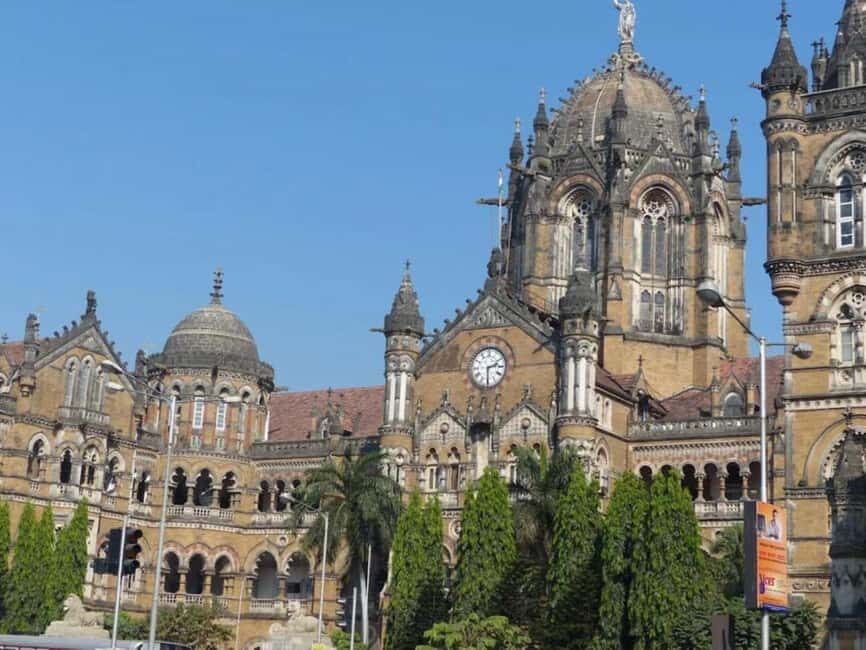
Next comes Chhatrapati Shivaji Maharaj Terminus (CST), a UNESCO World Heritage Site and one of India’s busiest train stations. The architecture is Victorian Gothic, and you’ll see details that feel grand and theatrical—then you’ll watch people flow through it with day-to-day purpose. That contrast is the whole point.
You’ll do guided sightseeing and a walk here, with time to absorb the scale and the station’s role in Mumbai’s rhythm. This is one of those places where a guide makes a huge difference. Without context, CST can just look like a beautiful station. With context, it becomes a statement: Mumbai’s ability to build something monumental while staying fully functional.
One consideration: because CST is active, there’s limited “stroll slowly” time. Plan on moving at the station’s pace, and wear shoes that handle crowds.
Kala Ghoda, Oval Maidan, and Rajabai Clock Tower: Architecture You Can Actually Read
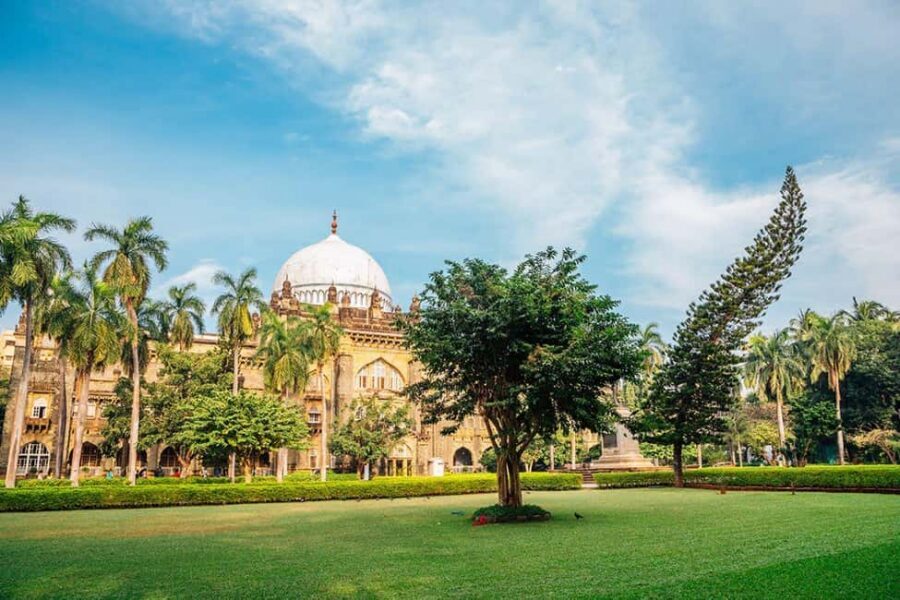
From there, the tour moves into the art and institutional side of South Mumbai. Kala Ghoda is Mumbai’s cultural and artistic hub, and you’ll see colonial-era buildings, plus the gallery and museum energy that fills this neighborhood.
Then you head to Oval Maidan and the Rajabai Clock Tower, which is inspired by Big Ben. The tower rises beside Bombay High Court, and the whole scene is classic Gothic Revival. What I like about this section is how your guide can point out styles and influence—so you’re not just saying, “Pretty building,” but actually understanding how British-era design shaped what you see.
This is also a good breathing-space moment compared with the busiest markets and transport points. Even when it’s busy, it feels more “public square and institutions” than “everybody squeezing everywhere.”
Asiatic Society and Horniman Circle: Libraries and Quiet Streets in a Busy City
You’ll also visit the Asiatic Society of Mumbai, known for a collection of rare manuscripts and books. This is a different kind of Mumbai stop: less about architecture from the outside and more about what the city has preserved in written form.
Nearby, Horniman Circle offers a calmer urban plaza surrounded by colonial buildings. It’s the kind of place where you can look up, take a break, and let the day reset for a few minutes.
If you like museums or history but don’t want to sit in one room for hours, this pairing works well. You get a specific cultural anchor (the library) plus a gentle open space (Horniman Circle).
You can also read our reviews of more city tours in Mumbai




Crawford Market and Lunch in the Middle of the Day
Around mid-day, the tour builds in lunch, coming after roughly the first half of sightseeing. That matters because Crawford Market and the surrounding areas can be intense. A planned meal keeps the day from turning into decision fatigue.
Then you’ll head to Crawford Market, one of the city’s historic markets. It’s great for experiencing local flavors, colorful spices, and fresh produce—set inside colonial-era architecture. Even if you don’t buy much, it’s an excellent sensory stop. The market helps you shift from “big monuments” to “how the city feeds itself.”
What to consider: markets are not quiet. If you’re sensitive to crowds, keep your expectations flexible. Use the guide’s timing and direction to avoid getting stuck in the slowest lanes.
Marine Drive (Queen’s Necklace): The Sea-Breeze Pause
No Mumbai day feels complete without Marine Drive, the beachfront boulevard that curves along the Arabian Sea and is known as Queen’s Necklace. It’s famous for its night look, but even in daylight it’s worth seeing because you get the curve, the skyline rhythm, and the feeling of a city that leans toward water.
The guided walk helps you appreciate why locals and visitors treat this stretch as a daily reset point. It’s not just a view; it’s a social edge.
Practical tip: bring a light layer if you feel cool air from the sea. Also, keep your phone charged. You’ll want photos.
Mani Bhavan: Gandhi’s Mumbai, Explained With Human Scale
Next comes Mani Bhavan (Gandhi Museum), where Mahatma Gandhi lived in Mumbai, and now a museum that chronicles his life and freedom movement. This stop works best when you’re thinking less about “dates” and more about “how a movement builds.”
A guided visit here helps translate what you’re seeing into a story: the rooms, the artifacts, and the context behind why this location mattered. It’s a thoughtful break from the architectural stops and gives your day a moral and historical center.
Banganga Tank, Hanging Gardens, and Jain Temple: Sacred Water and Hill Views
As the route shifts toward Malabar Hill, you’ll see a more upscale Mumbai feel, then dive into quieter, sacred spaces. Banganga Tank is an ancient sacred water tank, and it brings a spiritual, place-based calm to the day.
The Hanging Gardens are then part of the same hillside zone, giving you panoramic views and green space. Even if the day is packed, this is a moment to look out and breathe.
After that, you’ll visit a Jain Temple for guided sightseeing and a walk. Religious architecture and practice are often more meaningful when you know what you’re looking for. Your guide’s explanations can help you respect the space while still taking in the details.
Consideration: temples and garden areas can involve uneven surfaces and steps. Comfortable shoes are your best friend.
Dhobi Ghat and the Antilia Drive-By: Ordinary Work and Extreme Wealth
Two of the most memorable contrasts in this tour are Dhobi Ghat and the Antilia sighting.
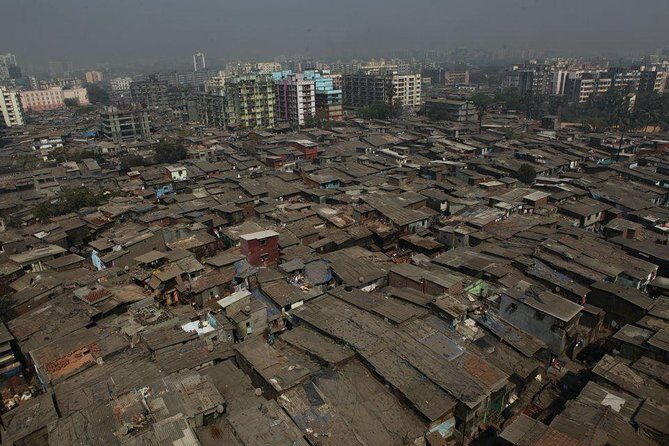
Dhobi Ghat is described as the world’s largest open-air laundry, where hundreds of washermen clean clothes using traditional methods. This isn’t a staged attraction; it’s real work. Watching how the process functions—hands, water, cloth, rhythm—gives you an honest snapshot of daily labor in Mumbai.
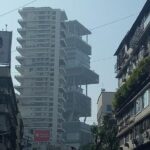
Then there’s a drive-by of Antilia, the 27-story private home owned by business tycoon Mukesh Ambani and among the most expensive residences in the world. Seeing it from the road is quick, but the mental image is strong: one city, two different worlds.
If you like tours that don’t pretend every part of a city matches the postcard version, this pair delivers.
Guide and Driver Matter: Hamid and Mehtab as the Real MVPs
This tour stands or falls on execution. The experience provider pairs you with a live guide and a driver who can manage Mumbai’s traffic and timing.
In particular, Hamid is highlighted for giving detailed explanations and caring about every detail of the day. Mehtab is described as handling heavy traffic safely and skillfully—like a magician through the mess. That kind of competence is not just a comfort perk. It directly affects whether you enjoy the sights or spend the day stressed.
If you book, that’s what you should hope for: a guide who makes connections clear and a driver who gets you from place to place without draining you.
Value Check: What You’re Really Paying for at $25
For $25 per person, the big value is that you’re paying for a full day of organized movement. You’re not just buying sightseeing. You’re getting:
- Private hotel pickup and drop-off
- Private guide in English or Hindi
- AC car for the sightseeing blocks
- Lunch
- Entrance fees
- Mineral water
- Fuel, taxes, tolls, and parking
That’s why this feels fair: many “cheap” tours in big cities undercount the hidden costs, then charge later. Here, the major expenses for a sight-heavy day are already handled. Your main extra spending is personal—snacks, shopping, and anything you choose to add.
Who This Tour Suits Best (and Who Might Want Something Else)
This tour is a great fit if you’re:
- visiting Mumbai for the first time and want a strong overview
- interested in architecture, stations, and colonial-era influence
- short on time but still want a guided day with lunch included
- okay with moving steadily and seeing many highlights in one go
You might prefer a different style if you:
- want long, slow museum time
- dislike crowds and prefer quiet neighborhoods only
- need a very flexible pace with lots of free time
Should You Book This Mumbai Full-Day Tour?
If you want an organized, efficient day that connects major landmarks to the city’s lived reality, I think this is a smart booking. The AC car + hotel pickup, lunch included, and guide-based context make it feel like you’re buying time and understanding—not just transport.
Book it if your goal is a first-class overview: CST, Marine Drive, Mani Bhavan, Dhobi Ghat, and the hill-area sacred sites in one coherent day. Skip it if you’re craving slow wandering or deep museum study, because the structure is intentionally tight.
FAQ
How long is the tour?
The tour duration is 8 hours.
Is hotel pickup and drop-off included?
Yes. You get picked up from your desired location in Mumbai and dropped back after the full day of sightseeing.
What is included in the price?
Hotel pickup/drop-off, a private tour guide, full sightseeing in an AC car, lunch, entrance fees, mineral water, all parking fees, fuel, and taxes/road tolls are included.
Is lunch included?
Yes. Lunch is included during the sightseeing day.
What places will I visit during the tour?
You’ll visit or pass by major sights including Gateway of India, Taj Mahal Palace Hotel photo stops, Chhatrapati Shivaji Maharaj Terminus (CST), Kala Ghoda, Oval Maidan and Rajabai Clock Tower, Asiatic Society of Mumbai, Crawford Market, Marine Drive, Mani Bhavan, Banganga Tank, a Jain Temple, Hanging Gardens, Antilia drive-by, and Dhobi Ghat.
Do I get skip-the-line access?
Yes. The experience includes skip the line through a separate entrance.
What languages are the guide?
The live guide is available in English and Hindi.
Is this tour private or shared?
It’s a private group tour.
Is the tour wheelchair accessible?
Yes, the tour is listed as wheelchair accessible.
What’s the cancellation policy?
You can cancel up to 24 hours in advance for a full refund.