REVIEW · MUMBAI
Private Mumbai Sightseeing Tour Including Dharavi Slum
Book on Viator →Operated by Mystical Mumbai · Bookable on Viator
Mumbai has two faces, and this tour shows both. A Dharavi walk with real daily-life scenes and an up-close look at recycling and pottery pairs with big Gateway of India-era landmarks in one efficient day. I like that it’s private, structured, and guided in a way that helps you connect the dots fast. One possible drawback: you’ll do a fair amount of walking and you should be ready for the emotional weight of seeing hardship and industry in the same frame.
You’ll ride in a private, air-conditioned car with hotel, cruise port, or train station pickup and drop-off, plus an English-speaking guide. Based on the guide names I saw associated with this tour—Mukesh, Aarti, Manoj, Anthony, Jaya, and Raj—you can expect someone who’s comfortable explaining Mumbai’s streets with context, not just dates. Bring patience for Mumbai traffic; the route is well planned, but the city can still throw delays at you.
In This Review
- Key things you’ll notice
- Why This Mumbai Tour Works for First-Timers
- Private Pickup and Air-Conditioned Transport (What That Changes)
- Dharavi Slum Walk: Huts, Recycling Yard, and Kumbharwada Pottery
- What to consider in Dharavi
- Chhatrapati Shivaji Terminus: The Railway Station That Knows Movies
- Rajabai Clock Tower and University of Mumbai: Gothic Details, Big-Ben Feel
- Gateway of India and Taj Mahal Palace: Waterfront Icons With Straightforward History
- Dhobi Ghat and Mani Bhavan Gandhi Museum: Everyday Work and Real Politics
- Dhobi Ghat (open-air laundry)
- Mani Bhavan Gandhi Museum
- Jain Temple and the Urban View Stops That Add Pace
- Jain Temple (short and detailed)
- Kamala Nehru Park and Old Woman’s Shoe
- Hanging Gardens on water tanks
- Marine Drive and South Mumbai Sights: Drives That Teach You the Map
- Time on the Ground: A 6-Hour Day With Real Movement
- Price and Value for a Private Group Up to Five
- Who Should Book This Tour (and Who Might Skip It)
- Should You Book This Mumbai and Dharavi Private Tour?
- FAQ
- What is the duration of the private Mumbai sightseeing tour?
- How many people can be in a group for this tour?
- Where does pickup happen?
- Is this tour private?
- Is the guide provided in English?
- Are entrance fees included?
- Is food or drinks included?
- Is there a mobile ticket?
- Which major landmarks are included in the route?
- What is the cancellation policy?
Key things you’ll notice
- A focused Dharavi route: huts and lanes, then a plastic/metal recycling yard, then Kumbharwada pottery
- Two UNESCO-grade stops: Chhatrapati Shivaji Terminus plus the surrounding landmark area
- British-era architecture in the mix: Rajabai Clock Tower, Bombay High Court area, and the waterfront sights
- Everyday-life stops, not just monuments: dhobi ghat laundry and Mani Bhavan Gandhi Museum
- Private transport for comfort: you’re not stuck doing this whole circuit by public transit
Why This Mumbai Tour Works for First-Timers
This is the kind of day trip that makes Mumbai feel understandable. You start with Dharavi, which is often treated like a single scary label. Here, it’s treated like a living place where people work, make things, and keep community routines moving. After that, you switch to the colonial-era and modern landmarks around South Mumbai, so you can compare systems, architecture, and daily pace.
I like that the tour doesn’t pretend these worlds are the same. It sets them side-by-side and uses the guide to translate what you’re seeing: small businesses, recycling work, pottery craft, then the grandeur of landmarks like the Gateway of India and the old institutions around the University area.
You can also read our reviews of more private tours in Mumbai



Private Pickup and Air-Conditioned Transport (What That Changes)
Mumbai traffic is no joke. Having a private air-conditioned car with pickup and drop-off from your hotel, cruise port, or train station is a big practical advantage if you’re on a tight schedule. You’re not spending your mental energy figuring out buses, tickets, or where to stand.
This also affects your experience style. With a private guide and car, you can slow down when the walk needs attention, and you can move quickly between major photo stops. For a 6-hour tour, that balance matters.
One more small but useful touch: the tour uses a mobile ticket, so you’re not hunting for paper on a busy day.
Dharavi Slum Walk: Huts, Recycling Yard, and Kumbharwada Pottery
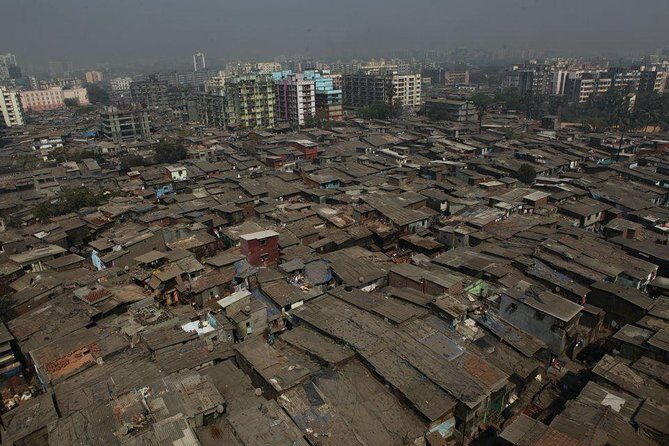
Dharavi is the heart of this tour, and it’s scheduled as a real segment rather than a quick photo stop. You spend about 2 hours walking through narrow lanes and by-lanes, where you’ll notice the sounds and smells of everyday business—small bakeries and sweet shops show up between the working spaces.
The walk is built around the way Dharavi functions: you see makeshift huts, then you pass tiny manufacturing units where small-scale work happens—things like clothes-making, pottery work, and soap-making. The guide focus here is daily life: who does what, how people organize work in tight spaces, and why the community spirit shows up in routines you can actually observe.
Then you move to the plastic and metal recycling yard, where workers sort materials for reuse. This part is often the most eye-opening for visitors who only know Dharavi as an idea. Here, it becomes a practical system—materials in, sorted, reused. It’s a reminder that industrial work exists in many forms, even where resources are limited.
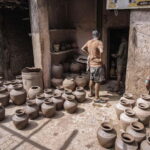
After the recycling area, you go to Kumbharwada, known as a community of clay potters. The local nickname that gets repeated for a reason: the area is linked to making city-of-lamps oil lamps for festivals. You’ll see countless hand-made, kiln-fired pots being crafted—less about a single landmark and more about a craft workflow you can watch with your feet on the ground.
What to consider in Dharavi
Two realities can coexist in your mind while you’re there. You may feel discomfort about the conditions, and you may also feel respect for the skill and persistence you see. You’ll likely experience both. If you’re the type of traveler who needs “easy and light” sightseeing only, this segment may feel heavy.
Chhatrapati Shivaji Terminus: The Railway Station That Knows Movies
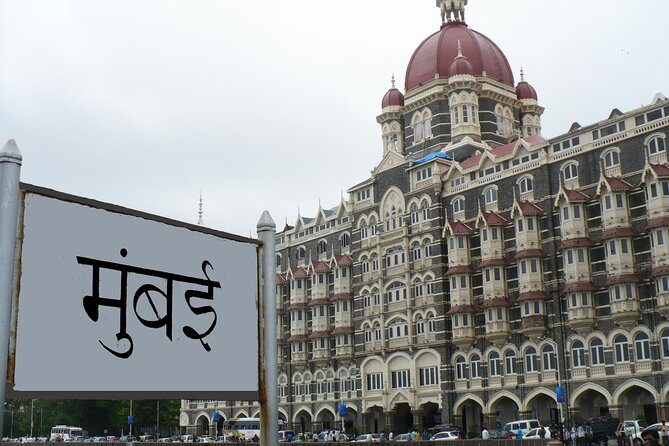
Next comes Chhatrapati Shivaji Terminus (about 25 minutes). This is one of those places that looks like a set even when it’s totally real. It’s a UNESCO World Heritage site, and it’s the kind of busy station that draws filmmakers because it’s instantly recognizable and visually dramatic.
The best part of stopping here on this particular tour is contrast. You just spent time in an area where people create everyday economic value through hands-on work. Here, you see how Mumbai’s power and movement also come through large infrastructure—rail travel as a city-scale system.
Don’t expect a long guided walkthrough like a museum. It’s more of a stop to absorb the architecture and the atmosphere, then move on.



Rajabai Clock Tower and University of Mumbai: Gothic Details, Big-Ben Feel
Then you head to Rajabai Clock Tower for about 20 minutes. This is the University of Mumbai area, and the architecture is the star: gothic-style design with a strong clock-tower presence.
This stop works well after Dharavi because it shifts your attention back to stone, institutions, and planned power. The guide can point out how these buildings fit into the story of Mumbai under British rule and how that era left visible marks in South Mumbai.
If you’re hoping for indoor access, keep expectations realistic; this is mostly about seeing the exterior setting and getting the context.
Gateway of India and Taj Mahal Palace: Waterfront Icons With Straightforward History
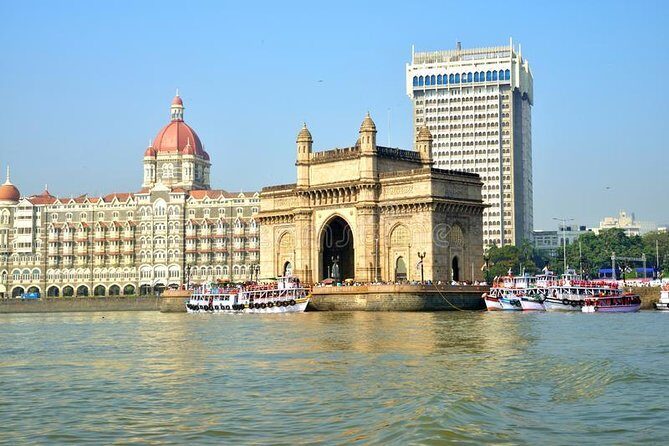
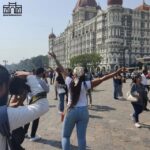
Your Gateway of India stop is short (about 15 minutes), but it’s a big one in terms of recognition. This monument was built to welcome King George V and Queen Mary into India in 1911.
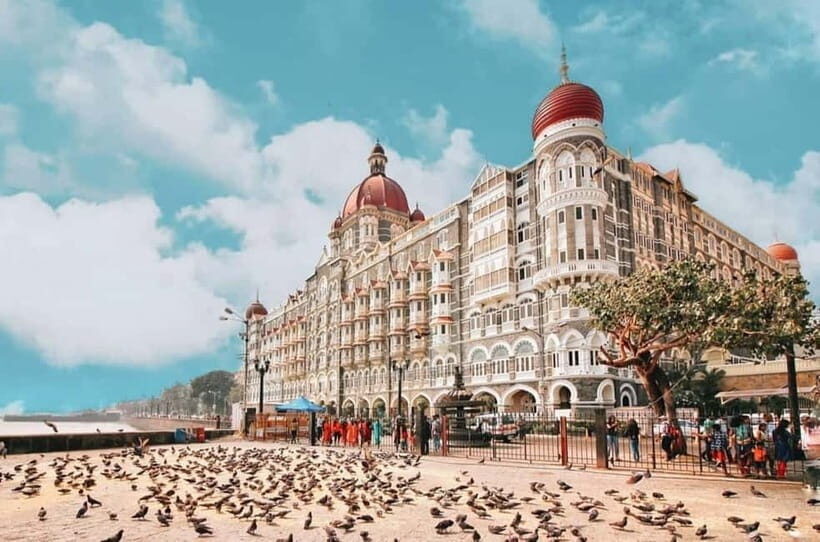
From there you see the nearby prestige of Taj Mahal Palace (around 10 minutes). The original building was commissioned by Jamshedji Tata and opened its doors to guests on 16 December 1903. Even if you don’t go inside, the location tells you something about Mumbai’s colonial-era social geography: who traveled, where they gathered, and how waterfront glamour became part of the city’s image.
These stops are ideal for photos, but the value is in the comparison. After Dharavi, you can see how the same city can hold extreme contrasts in wealth, design, and access.
Dhobi Ghat and Mani Bhavan Gandhi Museum: Everyday Work and Real Politics
If you want Mumbai beyond monuments, this part delivers.
Dhobi Ghat (open-air laundry)
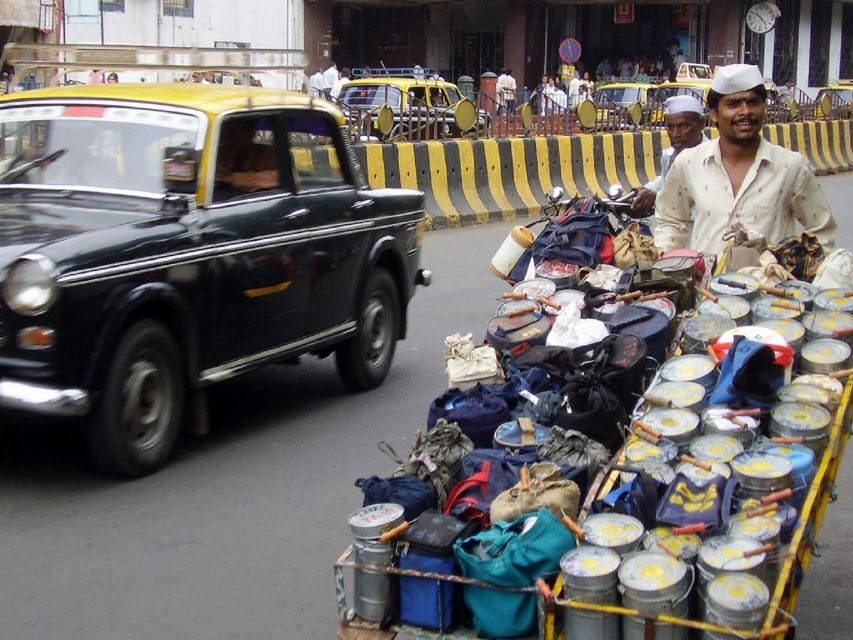
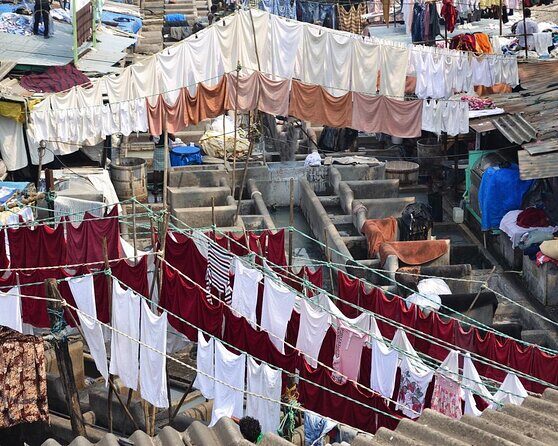
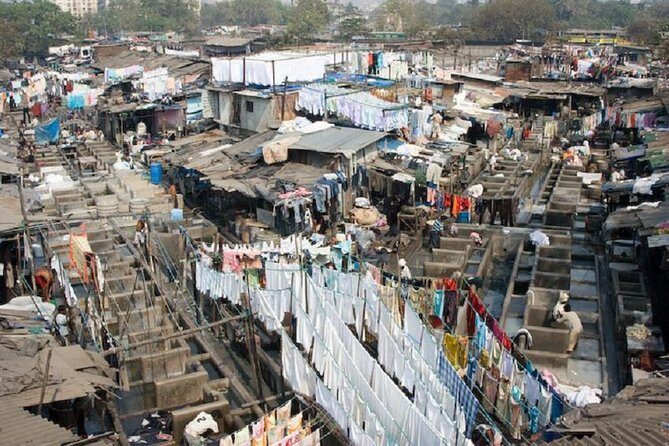
You’ll stop at dhobi ghat for about 20 minutes. It’s described as Asia’s biggest open-air laundry, with dhobis working under the sky to clean clothes and linens from hotels and hospitals. It’s not a staged attraction. It’s labor in public space.
The practical value: you understand what “city life” means here. The city runs on services you may never notice unless you’re standing right where the work happens.
Mani Bhavan Gandhi Museum
Next is Mani Bhavan Gandhi Museum (about 20 minutes), and the ticket is included. This was the focal point of Gandhi’s political activities in Mumbai between 1917 and 1934.
This stop helps you connect the colonial-era setting you’ve been seeing with an Indian political narrative. In other words: the British-era buildings aren’t just architectural snacks; they sit next to major moments of resistance and change.
Jain Temple and the Urban View Stops That Add Pace
The tour also includes smaller, high-signal stops that make the day feel less like a checklist.
Jain Temple (short and detailed)
You’ll visit a historic Jain temple for about 10 minutes. It’s known for intricate stone carvings and a dome painted with the zodiac. Even in a short stop, you get visuals that feel distinct from the big institutional architecture nearby.
Kamala Nehru Park and Old Woman’s Shoe
Around 15 minutes goes to Kamala Nehru Park, for skyline views and the famous Old Woman’s Shoe. This is a quick “take in the scene” break, and it helps if you need a mental reset after Dharavi and the museum-like stops.
Hanging Gardens on water tanks
Then you reach the Hanging Gardens for about 10 minutes. They’re built on top of water tanks near the Tower of Silence, a Parsi burial place. The context here is that Mumbai’s engineering and its cultural traditions overlap in public spaces.
This isn’t a long sit-down experience. It’s more about looking, understanding the setting, and moving when it’s time to move.
Marine Drive and South Mumbai Sights: Drives That Teach You the Map
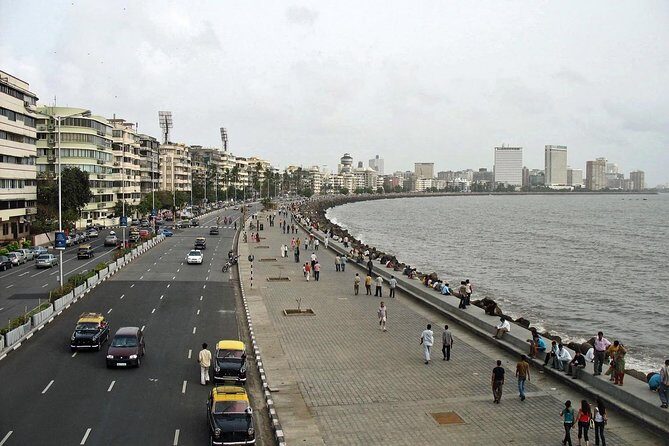
A lot of South Mumbai appreciation comes from driving through it, not only standing still. You’ll see sights from the car along Marine Drive, also known as Queens Necklace. You also pass by places like the Prince of Wales Museum and Flora Fountain near Hutatma Chowk.
The tour also references stops/areas like Kala Ghoda, a creative zone with designer cafes, indie galleries, and sidewalk art stalls; plus the David Sassoon Library, a heritage structure connected to Albert Sassoon’s idea for a library in the city center.
You don’t get long hangs at every one of these, but you do get the “Mumbai geography lesson.” After Dharavi, this kind of route helps you see how the city’s story moves along major corridors—so the landmarks don’t feel random.
Time on the Ground: A 6-Hour Day With Real Movement
Overall, you’re looking at about 6 hours total. That includes car time plus walking time—Dharavi is the biggest walking segment, then the rest is shorter stops.
You’ll want to plan for:
- Comfort for walking on uneven and crowded street conditions in Dharavi
- A mental switch from “people doing craft and service” to “architecture and monuments”
- Traffic and weather as normal factors in a Mumbai day
Food is not included, so if you get snacky, you’ll need to handle it on your own. I suggest carrying water and keeping something small in your bag for energy. Even on an organized route, your schedule may not match your appetite.
Price and Value for a Private Group Up to Five
The cost is $184.62 per group (up to 5 people). That’s the key value point: you’re paying for a private vehicle plus guide time for your group, not per person.
If you fill all five seats, your effective cost is about $36.92 per person for a 6-hour private experience with hotel/port/station pickup, an English-speaking guide, and entrance fees included. If you travel as a smaller group, the per-person price goes up, but you still get private transport and a guide who can manage the pacing.
The other value lever is the mix of experiences you get in one day:
- A structured Dharavi walk with industry and recycling focus
- UNESCO-grade Chhatrapati Shivaji Terminus
- Major South Mumbai landmarks like Gateway of India and Rajabai Clock Tower
- Everyday-life stops like dhobi ghat
- Political and cultural anchoring with Mani Bhavan Gandhi Museum
If you’re trying to build a “best of Mumbai” day while also including Dharavi, this format is efficient. You’re not piecing together separate tours.
Who Should Book This Tour (and Who Might Skip It)
This tour is a strong fit if:
- You’re seeing Mumbai for the first time and want both Dharavi and South Mumbai landmarks
- You want a guided explanation, not just walking around on your own
- You like private comfort and pickup convenience
- Your group can handle street walking and a serious topic
It may be less ideal if:
- You want only light, scenery-focused sightseeing and don’t want the emotional weight that can come with Dharavi
- You’re looking for a long museum schedule or deep indoor tours throughout the day
Also, if you’re traveling with kids, note that children must be accompanied by an adult.
Should You Book This Mumbai and Dharavi Private Tour?
Yes, if you want a fast, guided “two sides of Mumbai” day with real context and practical pacing. The strongest reason to book is the structure: Dharavi isn’t treated like a quick stop, and the South Mumbai landmarks aren’t treated like random photo breaks. They’re connected by the guide’s explanation and by the day’s order.
I’d book it for most first-timers who have limited time and want to understand Mumbai as a working city, not only as architecture and monuments. Just go in prepared for street reality, and you’ll come out with a clearer picture of how Mumbai functions.
FAQ
What is the duration of the private Mumbai sightseeing tour?
It runs for about 6 hours.
How many people can be in a group for this tour?
The price is per vehicle, for a maximum of 5 passengers.
Where does pickup happen?
Pickup is available from your Mumbai hotel, the cruise port, or the railway station. Drop-off is also included.
Is this tour private?
Yes. It’s a private tour/activity with only your group participating.
Is the guide provided in English?
Yes, an English-speaking guide is included.
Are entrance fees included?
Yes, entrance fees are included.
Is food or drinks included?
No. Food and drinks are not included.
Is there a mobile ticket?
Yes, a mobile ticket is included.
Which major landmarks are included in the route?
The tour includes the Gateway of India, Rajabai Clock Tower, Chhatrapati Shivaji Terminus, the Taj Mahal Palace area, dhobi ghat, Mani Bhavan Gandhi Museum, and a Jain Temple, plus other South Mumbai sights along the route.
What is the cancellation policy?
You can cancel for a full refund up to 24 hours in advance. If you cancel less than 24 hours before the start time, the amount paid is not refunded.