REVIEW · MUMBAI
Mumbai City Tour & Dharavi Slum: Full-Day Private Experience
Book on Viator →Operated by Explore Mumbai Tours · Bookable on Viator
Mumbai can feel like a movie. Then Dharavi changes the scene. This private full-day tour links colonial landmarks around South Mumbai with a guided visit to Dharavi, walking you through the neighborhood’s day-to-day life and local production behind well-known industries. You also get the comfort of an AC vehicle and a professional storyteller who explains what you’re seeing with practical, insider-style context.
What I love most is the focus on community-first touring—you don’t just look from the edge, you’re guided through the human side of Dharavi’s economy and meet the artisans connected to pottery and leather work. I also like how the day is built for real sighting, not photo-ops only: you get timed, manageable stops like Gateway of India, Dhobi Ghat, Marine Drive, and the Gandhi museum at Mani Bhavan, with enough commentary to make the places click.
One possible drawback: this is a packed 5 to 8 hour day with multiple short landmark hits (some only 5 to 10 minutes), so if you want long lingering time at each stop, you may wish you had a second day.
In This Review
- Key things that make this tour work
- A Mumbai day with two worlds in the same orbit
- Morning start: Third Wave Coffee and a smooth handoff
- Dharavi: a two-hour guided walk with context, not shock value
- Gateway of India: the postcard arch with real colonial context
- Dhobi Ghat: the open-air laundromat you can watch work happen
- Oval Maidan and the colonial-era university look
- Bombay High Court area and the power of old institutions
- Marine Drive: sea air, art deco lines, and a famous curve
- Hanging Gardens and Kamala Nehru Park: Malabar Hill breaks the pace
- Mani Bhavan Gandhi Museum, then the rail titan CSMT
- Crawford Market: end with a living marketplace
- Price and value: what $62.40 buys you in real life
- Should you book this Dharavi and South Mumbai private tour?
- FAQ
- How long is the Mumbai City Tour & Dharavi Slum experience?
- Is pickup included, and where does the tour start?
- Is this a private tour?
- What sites are included in the day?
- How long is the Dharavi visit?
- Are tickets or admissions included?
- What languages will the guide use?
Key things that make this tour work
- Dharavi first, guided on foot: a 2-hour walk that’s designed to keep you oriented and comfortable while you learn and photograph.
- A storyteller, not just a driver: landmarks around South Mumbai come with explanations that help you connect the dots fast.
- AC vehicle plus pickup and bottled water: useful in Mumbai’s heat, especially when you’re moving between neighborhoods.
- Short, efficient landmark stops: you cover major sights without feeling stuck in traffic for hours with no plan.
- Hygienic food breaks built into the flow: you get structured pauses so the day stays doable.
A Mumbai day with two worlds in the same orbit
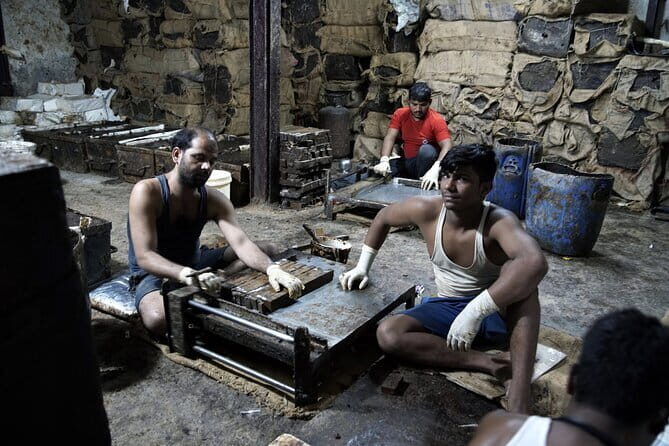
The big idea here is simple: Mumbai’s story isn’t only about grand buildings. It’s also about work—who does it, how they do it, and what that labor builds for the city. This tour puts Dharavi and South Mumbai’s iconic colonial-era sites into the same day so you can compare how people live, earn, and create within the same metropolitan sprawl.
From the start, you’re not rushed into “look and leave.” The day is guided, and the emphasis on ethical, community-focused tourism matters because it changes your mindset. Instead of treating Dharavi like a distant curiosity, you’re guided into how the neighborhood’s small businesses support a large local economy.
And on the South Mumbai side, the tour doesn’t just toss you in front of monuments. The “insider” historical storytelling is what turns places like Rajabai Clock Tower, the Bombay High Court area, and the rail station—Chhatrapati Shivaji Maharaj Terminus (CSMT)—into something you can actually understand, not just photograph.
You can also read our reviews of more city tours in Mumbai



Morning start: Third Wave Coffee and a smooth handoff
Your day begins at Third Wave Coffee on Tip Road, Unit no.58, Ground, Ram Mahal, Senapati Bapat Marg, Marinagar Colony, Station, Mahim, Mahim, Mumbai, Maharashtra 400016. The experience ends back at the same meeting point, so you’re not stuck figuring out transport afterward.
This matters more than it sounds. Mumbai schedules can be chaotic. Starting from a fixed meeting spot helps you get your bearings fast, and it also makes the day easier if you’re coming from a cruise area or a hotel in South/central Mumbai. Pickup is offered, and the vehicle is air-conditioned, with bottled water included—small perks that help when your “5 to 8 hours” includes real movement through busy streets.
The guide team works in English, Hindi, and Marathi, which is a genuine advantage. Even if you’re mainly comfortable in English, knowing the guide can switch languages if needed helps when information gets detailed (and you’ll get details today).
Dharavi: a two-hour guided walk with context, not shock value
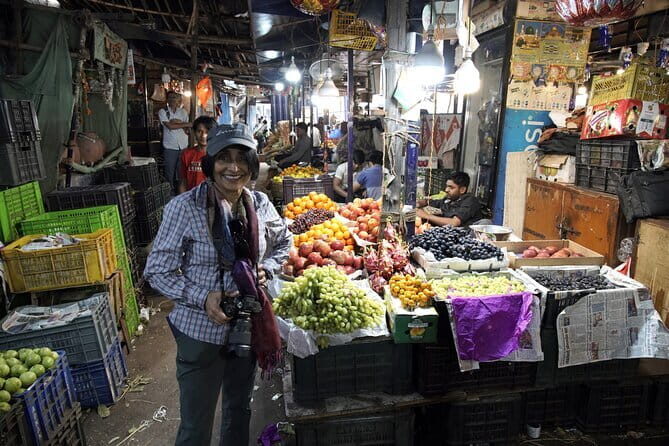
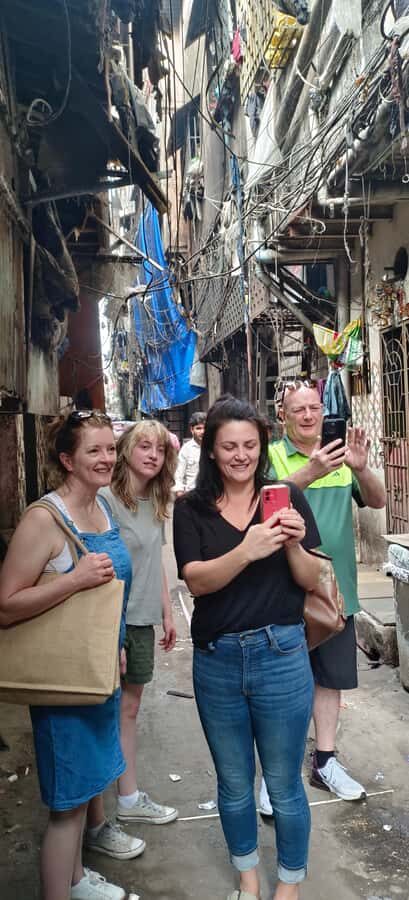
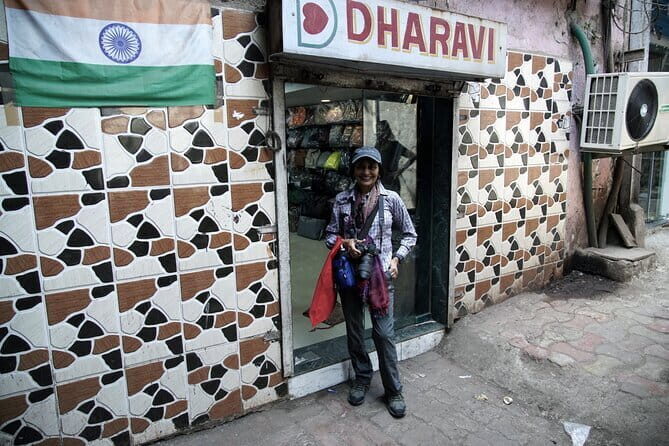
Dharavi is the first stop, and it’s also the most important one. You’ll spend about two hours on a guided walk beginning at Third Wave Coffee. The plan is designed for safety and orientation, with time to take photos while you’re moving through the area.
The tour’s angle is not just “slum tour.” The focus is on the neighborhood’s economy—specifically the artisan work tied to pottery and leather industries—and the human networks that keep production going. That ethical framing is key because it makes Dharavi feel like part of Mumbai’s fabric, not a separate planet you visit for a short, uncomfortable look.
What to expect in practical terms:
- You’ll move on foot, so wear comfortable shoes.
- You’ll get explanations as you go, so don’t treat it like a free-for-all walk.
- Photography is allowed with the guide’s support, but it’s still smart to stay respectful and follow instructions closely.
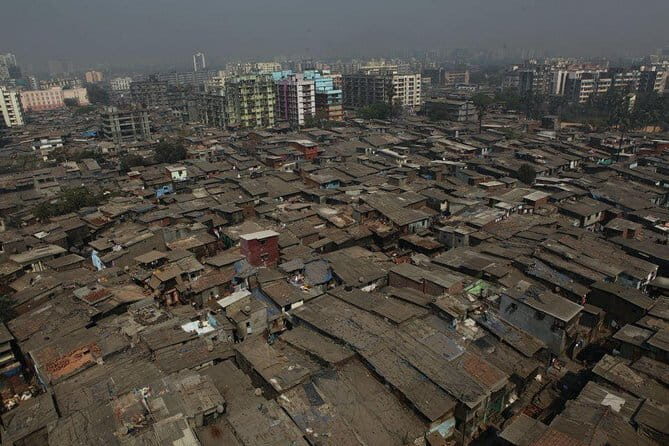
A consideration: Dharavi can feel intense. Even when your guide keeps things safe and informative, you may need a mental reset if you’re sensitive to poverty, dense housing, or the realities of work environments. This tour doesn’t hide any of that, and it also doesn’t reduce Dharavi to pity. It aims for understanding.
Gateway of India: the postcard arch with real colonial context
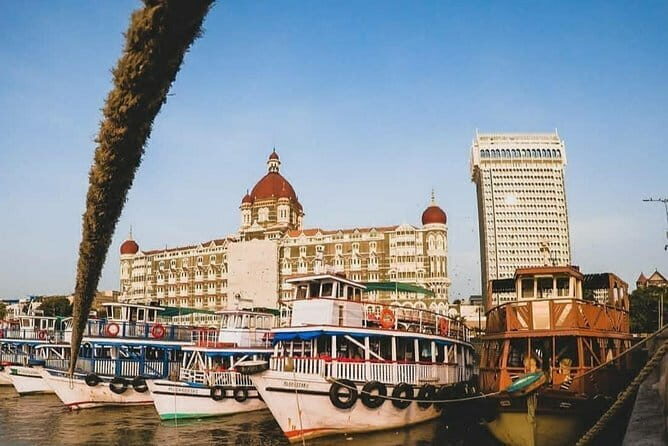
Next up is the Gateway of India, one of Mumbai’s most recognizable monuments. You’ll have about 20 minutes here. It’s an impressive arch monument and a symbol of Mumbai’s colonial past, known for its intricate carved design.
The short time slot works well if you use it right: stand back first for the full shape, then come closer for details. If the storytelling clicks, you’ll notice how the Gateway isn’t just a pretty photo background—it’s a physical marker of when Mumbai’s coastal identity was shifting under outside influence.
If you love architecture, you’ll probably enjoy this stop most when you slow down for a few minutes and let the guide connect the carving details to what the monument represents historically.
Dhobi Ghat: the open-air laundromat you can watch work happen
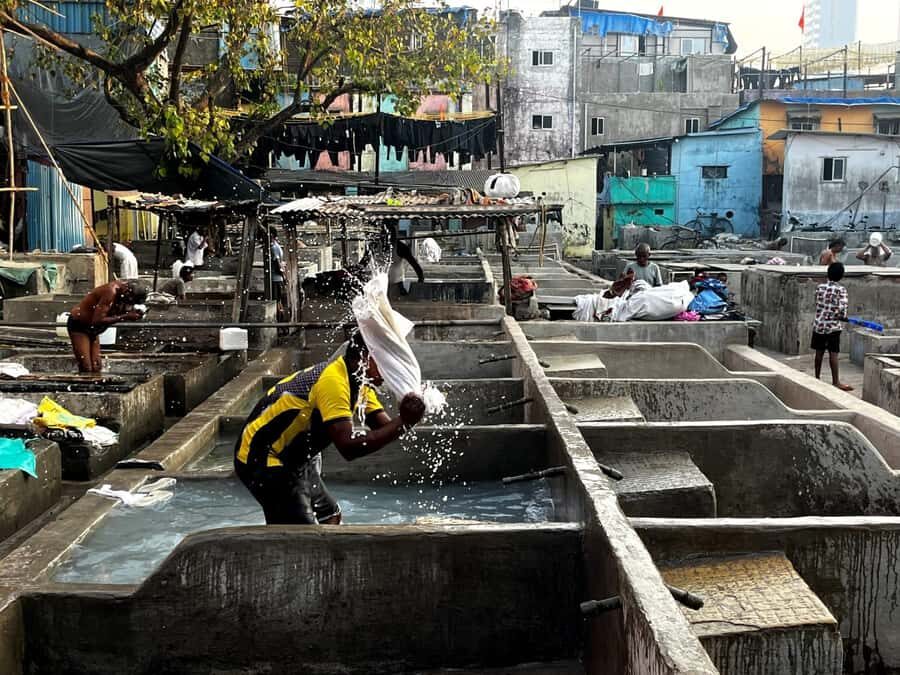
Then it’s off to Dhobi Ghat, a short 10-minute stop. This is an open-air laundromat where hundreds of washermen (dhobis) wash, dry, and iron clothes for residents and businesses across the city.
This stop hits differently than typical “viewpoint” tourism because you’re watching work in progress. Even with limited time, you get a sense of how a city-scale service runs on human labor, routines, and skill.
Possible drawback: because it’s only about 10 minutes, you won’t get a long, lingering visual experience. If you’re the type who wants to stand and watch slowly, you’ll enjoy it more if you arrive with the right expectation: this is a quick look that pairs well with the rest of the day’s contrasts.
You can also read our reviews of more private tours in Mumbai





Oval Maidan and the colonial-era university look
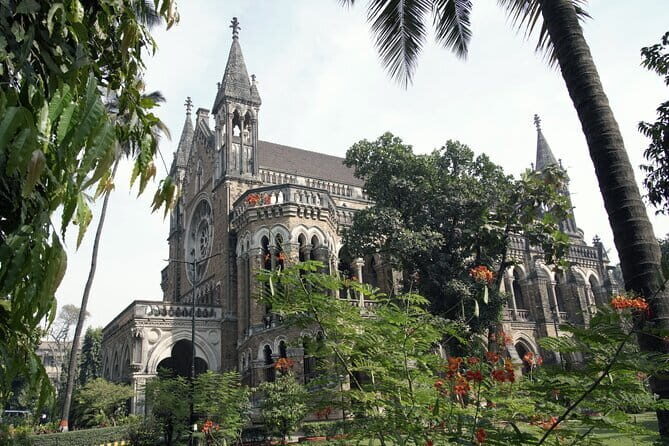
You’ll also pass through Oval Maidan, a large open recreational space in central Mumbai. The time here is short (about 10 minutes). This is one of those places where the city’s scale becomes visible—green space among major buildings, with locals using the area for daily life.
After that, you’ll see the University of Mumbai Library (about 5 minutes) and then the Rajabai Clock Tower (about 5 minutes). Both are colonial-era landmarks, with the Rajabai tower described as Gothic-style with intricate carvings and a central clock. The quick timing doesn’t allow for deep architectural study, but it’s enough to notice style and get the historical framing from your guide.
My practical advice: when stops are short, you’ll get more out of them if you pre-select what you want to look at—clock face and carvings at Rajabai, and the façade details at the library—then let the guide’s commentary fill in the meaning.
Bombay High Court area and the power of old institutions
The tour also includes the Bombay High Court, described as a majestic building and noted as the oldest High Court in India. Architectural style is described as a blend of Gothic and Indo-Saracenic.
This is another “quick but memorable” stop. When you’ve already covered Dhobi Ghat and Oval Maidan, the High Court helps you see how Mumbai organized power—first through colonial institutions, then through the architecture that still dominates street corners.
Marine Drive: sea air, art deco lines, and a famous curve
After the institutional buildings, the day moves to Marine Drive. You’ll have about 10 minutes here along the Arabian Sea coastline. The promenade is lined with palm trees and art deco buildings, and it’s the kind of scene that makes Mumbai feel cinematic.
Marine Drive is best with a small goal: get the view of the sea-facing road, notice the line of buildings, and then pause long enough to feel the shift from inland landmarks to the shoreline.
If you’re traveling with low tolerance for heat, this is a good time to drink water and take it slow—short stops still matter, and Marine Drive can be visually rewarding even in a limited time window.
Hanging Gardens and Kamala Nehru Park: Malabar Hill breaks the pace
Next comes a breather in the form of greenery and terraced views in Malabar Hill.
You’ll visit the Hanging Gardens (Pherozeshah Mehta Gardens) for about 10 minutes. It’s known for terraced garden areas and is a popular tourist spot in an upscale neighborhood. Then you’ll stop at Kamala Nehru Park for about 5 minutes, with landscaped lawns, colorful flowers, and a view that’s described as stunning.
These garden stops are short, but they do two things for your day:
1) They cool you down mentally (and sometimes physically).
2) They give you perspective. When you’re surrounded by monumental buildings and street-level work scenes earlier, a hill park view helps you understand Mumbai’s geography.
Consideration: if you’re chasing only famous sights, you might skip slowing down here. But if you want a day that feels human, these garden moments help you breathe between the big architecture.
Mani Bhavan Gandhi Museum, then the rail titan CSMT
The mood shifts again at Mani Bhavan Gandhi Museum, where you’ll spend about 30 minutes. It was Gandhi’s residence from 1917 to 1934, and now it’s a museum dedicated to his life and work.
This stop is longer than most in the tour, and that’s a good sign. When you have 30 minutes, you can actually read what matters instead of just walking through rooms. It’s also a strong pairing after the Malabar Hill stops because Mani Bhavan brings the day back to ideas and leadership rather than only architecture and coastline.
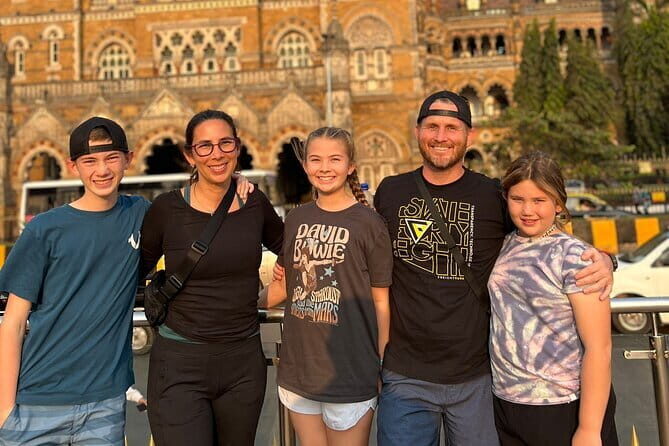
Then it’s time for Chhatrapati Shivaji Maharaj Terminus (CSMT) for about 10 minutes. This historic railway station was built in 1887 to commemorate Queen Victoria’s Golden Jubilee. It’s one of the city’s most important transportation landmarks, and even if you’re not a rail fan, you’ll likely enjoy noticing the mix of ornate style and industrial purpose.
Crawford Market: end with a living marketplace
To finish, the tour includes Crawford Market for about 15 minutes. It’s a historic marketplace in central Mumbai, built in 1869 and named after Arthur Crawford, the first municipal commissioner of Mumbai. It’s described as a busy hub of activity.
This ending works because it feels like a real transition back to everyday Mumbai. You’ve spent the day moving between Dharavi’s artisan economy, South Mumbai’s monuments, Gandhi’s legacy, and the major rail hub. Craword Market brings you back to street-level commerce.
If you want photos, this is a good place to do it fast—watch for the angle, and keep your time tight since the stop is scheduled.
Price and value: what $62.40 buys you in real life
At $62.40 per person, this tour can be a strong value if you want a guided day that doesn’t require planning every hop between neighborhoods. Here’s what you’re getting for your money, based on the tour details:
- Private experience with only your group
- Air-conditioned vehicle plus pickup offered
- Bottled water
- All fees and taxes
- Guide support in English, Hindi, and Marathi
- Key admissions covered (Mani Bhavan is listed as admission included)
- Mobile ticket
The price also makes more sense when you think about time. A full-day private city tour in Mumbai can be expensive if you’re hiring separate transport and separate guides. Here, the day is assembled into one plan, and it covers a lot of ground without leaving you to stitch it together.
The most important value piece is the guide’s role. When the commentary is good—especially on complex topics like Dharavi—you end up with understanding you wouldn’t get from wandering alone. And the ethical framing around community-focused tourism helps you feel like the tour is doing more than checking boxes.
Should you book this Dharavi and South Mumbai private tour?
I’d book it if:
- you’re a first-time Mumbai visitor and want a complete day that mixes major sights with an education-focused stop in Dharavi
- you want the comfort of AC transport and a fixed route with short, manageable landmark times
- you care about respectful, community-based tourism and want to understand the work behind industries tied to Dharavi’s economy
I wouldn’t prioritize it if:
- you hate structured schedules and want hours at a single site
- you’re looking for only gentle, low-stimulation sightseeing (Dharavi is informative, and it can be emotionally intense even with a safety-focused guide)
If you’re unsure, this is also a low-risk option because you get free cancellation up to 24 hours before the experience starts.
FAQ
How long is the Mumbai City Tour & Dharavi Slum experience?
The experience runs for about 5 to 8 hours.
Is pickup included, and where does the tour start?
Pickup is offered. The meeting point is Third Wave Coffee, Tip Road, Unit no.58, Ground, Ram Mahal, Senapati Bapat Marg, Marinagar Colony, Station, Mahim, Mumbai, Maharashtra 400016, and the tour ends back at the same meeting point.
Is this a private tour?
Yes. It’s listed as a private experience, meaning only your group participates.
What sites are included in the day?
The tour includes Dharavi, the Gateway of India, Dhobi Ghat, Oval Maidan, University of Mumbai Library, Rajabai Clock Tower, the Bombay High Court, Marine Drive, Hanging Gardens, Kamala Nehru Park, Mani Bhavan Gandhi Museum, CSMT, and Crawford Market.
How long is the Dharavi visit?
The Dharavi portion is about 2 hours and is a guided walk that starts at Third Wave Coffee.
Are tickets or admissions included?
All fees and taxes are included. Also, Mani Bhavan Gandhi Museum has admission listed as included.
What languages will the guide use?
The guide is available in English, Hindi, and Marathi.