REVIEW · MUMBAI
Mumbai City At Dawn, Visit the Unexplored Spots.
Book on GetYourGuide →Operated by Mumbai Experiences · Bookable on GetYourGuide
Sunrise in Mumbai starts with real morning work. This tour is interesting because it takes you past the city’s photo spots and into places where the day is already in motion: Dadar Flower Market for the scent-and-color of morning trade, and Sassoon Dock for the old fishing harbor and lively fish auction. The main consideration is the early start, plus you’ll be on the move through markets and viewpoints—so it’s not the easiest day if you prefer slow, seated sightseeing.
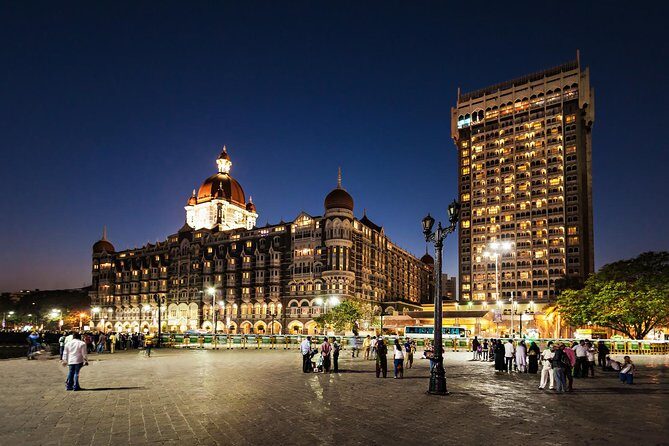
I also like the contrast built into the route. You go from Dhobi Ghat’s open-air laundry rhythms to Banganga Tank’s calmer temple area, then end with sunrise views around Gateway, the Taj Hotel, and Marine Drive. In one helpful touch, the guide team includes English-speaking hosts such as Mr. Balaji, and people in the group were pleased that Saajid and Shivam helped them with photos, while driver Mr. Pawan handled the close-by routing.
In This Review
- Key Points You’ll Actually Care About
- Why Start Mumbai Before Breakfast?
- Dadar Flower and Vegetable Market: The Scent-First Side of Mumbai
- Sassoon Dock: Fish Auction Energy at Mumbai’s Old Harbor
- Banganga Tank and Temples: A Peaceful Pause with Ancient Atmosphere
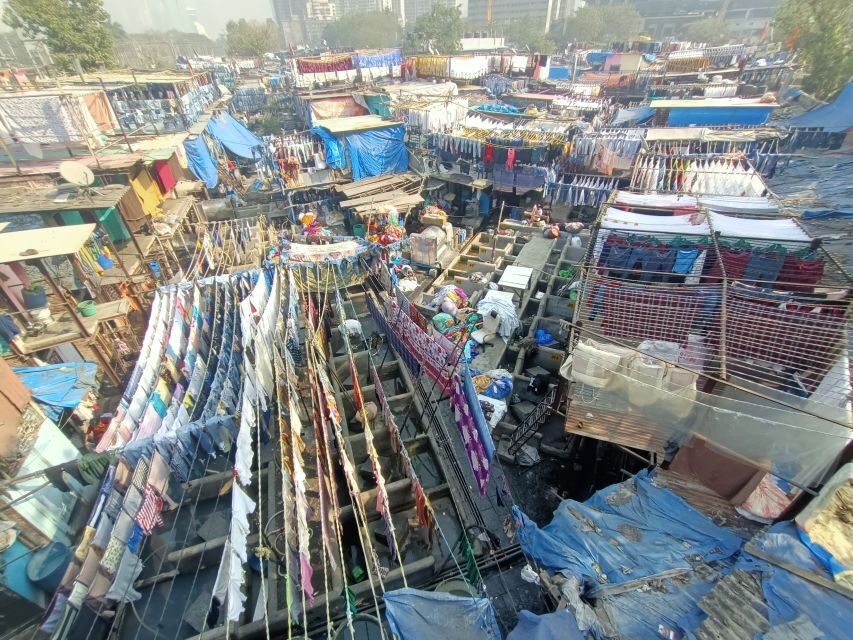
- Dhobi Ghat: Seeing the World’s Largest Open-Air Laundry at Work
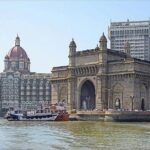
- Victoria Terminus to the Taj: Sunrise Views That Tie the Day Together
- Price and Logistics: Does $27 Feel Like Value?
- How the Stops Fit Together (So You Don’t Feel Rushed)
- Practical Tips for Your Dawn Start
- Who Should Book This Tour?
- Should You Book Mumbai City at Dawn?
- FAQ
- How much does the tour cost?
- What’s included in the tour?
- What places does the tour visit?
- Is this tour wheelchair accessible?
- What cancellation policy is offered?
- Can I book without paying right away?
Key Points You’ll Actually Care About
- Dawn timing: You see working Mumbai before the crowds feel full.
- Dadar Flower & Vegetable Market: Smell, color, and everyday commerce in narrow lanes.
- Sassoon Dock: A look at Mumbai’s oldest fishing harbor plus the catch-and-auction flow.
- Banganga Tank and temples: A quiet pocket between busier stops.
- Dhobi Ghat: The scale of open-air laundry—watch the process up close.
- Sunrise at landmark viewpoints: Gateway, the Taj Hotel, and Marine Drive at the start of the day.
Why Start Mumbai Before Breakfast?
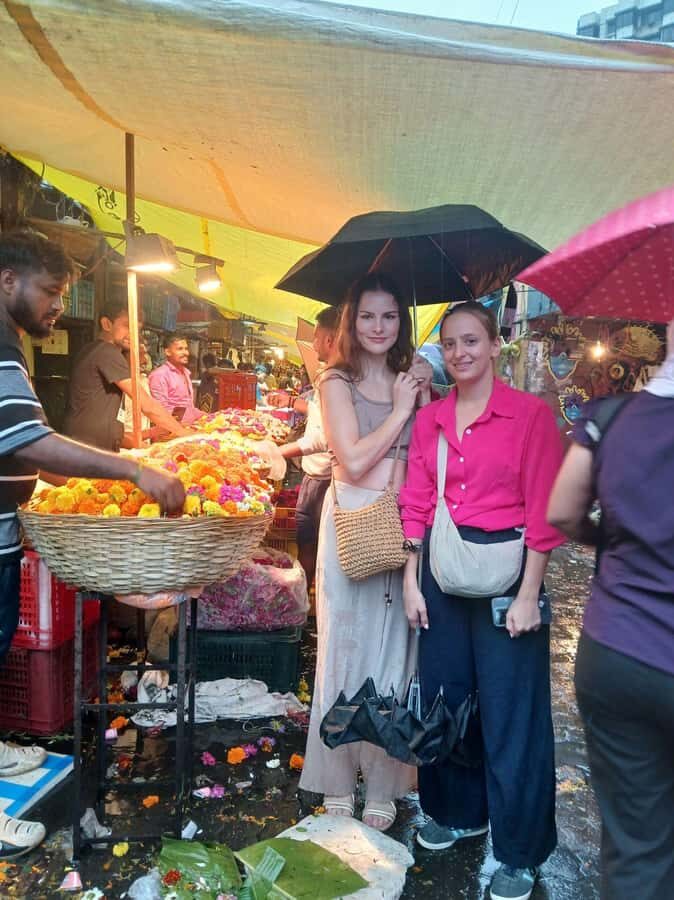
There’s a reason to do Mumbai at dawn: the city feels less like a theme park and more like a living place with routines. The tour’s timing helps you catch markets and the harbor while people are still settling into the day’s work. That makes the photos more meaningful too, because you’re not only photographing buildings—you’re photographing activity.
You’re also getting a good mix of moods. Early stops like Dadar and Sassoon Dock lean practical and hands-on. Mid-morning moments like Banganga Tank slow the pace, and then Dhobi Ghat brings you back to a sensory, work-focused scene. Ending with sunrise views around Gateway, the Taj Hotel, and Marine Drive gives you a clean visual payoff: history, architecture, and sea-facing light all in one run.
The route does require you to handle a bit of movement on sidewalks and through busy areas. If you want a completely relaxed day with minimal walking, this might feel like too much early-day energy.
You can also read our reviews of more city tours in Mumbai

Dadar Flower and Vegetable Market: The Scent-First Side of Mumbai
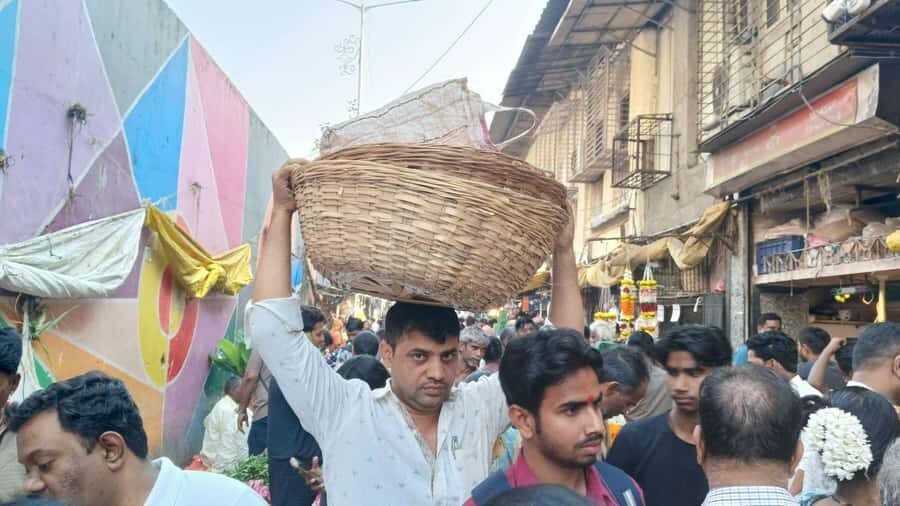
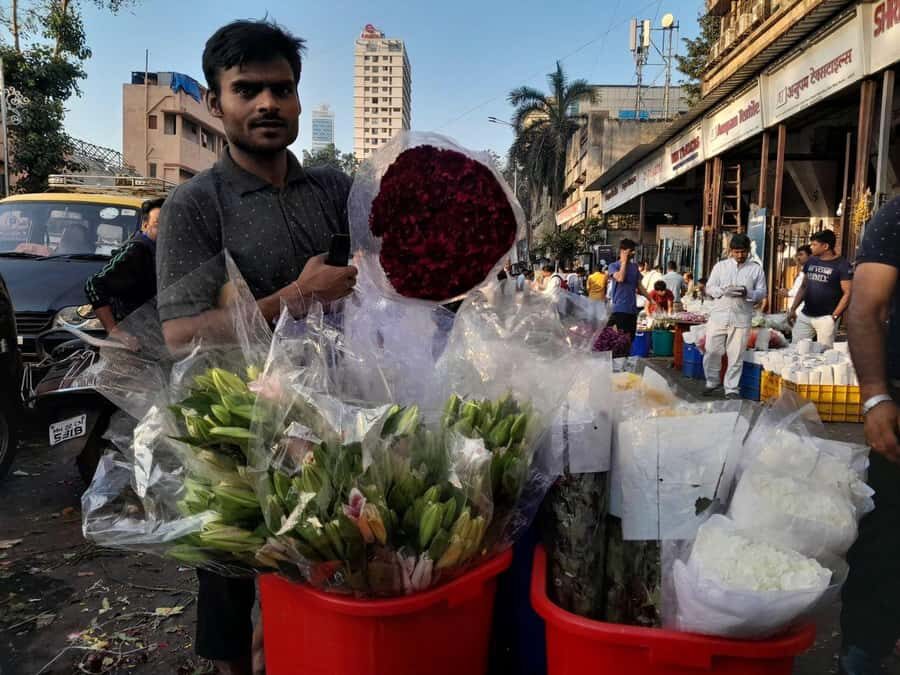
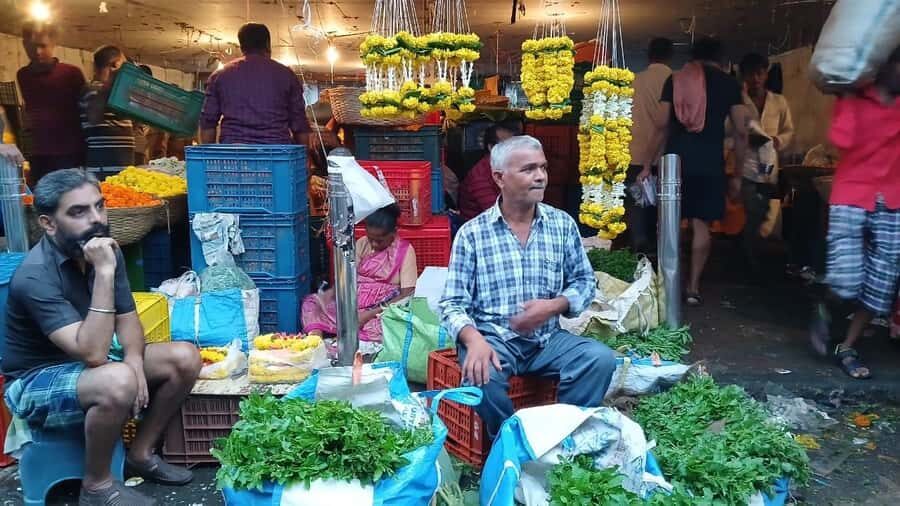
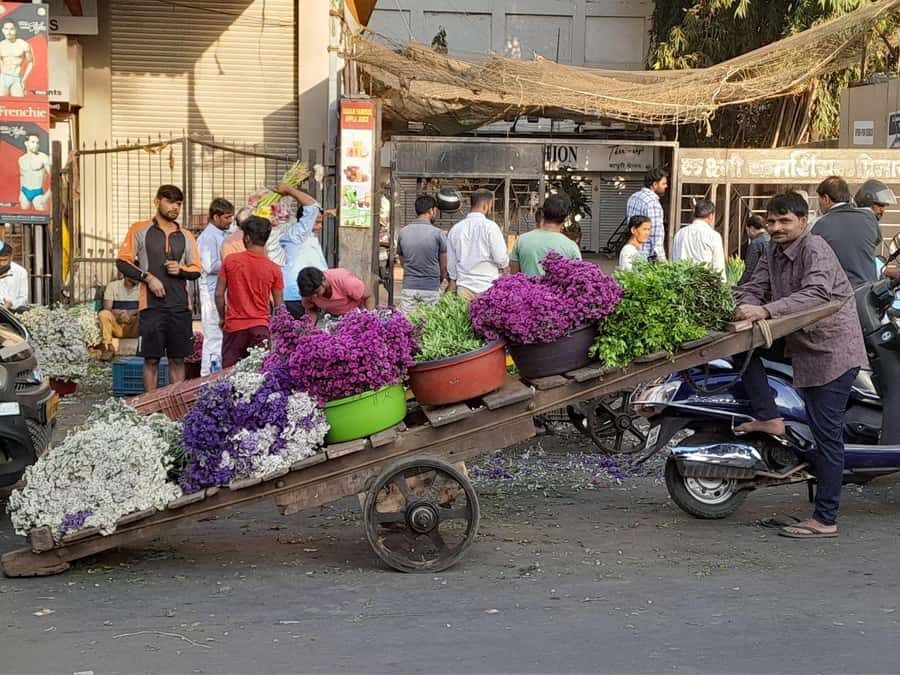
The day kicks off at Dadar Flower & Vegetable Market, where you’ll start with the most immediate kind of immersion: smell. Fresh flowers and garlands come into view right away, with rows and lanes where morning trade shapes what you see. Even if you’re not buying anything, it’s worth walking slowly, letting your eyes adjust to the close detail—color gradients, stacked goods, and people moving with purpose.
You’ll also move through the vegetable side of the market. That matters because it turns the stop into more than a pretty photo break. Food is part of how the city functions, and seeing both flowers and vegetables helps you understand daily life beyond the usual tourist script.
A practical tip: at a market, the best viewing happens when you stand aside and watch the flow for a few minutes before squeezing into the tight lanes. You’ll get better angles and you’ll feel less like you’re interrupting a working scene.
Sassoon Dock: Fish Auction Energy at Mumbai’s Old Harbor
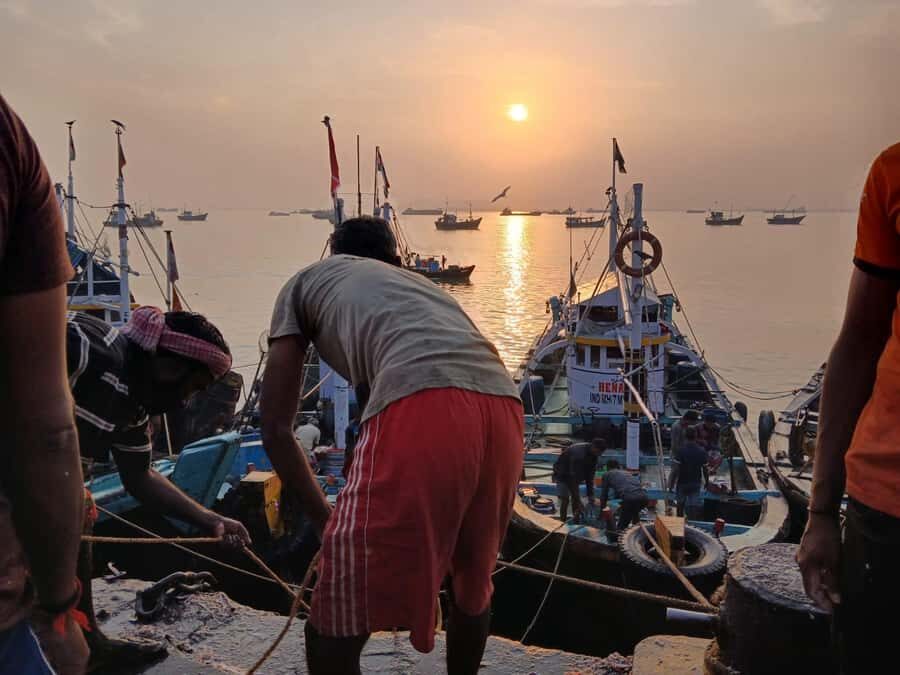
Next is Sassoon Dock, described as Mumbai’s oldest fishing harbor. What you’re really looking for here is motion and timing—the sense that this is a place where the day’s catch becomes the day’s story. The fish auction adds a clear rhythm: boats and supplies connect to the immediate marketplace, so you can see the chain from sea to sale.
This stop is a strong match if you like documentary-style travel. You’ll be watching real work, not staged performances. And because it’s a harbor environment, you tend to get dramatic lighting changes as you move around, which is great for photos—especially with a guide who can point you toward good angles.
One thing to keep in mind: dock areas can be crowded and busy, and there’s often a lot happening at once. Go in with the mindset of watching first, taking photos second. If your goal is good pictures, plan to pause, let the strongest action pass, then re-position.
Banganga Tank and Temples: A Peaceful Pause with Ancient Atmosphere
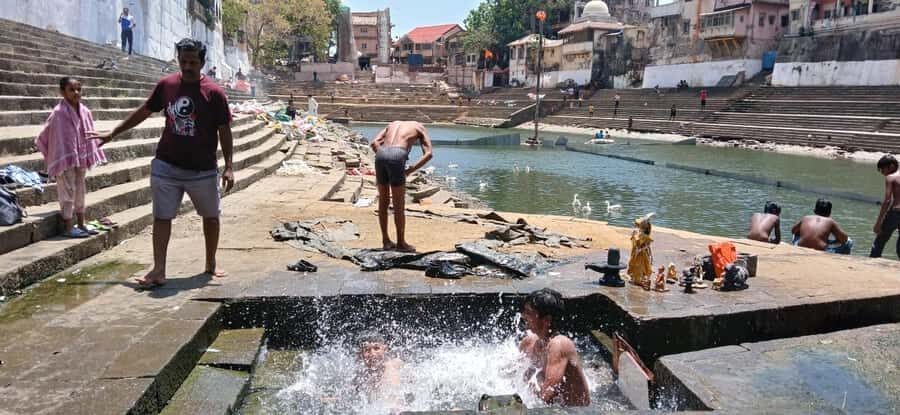
After the busy harbor and market energy, the tour shifts to Banganga Tank. This is the quieter stop: a sacred oasis surrounded by older temples, where you can breathe and slow down. It’s not just a scenic break. It gives you a different lens on Mumbai—one where the city’s spiritual life stays present even as commerce moves around it.
I like this part of the route because it changes your body rhythm. You’ve spent time at places where you’re navigating crowds and moving quickly. Here, you can take a calmer walk, watch how people interact with the space, and let the day’s noise drop a level.
In a practical sense, it’s also a good reset before Dhobi Ghat. Think of Banganga Tank as the “reduce the pace” checkpoint in the middle of a full morning program.
Dhobi Ghat: Seeing the World’s Largest Open-Air Laundry at Work
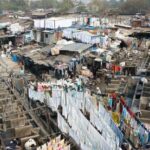
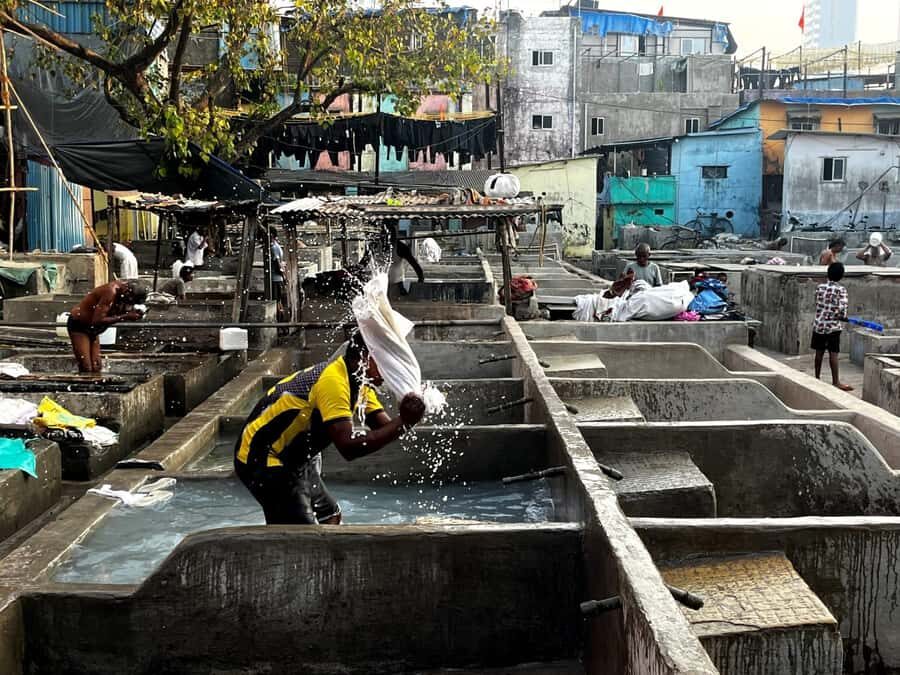
Then comes Dhobi Ghat, the world’s largest open-air laundry. This stop is sensory in a way that photos alone can’t fully capture. You’ll hear the regular work rhythms, see large-scale washing routines, and notice how the setup supports long hours of labor in open air.
This is one of those experiences where respectful viewing matters. You’ll want to keep your distance where it’s needed and avoid blocking workflows. If you go with curiosity rather than grabbing-for-photos energy, you’ll get more from the visit and you’ll feel less awkward in a place where people are working, not performing.
Dhobi Ghat also makes the entire morning feel more grounded. Markets show you buying and selling. Sassoon Dock shows labor tied to the sea. Banganga Tank shows spiritual routine. Dhobi Ghat ties it all together with sheer human work at massive scale—right out in the open.



Victoria Terminus to the Taj: Sunrise Views That Tie the Day Together
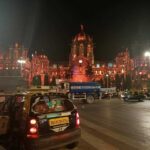
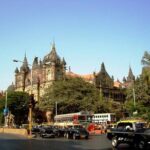
The last stretch brings you into Mumbai’s iconic architecture and the sunrise payoff. Your route includes Victoria Terminus, then moves toward Banganga Tank earlier in the morning and finally sets up for sunrise at Gateway of India, Taj Hotel, and Marine Drive.
Why this works: you’re not waiting until the day has warmed up and chaos takes over. Sunrise light is softer, and it makes classic buildings look less like roadside backdrops and more like landmarks you can actually read. It also gives you a clean “why I’m here” moment—standing at viewpoints that people travel the world for, but doing it at a time when the city is still waking.
If you care about photography, this is the portion where you’ll likely feel glad you brought a plan. With the guide support—people noted that Saajid and Shivam helped take photos—the group can get the shots they came for without wasting time figuring it out on their own.
And yes, the Taj Hotel and Gateway area can look best from specific angles. Dawn gives you those long, gentle shadows, and Marine Drive adds that distinctive sea-neon feel once the light catches it—just not at full midday brightness.
Price and Logistics: Does $27 Feel Like Value?
At $27 per person, this is priced like a budget-friendly way to see a lot of Mumbai in a single morning. The value comes from what’s included: an air-conditioned private vehicle for the tour, an experienced driver, pickup and drop-off from your hotel or a specified Mumbai location, plus an English-speaking guide who explains each stop.
That package matters in Mumbai. Moving between markets, docks, and landmark zones can burn time if you’re handling it alone. Here, you’re buying back morning energy and reducing the stress of figuring out routing, timing, and entry points while you focus on the experience.
What you should budget for: personal expenses and shopping aren’t included. If you plan to buy flowers, snacks, or small souvenirs, set aside cash for that. If you’re not shopping, your costs should stay close to the tour price.
One more value note from real-world feedback: people highlighted the friendliness and knowledge of the guide team—Mr. Balaji in particular—and the way the driver (Mr. Pawan) helped get the group to areas close to the sights. That kind of coordination is part of what you’re paying for.
How the Stops Fit Together (So You Don’t Feel Rushed)
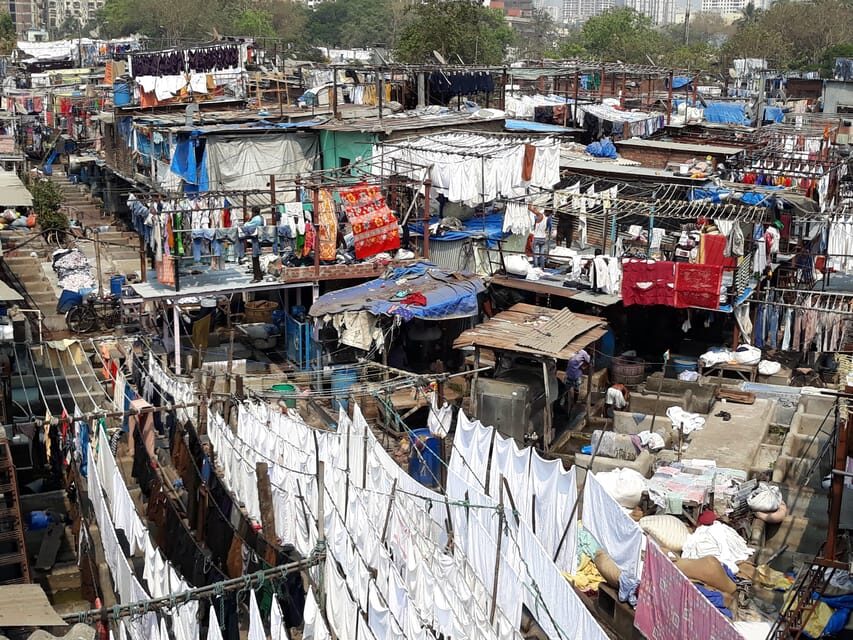
This itinerary works because it alternates “human-scale activity” and “visual payoff.” Dadar Flower Market gets you moving through close detail. Sassoon Dock shows a larger system—catch coming in, auction happening, trade flowing. Banganga Tank slows you down with a spiritual interlude. Dhobi Ghat makes the scale of labor obvious. Then Victoria Terminus and the sunrise viewpoints close the day with architecture and light.
In other words, you’re not just checking boxes. The route keeps your eyes engaged by switching textures: scent and colors, sea work and auctions, quiet temple atmosphere, repetitive laundry rhythms, and finally skyline and sunrise.
The only real drawback is that it’s a morning-heavy plan. If you hate early rising, plan your sleep and expect an energetic start. If you’re the kind of traveler who likes “first look” moments, this route is made for you.
Practical Tips for Your Dawn Start
A few things will make this kind of dawn day smoother:
- Wear shoes you can stand and walk in. Markets, dock zones, and wash areas are not where you want fragile footwear.
- Keep your camera/phone ready but don’t block work areas. Watch first, then shoot.
- Bring light layers. Dawn can feel cooler than later daylight, and you’ll move between sun-facing viewpoints and shaded temple zones.
- If you’re sensitive to strong smells, know that the flower market is the most likely spot. It’s part of the appeal, but it can be intense.
- For sunrise landmarks, be ready to position quickly so you don’t miss the best light window.
Also note: the tour is not suitable for wheelchair users, so if mobility is a concern, plan accordingly.
Who Should Book This Tour?
I’d recommend it if you want a morning that feels real—not just a sightseeing loop. This is ideal for:
- People who like seeing working Mumbai (markets, docks, laundry).
- Travelers who want a photo-friendly route without doing all the logistics themselves.
- Anyone who enjoys contrast: busy labor spaces plus calmer temple areas plus a sunrise finale.
If your ideal day is all air-conditioned comfort and minimal walking, you might feel worn out by the early pace. But if you like the idea of starting your day with markets, then ending with sunrise over Mumbai’s famous seafront landmarks, this tour fits your style.
Should You Book Mumbai City at Dawn?
Yes, if you’re the type of traveler who values early access and real-city scenes. This tour gives you a strong morning arc: commerce at Dadar, harbor action at Sassoon Dock, temple calm at Banganga Tank, open-air labor at Dhobi Ghat, then the iconic sunrise moments at Gateway, the Taj Hotel, and Marine Drive.
I’d book especially if you want a guide-led experience in English with a driver who keeps the routing simple. The combination of private AC transport, pickup/drop-off convenience, and named guide support (including Mr. Balaji and photo help from Saajid and Shivam) makes it feel efficient for the price.
Pass or reconsider if you can’t handle an early start or if you need wheelchair accessibility.
FAQ
How much does the tour cost?
The price is listed as $27 per person.
What’s included in the tour?
It includes a comfortable, air-conditioned private vehicle, an experienced driver, pick-up from and drop-off at your hotel or a specified location within Mumbai, and an English-speaking guide.
What places does the tour visit?
You’ll visit Dadar Flower & Vegetable Market, Sassoon Dock, Dhobi Ghat, Victoria Terminus & Banganga Tank, and you’ll also see sunrise views at Taj Hotel, Gateway of India, and Marine Drive.
Is this tour wheelchair accessible?
No, it is not suitable for wheelchair users.
What cancellation policy is offered?
You can cancel up to 24 hours in advance for a full refund.
Can I book without paying right away?
Yes. The option provided is Reserve & Pay Later, where you can book your spot and pay nothing today.