REVIEW · MUMBAI
Mumbai: Slum Tour Dharavi Small Group with a Local Guide
Book on GetYourGuide →Operated by Inside Mumbai Tours · Bookable on GetYourGuide
Dharavi isn’t a postcard, and that’s the point. I like how this tour centers on real daily life, not shock value, with a local resident guide leading the way. I also love that you’ll see the working parts of the community up close, including Dharavi industries and the filming place tied to Slumdog Millionaire. A possible drawback: this is an education tour focused on everyday reality, so it may feel intense if you want a purely comfortable, sightseeing-style outing.
For the money, it’s hard to beat. The price is low for a guided, small-group walk that includes entrance fees and water, which helps you avoid small add-ons. Still, since the tour runs through a dense area where conditions can be tight, you should go in with a calm mindset and expect basic, practical travel pace—not a slow, relaxed stroll.
In This Review
- Key Points Worth Marking Before You Go
- Entering Dharavi the Right Way: A “Local Life” Tour, Not a Scare Trip
- Meeting in Mahim: How to Start Without Stress
- With Barthi and Other Local Guides: What “Small Group” Feels Like
- Seeing Home, Work, and Play in One Walk
- A quick consideration
- Industries You Can Spot: Plastic Recycling, Leather, Textiles, Metal
- The Slumdog Millionaire Filming Spot: Why It’s More Than Movie Trivia
- Breaking Stereotypes Without Turning It Into a Show
- Price and Value: Why $4.85 Can Make This a Smart Choice
- Logistics You’ll Actually Care About
- Who Should Book This Dharavi Small-Group Tour
- Should You Book This Dharavi Slum Tour?
- FAQ
- What is the starting meeting point for the Dharavi tour?
- Where does the tour end?
- Is the tour guided by a local person from Dharavi?
- What language is the tour offered in?
- What will I see during the tour?
- Does the tour include a stop related to Slumdog Millionaire?
- What’s included in the price?
- How much does the tour cost?
- Can I book now and pay later?
- What is the cancellation policy?
Key Points Worth Marking Before You Go
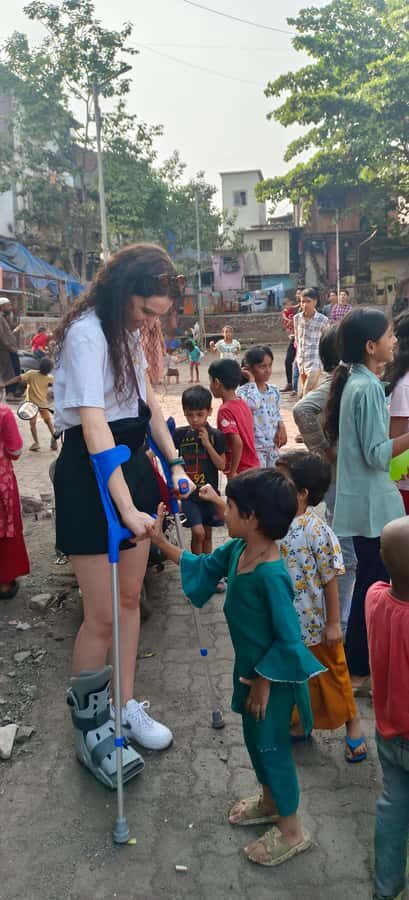
- Local guide from Dharavi: You’re not getting a script from the outside; you’re learning from someone living the neighborhood.
- Education-first approach: You’ll see where people stay, work, play, and how routines connect.
- Hands-on industry highlights: Plastic recycling, leather, garment/textile, and metal work show how the economy ticks.
- Slumdog Millionaire filming spot: You’ll visit the specific place linked to the Oscar-winning film.
- Stereotype check: The tour is built to challenge simple assumptions with firsthand perspective.
- Small-group pacing: Reviews highlight an experience that stays personable, with space for questions.
Entering Dharavi the Right Way: A “Local Life” Tour, Not a Scare Trip
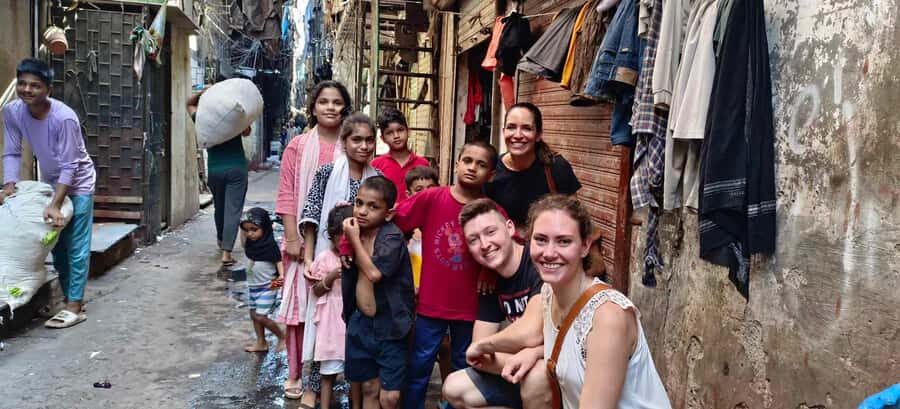
A Dharavi tour can go wrong fast if it turns into gawking. What I like about this one is its clear framing: it’s an education tour where you learn how daily life functions, where families live and spend time, and what kinds of work keep businesses running. It’s famous globally partly because Slumdog Millionaire was filmed here, but the tour’s focus is your understanding of Dharavi as a lived community.
You’ll walk through areas where you can see the mix of home, work, and play. You’re looking at more than buildings; you’re looking at systems—how people make products, how waste gets processed, and how families organize time. That’s what makes this experience useful for your own mental picture of Mumbai: it adds detail, not stereotypes.
The name matters because you’re joining a local guide from Dharavi, not just a generic guide for sightseeing. Reviews also underline that the guides speak strong English and keep the mood respectful, with humor that helps people relax into the learning.
You can also read our reviews of more guided tours in Mumbai

Meeting in Mahim: How to Start Without Stress
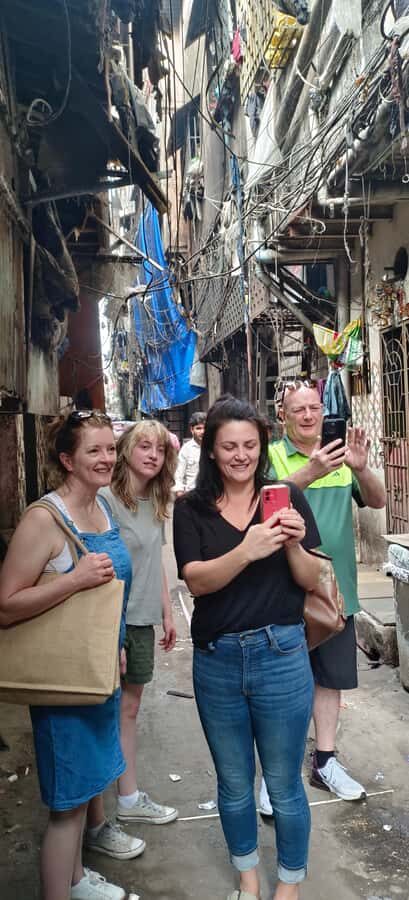
The meeting point is straightforward if you’re already in the area. You’ll meet at Third Wave Coffee, Mahim, opposite Mahim Railway Junction West. Stand outside or sit inside, and the tour guide should find you by name and introduce themselves.
That little bit matters more than you’d think. Dharavi tours depend on arriving on time so the group stays together, and so the guide can lead you efficiently. If you’re coming from elsewhere in Mumbai, I’d plan your route with a little buffer, then arrive early enough to settle and spot the guide quickly.
At the end, the tour returns you to the meeting point. So you don’t need to plan a complicated finish or hunt for transport right after.
With Barthi and Other Local Guides: What “Small Group” Feels Like
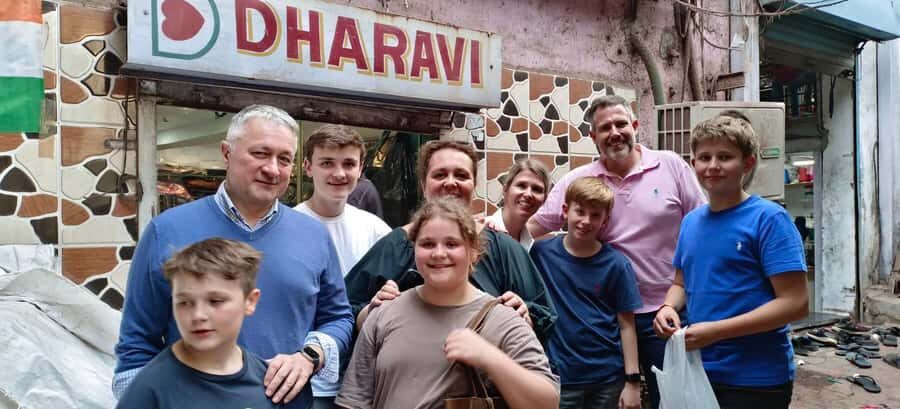
This is listed as a small group experience, and the difference shows up in how the tour likely runs. With fewer people, your guide can explain more clearly and move at a pace that keeps questions possible. In the reviews, the guide experience stands out again and again, including one named Barthi, described as kind, sweet, and able to make the tour feel deep and strong.
Another review points to excellent English and a sense of humor. That matters in a context like Dharavi, where the subject can feel heavy. A guide who can translate not just language, but context, helps you understand what you’re seeing without turning it into fear or fantasy.
Also, there’s a big reassurance built into the way people talk about the visit: it’s not portrayed as chaotic or criminal. One comment specifically says there’s nothing scary or criminal there, and that you shouldn’t be afraid if you’re worried. That doesn’t mean Dharavi is sanitized—it means your experience is handled by local leadership.
Seeing Home, Work, and Play in One Walk
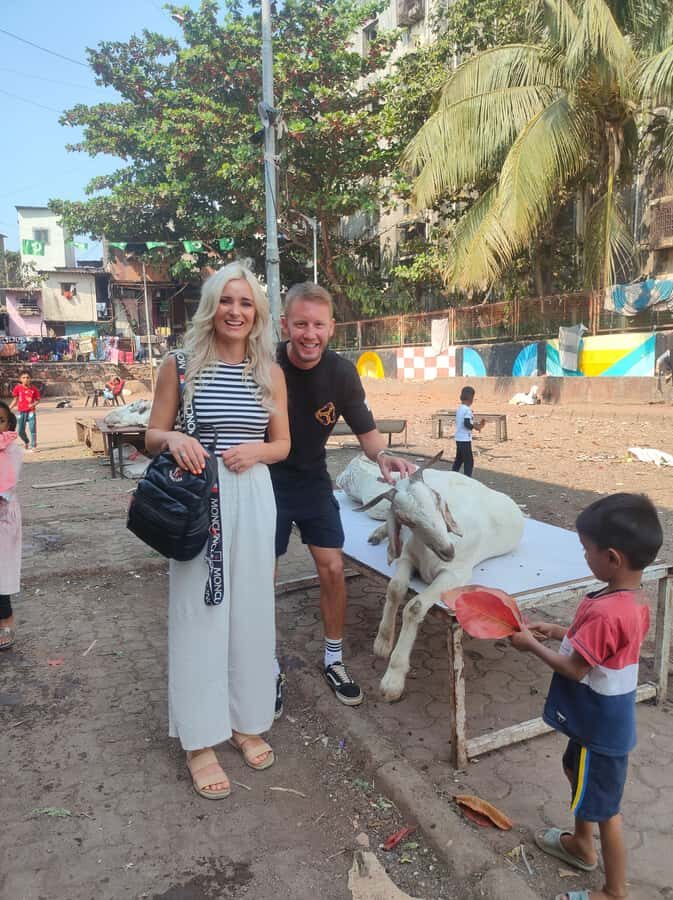
The best part of a Dharavi education tour is how quickly the area stops being a single story. You’ll see where people live, how families organize shared spaces, and where everyday downtime happens for kids and adults. The tour also aims to show the daily rhythms—where people stay, where they relax, and what children do.
You’ll also see work woven into life. Instead of treating “industry” as something separate from “home,” the tour connects them. That’s why it’s called an education tour and not a standard attraction route. You’re learning how people make a living in a place where housing and production often overlap.
In practical terms, expect plenty of looking and short explanations rather than long classroom lectures. The pace is more street-level than museum-level. If you like travel that makes you pay attention—rather than just collect photos—this is the kind of outing you’ll remember.
A quick consideration
Because you’re witnessing real routines, you may want to keep your expectations grounded. This isn’t built as a polished show. If you’re hoping for bright, controlled “tourist views,” you might feel frustrated. If you’re open to realism and respectful observation, you’ll likely find it worthwhile.


Industries You Can Spot: Plastic Recycling, Leather, Textiles, Metal
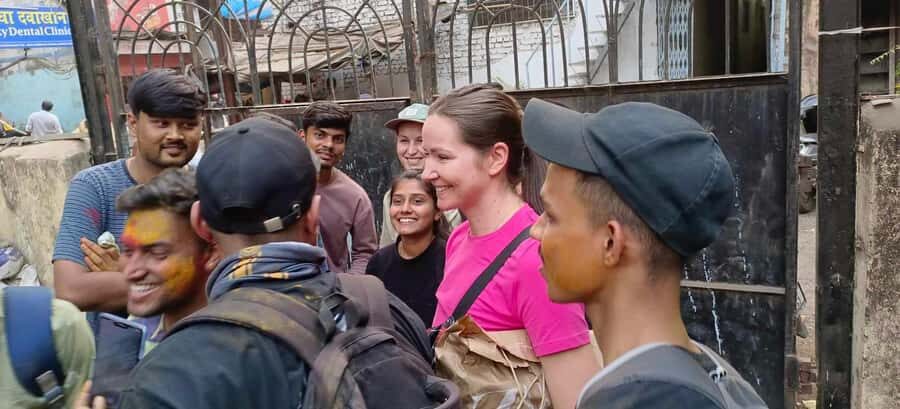
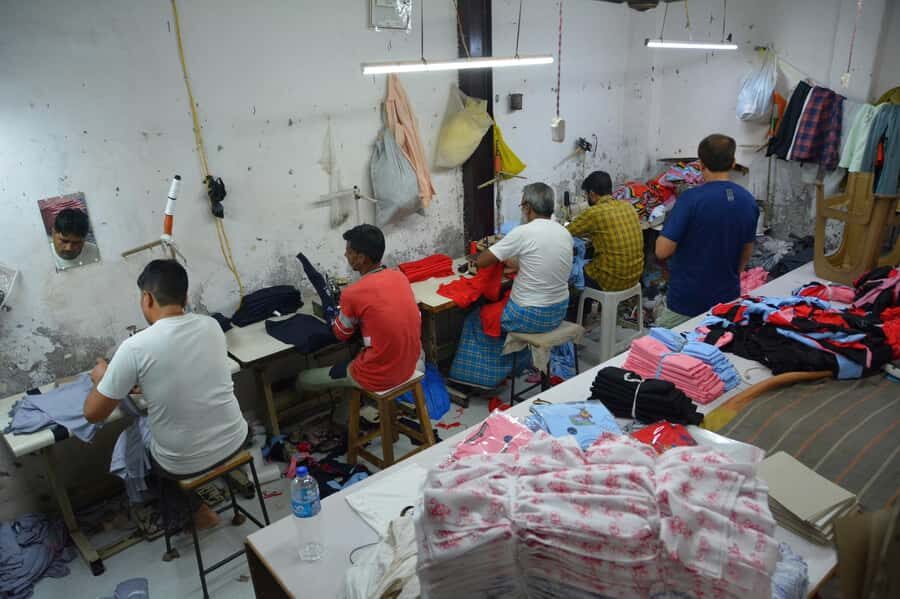
One reason this tour works is that it gives you names for what you’re seeing. You’ll witness the plastic recycling side of Dharavi, along with leather and garment/textile work, plus metal industries. Even if you don’t know the process details, seeing the industries gives you a framework for understanding why Dharavi functions the way it does.
This is the practical takeaway: Dharavi is not only a neighborhood of homes. It’s also an economy. When you watch sorting, processing, and production activity, you start to understand how informal and small-scale businesses connect to larger supply chains.
If you’re the kind of traveler who likes “how does this place actually work?” questions, you’ll get a lot here. The tour is designed to break down the idea that slums are one thing. It shows variety—different kinds of work, different kinds of skills, and different kinds of outputs.
Also, you’ll likely get a clearer sense of why the area draws global attention. Slumdog Millionaire brought the spotlight, but the real story is still the daily labor and the way people adapt.
The Slumdog Millionaire Filming Spot: Why It’s More Than Movie Trivia
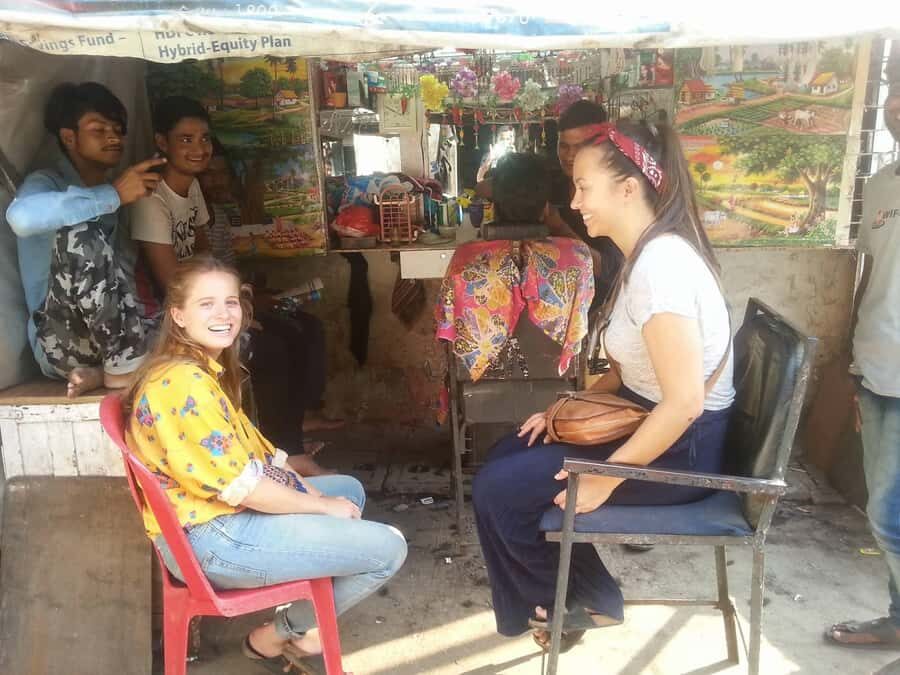
Yes, this tour includes a stop tied to Slumdog Millionaire. You’ll visit the place where the movie was filmed inside Dharavi, and you’ll see it as part of the living environment rather than as a set that was erased and replaced.
That makes the filming stop more meaningful. You’re not just collecting film history; you’re connecting the film’s imagery to the actual layout and lived reality around it. Even if you only vaguely remember the movie, the stop helps you understand why Dharavi became so internationally recognizable.
Just keep expectations realistic. A filming location won’t be staged for you. It’s still part of a neighborhood, so your experience is about context and perspective—not about a guided museum-style walkthrough.
Breaking Stereotypes Without Turning It Into a Show
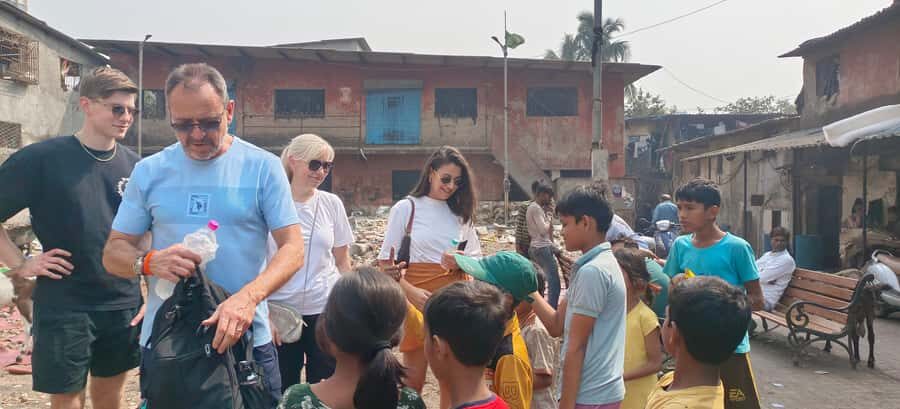
A lot of people approach slum tours with mixed feelings. This one is explicit about its mission: it tries to show the inspiring side of the slums and help you break stereotypes. Reviews back that tone, describing how guides explain everything, show you everything, and make the tour feel enjoyable and meaningful.
What this means for you is simple: the tour isn’t aiming to make you stare at hardship. It’s aiming to correct the story you might have picked up elsewhere. You learn what people do to survive and build stability, and you also notice the normal human stuff—children playing, families relaxing, work continuing, and daily life happening.
That balance is important. If a tour only emphasizes hardship, it can feel exploitative. If it pretends everything is fine, it’s dishonest. Here, the intention is education plus a grounded look at how community life actually functions.
Price and Value: Why $4.85 Can Make This a Smart Choice
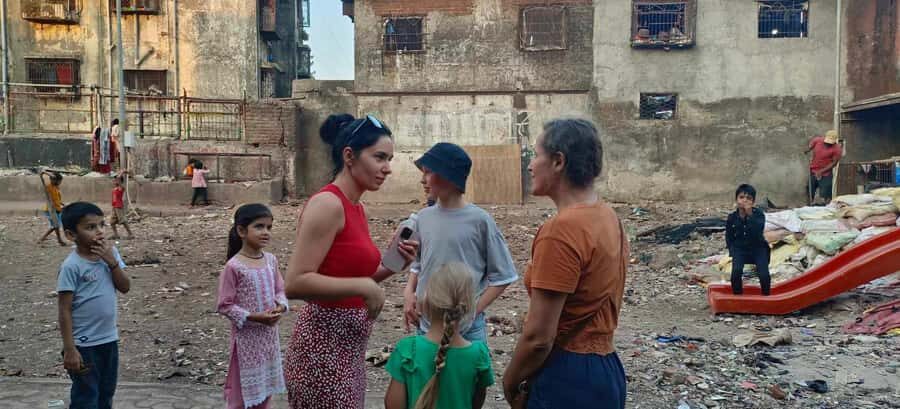
At about $4.85 per person, this tour is priced extremely low for a guided experience that includes more than just walking. You get a local guide, all entrance fees, and water.
Value in travel isn’t just cost—it’s what you learn and how well you’re looked after. Here, the included water matters in Mumbai’s street heat and walking conditions. Entrance fees being included also reduces surprise expenses.
The bigger value is how the local guide changes the quality of information. Reviews highlight excellent English and professionalism, plus a guide who can explain clearly and keep the group comfortable with humor. That kind of guiding usually costs more in other cities. Here, the price suggests you’re getting access to knowledge and context for far less than you might expect.
A practical way to judge value before you book: ask yourself whether you want education through streets and real routines. If yes, the price is a bargain. If you want a classic sightseeing format with minimal emotional weight, you might feel out of place.
Logistics You’ll Actually Care About
This tour is in English. That’s a big deal for comfort because you’ll hear explanations as you walk, not just catch glimpses. You’ll also want to wear comfortable shoes, because you’ll be moving through a dense, active neighborhood.
Timing is easier to plan than some Mumbai tours because it starts at a clear, named spot in Mahim and ends back at that same location. That means you can build your day without a complicated end-point.
One more practical point from the tone of reviews: the tour doesn’t present itself as dangerous. People specifically reassure about safety and say there’s nothing scary or criminal in the area when guided properly. You should still use normal street smarts, but you don’t need to walk in expecting trouble.
Who Should Book This Dharavi Small-Group Tour
This is a great fit if you want:
- A local-guided education tour focused on real daily life
- Industry context like plastic recycling, leather, textiles, and metal work
- A chance to connect Slumdog Millionaire filming locations to where people actually live and work
- A small-group experience where you can understand the stories, not just pass by scenes
It may be less ideal if you:
- Want a relaxed, typical sightseeing day with minimal emotional intensity
- Prefer attractions that feel controlled and tourist-friendly
- Dislike street-level learning and prefer museums or formal tours only
If you’re curious, open-minded, and willing to see Dharavi as a functioning community, you’re likely to come away with a clearer, more accurate picture of Mumbai.
Should You Book This Dharavi Slum Tour?
I’d book it if your goal is understanding—how people live, how work happens, and how the area connects to film history. The combination of a local resident guide, industry stops, and the Slumdog Millionaire filming spot makes it more than a one-note “slum tour.”
I wouldn’t book it if you’re hoping for a comfortable, purely recreational outing. This is reality-based education, and it may feel intense if you’re looking for easy entertainment.
If you decide to go, plan your expectations around respectful learning, wear comfortable shoes, and arrive at the Mahim meeting point on time so the small group can stay together.
FAQ
What is the starting meeting point for the Dharavi tour?
The meeting point is Third Wave Coffee in Mahim, opposite Mahim Railway Junction West.
Where does the tour end?
The tour ends back at the same meeting point where it starts.
Is the tour guided by a local person from Dharavi?
Yes. You’ll have a local tour guide from Dharavi.
What language is the tour offered in?
The tour is offered in English.
What will I see during the tour?
You’ll see where people live, work, and play, plus businesses and industries such as plastic recycling, leather, garment/textile, and metal work.
Does the tour include a stop related to Slumdog Millionaire?
Yes. You’ll visit the place where Slumdog Millionaire was filmed inside Dharavi.
What’s included in the price?
The price includes a local tour guide, all entrance fees, and water.
How much does the tour cost?
The price is listed as $4.85 per person.
Can I book now and pay later?
Yes. It’s listed as reserve and pay later, with you paying nothing today.
What is the cancellation policy?
You can cancel up to 24 hours in advance for a full refund.