REVIEW · MUMBAI
Dhobi Ghat Tour
Book on GetYourGuide →Operated by Mumbai Dream Tours · Bookable on GetYourGuide
Mumbai’s laundry has a whole story. This Mahalaxmi Dhobi Ghat visit turns a busy corner of Mumbai into a living lesson on how the city’s washing system works, from sorting and beating to drying lines and delivery rhythm. I love watching the manual teamwork—people handle different steps like it’s a well-rehearsed routine—and I like how the guide explains daily life behind the work, not just the sights.
One thing to plan around: photography inside is not allowed, so if your main goal is lots of indoor shots, you’ll need to shift your focus to the outdoor scenes. Also, the tour is short (around half an hour), so come ready to look, not to linger.
In This Review
- Key things you’ll notice on a Dhobi Ghat Tour
- Mahalaxmi Dhobi Ghat: Why This Open-Air Laundry Matters
- Meeting Point at Dhobi Ghat and Starting Time for Best Light
- How the Manual Laundry Works: Sorting, Beating, Boiling
- From Water to Drying Lines: The Rhythm of Family Labor
- Charcoal Irons and the Finishing Stage You Might Miss Elsewhere
- Tea and Guide Stories: What to Ask in a Short 30-Minute Tour
- Price and What You Truly Get for $11
- Photo Rules and How to Get Great Outdoor Shots Anyway
- Who This Tour Fits Best (and Who Might Skip It)
- Should You Book the Dhobi Ghat Tour?
- FAQ
- How long is the Dhobi Ghat tour?
- Where do I meet the guide?
- What’s included in the price?
- Is photography allowed?
- What time should I start the tour?
- What language is the guide?
- Who runs the tour?
Key things you’ll notice on a Dhobi Ghat Tour
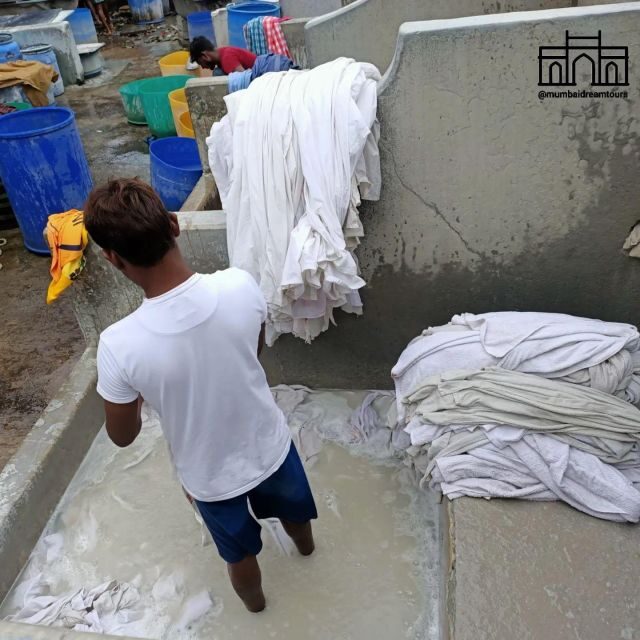
- An open-air workplace with real workflow: sorting, beating, drying, and re-queueing happens in plain view
- Family-run steps: one person sorts, another beats, others hang and move laundry along
- Hospital laundry is part of the system: there are separate areas for boiling and washing infected clothes
- Charcoal irons for final finishing: you’ll see the heavy iron style used before clothes go out
- Color and texture for photos outside: clotheslines and loads of fabric create great visual variety
- Guide-led context that makes it stick: you’ll hear how workers live and work through the day
Mahalaxmi Dhobi Ghat: Why This Open-Air Laundry Matters

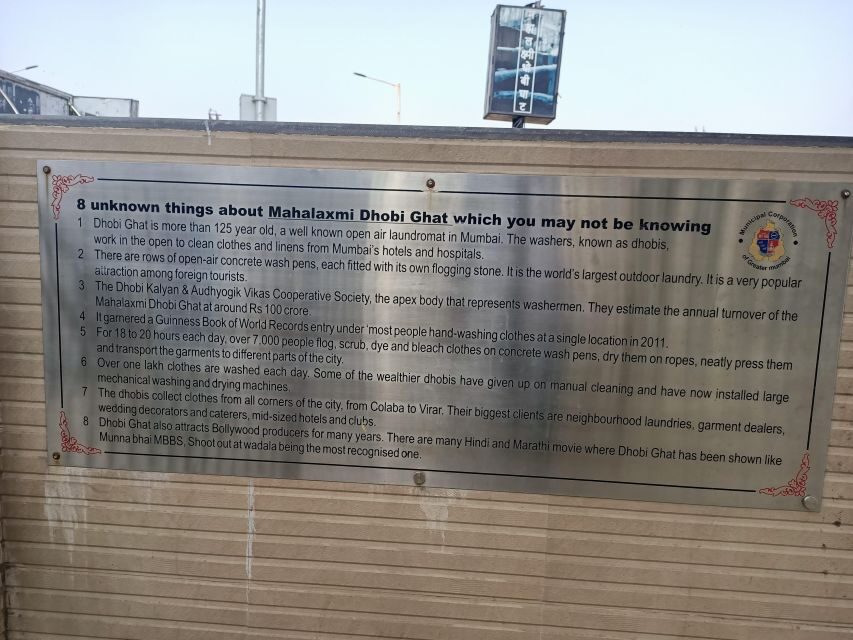
Mahalaxmi Dhobi Ghat is the kind of place that makes you rethink normal life. In a city of millions, this open-air laundry facility keeps the daily cycle moving, and it has been operating for over a century. The tour experience is all about seeing that system up close, while it’s actually happening.
It’s also described as the world’s largest open-air laundry, which helps explain why the scene feels bigger than a simple neighborhood wash-house. You’re not just looking at clothes; you’re looking at labor, scheduling, and coordination. The work runs because different people handle specific tasks, often within the same dhobi families.
What I love is how quickly your brain starts connecting the dots: the smells, the equipment, the sorting methods, even the way porters enter with fresh loads. When you understand that logic, the organized chaos stops feeling random and starts feeling efficient.
You can also read our reviews of more tours and experiences in Mumbai.



Meeting Point at Dhobi Ghat and Starting Time for Best Light
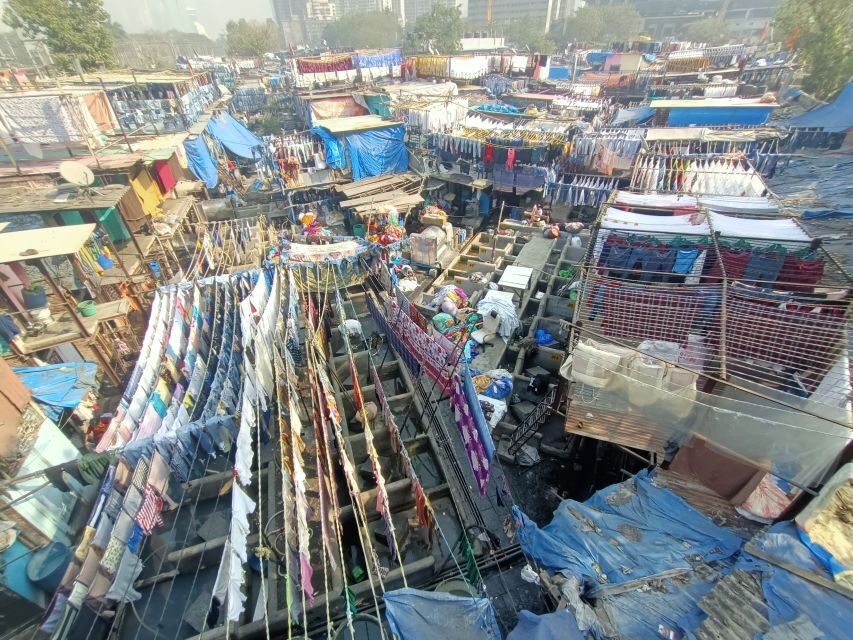
Your tour begins at the Dhobi Ghat viewpoint area, and then you walk around within the laundry space. The whole visit is roughly 30 minutes, so timing matters. If you want the clearest view of the drying lines and the busiest stages of work, start with the morning slot—8:00 am is the best time mentioned.
A short tour is a double-edged sword. It’s great because you’ll see a lot without getting exhausted, but it also means you need to stay alert. Think of it like a quick orientation to a living workplace: you’ll get the core story and key sights, not a long, slow wander.
If you’re the type who loves to ask questions, bring a few ready in your head. Your guide can help you connect what you’re seeing to what it means for workers’ lives—especially the human side, not just the machinery-free details.
How the Manual Laundry Works: Sorting, Beating, Boiling

The heart of the tour is the workflow. You’ll watch how laundry moves from dirty arrival to cleaned, dried, and finished. Even if you know the basics of washing clothes, Mahalaxmi Dhobi Ghat gives you a different angle: everything is practical, visible, and handled by hand in many steps.
One of the most memorable parts is how jobs are split. You’ll see a dhobi sorting clothes by color and type, which is a big deal when you’re preventing damage and mix-ups across hundreds of loads. Nearby, another worker beats clothes to pull out stains—fast, physical work that looks rough until you realize it’s essential before the next stages.
The tour also points out that this isn’t a single-purpose laundry. There are separate sections, including areas for boiling water and washing infected clothes from hospitals. That detail changes how you view the place. It’s not only about everyday clothing; it’s also about hygiene and controlled processes for different categories of laundry.
And yes, there’s an atmosphere to it: you’ll likely notice the day-long activity, the smell of washing chemicals, and the constant rhythm of people bringing in and taking out bundles. It’s busy, but it’s not careless. The chaos is organized by routine.
From Water to Drying Lines: The Rhythm of Family Labor

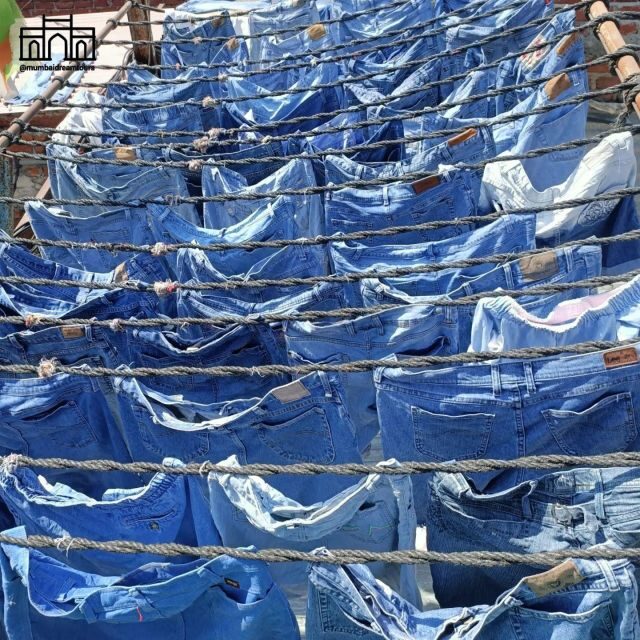
After washing, the next big moment is drying. You’ll see clothes hanging on lines, forming long rows that look like repeating patterns across the space. The drying stage is where the place becomes especially photogenic outdoors, because color and texture really pop.
What makes this more than just sightseeing is the human rhythm. The tour explains that while some families may use machines in parts, much of the process is still taken care of through manual work. It’s described as family labor: different family members handle specific tasks, and the work keeps flowing because everyone knows their role.
If you pay attention, you’ll start noticing how the scene is paced. Clothes don’t just sit; they shift from washing to drying, then later toward ironing. Porters also come and go with fresh piles of laundry, which reinforces that this is a daily service—not a one-time event.
I find this part useful because it teaches you how industrial-like output can still happen with old methods. You get respect for the speed and discipline required to run the same steps day after day.
Charcoal Irons and the Finishing Stage You Might Miss Elsewhere
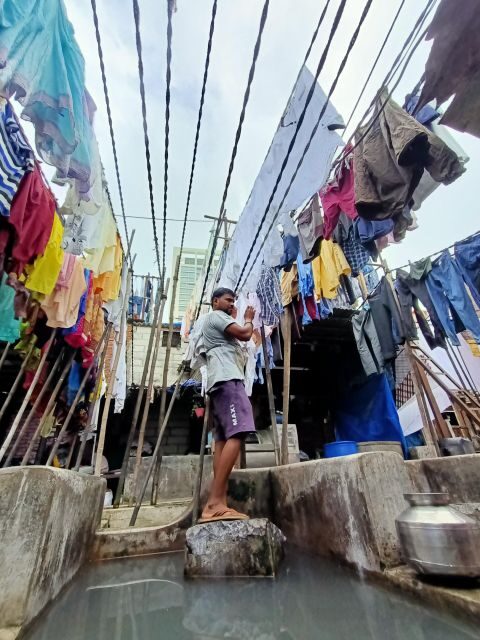
The finishing stage is where the tour earns its keep. You’ll learn about the ironing process, including the use of bulky charcoal irons. Watching the final pressing helps you understand why laundry in Dhobi Ghat isn’t only about cleanliness—it’s about crispness and readiness for delivery.
This is also where you see the chain complete. In a lot of sightseeing, you stop at the “wash” part. Here, you get a fuller sense of the service: washed clothes get handled again for ironing before they’re ready to go out.
The charcoal detail matters because it shows you this system still uses traditional tools. It’s not museum-history; it’s operational. The tour doesn’t try to romanticize it, but it does make you see why these methods have endured: they fit the flow, the labor structure, and the output needs.


Tea and Guide Stories: What to Ask in a Short 30-Minute Tour
The tour includes tea, and the guide’s job is to connect all the visible steps to the real lives behind them. Your guide speaks English, and they’ll share background on the dhobi system and the history/significance of Mahalaxmi Dhobi Ghat.
In the reviews you can see what works best: guides with a real personal link to the place. Names mentioned include Havat and Hardik Tank. If you meet someone like them, lean in—this type of host tends to bring humor and daily-life stories, not just facts.
You can also ask practical questions like:
- How do workers keep the workflow running from morning onward?
- What’s the biggest difference between sorting by color/type versus just washing everything together?
- Do they handle hospital laundry differently because of safety and hygiene needs?
Even with a quick tour length, a good guide helps you leave with context. Without that, Dhobi Ghat could feel like a chaotic photo stop. With the explanation, it turns into a clear, respectful look at a working system.
Price and What You Truly Get for $11

At $11 per person, this tour sits in the “small cost, big perspective” category. You’re not paying for a long transport day or a large formal attraction. You’re paying for entry, an English-speaking guide, and tea, plus a guided walk through a functioning open-air laundry.
Value comes from what you learn in that half hour. Mahalaxmi Dhobi Ghat is one of those places where you can look on your own, but a guide saves you time and prevents misunderstanding. The main benefit is interpretation: who does what, why there are different sections, and how the system evolved to keep running.
You’ll also likely feel the difference between seeing laundry as scenery versus seeing it as labor. That shift is worth more than the ticket cost.
The only cost-side consideration is the short duration. If you want deep photography time or long conversations, you might feel a bit rushed. But if you want a focused first look with context, the price-to-time ratio works well.
Photo Rules and How to Get Great Outdoor Shots Anyway
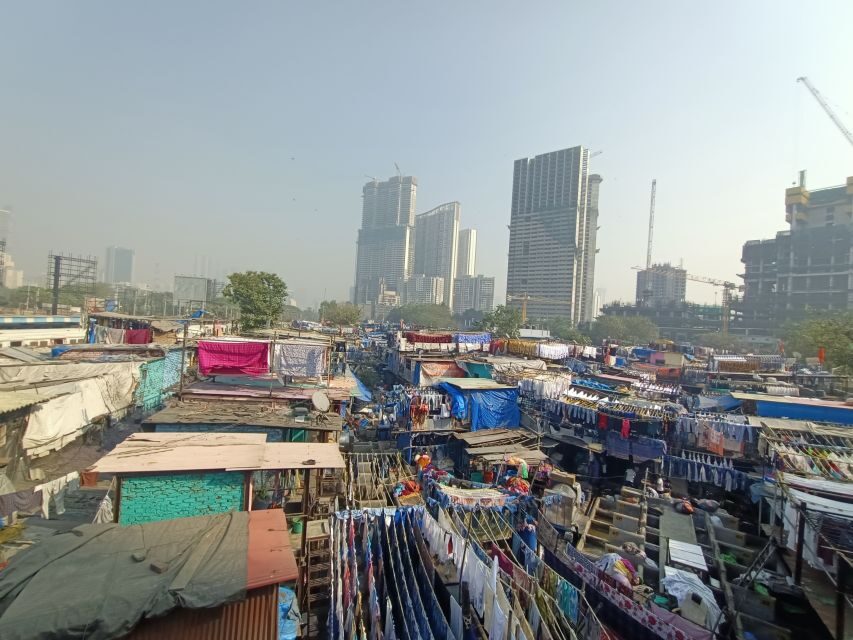
Photography is a major planning detail here. The rule you should follow is simple: no photography inside. That means your best shots will come from the outdoor areas—especially the clotheslines and the organized rows of drying garments.
The tour’s highlights include colorful scenes from drying lines and moving laundry loads. So even with the inside restriction, you can still get a strong visual story. Think in terms of outdoor compositions: lines of fabric, hands in action, and the contrast between washed stacks and drying rows.
Also, keep your expectations realistic. This is an active workplace with workers doing real jobs. Move carefully, don’t block routes, and use your camera with respect. A good tour guide will help you understand what areas to focus on during your short visit.
Who This Tour Fits Best (and Who Might Skip It)
This tour is a great fit if you want something different from the usual Mumbai checklist. It’s ideal for travelers who like real-life systems—places where you can see how a city runs beyond major landmarks.
You’ll probably enjoy it if you:
- like cultural history tied to everyday work
- enjoy watching hands-on processes
- want a short tour that still teaches you something specific
It might be less ideal if you’re looking for a long, slow walk or a heavy photography session inside. The visit is brief, and the photography rule limits certain angles. Also, guide energy can vary. In one experience, the visit happened faster than expected and the guide seemed rushed. In others, the guide was praised for being warm, prepared, and funny. Your best move: arrive ready to engage and ask questions early.
Should You Book the Dhobi Ghat Tour?
If you’re choosing between a quick Mumbai cultural detour and another long attraction day, I’d lean toward this tour for most first-time visitors. It’s inexpensive, focused, and genuinely different. The manual workflow, the hospital laundry sections, and the finishing stage with charcoal irons give you a full picture in about half an hour.
Book it if you want:
- a guided explanation in English
- entry included and tea included
- a morning-time option that works for photography outdoors
Skip it if photography inside is your priority, or if you need a long itinerary with lots of free time to roam. But if you can handle a short, respectful look at a working open-air laundry, this is one of the best value ways to see Mumbai at human scale.
FAQ
How long is the Dhobi Ghat tour?
The tour is about 30 minutes on foot.
Where do I meet the guide?
Your guide meets you at the Dhobi Ghat viewpoint. The listed meeting location is near Dhobighat Entrance, 26-40, Anandilal P Marg, Dhobi Ghat, Shanti Nagar, Mahim, Mahalaxmi, Mumbai, Maharashtra 400020.
What’s included in the price?
The tour includes entry tickets, an English-speaking guide, and tea.
Is photography allowed?
Photography inside is not allowed. The tour highlights outdoor clotheslines and drying scenes, so focus on exterior views.
What time should I start the tour?
8:00 am is listed as the best time to start.
What language is the guide?
The tour is described as having an English speaking guide.
Who runs the tour?
The experience provider is Mumbai Dream Tours.