REVIEW · MUMBAI
Highlights of Mumbai Guided Half Day Sightseeing City Tour
Book on GetYourGuide →Operated by Yo Tours · Bookable on GetYourGuide
South Mumbai makes sense fast. This 4-hour guided circuit strings together the city’s faith, Indo-Victorian landmarks, and coastal views into one tight plan. I love the way the guide ties together Gateway of India and what’s happening around it with clear stories you can actually picture. I also like the stop at Dhobi Ghat, where the scale of Mumbai’s everyday laundry life becomes real, not just a photo. The trade-off is speed: short stops, some sights possibly viewed from outside, and timing that can wobble with Mumbai traffic.
You’ll get picked up from within the city area (up to 5 km) and move around in a private car, with a mix of on-foot and drive-by segments. The guide speaks English and Hindi, and you’ll have water and local snacks to keep you going during the moderate walking. If you want a slow museum day, this isn’t that kind of tour.
In This Review
- Key highlights worth planning around
- A fast-paced South Mumbai heritage route that actually helps you understand the city
- What you’re paying for: clarity, not just driving
- Starting at the Gateway of India: a waterfront entry point with real context
- Prince of Wales Museum and Jehangir Art Gallery: Indo-Victorian meets India’s modern art revival
- The main drawback at these indoor stops
- Chhatrapati Shivaji Maharaj Terminus (CST): the UNESCO Gothic moment
- Dhobi Ghat: Mumbai’s largest open-air laundry in human scale
- A tip for respectful viewing
- Haji Ali Dargah and Mahalaxmi Temple: faith, sea views, and modest dress
- Clothing matters here
- Babulnath Temple and Jain temples: quieter ancient roots near busy streets
- St. Thomas Cathedral and heritage spots: another layer of Mumbai’s built identity
- Marine Drive at the end: Queen’s Necklace, sea breeze, and a calmer mood
- What’s included (and what you should budget for)
- Pickup, walking, and timing: how to make the day feel smoother
- Who this tour suits best (and who should pick another option)
- Should you book this Mumbai half-day sightseeing tour?
- FAQ
- How long is the Mumbai guided half-day sightseeing city tour?
- What is the price for this tour?
- Where does pickup and drop-off happen?
- Is entry to monuments included?
- Does the tour include a guide and what languages do they speak?
- Is the tour wheelchair accessible?
- What should I wear for the tour?
- What can I expect in terms of walking and viewing?
- Is cancellation allowed if my plans change?
Key highlights worth planning around
- Gateway of India to South Mumbai landmarks: you’ll get orienting context for the area’s historic buildings and waterfront energy
- CST (Chhatrapati Shivaji Maharaj Terminus) UNESCO stop: a Gothic landmark you can read with the guide’s explanations
- Dhobi Ghat in the daylight: see the world’s largest human-powered open-air laundry and understand what you’re looking at
- Haji Ali Dargah and Mahalaxmi Temple: spiritual sites with strong visual and cultural meaning, with modest-dress expectations
- Marine Drive at the end: a classic sea-breeze payoff where the city looks calmer than it felt at the start
A fast-paced South Mumbai heritage route that actually helps you understand the city
This half-day tour is built for first-time visitors who want more than a photo checklist. You’ll cover major landmarks scattered across South Mumbai, with an English-speaking (and often Hindi-speaking) local guide giving stories, trivia, and cultural context as you go. The result is a route that feels like it’s teaching you how Mumbai fits together: empire-era architecture, working-city realities, and daily religious life.
The pace is intentionally quick. You get short visits at each key stop, and sometimes you’ll see a site from outside if entry queues or traffic get in the way. For me, the value here comes from the guide’s “connect-the-dots” approach—so even a brief stop turns into something you remember.
You can also read our reviews of more guided tours in Mumbai


What you’re paying for: clarity, not just driving
At $81 per group (up to 3 people), the price is surprisingly reasonable for a private-group format that includes a guide, private car, and included snacks. This isn’t a big-vehicle bus tour where you’re stuck waiting while everyone stretches out. Instead, you’re set up for a smooth loop: pickup, a sequence of stops, and a return to the Gateway of India area.
Your biggest “cost” isn’t money—it’s energy. Expect comfortable shoes and a willingness to walk moderately between short segments.
Starting at the Gateway of India: a waterfront entry point with real context
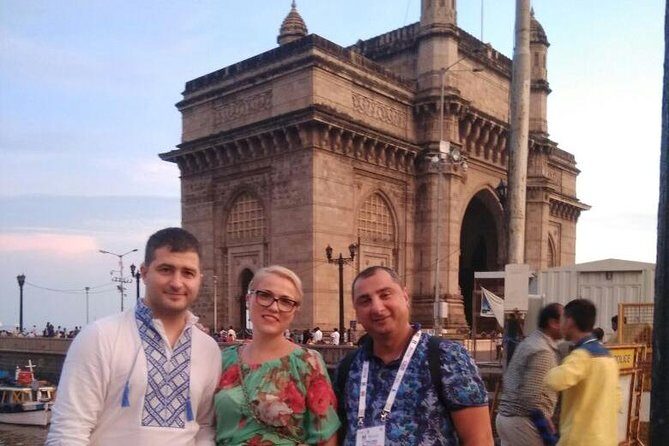
You begin at the Gateway of India, which makes sense because it’s one of Mumbai’s easiest places to orient yourself. You’ll see the Arabian Sea dotted with colorful boats, and the guide will frame what the waterfront has meant historically for trade, travel, and city life. Even if you’ve seen images before, standing here helps your brain connect the rest of South Mumbai.
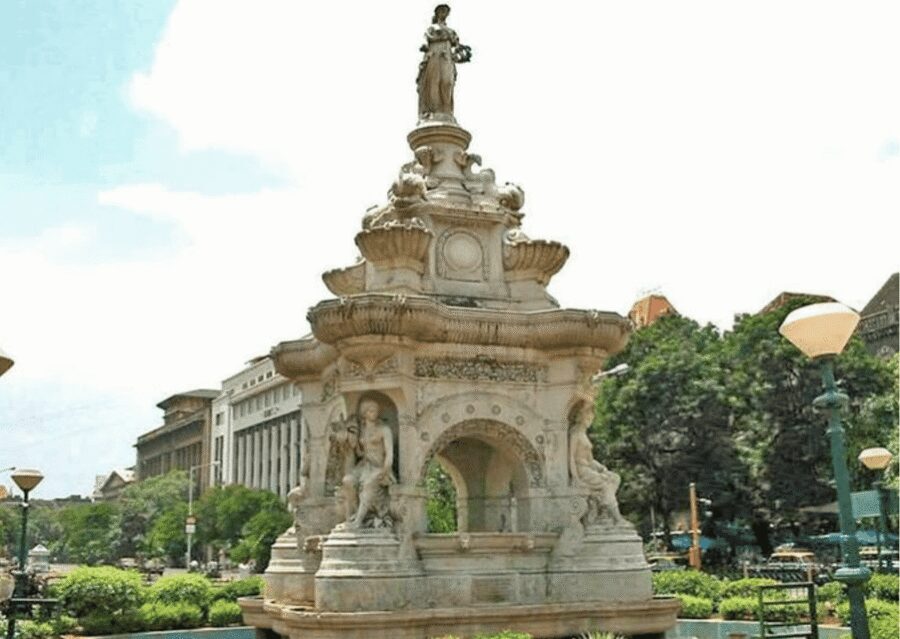
From the start, the tour also uses quick drive-by moments that keep momentum without losing meaning. You may pass the Vivekanand & Shivaji Statue, Regal Cinema, and the Wellington Fountain before heading toward museum and art stops.
Practical tip: If you’re sensitive to sun, plan to wear a hat or carry sunglasses. Waterfront light can get intense, even when the day feels mild.
Prince of Wales Museum and Jehangir Art Gallery: Indo-Victorian meets India’s modern art revival
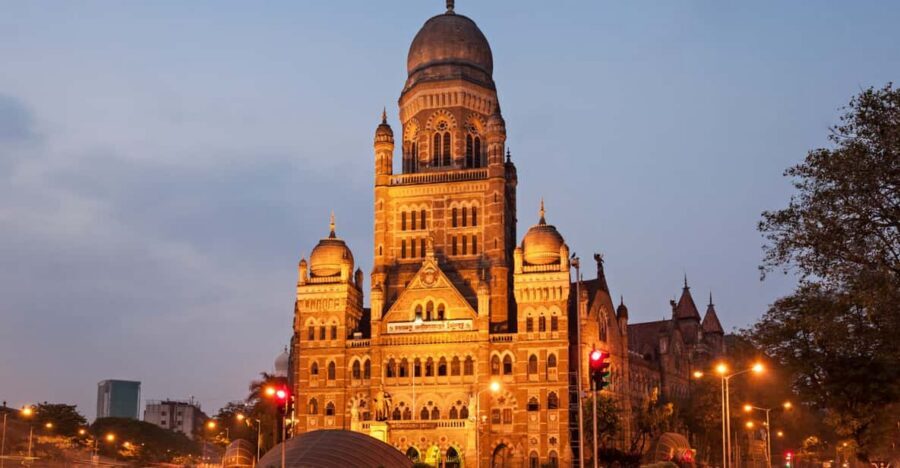
Next up is the Chhatrapati Shivaji Maharaj Vastu Sangrahalaya—often known as the Prince of Wales Museum. You’ll have a short visit to take in the building and learn why it matters as a heritage piece in a city that grew through trade and changing rulers. This is one of those stops where 20–30 minutes can be enough if you know what to look for, and that’s where the guide earns their fee.
Then you’ll head to the Jehangir Art Gallery, a place associated with India’s artistic revival. The idea isn’t only to “see paintings.” It’s to understand how Mumbai became a cultural hub, not just a commercial one. If you catch an exhibit, you’ll get an added bonus—but even without that, the gallery stop helps broaden the story beyond monuments.
The main drawback at these indoor stops
Because the tour is tight, you may have less time than you’d like if you’re a slow museum person. If you love architecture details or want more time in galleries, treat these as orientation stops that set up the bigger emotional beats later.
You can also read our reviews of more city tours in Mumbai





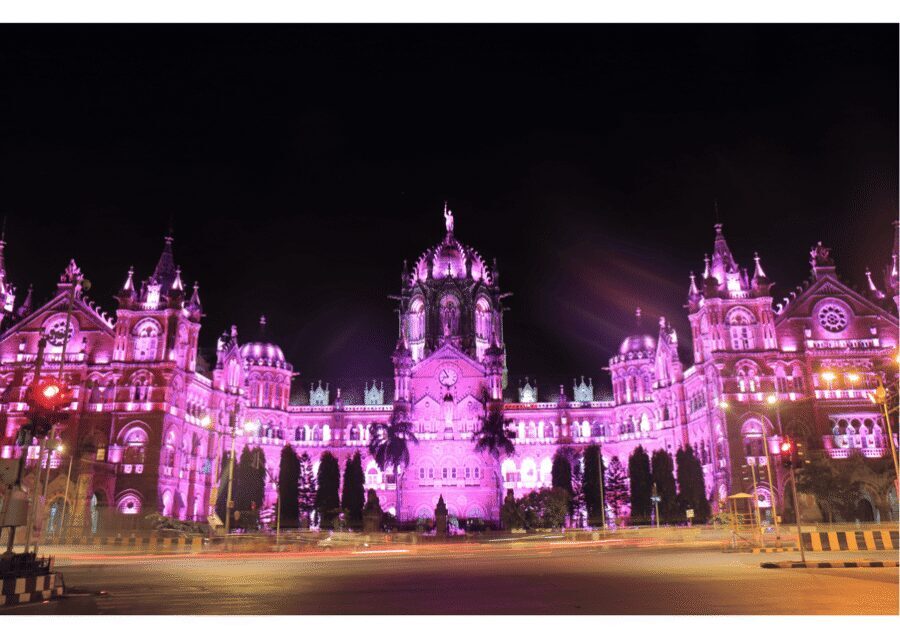
Chhatrapati Shivaji Maharaj Terminus (CST): the UNESCO Gothic moment

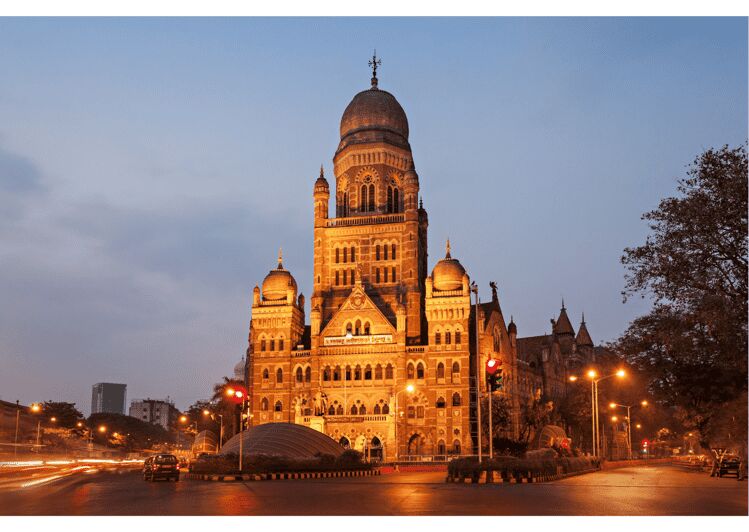
The tour reaches Chhatrapati Shivaji Maharaj Terminus (CST), a UNESCO-listed Gothic masterpiece. This is where Mumbai’s “old power” and “moving city” collide: a major rail hub tied to identity, craftsmanship, and historic ambition.
You’ll have a dedicated visit time (short, but focused). The guide’s job here is to help you read the building fast—why it looks the way it does, and how it became such a landmark. Even if you can only take a few photos, you’ll come away with a clearer understanding of why CST is treated like a cultural symbol, not just a pretty station.
What to watch for: The facade details and the way the structure feels dramatic even in quick viewing. If you’re going to come back later, this stop gives you the “why” that makes a second visit more rewarding.
Dhobi Ghat: Mumbai’s largest open-air laundry in human scale
After CST, the tour moves to Dhobi Ghat, described as the world’s largest human-powered open-air laundry. This is one of those places that can look like a curiosity from afar, but becomes meaningful when you understand the workflow and the scale.
You’ll visit for about half an hour. That’s enough time to see the activity, notice how laundry connects to everyday life, and get explanations from the guide about what you’re seeing. The best part is that the tour doesn’t treat it like a spectacle—it frames it as work, infrastructure, and tradition living in plain sight.
A tip for respectful viewing
This is a working area, so keep your movements calm and your questions thoughtful. You’ll get more from the experience if you treat it like a real neighborhood space, not a theme park.
Haji Ali Dargah and Mahalaxmi Temple: faith, sea views, and modest dress
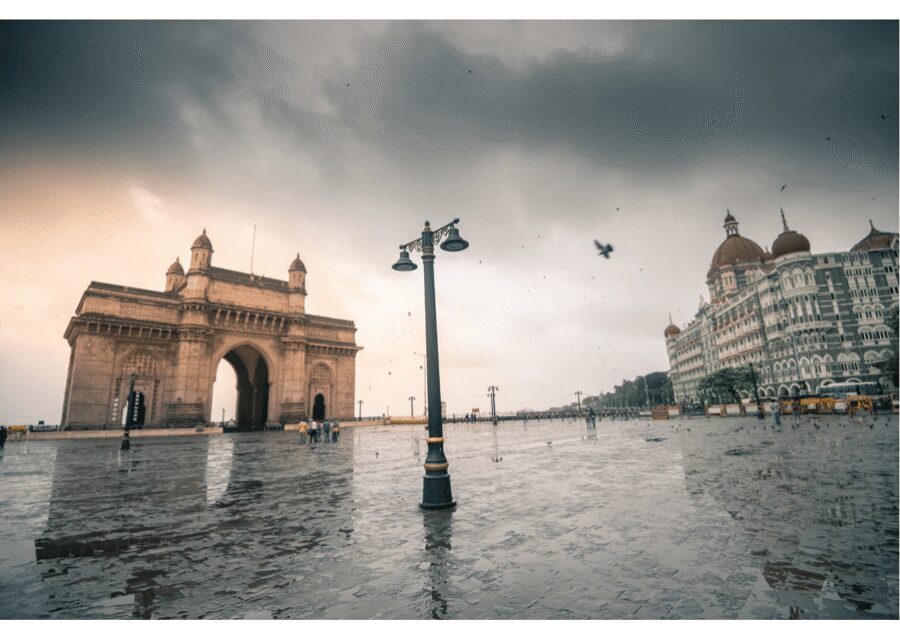
The spiritual section is a major strength of this tour. You’ll start with Haji Ali Dargah, which sits on an islet in the Arabian Sea. The location is part of the power of the site—you feel the isolation and the symbolism of reaching it by crossing water.
Next comes the Shree Mahalakshmi Temple, dedicated to the goddess of wealth. This stop rounds out the faith story by showing how Mumbai’s religious landscape isn’t one single style or tradition. It’s layered, active, and part of the city’s rhythm.
Clothing matters here
The tour notes modest clothing requirements for Haji Ali and temples—knees and shoulders covered. This is worth planning for, especially if you’re traveling light. Comfortable, breathable fabric beats a last-minute fix.
Babulnath Temple and Jain temples: quieter ancient roots near busy streets
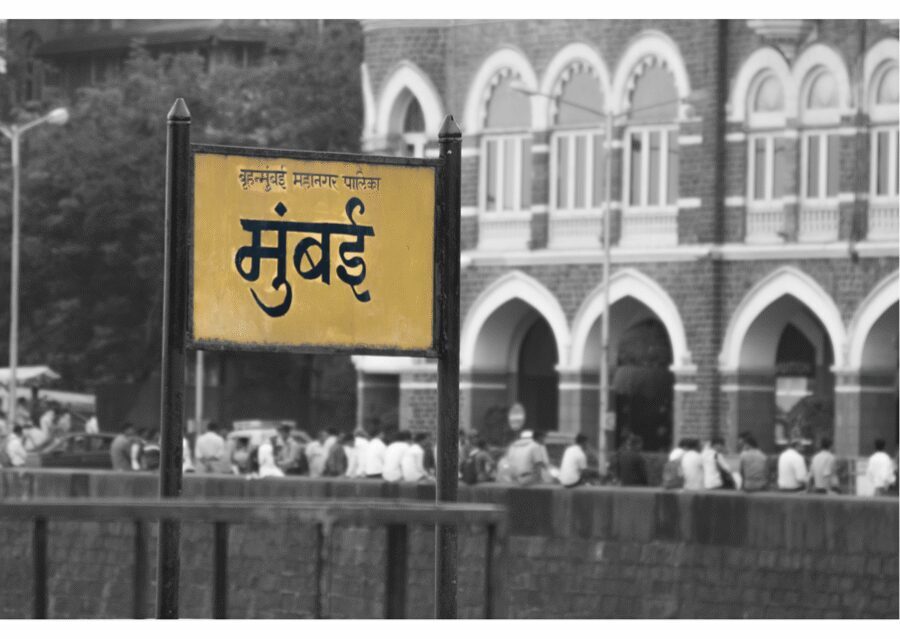
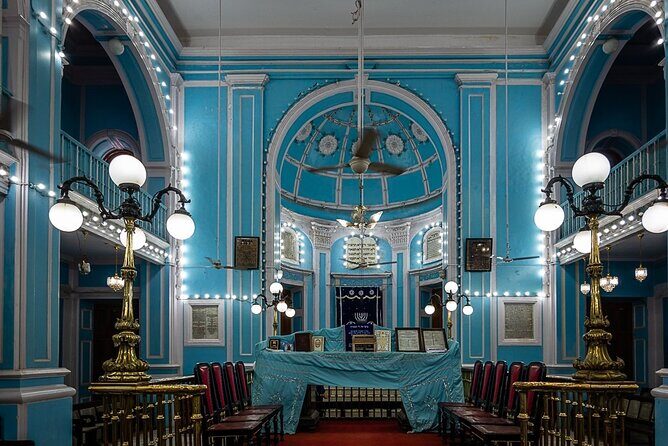
After the sea-facing and temple-of-wealth stops, the tour goes to Babulnath Temple and nearby Jain temples. These are known for their ancient heritage, and the guide’s explanations help you see the contrast between sacred spaces that feel busy and sacred spaces that feel more contemplative.
Even with a short visit, you’ll learn the meaning behind what you’re looking at: where different traditions sit in Mumbai’s cultural map, and why these sites have lasted. This is a good moment to slow down your brain for a minute before the final coastal payoff.
St. Thomas Cathedral and heritage spots: another layer of Mumbai’s built identity
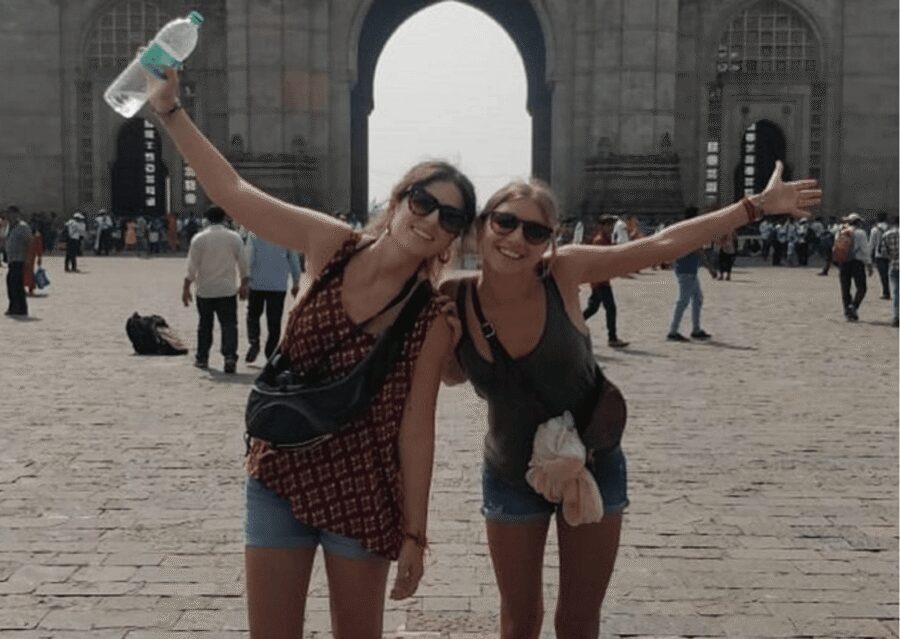
Your route also includes St. Thomas Cathedral and other heritage spots in South Mumbai. This part matters because Mumbai isn’t only temples and terminals. It also carries layers of colonial-era architecture and Christian heritage that shape how the city looks and feels.
Since the tour is fast-paced, you might not see every corner up close. Still, the guide’s contextual storytelling is what turns a quick glance into understanding. If you’re the kind of traveler who loves architecture, this is one of the best “reading the city” moments in the loop.
Marine Drive at the end: Queen’s Necklace, sea breeze, and a calmer mood
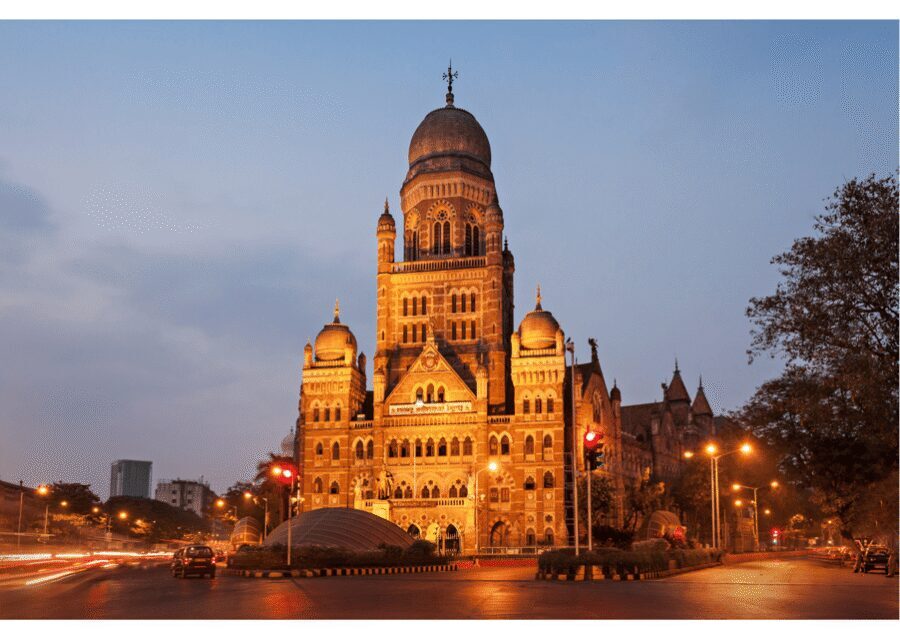
You finish at Marine Drive, famously called the Queen’s Necklace. By now, you’ve covered major monuments, a working city site, and multiple faith stops. Marine Drive acts like a decompression zone.
You’ll spend time to enjoy the skyline and sea breeze. It’s a classic place for photographs, yes, but the real win is that the waterfront atmosphere helps you digest everything you just saw. This is where you start noticing patterns: how the sea shapes the city’s mood, and how South Mumbai feels layered rather than random.
Practical tip: If timing allows, aim to arrive with a light jacket. The breeze can be cooler near the water, even when the day feels warm inland.
What’s included (and what you should budget for)
Included in the tour:
- Storyteller/guide who speaks English & Hindi
- Private car for all destinations
- Water bottle and local snacks
- Local tips and recommendations
- The guided explanations tying together Mumbai’s history, beliefs, and lifestyle
Not included:
- Entry fees to monuments
That means your real out-of-pocket cost depends on which sites you choose to enter. For a half-day route, the guide keeps stops efficient, so you’re not paying entry fees for every single photo moment unless you opt into them.
Pickup, walking, and timing: how to make the day feel smoother
Pickup is included for travelers from within Mumbai city limit. The note says pickup is covered for stays located within 5 KM of the mentioned areas, and pickup outside that range may involve additional charges.
This tour is wheelchair accessible, which is a major plus. Still, it’s described as moderate walking with short stops, so you’ll want to plan footwear accordingly.
Traffic can affect the schedule, and some sites may be viewed from outside due to time, traffic, or entry queues. Think of the visit time as flexible windows. If you can keep your expectations adaptable, you’ll enjoy the day more.
Who this tour suits best (and who should pick another option)
This is a strong choice if:
- you’re visiting Mumbai for the first time and want the “big picture” fast
- you like heritage plus working-city realities (Dhobi Ghat is a key example)
- you want a private group feel without spending all day hopping around
- you’d rather spend money on a good guide than on a pile of random tickets
You might want a different plan if:
- you prefer long museum hours and slow pacing
- you’re traveling with very limited mobility and need minimal walking (even though it’s wheelchair accessible, it’s still a moving route)
- you’re hoping every stop is an inside entry with lots of time
Should you book this Mumbai half-day sightseeing tour?
If you want a guided way to understand South Mumbai—temples, heritage architecture, and coastal landmarks—this tour is a smart use of time. The standout strength is the guide’s storytelling, especially at CST and Dhobi Ghat, where context turns what you see into something you understand.
I’d book it if you’re comfortable with a fast pace and you’re ready to dress modestly for the faith stops. I’d skip it only if you need a slow, museum-heavy day or you’re highly sensitive to schedule changes from traffic and queues.
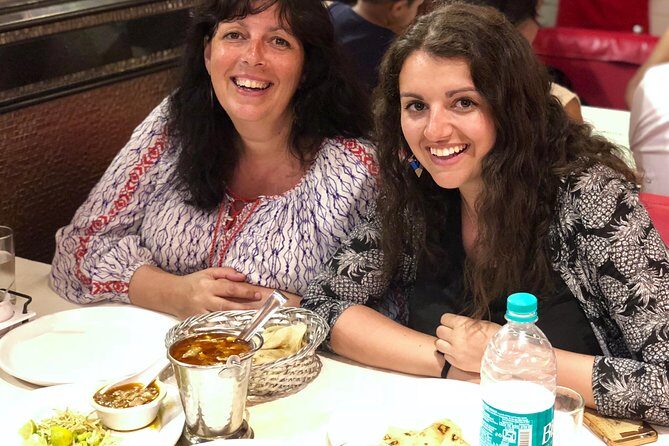
One more reason it’s worth considering: the included snacks and water are small details, but they matter when you’re stacking multiple landmarks in a single 4-hour block. Add in the kind, helpful service you’ll get in a private-group setup, and it becomes a practical introduction to Mumbai rather than a rushed checklist.
FAQ
How long is the Mumbai guided half-day sightseeing city tour?
It lasts 4 hours.
What is the price for this tour?
The price is $81 per group up to 3.
Where does pickup and drop-off happen?
Pickup and drop-off include the Gateway of India area in Mumbai city limit. The info also notes pickup may require additional charges if your stay is outside 5 KM of the mentioned city areas.
Is entry to monuments included?
No. Entry fees to any monuments are not included.
Does the tour include a guide and what languages do they speak?
Yes. You’ll have a live guide who speaks English and Hindi.
Is the tour wheelchair accessible?
Yes, it is listed as wheelchair accessible.
What should I wear for the tour?
Wear comfortable clothes and comfortable shoes. The tour also notes modest clothing (knees and shoulders covered) is required for Haji Ali and temples.
What can I expect in terms of walking and viewing?
The tour involves moderate walking. Some sites may be viewed from outside depending on time, traffic, or entry queues.
Is cancellation allowed if my plans change?
Yes. It offers free cancellation up to 24 hours in advance for a full refund.