REVIEW · MUMBAI
Mumbai: Guided Elephanta Island and Caves Tour
Book on GetYourGuide →Operated by Mumbai Dream Tours · Bookable on GetYourGuide
You trade Mumbai noise for carved stone. Elephanta Island’s UNESCO caves sit just off the coast, and a good guide helps you read them. You’ll get return ferry rides plus an English-speaking explanation of the myths in the caves.
I like the mix of Hindu and Buddhist caves in one complex. The standout moment is seeing Shiva’s imagery up close, including the famous three-headed bust.
The one drawback to plan for: the ferry-and-stairs setup means crowds and a fair climb. It’s also not a great pick if you’re traveling with limited mobility or need a slower pace.
In This Review
- Key highlights worth booking for
- Ferry-to-caves logistics: where the day actually starts
- The climb and first impressions inside the cave complex
- Hindu Caves: Shiva, myth scenes, and why the carvings feel like storytelling
- Buddhist Caves: different beliefs, same careful carving
- Seven cave spaces, one guided route: making meaning without homework
- Getting around inside: the toy train and photo-friendly moments
- Price and value: what $28 includes (and what it doesn’t)
- Who should book this tour, and who should skip it
- Should you book this Elephanta guided tour?
- FAQ
- Where is the meeting point?
- How do I get to Elephanta Island?
- What’s included in the tour price?
- How much walking is involved?
- Is food included?
- What should I bring?
- Is the tour in English?
- Are short skirts allowed?
- Is the tour suitable for older travelers or pregnant women?
Key highlights worth booking for
- Gateway of India ferry time: about an hour each way, with sea views and a Mumbai skyline send-off
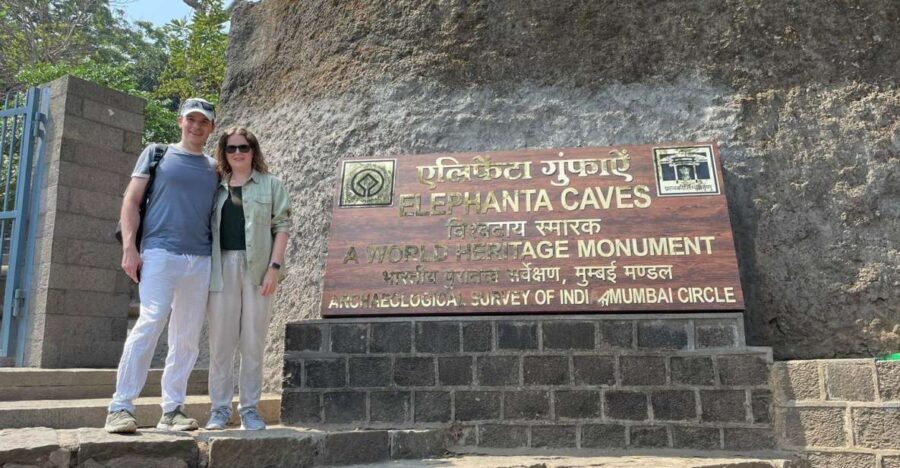
- UNESCO caves close-up: rock-cut shrines and sculptures from roughly the 5th to 8th centuries AD
- English guide on the ground: explanations of Hindu and Buddhist symbolism as you walk cave to cave
- Two cave groupings: Hindu Caves and Buddhist Caves, including the Shiva-focused main cave
- Seven major caves: you’re guided through multiple cave spaces, not just one quick stop
- Toy train option: a small train ride can help you move around inside the complex for photos and carvings
Ferry-to-caves logistics: where the day actually starts
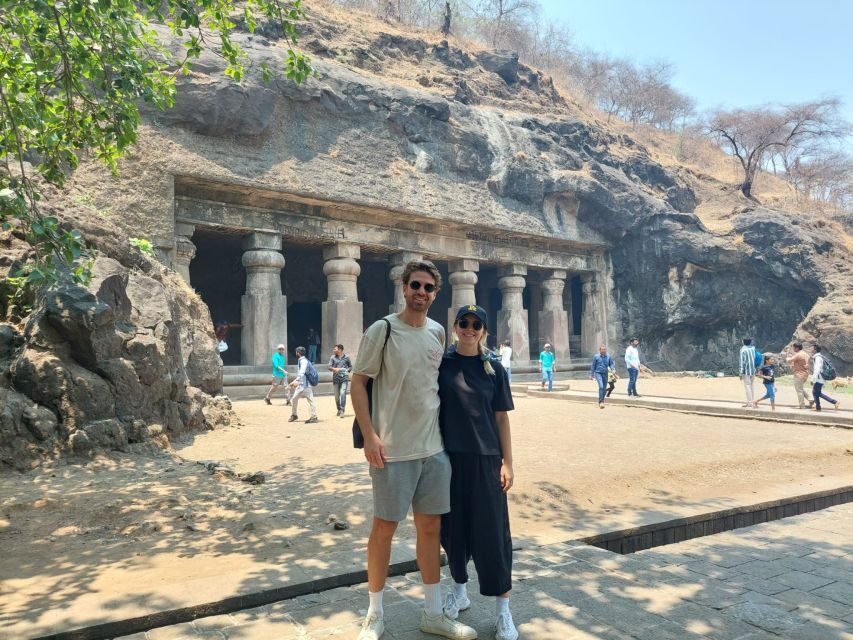
Most of this experience hinges on one thing: getting out to Elephanta by boat. You’ll meet at the Gateway of India, Shop no 2 near the public toilet, then take a ferry from there to the island. The crossing is about one hour each way, so you’re not just “getting there.” You’re starting the day with the Arabian Sea in your face.
On the water, you get moving views that feel different from the city streets. You’ll see the Mumbai skyline as you leave, and you’ll also get a sense of how big the New Mumbai area is stretching to the south and east. If you like an easy photo window without doing extra walking, the ferry delivers.
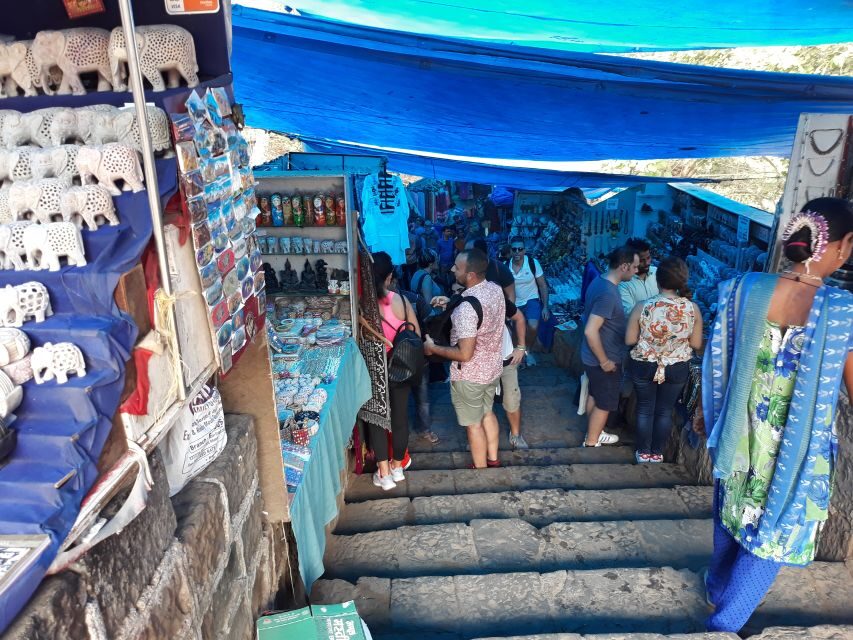
Once you reach Elephanta Island, the caves don’t meet you at the dock. You’ll walk up a series of stairs to reach the cave complex. That climb matters because it sets your pace for the rest of the visit. Wear shoes you can trust on steps, and plan for time lost to lines and crowd flow.
You can also read our reviews of more guided tours in Mumbai


The climb and first impressions inside the cave complex
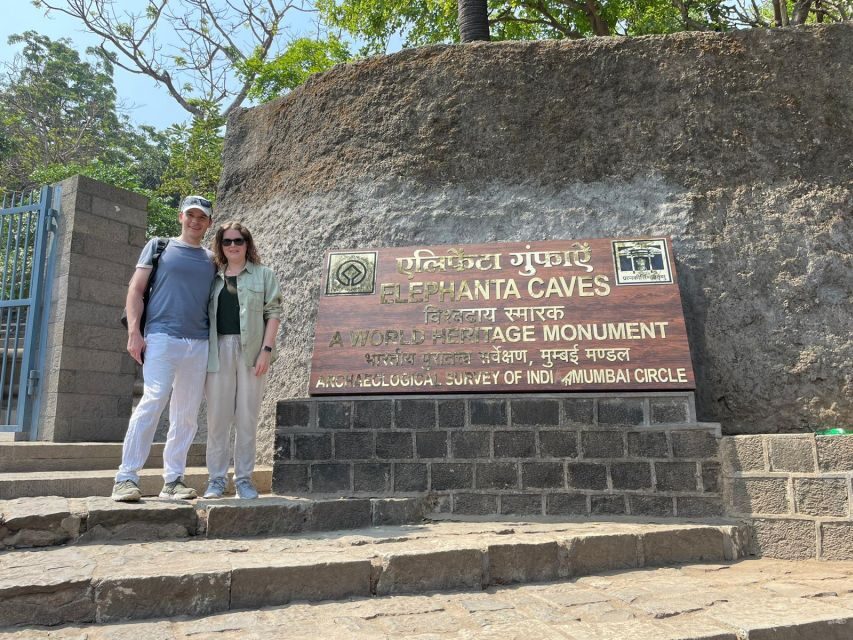
When you arrive, expect the experience to feel a bit like moving through history in sections. You’ll enter a carefully arranged cave area where the stone has been carved into temples and storyboards. This is also where the guide’s job starts to matter, because the carvings aren’t just decoration—they’re visual explanations.
The complex is organized into two main groupings: Hindu Caves and Buddhist Caves. That split helps you understand what you’re looking at rather than getting lost in a wall of sculptures. Even if you’re new to Indian art, a clear route helps a lot.
Also, be ready for a realistic day on your feet. Besides the initial stairs, you’ll walk from cave to cave as your guide points out key details. If you’re the type who likes to linger on artwork, give yourself the freedom to slow down—just know your time is shared with the group schedule.
Hindu Caves: Shiva, myth scenes, and why the carvings feel like storytelling
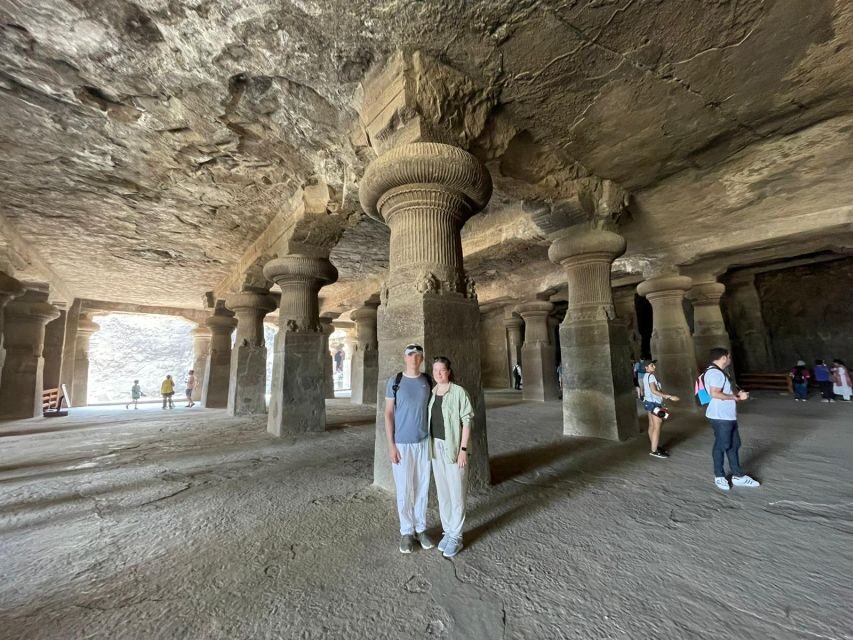
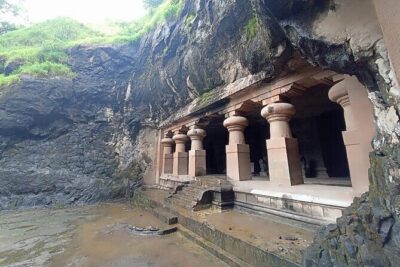
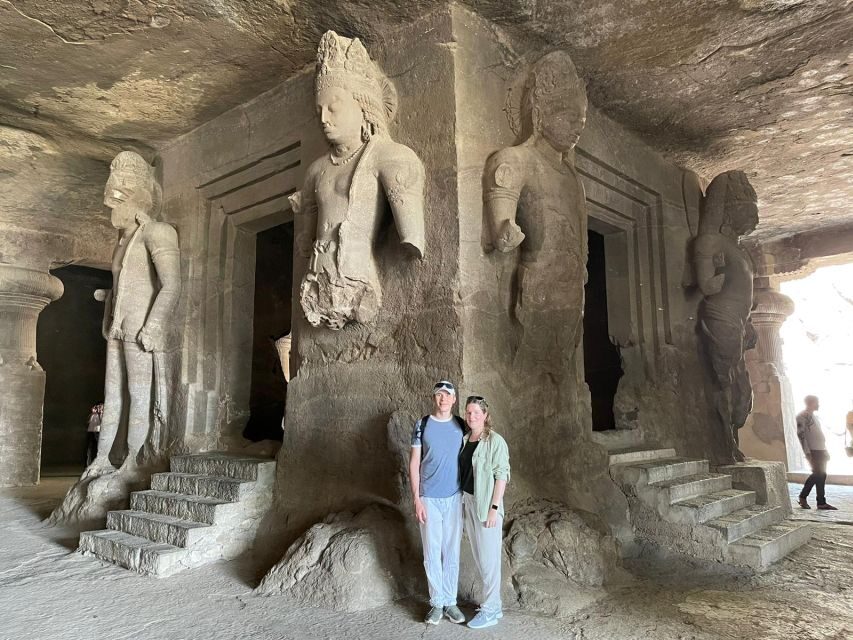
The Hindu side is the part most people come for, and for good reason. These caves are packed with rock-cut sculptures and shrine spaces tied to major Hindu deities. The tour route typically focuses on major cave stops like the large Hindu Cave, the Shiva Cave, and the Buddhist Cave—with additional cave spaces along the way.
The carvings work like a visual language: gods, myth scenes, animals, and shrine architecture all repeat specific themes. You’ll see depictions associated with deities such as Shiva, Vishnu, and Brahma. You’ll also notice animals like elephants and lions, which show up in the imagery again and again.
The single most famous piece is Shiva’s three-headed bust. It’s the kind of sculpture that’s hard to understand from a distance but much easier to read up close. Your guide’s explanations help you connect the symbolism to what’s carved into the surrounding stone.
One more historical layer can add weight to the visit. Some carvings that survived Portuguese desecration are still visible, and it’s a useful reminder that this site has endured real-world interruptions—not just time. You may find it changes how you look at “old art” once you connect it to what was damaged and what lasted.
Buddhist Caves: different beliefs, same careful carving
Elephanta isn’t only Hindu. The Buddhist caves are part of the same UNESCO-listed setting, which makes the whole island feel more complex than a one-faith stop. As you move through, you’re not just switching rooms—you’re shifting the visual vocabulary.
Your guide should help you recognize the differences you’re looking at, from how figures are represented to how sacred space is laid out in rock-cut form. Even without religious background, you can spot that the carvings aren’t random. They’re arranged to guide your attention and your understanding.
The Buddhist spaces are also a good check on your expectations. If you only picture one style of temple art, the contrast here teaches you that Elephanta was a major religious center during a long span of time. The caves are dated roughly to the 5th to 8th centuries AD, which means you’re seeing layers created across centuries, not just one moment.
Seven cave spaces, one guided route: making meaning without homework
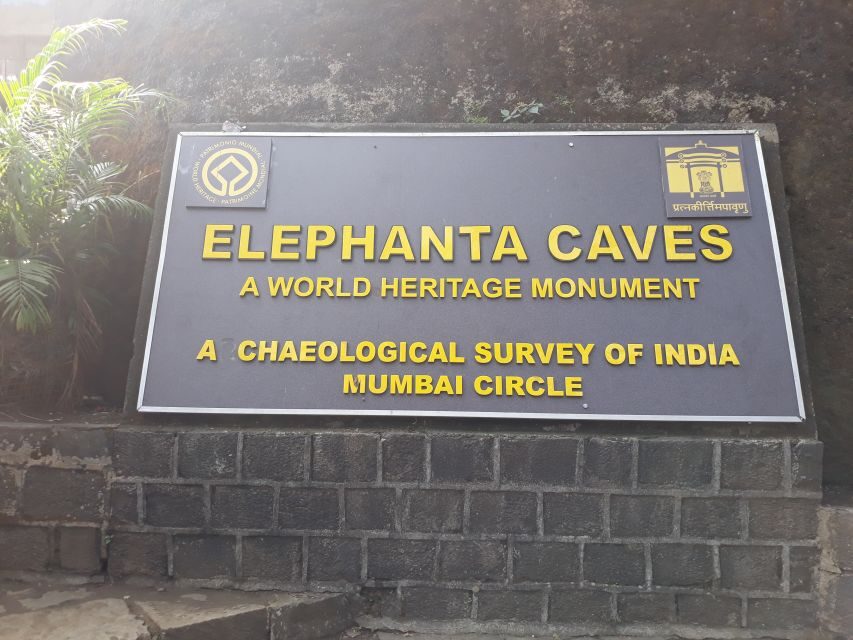
A big value point here is not the number of caves alone—it’s how you’re guided through them. You’ll cover seven major caves with carvings, paintings, and inscriptions linked to Shiva and Buddhist themes. That “more than one cave” element matters because each cave has different emphasis: some are for shrines, some for visual narrative, some for the style of carving.
This is where a strong English-speaking guide can change the whole trip. The tour format is built for interpretation, so you’re not just walking and pointing at pictures in your guidebook. You’re learning why certain scenes show up and what you can take from the symbolism.
One practical plus from the experience: you may get a guide who grew up on Elephanta, which can make the storytelling feel more personal and grounded in local knowledge. And when the guide has strong English, it’s easier to ask questions instead of just listening for a lecture.
Also, don’t be surprised if the day runs a little fast when crowds swell. One example you might hear about: on busy departures, the guide might not appear right away, but a replacement is usually arranged quickly so the tour keeps moving. If you’re sensitive to wait time, arrive at the meeting point early and stay flexible.



Getting around inside: the toy train and photo-friendly moments
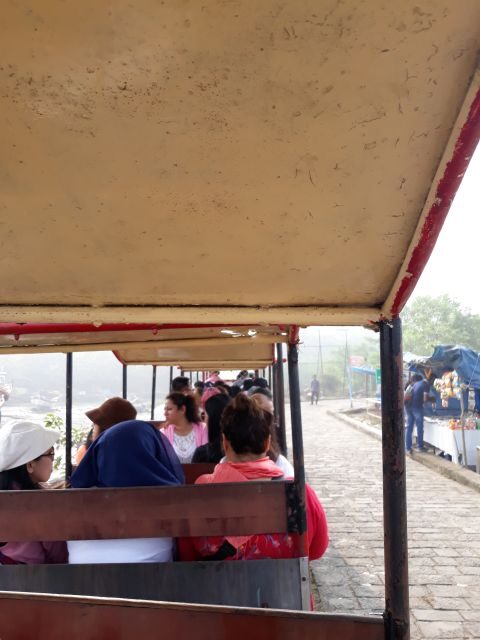
The cave complex covers enough ground that you’ll likely want help moving efficiently. That’s where the toy train ride comes in. It’s a small option that can reduce walking inside the complex, letting you spend more time on the carvings rather than just covering distance.
If you care about photos, this is useful. You can pause in key areas, then move on without feeling like you’re racing your own stamina. Just keep in mind that lighting can change as clouds drift and crowds shift. A guide who knows the best spots helps you time your shots without turning it into a stress festival.
Even when you’re not taking photos, the movement option helps you keep your attention on details. Elephanta rewards close looking—small carvings, repeated motifs, and the way figures are framed by the cave architecture. If you try to rush, the whole place turns into “stone statues.” If you slow down, it becomes a story you can actually follow.
Price and value: what $28 includes (and what it doesn’t)
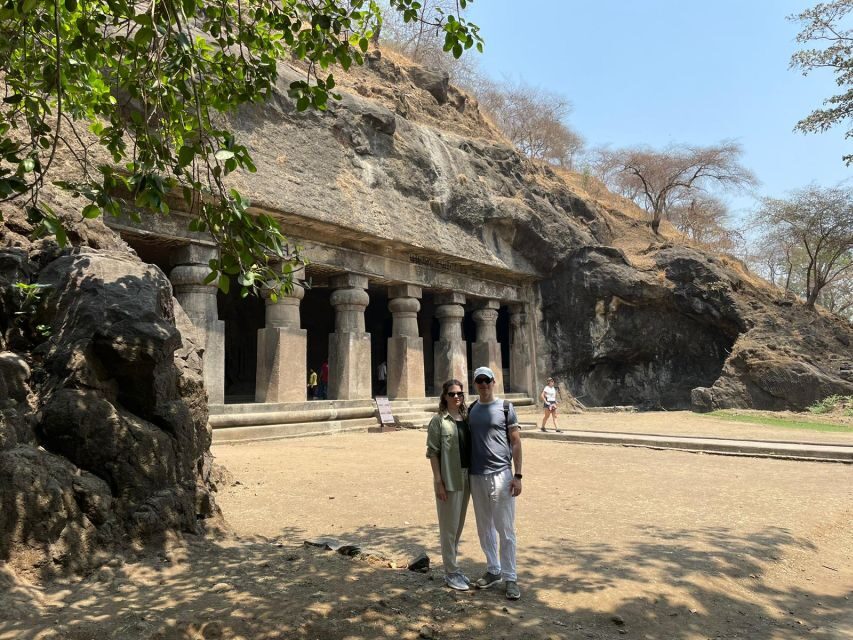
At $28 per person, the value mostly comes from what’s covered up front. Your price includes:
- a live English-speaking guide
- return ferry tickets from Mumbai to Elephanta Island
- entry ticket to the Elephanta Caves
That’s a smart setup for a day trip because ferry rides and entrance fees can add up quickly when booked separately. You’re paying for coordination plus interpretation, which is exactly what this site needs. Elephanta isn’t the kind of attraction where you can show up and automatically “get it” in an hour.
What’s not included is also important: food and drinks. Plan to bring water (as allowed) or plan on buying once you’re back in the city. Hotel pickup and drop-off aren’t included either, which means you’ll want your Mumbai plan to handle getting to Gateway of India on your own.
The tour also isn’t for everyone. It’s not suitable for pregnant women and not suitable for people over 70 years. The stairs and sustained walking are a big part of why. If you fall into either category, you’ll likely enjoy Elephanta less than you should.
Who should book this tour, and who should skip it
If you want a focused day trip with a plan, this tour style fits well. It’s a good pick if you’re short on time in Mumbai and you want one high-impact outing. The ferry makes it feel like more than a quick museum stop, and the guided route keeps you from missing the “so what” behind the carvings.
It also suits you if you like history that’s visual. Elephanta isn’t just dates and facts—it’s myth scenes, deities, animals, and shrine architecture cut into rock. A guide’s explanations help you connect what you’re seeing to the bigger religious and artistic context.
You might skip this specific tour if you need long rests, step-free access, or a slower pace. Between the ferry timing and climbing stairs to reach the caves, the day expects energy and patience. If you prefer to wander independently without a group route, you may find a guided structure too strict.
Should you book this Elephanta guided tour?

I think it’s worth booking if you want UNESCO caves with an English guide and you’d rather not figure out the ferry and cave flow yourself. The included ferry and entrance ticket make the price feel fair, and the guided explanation turns the carvings into something you can actually read.
Book it if you’re comfortable with stairs and you like structured sightseeing. Skip it if you’re traveling with limitations that make walking difficult, or if your idea of a perfect day is low effort and no waiting. Elephanta rewards the prepared—and with the right guide, it’s the kind of day that leaves you looking back at stone differently.
FAQ
Where is the meeting point?
You’ll meet at the Gateway of India, Shop no 2 near the public toilet. The activity ends back at the same meeting point.
How do I get to Elephanta Island?
You take a ferry from the Gateway of India in Mumbai to Elephanta Island. The ferry ride takes about an hour each way.
What’s included in the tour price?
The tour includes a live English-speaking guide, return ferry tickets (Mumbai to Elephanta Island), and the entry ticket to the Elephanta Caves.
How much walking is involved?
After you arrive at Elephanta Island, you’ll need to walk up a series of stairs to reach the cave complex, then continue exploring the caves on foot.
Is food included?
No. Food and drinks are not included.
What should I bring?
Bring an ID card. A copy is accepted. It’s also smart to wear comfortable clothes and shoes, plus sunglasses, a sun hat, and sunscreen.
Is the tour in English?
Yes. The tour offers an English-speaking guide.
Are short skirts allowed?
No. Short skirts are not allowed.
Is the tour suitable for older travelers or pregnant women?
No. It’s not suitable for pregnant women or people over 70 years.