A morning in Mumbai can feel like a sprint. This half-day highlights run stitches together major landmarks, local life in markets and stations, and a couple calmer stops on Malabar Hill—so you get your bearings fast. I especially liked the quick hits at Gateway of India for atmosphere and photos, and the chance to step inside Mani Bhavan and see where Gandhi planned key moments in the Quit India movement.
The main thing to weigh is that your experience depends on the operator showing up on time. One reported issue was that the tour provider reportedly didn’t arrive or contact guests, so if you have a tight schedule, I’d plan to arrive early at the meeting point and keep your booking contact details handy.
In This Review
- Key things to know before you go
- A 3.5-Hour Best-of Mumbai Route That Fits Real Schedules
- Price and What $11.37 Buys You (and What It Doesn’t)
- Meeting at Starbucks and Using the Day’s Small-Group Rhythm
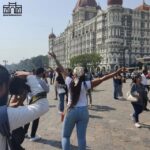
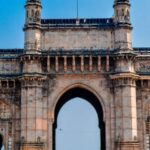
- Gateway of India: Where the City Meets the Water
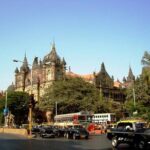
- Chhatrapati Shivaji Maharaj Terminus: Architecture You Can Appreciate in Minutes
- Crawford Market: Food, Finds, and Color for 30 Minutes
- Churchgate Railway Station and the Dabbawala Tiffin System
- Mani Bhavan Gandhi Museum: The One Stop That Gets Time to Sink In
- Banganga Temple and Hanging Gardens: A Breath on Malabar Hill
- Who This Tour Is Best For (and Who Might Want Something Longer)
- Should You Book Half Day City Tour of Mumbai Highlights?
- FAQ
- FAQ
- How long is the Half Day City Tour of Mumbai?
- What time does the tour start?
- Where is the meeting point?
- Where does the tour end?
- Is the tour ticket mobile?
- Is the guide English-speaking?
- What entrance fees are included?
- How many people are in the group?
- Does the price include transportation?
- Can I cancel for a refund?
Key things to know before you go
- 3 hours 30 minutes gives you a compact snapshot of Mumbai without burning a whole day.
- Air-conditioned vehicle keeps the heat and traffic from running the show.
- Mobile ticket makes the day easier when you’re hopping between spots.
- Mani Bhavan entry is included, while most other stops are free to access.
- Max group size of 20 means you’re not lost in a huge crowd.
- Malabar Hill stops (Banganga Temple and Hanging Gardens) provide a calmer break from street scenes.
A 3.5-Hour Best-of Mumbai Route That Fits Real Schedules
This tour is designed for people who want landmark photos and local color, but can’t spend the whole day. In about three and a half hours, you’ll move between big-name monuments, a working market, a famous train-station meal system, and two quieter places near Malabar Hill.
I like that the timing is built around short, purposeful visits. Most stops are about 20 to 30 minutes, with one longer cultural stop at Mani Bhavan (40 minutes). That pacing makes it easier to see the highlights without feeling like you’re trapped in one place waiting for the group.
You should still expect Mumbai to be Mumbai: crowds around major sites, lots of street activity near markets, and people everywhere near the waterfront and viewpoints. This is a “see and photograph” style tour—less about sitting and listening for hours.
You can also read our reviews of more city tours in Mumbai

Price and What $11.37 Buys You (and What It Doesn’t)
At $11.37 per person, the value is mostly about transportation and access. You’re not just getting walking directions—you’re getting an air-conditioned vehicle, fuel and parking included, plus entrance to Mani Bhavan.
Most of the other stops are listed as admission free, which matters. It means you can spend your time looking rather than budgeting for multiple tickets. For a short half-day, that keeps the total cost low and predictable.
The one caution is reliability. With only a few ratings available, you have to decide if the low price is worth the risk of a no-show scenario. If your trip is short and you can’t afford delays, that’s the only part I’d treat as a real consideration—not a minor annoyance.
Meeting at Starbucks and Using the Day’s Small-Group Rhythm
You meet at a specific spot near Apollo Bunder: Starbucks, No C, Dhanraj Mahal, 15, Chhatrapati Shivaji Maharaj Marg, Fort, Mumbai. The tour starts at 9:30 am and ends back at the same meeting point.
Because the group size is capped at 20, the flow tends to feel manageable. You’re not fighting for space with dozens of people trying to take a photo at the same time. That said, popular photo moments still get busy—especially at waterfront and station areas.
The mobile ticket is a practical win. When you’re moving across the city, you don’t want extra paperwork cluttering your morning. If you like to travel light, this format makes things simpler.
Gateway of India: Where the City Meets the Water
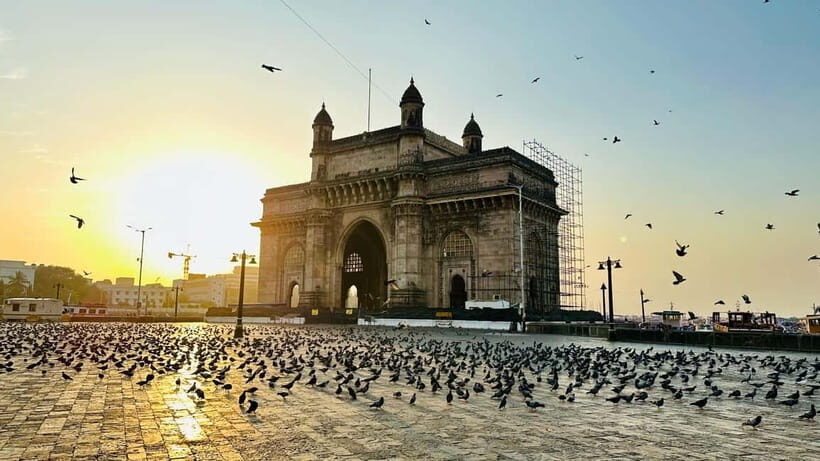
Gateway of India is your first stop, and it’s a smart warm-up. Your guide shares history about this iconic monument, then you get about 20 minutes of free time to explore and take photos.
What I like about this kind of first stop is how quickly you sense the setting. You’re right where Mumbai’s story often starts in people’s minds: the meeting point between the city’s energy and the water. Even if you only spend a short time here, it gives you context for everything that follows.
Practical tip: use your 20 minutes to do two things fast—photos and a quick look around. Don’t over-plan. You’ll be moving again soon, and the best shots often come from simply adjusting your angle and waiting for a good moment with fewer people in frame.
Chhatrapati Shivaji Maharaj Terminus: Architecture You Can Appreciate in Minutes
Next up is Chhatrapati Shivaji Maharaj Terminus, formerly called Victoria Terminus. You get a 20-minute photo stop, plus guide-led context about its history and unique architecture.
This is one of those locations where a little explanation helps. The guide’s job here is to point out what to look for, so you’re not just snapping pictures of a building without knowing what makes it special. Then you’re free to photograph at your own pace.
Timing matters at this stop. With only about 20 minutes, you’ll want to be ready to walk a bit and find your best photo angles quickly. If you’re the type who loves detail shots, focus on a couple features instead of trying to capture everything in one go.




Crawford Market: Food, Finds, and Color for 30 Minutes
Crawford Market is one of the most fun stops on this route because it’s everyday life, not just monuments. You’ll spend about 30 minutes there, and it’s described as a historic, lively bazaar with items ranging from pets and chocolates to spices and fresh fruits.
I love markets like this because they teach you how locals shop and what people actually buy. You don’t need a long lecture. You just walk, look, and let your senses do the work.
Keep your expectations realistic: 30 minutes means fast browsing. You can still shop if you want, but treat it like a quick tasting of the place—pick up a small snack or a couple items rather than turning it into a full shopping trip.
If you want photos, aim for variety. Capture the mix of stalls, bright packaging, and the flow of people moving through aisles. The best “market” photos come from corners where different categories meet.
Churchgate Railway Station and the Dabbawala Tiffin System
Churchgate Railway Station is a standout stop on this tour. You spend about 20 minutes there, and your guide explains the dabbawala tiffin system: delivering home-cooked meals with near-perfect efficiency and global recognition.
This is the kind of stop that feels different from typical sightseeing. Instead of focusing only on buildings, you’re watching a real machine of daily life—people moving with purpose, and the meal system doing its job.
Practical advice: keep your eyes open for flow rather than trying to capture every moment. Station areas can be chaotic, and your best viewing comes from stepping back a little to see how people and packages move through the scene.
Also, plan for time to orient yourself. Even with a guide, it can take a minute to understand where you should stand for the best view and photos without getting in anyone’s way.
Mani Bhavan Gandhi Museum: The One Stop That Gets Time to Sink In
Mani Bhavan is the longer stop on the tour—about 40 minutes. This is where Gandhi stayed and made crucial plans for the Quit India movement, and entrance is included in your tour price.
I like that this is the only site where the tour gives you enough time to slow down a bit. The guide leaves you to explore on your own after the introduction, so you can look at what interests you instead of rushing through everything as a group.
A museum stop works best when you choose one or two things to pay attention to: what role this place played in the movement, and how the exhibits connect the setting to planning and organizing. Even in 40 minutes, you can get a lot from a focused approach.
If you’re sensitive to crowds, museums can still get busy, but the pacing here is generally easier than open-air monuments. Use the time you have—then you’ll still get the calmer Malabar Hill stops afterward.
Banganga Temple and Hanging Gardens: A Breath on Malabar Hill
You end with two Malabar Hill-related stops that balance the morning’s crowds.
Banganga is a serene temple area, reached on stone steps with tranquil waters. The stop is about 20 minutes, and mythology is part of the story—legend says Lord Rama.
Then comes Hanging Gardens, about 25 minutes. This terraced garden has been there since 1881, built over Mumbai’s historic reservoir. You’ll get panoramic views of the Arabian Sea, plus animal-shaped hedges that make it feel playful even while you’re looking out over a big city.
I like this pairing because it changes the sensory mix. After markets and stations, these spots give you open air, calmer foot traffic, and a chance to look at the city from above. You’re also more likely to get comfortable photos here because the setting encourages space.
Practical tip: bring water and take your time walking the steps. The garden and temple areas involve movement, and short tour stops don’t always leave room for long breaks.
Who This Tour Is Best For (and Who Might Want Something Longer)
This works best if you want a fast orientation to Mumbai—monuments, markets, a famous meal-delivery system, and Malabar Hill viewpoints—in one half day. If you’re on a tight schedule and you’re happy with short photo windows, you’ll likely find it satisfying.
It’s also a good choice if you don’t want to plan between distant areas. You get an air-conditioned ride and a guide to point out what to pay attention to at each stop.
Who might want more time? If you love museums and want to linger, Mani Bhavan’s 40 minutes can feel short. If you’re a deep-architecture person, the terminus stop is quick, so you may want a second visit later under your own steam.
Should You Book Half Day City Tour of Mumbai Highlights?
I’d book it if you match the goal: get the main sights, see how dabbawalas fit into daily life, and grab photos without spending your whole day in transit. The price is low enough that it feels like a smart introduction to the city, especially because Mani Bhavan entrance is included and most other stops are free to enter.
I’d be cautious if your schedule is fragile. One issue reported was that the operator didn’t show and didn’t contact guests at the scheduled time. If that would ruin your day, treat this like a “nice extra” rather than your only plan. Arrive early at the Starbucks meeting point, keep your confirmation details accessible, and be ready to act fast if the tour seems delayed.
FAQ
FAQ
How long is the Half Day City Tour of Mumbai?
The tour runs about 3 hours 30 minutes.
What time does the tour start?
It starts at 9:30 am.
Where is the meeting point?
You meet at Starbucks, No C, Dhanraj Mahal, 15, Chhatrapati Shivaji Maharaj Marg, near Apollo Bunder, Fort, Mumbai, Maharashtra 400001, India.
Where does the tour end?
The tour ends back at the same meeting point.
Is the tour ticket mobile?
Yes, it uses a mobile ticket.
Is the guide English-speaking?
Yes, the tour includes an English-speaking guide.
What entrance fees are included?
Entrance to Mani Bhavan (Gandhi Museum) is included. Other listed stops have admission tickets marked as free.
How many people are in the group?
The maximum group size is 20 travelers.
Does the price include transportation?
Yes. The tour includes an air-conditioned vehicle, including fuel and parking charges.
Can I cancel for a refund?
Yes. You can cancel for a full refund if you cancel up to 24 hours before the experience’s start time, using the local time cutoff.