REVIEW · MUMBAI
Dhobi Ghat Laundry and Dharavi Slum Tour with Local Train
Book on GetYourGuide →Operated by India Trip Explore · Bookable on GetYourGuide
A stack of laundry lines becomes a lesson in how cities function. This 3-hour trip strings together Dhobi Ghat and Dharavi with an authentic local train ride, so you see two sides of Mumbai in one smart loop.
I love how the tour focuses on the sheer craft at Dhobi Ghat: hundreds of dhobis handwashing and drying clothes in open air. I also like that you don’t just look from a distance—you get a guided walk led by local residents in Dharavi.
One thing to consider: this is a short tour with concentrated walking in tight alleyways, so comfortable shoes really matter.
In This Review
- Key highlights at a glance
- Dhobi Ghat Viewing Deck: the best start for laundry at full scale
- Inside Dhobi Ghat: how dhobis run washing, sorting, and ironing by hand
- The 10-minute local train ride: a quick shift from spectacle to city life
- Dharavi walking tour: seeing workshops, alleys, and business from the inside
- Time on the ground: how the 3-hour plan really works
- Price and value: why $13 can be a smart deal here
- Photo stops and what to do with your camera in tight spaces
- Who this tour fits best (and who might skip it)
- Practical details: where to start and how it ends
- Should you book the Dhobi Ghat and Dharavi local train tour?
- FAQ
- How long is the tour?
- Where does the tour start?
- Where does the tour finish?
- Is the tour guide available in English?
- Does the price include the local train ride?
- Are entry tickets included?
- Is water included?
- Is food included?
- Are there photo stops during the tour?
- What is the cancellation window?
Key highlights at a glance
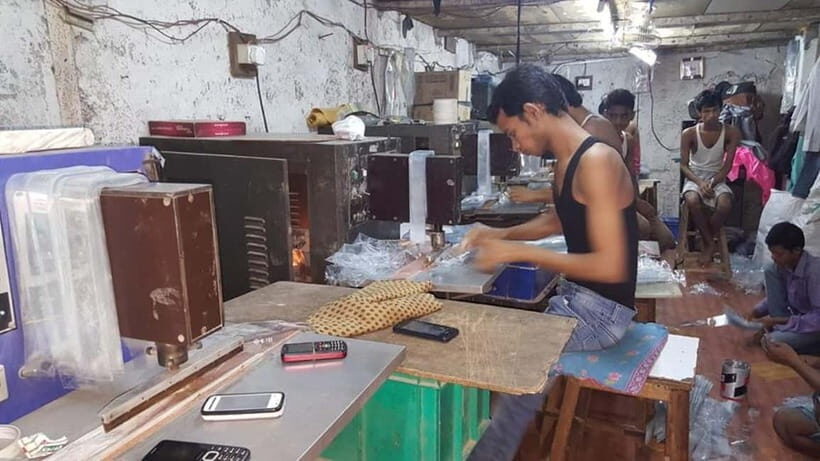
- Dhobi Ghat at work: watch dhobis handwash and dry clothes in open-air troughs
- A real local train ride: use Mumbai’s transit like locals do
- Guided Dharavi walk: insights from local residents into daily life and small business
- Short, efficient timing: about 30 minutes in Dhobi Ghat, 2 hours in Dharavi, all done in 3 hours
- Tour support in transit: the guide keeps close tabs, including during heavy traffic periods
- Good value inclusions: English guide, entry tickets, local train, and water included
Dhobi Ghat Viewing Deck: the best start for laundry at full scale
Dhobi Ghat starts with a viewpoint moment. The tour begins at the Dhobi Ghat Viewing Deck, which gives you the fast “okay, this is real” understanding before you get closer. From there, you get your first photo stop and a short guided introduction that sets expectations for what you’re about to see.
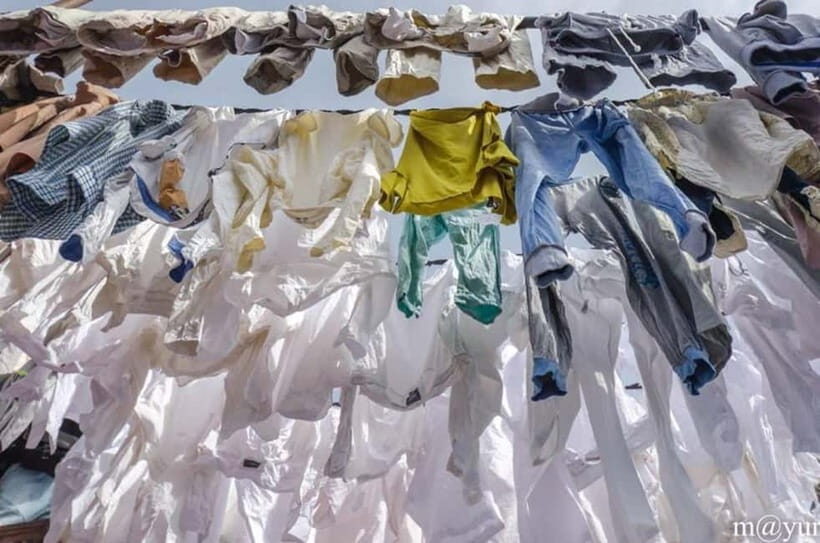
This is one of those sights that’s hard to grasp until your eyes land on the scale. The operation is not a museum display. Clothes move through the system day and night, with dhobis working in the open. That open-air factor matters: it’s why you see the workflow, not just the final result.
The viewing deck stop is also practical. You’ll get oriented before the walk, so you don’t feel lost when the activity ramps up.
You can also read our reviews of more tours and experiences in Mumbai.



Inside Dhobi Ghat: how dhobis run washing, sorting, and ironing by hand
Your Dhobi Ghat time is about 30 minutes, including a guided tour and walking. This is the heart of the experience: you’ll see dhobis meticulously handwashing and drying clothes in concrete troughs outdoors. The tour explanation covers how the laundry works as a chain—sorting, washing, and ironing—so the whole operation keeps moving.
Here’s why I think this part is such strong value. It’s not only visual. You’re learning the logic behind the work. Sorting and repeat handling aren’t glamorous, but they’re what make a large-scale, manual system function. Once you understand that, the chaos you might expect turns into an organized rhythm.
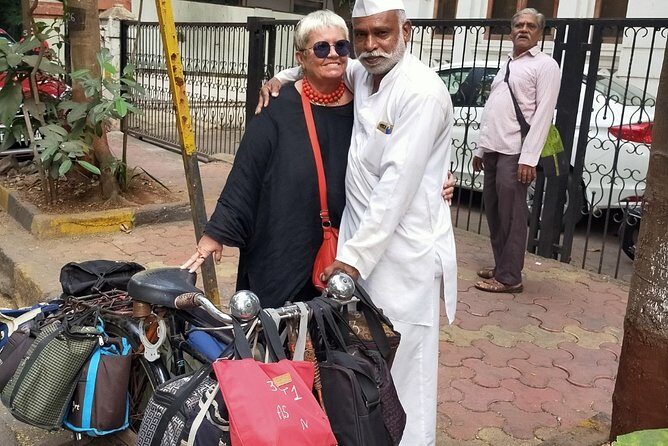
English guide quality can make or break a tour like this. One standout detail from guide experiences is how clear the English can be. For example, Abhi is specifically praised for being friendly and for pointing out small details you might miss on your own—details that help you understand what you’re looking at, not just photograph it.
Also, the tour includes entry tickets and a local guide, so you’re not trying to figure out logistics mid-sightseeing. That’s a quiet win, especially in a place where things are moving constantly.
The 10-minute local train ride: a quick shift from spectacle to city life
The tour then switches gears with a short local train ride—about 10 minutes. This isn’t just transportation. It’s part of the meaning of the day.
Mumbai’s local trains are a lifeline, and riding one changes how you perceive distance and neighborhoods. On this ride, you pass everyday city scenes—markets, taller modern buildings, and historic landmarks. That blend is the point. Mumbai isn’t neatly divided into “old” and “new” zones; you see the mix as you travel.
You’ll probably appreciate that the tour handles the train logistics for you. The listed traveling fees and the fact that the train ride is included mean you don’t have to bargain, calculate, or worry about whether you’re on the right service.
One more practical note: guides are credited for taking care during heavy traffic. That matters because short tours don’t leave room for delays. If the timing gets tight, a guide who stays alert keeps the whole plan from falling apart.
Dharavi walking tour: seeing workshops, alleys, and business from the inside
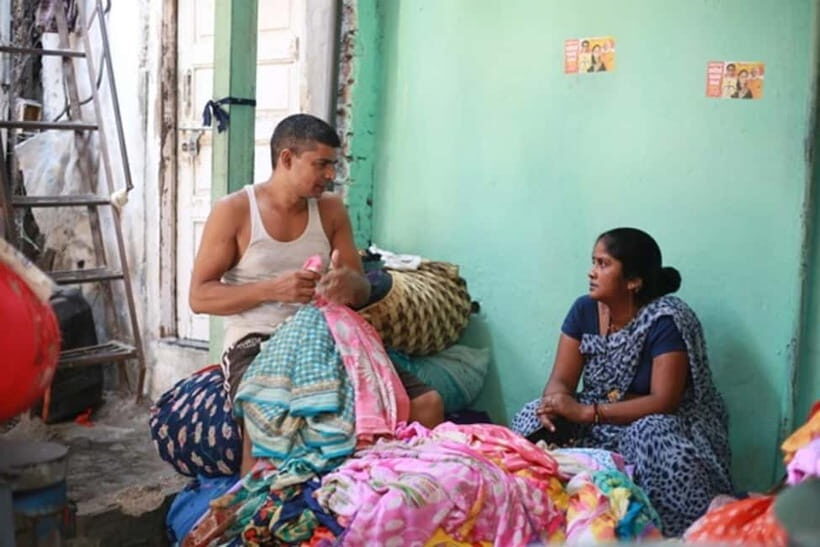
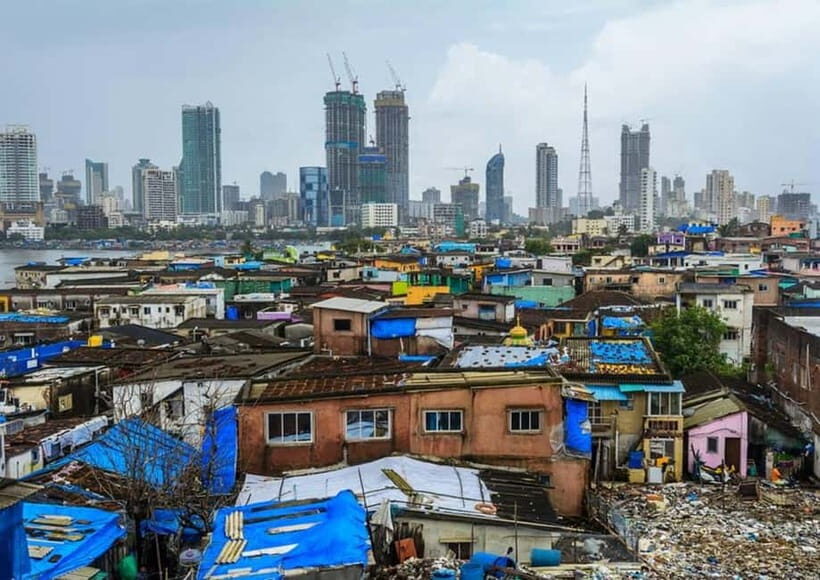
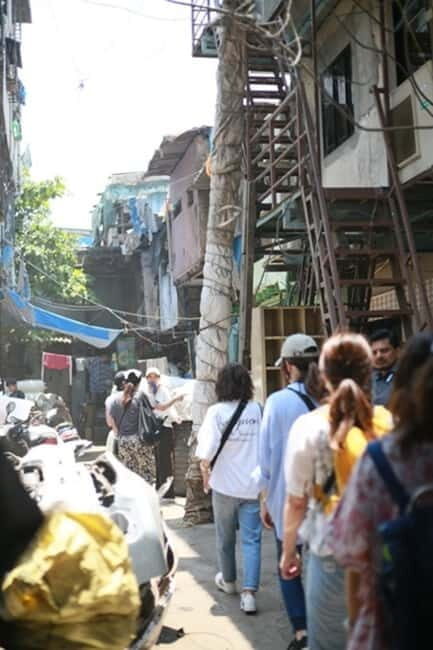
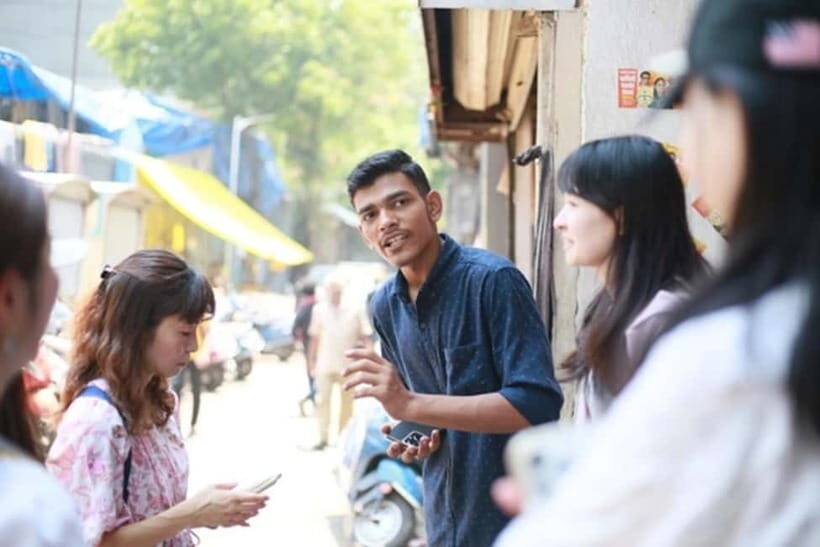
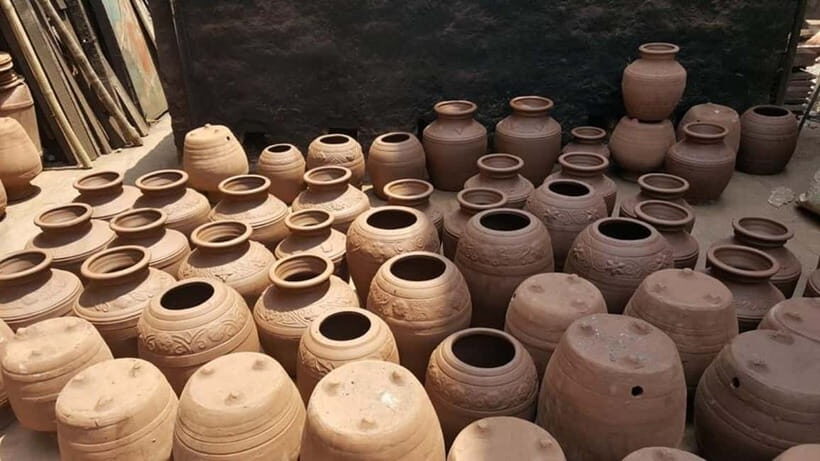
Dharavi is where perceptions often get tested. The tour includes a guided walking tour led by local residents, plus photo stops and sightseeing. You get about 2 hours on the ground here, which is enough time to notice patterns—how people organize work, how streets connect, and where small businesses operate.
The guidance you get is the difference between a look-and-leave experience and a real understanding of a community. In Dharavi, you’ll explore narrow alleyways and busy workshops, plus street market areas. The tour frames what you see through everyday life—culture, economy, and daily routines—so you’re not only counting buildings. You’re learning how people create livelihoods in limited space.
The local-resident-led format is important for respect and context. This tour isn’t built as a drive-by. It’s a conversation model: someone living the neighborhood can point out what outsiders usually miss and explain the logic behind what they do.
I also like that this part explicitly connects what you see to themes like creativity and entrepreneurial spirit. That doesn’t erase hardship; it explains resilience in a way that’s grounded in how people make things work day-to-day.
Time on the ground: how the 3-hour plan really works
This is a tight 3-hour schedule, and it’s designed for focus. Here’s how it flows:
- Start at Dhobi Ghat Viewing Deck
- Dhobi Ghat (about 30 minutes): photo stop, guided tour, and walking
- Train segment (about 10 minutes): quick ride as part of the experience
- Dharavi (about 2 hours): photo stop, guided tour, sightseeing, and walking
- Finish at Sai Multispeciality Hospital & Research Centre
That timing can be a strength. You’re not stuck in transit for half the day. But it also means you should come ready to move. Dhobi Ghat is mostly observation plus short walks, while Dharavi is longer walking through narrow alleys and market areas.
Because food isn’t included, plan for your own timing. If you’re the type who needs a sit-down meal, this might feel rushed. If you’re the type who likes short, intense city experiences, you’ll probably like the pace.


Price and value: why $13 can be a smart deal here
At $13 per person for a 3-hour guided tour, the main question is: what do you actually get for the money? In this case, you’re paying for several things that are usually separate expenses:
- Local English-speaking tour guide
- Entry tickets
- Traveling fees
- Local train ride
- Water included
So you’re not only buying “a walk.” You’re buying transportation support and guided interpretation in two very different places—Dhobi Ghat and Dharavi—within one structured block.
Value here also comes from not having to manage multiple moving parts yourself. Mumbai can be complicated to navigate quickly. A guided plan that includes train ride and access is often where low prices turn into real savings.
The one extra you should budget is food and drinks, since those aren’t included. That’s a normal tradeoff for tours at this length and price.
Photo stops and what to do with your camera in tight spaces
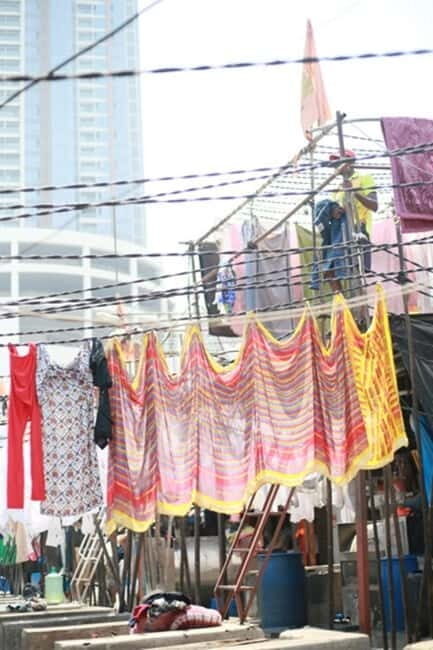
This tour includes photo stops at both Dhobi Ghat and Dharavi. In both places, you’ll be operating in close quarters with active daily work happening around you.
My practical advice: keep your camera handy but don’t treat the space like a set. Focus on getting shots that explain what’s happening—people working at troughs, laundry workflow details, and street scenes that show how daily business fits into the alley pattern.
In Dharavi especially, tight alleyways mean you’ll be navigating around foot traffic. Go slow. Give your guide room to lead. If you want photos, think “documenting” over “blocking.”
If you’re sensitive to intense sights, this tour may still be manageable because it’s guided and framed in context. But it’s worth knowing that you’re choosing to see real working life, not a polished tourist version.
Who this tour fits best (and who might skip it)
This is a good fit if you want:
- A short, high-impact way to learn how Mumbai works at street level
- Hands-on observation of Dhobi Ghat and a guided understanding of the laundry system
- A real local train ride experience, not a staged vehicle transfer
- A Dharavi walk led by local residents, with explanations tied to economy and daily life
You might think twice if:
- You hate walking in narrow, crowded areas
- You need food included in your tour plan
- You prefer a slower pace with more time for rest or optional stops
The tour’s strength is its focus. It’s built for people who like getting answers and then moving on.
Practical details: where to start and how it ends
You start at the Dhobi Ghat Viewing Deck, and you finish at Sai Multispeciality Hospital & Research Centre. That end point is specific, so plan your next step accordingly. If you’re hoping to end back at a central tourist hub, you’ll need to arrange onward transport.
The guide is English-speaking, and the tour includes water. You’ll also appreciate that tickets and train ride are handled as part of the plan, including a note that ticket line skipping is part of the setup.
Should you book the Dhobi Ghat and Dharavi local train tour?
I’d book this if you want a meaningful “two-neighborhood” snapshot of Mumbai in only 3 hours, and you’re comfortable with close walking and real working settings. The biggest reasons are simple: the Dhobi Ghat watch-and-learn portion, the guided Dharavi walk led by local residents, and the fact that you travel by local train, which adds context you can’t get from a car ride.
I wouldn’t book it if you want a relaxed day with food included, or if narrow alley walking sounds like stress for you. This tour is short, focused, and active.
If you like clear English guidance and a guide who points out what matters—Abhi is one example—you’re likely to get more from it than just photos.
FAQ
How long is the tour?
The tour lasts about 3 hours.
Where does the tour start?
It starts at Dhobi Ghat Viewing Deck.
Where does the tour finish?
It finishes at Sai Multispeciality Hospital & Research Centre.
Is the tour guide available in English?
Yes. The tour includes a local English-speaking tour guide.
Does the price include the local train ride?
Yes. The local train ride is included.
Are entry tickets included?
Yes. Entry tickets are included.
Is water included?
Yes. Water is included.
Is food included?
No. Food and drinks are not included.
Are there photo stops during the tour?
Yes. There are photo stops at Dhobi Ghat and in Dharavi.
What is the cancellation window?
You can cancel up to 24 hours in advance for a full refund.