REVIEW · MUMBAI
Dabbawala, Dhobi Ghat & Dharavi slum Tour with Local Train Ride
Book on Viator →Operated by Mumbai Dream Tours · Bookable on Viator
Dharavi and laundry in one 4-hour loop?
This tour strings together three real Mumbai work scenes—Dharavi, Mahalaxmi Dhobi Ghat, and the dabbawala lunch network—using a local guide and local trains so you’re not just sightseeing from the outside. I especially like that it’s short, structured, and built around what people actually do day to day.
My favorite part is the way the guide makes the stops click. You’ll get a hands-on sense of local industries in Dharavi—leather work, pottery, soap-making, bakery production, and even color dye—without the experience turning into a checklist.
The main drawback to consider is emotional heaviness. Dharavi is crowded, working, and sensitive, so you’ll want the right mindset, plus you’ll likely spend time outdoors and walking on uneven paths.
In This Review
- Key highlights I’d circle
- How this 4-hour plan fits real Mumbai (not just photos)
- The local train ride: why it changes your viewpoint
- Stop 1: Dharavi streets, work lanes, and the reality of industry
- What to listen for in Dharavi (so you don’t miss the point)
- Stop 2: Mahalaxmi Dhobi Ghat and the open-air laundry system
- Stop 3: Dabbawala culture and the lunch delivery machine
- What you’ll likely feel during the tour (and why that’s normal)
- Value for money: why $35.79 can make sense here
- Who this tour suits best
- Practical tips so your day runs smoothly
- Should you book this Dharavi–Dhobi Ghat–dabbawala tour?
- FAQ
- How long is the tour?
- What does the tour cost?
- Where does the tour start?
- Where does the tour end?
- Is food included?
- What’s included in the price?
- Are there admission tickets for the stops?
- How big is the group?
- Do I get a ticket on my phone?
- Can I cancel for a full refund?
Key highlights I’d circle
- A resident guide in Dharavi who connects everyday life to the work happening in the lanes
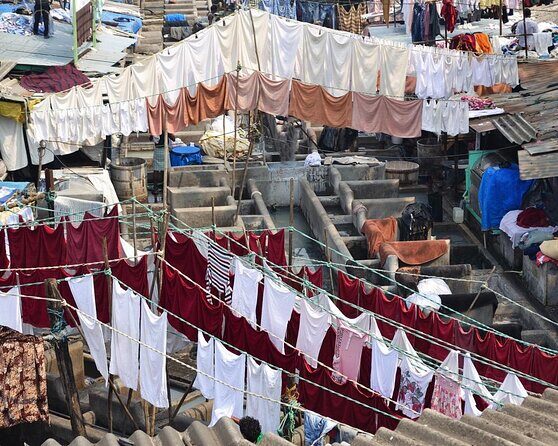
- Open-air laundry at Mahalaxmi Dhobi Ghat, where the washing system runs in plain view
- Dabbawalas, explained in context, not just as a fun fact about delivery
- Local train ride included, which makes the geography of Mumbai feel immediate
- Small group size (max 15) for easier questions and a calmer pace
- Extra-thoughtful pacing over 4 hours so you can fit it into a busy Mumbai day
How this 4-hour plan fits real Mumbai (not just photos)
This tour is designed like a practical circuit. You start in the Churchgate area (near Maharshi Karve Rd) and end in Dharavi. Along the way, you move by local train, then walk through two major “work zones”: Dharavi’s industry lanes and the open-air laundry at Mahalaxmi Dhobi Ghat.
Why that matters: in Mumbai, distance and movement are part of the story. Using local trains gives you a feel for how people actually travel between neighborhoods, and it also turns your day into a living map instead of a set of isolated stops.
The other reason this time block works is the balance between density and breathing room. You get plenty of detail—industries, household life, and how laundry and lunch delivery systems work—without having to commit a full day. At around 4 hours, it’s a strong “value window” for travelers who want something meaningful but not exhausting.
One small note for your comfort: the itinerary includes outdoor segments (Dharavi streets and the open-air laundry). Plan like it could be warm and sun-heavy, and bring what you need to stay steady—especially water.
You can also read our reviews of more tours and experiences in Mumbai.



The local train ride: why it changes your viewpoint

A “local train ride included” label can sound like filler. Here, it’s the connective tissue. You use trains to travel between the Churchgate start point, the Dhobi Ghat laundry area, and then back toward Dharavi.
That shift does two important things:
1) It shows Mumbai as a working city. You’re not transported between attractions in a private bubble. You’re moving through the same transit rhythm locals use.
2) It gives your guide a platform to explain geography. When you can see where stops relate to where people work, you understand the logic behind the lunch and laundry supply chains.
One review detail really sums it up: the local train segments were described as fun, but also as a fast way to see the city’s real layout. That’s the kind of “two-in-one” travel moment that often costs extra when it’s not built into the plan.
Stop 1: Dharavi streets, work lanes, and the reality of industry
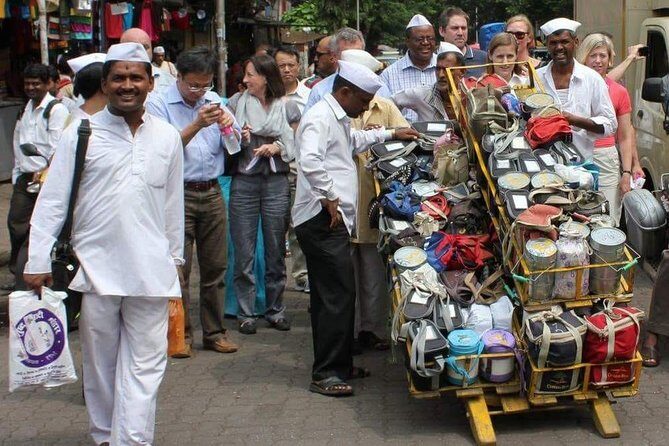
Dharavi is often talked about like a single thing—dangerous, shocking, inspiring, or all three at once. This stop is different because it’s organized around specific kinds of work and visible community spaces.
In Dharavi, your guide leads you through an active mix of:
- Leather industries
- Pottery
- Soap-making
- Bakery production
- Color dye work
- Plastic recycling
- Schools and hospitals
- Houses in the slum
- A few additional craft/production stops listed in the route, including musli (a type of food preparation referenced on the itinerary)
You also pass through places linked to popular culture, including a stop connected to where Slumdog Millionaire was shot. That can be a useful anchor for visitors who need an entry point—then the guide brings it back to the real, everyday economy.
What I like about this approach: it avoids treating Dharavi as a theme park. When the route keeps pointing to how people work, trade, and care for each other, you start understanding the neighborhood less as a headline and more as a system.
Possible drawback: Dharavi walking can be tightly packed. If you’re uncomfortable in crowded lanes or sensitive about photography, set your expectations early. I’d follow your guide’s cues on where to stand, what not to photograph, and how to keep the visit respectful.
Also, expect lots of visual input quickly. If you tend to get overwhelmed, pace yourself—take a breather when the group pauses, and save questions for moments where your guide can hold the floor.
What to listen for in Dharavi (so you don’t miss the point)
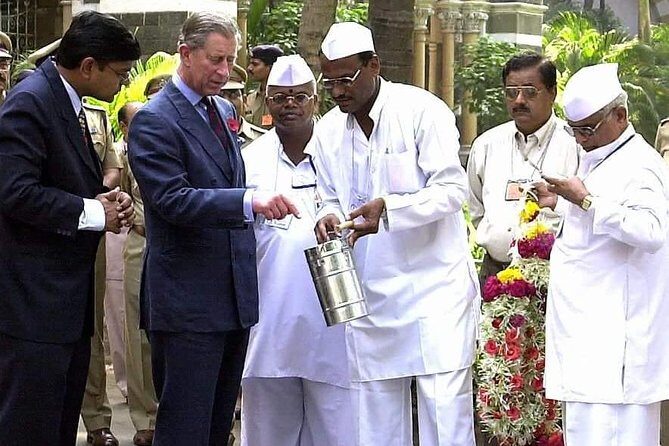
Your guide’s job here is interpretation. You’ll get facts and local context that make the industries feel connected instead of random.
If your guide is Rakesh, Abhishek, Sagar, Hardik, or Dinesh (these names show up frequently in guide feedback), you’re likely to hear storytelling that explains how work and community life overlap. People specifically praised guides for being able to handle questions and keep the tone respectful and personal.
A good Dharavi visit feels like this:
- You notice the small alleys and how they shape movement.
- You connect visible workshops to the city’s larger supply chains.
- You understand why schools and hospitals matter as much as the factories and recycling points.
That’s not just “educational.” It’s how you come away with something you can use later—when you see Mumbai again, you’ll read it differently.
Practical tip: wear shoes you trust. One piece of advice that repeats in feedback is to wear comfy shoes and bring extra water. This tour has a short total duration, but the walking adds up.
Stop 2: Mahalaxmi Dhobi Ghat and the open-air laundry system
Next comes a sharp change of pace: Dhobi Ghat (open-air laundry), specifically Mahalaxmi Dhobi Ghat.
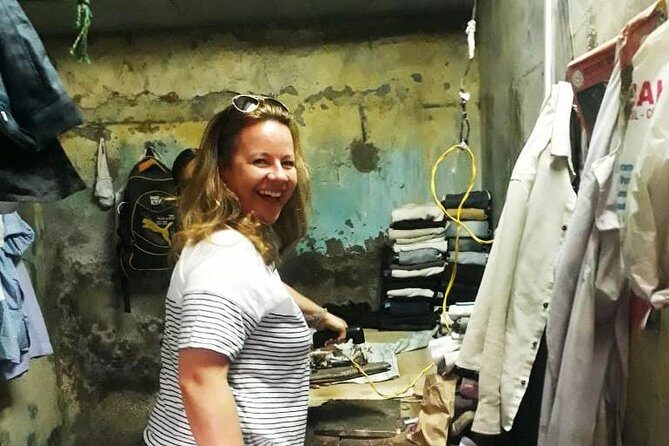
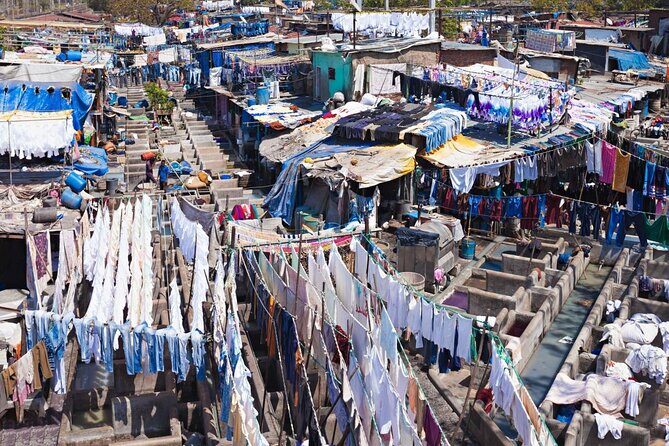
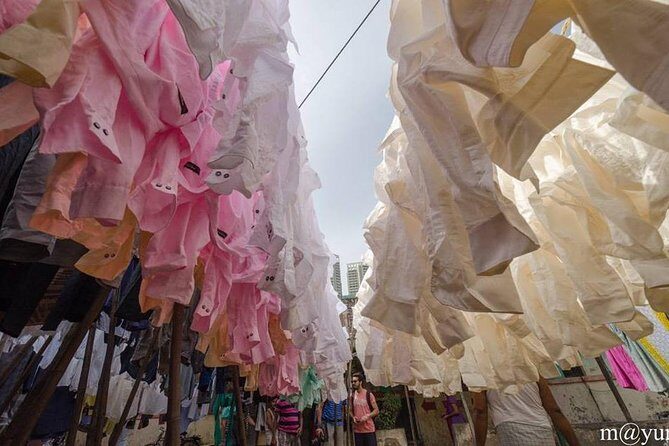
Here’s what makes this stop memorable: the washing happens in view. The washers—called dhobis—work in the open to wash clothes from hotels across Mumbai. You’re not just told that laundry exists. You’re watching a system run.
This is one of those places where you’ll want to slow down and observe:
- The scale of the operation
- The rhythm of washing and handling clothes
- The practical reality of what it takes to manage garments before they return to hotels and customers
The open-air layout makes it easy to ask “how does it work?” questions. Even if you don’t catch every detail, you’ll feel the workflow’s logic.
A small caution: because this is outdoors, the weather can affect your comfort. If it’s hot, you’ll feel it more here than in an indoor museum. Bring water, and don’t plan on skipping sunscreen just because it’s a tour stop, not a beach.


Stop 3: Dabbawala culture and the lunch delivery machine
Then you shift from laundry to food delivery with a stop built around the dabbawalas—the people who deliver packed lunches across the city.
The itinerary includes a Dabbawala Tribute Statue stop where you meet and learn about the dabbawala role in Mumbai life. This is a good moment to connect the dots you just saw.
Why? Lunch delivery is a logistics story. Laundry is also logistics—clothes move from hotels, cleaned, returned, and repeated daily. In a city like Mumbai, these systems are what let life keep moving.
What I find valuable here is the human framing. The dabbawalas aren’t just a delivery brand. They’re described as a special class of people everyone in Mumbai seems to recognize, and the guide experience is aimed at explaining how the network operates day after day.
If you care about how cities function, this stop delivers. You get a sense of organization, routine, and community contribution—without needing advanced math or tech jargon.
What you’ll likely feel during the tour (and why that’s normal)
Let’s talk about the emotional tone. Dharavi can be heavy. Even with a sensitive, guided route, you’ll see signs of struggle, tight living spaces, and intense work. That doesn’t automatically mean the tour should feel depressing—but it does mean your experience may come with strong reactions.
This is where your mindset matters more than your itinerary.
I’d treat this visit like meeting people and learning from systems, not like collecting shock. The best experience is the one where you listen first, ask questions respectfully, and allow your understanding to shift away from stereotypes.
One review theme that comes through clearly is that people felt safe with their guide and comfortable moving through the area. That comfort doesn’t mean you should lower your street awareness—it means the guide’s local knowledge and calm handling of logistics makes a difference in how the day feels.
Value for money: why $35.79 can make sense here
At about $35.79 per person, the value question is fair.
Here’s the math that matters for you:
- A professional guide (not just a pass-it-along audio script)
- Transport by local train included
- A structured 4-hour route covering Dharavi + open-air laundry + dabbawala culture
For Mumbai, that combination is the key. You’re paying for more than entry tickets. You’re paying for the ability to move through working neighborhoods in a way that’s organized and explained, with less guesswork on your part.
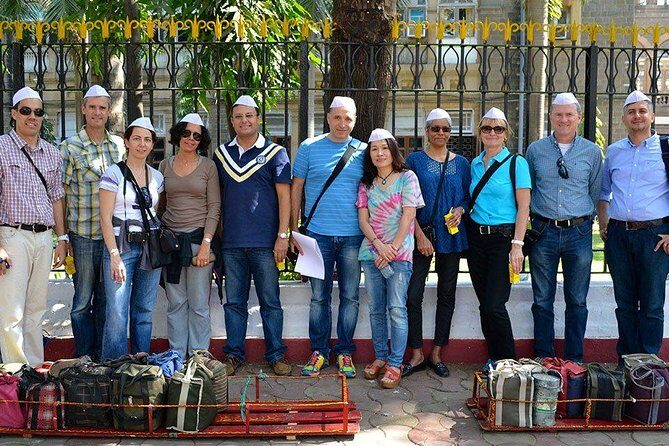
Also, the group size helps. With a maximum of 15 travelers, you get better odds your questions will actually get answered rather than shouted over a crowd.
The biggest “cost” isn’t money—it’s attention and your willingness to handle discomfort in a real place. If you’re ready for that, the price feels fair fast.
Who this tour suits best
This tour is ideal if you want:
- A short, high-impact day in Mumbai without a car transfer
- To understand the city through work systems (industry, laundry, lunch delivery)
- A local perspective via a guide who can answer questions
- A small-group experience with room for conversation
It may be less ideal if you:
- Want a mostly scenic, relaxing walking tour
- Dislike crowds and busy street environments
- Are not comfortable with topics tied to poverty and survival economies
If you’re in the “curious and respectful” category, you’ll probably find it worth the effort.
Practical tips so your day runs smoothly
A few things you’ll thank yourself for later:
- Bring water. Extra water is repeatedly recommended, and you’ll use it.
- Wear comfy shoes. You’ll be walking and standing while the guide explains.
- Dress for sun and heat since one major stop is an open-air laundry.
- Go in respectful mode for Dharavi—listen more than you take pictures.
- Ask questions early. If your guide is the talkative, question-friendly type (several guides are praised for handling lots of questions), you’ll get more from the experience.
One more tip: since the stops are close on a timeline but far in feel, be ready for quick emotional shifts—industry to laundry to lunch delivery in a single afternoon. That’s part of the tour’s power.
Should you book this Dharavi–Dhobi Ghat–dabbawala tour?
Yes, if your goal is understanding Mumbai as a working city, not a postcard. I’d book it if you want a compact 4-hour plan with a local guide, included local train rides, and the chance to see open-air laundry operations at Mahalaxmi Dhobi Ghat plus a dabbawala delivery culture stop.
I’d think twice if you’re looking for a light, purely sightseeing experience, or if you know you get overwhelmed in crowded, working environments.
If you do book, choose it for the right reason: to learn how daily systems—laundry logistics, lunch delivery, and local industry—make Mumbai function. That’s the real payoff.
FAQ
How long is the tour?
It runs about 4 hours.
What does the tour cost?
The price listed is $35.79 per person.
Where does the tour start?
It starts at Maharshi Karve Rd, Churchgate, Mumbai, Maharashtra 400020, India.
Where does the tour end?
It ends at Sai Multispeciality Hospital & Research Centre90 Feet Rd, behind Sion Hospital, Dharavi area (Mumbai, Maharashtra 400017, India).
Is food included?
No. Food and drink are not included.
What’s included in the price?
You get a professional guide plus transport by local train.
Are there admission tickets for the stops?
Admission ticket is listed as free for the Dharavi and Dhobi Ghat stops.
How big is the group?
The maximum group size is 15 travelers.
Do I get a ticket on my phone?
Yes, the tour includes a mobile ticket.
Can I cancel for a full refund?
Free cancellation is available up to 24 hours in advance of the experience start time for a full refund.