REVIEW · MUMBAI
Dharavi Small-Group Mumbai – Walking Tour with Guide and Optional Add-ons
Book on Viator →Operated by Mystical Mumbai · Bookable on Viator
A walking tour that changes how you see Mumbai. A lot of Mumbai looks like postcards, but Dharavi tells a different, real story—on foot, with a guide who helps you read what you’re seeing. I especially like the focus on daily work and community (you’re not just looking from a vehicle), and the way the walk turns “what is this place?” into practical understanding.
One possible drawback: this is a working neighborhood, not a theme park. If you want polished sights only, you may feel uncomfortable at first—so come with a respectful mindset, and plan to follow photo and dress expectations.
In This Review
- Key Highlights Worth Your Time
- Why Dharavi Feels Different From the Usual Mumbai Photos
- The Guide Matters: What You’ll Learn (and Why It’s Credible)
- Navigating the 2-Hour Walk Through Dharavi’s Lanes
- Stop 1: Dharavi—Home, Work, and Daily Life in Motion
- Optional Add-ons: Pickup, Home-Cooked Lunch, Cooking, and an Art Walk
- Price and Value: What You’re Really Paying For
- Practical Tips: Dress, Shoes, and Photo Etiquette
- Dress code: cover shoulders and knees
- Shoes: wear real walking footwear
- Photos: follow the protocol your guide sets
- Who Should Book This (and Who Might Want to Skip It)
- Quick Decision Guide: Should You Book This Dharavi Tour?
- FAQ
- How long is the Dharavi small-group walking tour?
- How much does the tour cost?
- What’s included in the tour price?
- Is lunch included?
- Is hotel pickup available?
- What’s the maximum group size?
- What should I wear to the tour?
- Can I cancel and get a full refund?
Key Highlights Worth Your Time
- Local college-student guides help turn street scenes into clear explanations
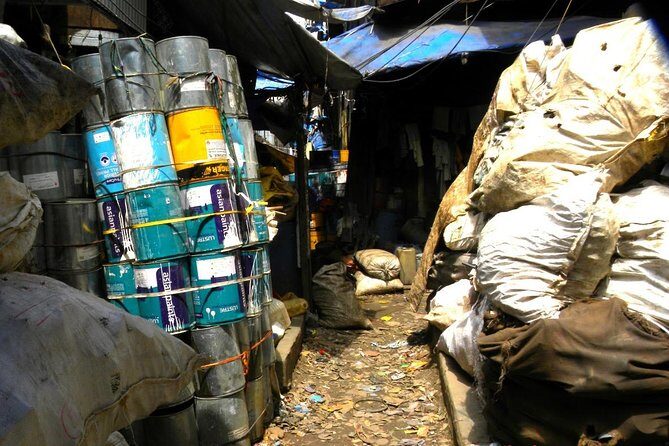
- Narrow alley access means you’ll walk where people actually live, not beside the area
- Street-level work you can smell and see includes bakeries, soap/cosmetics units, cyber cafes, and tailor shops
- Small group limits to about 10 keeps the pace human and questions welcome
- Optional upgrades can add hotel pickup/drop-off plus food or an art-focused add-on
- Admission for the tour is free, so much of what you’re paying for is guidance and access
Why Dharavi Feels Different From the Usual Mumbai Photos

Dharavi sits right next to the glossy ideas people expect from Mumbai, which is exactly why this walk lands. You see the contrast in place—slums beside big wealth—but you also get something more useful than shock. You learn how systems work when space is tight and daily life still has to move.
I like that the tour is built around a guide who can answer questions directly. The guides are college students who live in Dharavi, and that matters because you’re not getting secondhand “explainer” talk. You’re getting lived context—what a lane is used for, why certain businesses cluster, and how community relationships show up in ordinary moments.
You do need to set your expectations. This isn’t about collecting photos for bragging rights. It’s about walking respectfully through a place with around 1 million residents, and letting the reality take the lead.
You can also read our reviews of more walking tours in Mumbai



The Guide Matters: What You’ll Learn (and Why It’s Credible)
In many cities, a “neighborhood tour” is mostly history notes on a bus stop. Here, your guide helps you connect what your eyes catch with what the place actually does.
Two things stand out. First, the guides are described as having good English and strong answers for questions. Second, the tour helps you swap generic labels for real understanding—especially if you arrive thinking in terms of the word slum without context. One review summed it up well: the term doesn’t even map neatly to how people talk about their lives in Hindi, and that language shift can change your whole outlook.
Also, don’t miss the “community” angle. As you move through the narrow lanes, the sense of neighborhood life shows up in small interactions—being greeted by locals, seeing shared rhythms, and noticing how daily needs are handled on the ground.
Navigating the 2-Hour Walk Through Dharavi’s Lanes
Expect a 2-hour guided walking tour. The route is paced to keep you together as a group, and the small size (max 10 travelers) helps you ask questions without feeling rushed.
Stop 1: Dharavi—Home, Work, and Daily Life in Motion
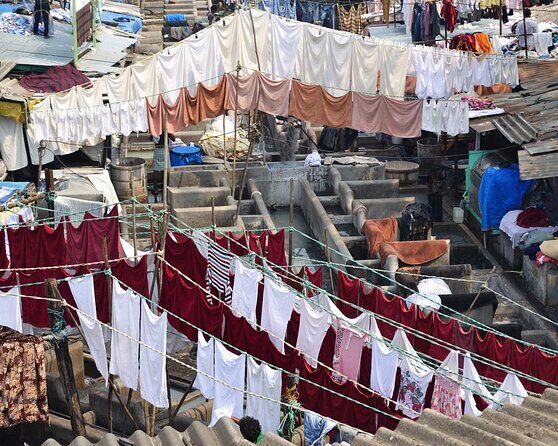
This is the main event, and it’s focused. You’ll walk through narrow lane-and-by-lane paths where residents live and work. The point isn’t to “tour” the idea of poverty. The point is to understand how a dense community supports itself.
Here’s what you can realistically expect to notice as you go:
- Bakeries and sweet shops: you’ll catch the aromas as you pass.
- Soap and cosmetic making units: there are industrial smells here—some people are surprised by how present hands-on production feels.
- Small cyber cafes: you may spot tiny tech spaces that keep communication and services close to home.
- Mass-producing tailor shops: you’ll likely see how clothing work is organized, with output designed for busy demand.
The tour description also points out a friendly, communal feel—locals greet you along the way. That’s a big part of why I think this tour works better than “looking from the outside.” You’re not just viewing; you’re being guided through how residents experience their own streets.
Possible drawback at this stop: you may encounter strong smells and busy scenes. That doesn’t mean it’s unpleasant, but it’s real. Wear shoes that can handle footpaths that may not be smooth, and keep your senses alert. If you’re easily overwhelmed, go slowly and trust your guide to steer you through the moments that feel intense.
Optional Add-ons: Pickup, Home-Cooked Lunch, Cooking, and an Art Walk
Out of the add-ons, the one that helps most people is hotel pickup and drop-off. Even if you’re comfortable using public transport, it reduces friction—especially in a city where getting the timing right can be harder than it sounds.
From there, you can choose extras tied to food and culture:
- Home-cooked lunch (not included in the base tour price)
- A cooking experience add-on
- An art walk add-on
I like add-ons that deepen your contact with daily life instead of adding more “spectator time.” A food-related experience can be a good way to understand culture through what people eat and how meals are made. But keep it practical: if you add lunch or cooking, your day will take on a different rhythm, and you’ll want to pace the rest of your Mumbai plans around it.
You can also read our reviews of more guided tours in Mumbai






Price and Value: What You’re Really Paying For
The standard price is $40.00 per person for about 2 hours, and the base includes a local guide and a group tour. The description also notes that an admission ticket is free, which usually means your cost is mainly paying for guided access and explanation rather than paying entry fees.
So is $40 a bargain? For what you’re getting—walking access, local guidance, and a small group—it can be fair value. You’re also supporting a system where guides live in the neighborhood and use their training and studies to help visitors understand what they’d otherwise miss.
That said, one review flagged a price mismatch: it felt more expensive than the cost some people might pay by arranging locally. I can’t tell you what’s available at every moment, but I can tell you how to approach value: compare the total you’ll pay, including any add-ons like pickup or lunch. If you’re price-sensitive, check whether the base tour is enough for you, and only add pickup or lunch if you truly want them.
Finally, this tour can be less stressful if you’re traveling as at least two people. There’s a minimum of 2 people per booking, which can affect last-minute plans.
Practical Tips: Dress, Shoes, and Photo Etiquette

This part is not “nice-to-have.” It affects how smoothly your visit goes.
Dress code: cover shoulders and knees
The tour guidance is clear: conservative, respectful clothing is recommended, with shoulders and knees covered. That isn’t about rules for fun—it helps you blend in and stay comfortable in everyday conditions.
Shoes: wear real walking footwear
You’ll be on foot for about two hours in narrow lanes. Bring shoes with grip and support. If your footwear is more “city clean” than “walking tough,” consider switching.
Photos: follow the protocol your guide sets
You’ll want to observe protocols regarding taking photographs. The safest approach is simple:
- Don’t photograph people as if they’re props.
- Wait for cues from your guide.
- If someone looks unsure, stop.
This keeps the experience respectful and helps you avoid awkward moments mid-walk.
Who Should Book This (and Who Might Want to Skip It)
This tour is a strong match if you:
- Like asking questions and getting direct answers in clear English
- Prefer real street-level understanding over polished viewpoints
- Are curious about how a dense community runs—work, services, and everyday routines
- Want a small-group pace rather than a crowd march
It may be less ideal if you:
- Want only scenic, low-stimulation sights
- Struggle with strong smells or very close, busy street scenes
- Prefer experiences where you never feel emotionally challenged by what you’re seeing
One more “fit” note: if you’re the kind of person who worries the term slum feels wrong, this tour can actually help you untangle that feeling. The goal is understanding, not judgment.
Quick Decision Guide: Should You Book This Dharavi Tour?
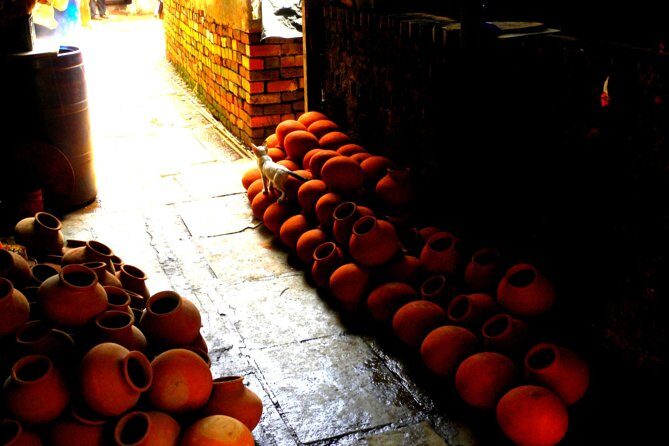
Book it if you want a guided, responsible way to understand Dharavi’s daily life in about two hours, with a guide who’s part of the community and can explain what you’re seeing on the street. The small group size and the emphasis on real work—bakeries, soap/cosmetics, cyber cafes, tailor shops—make it more grounded than many sightseeing-style tours.
Skip or reconsider if you’re seeking comfort above all, or if you’re uncomfortable with a neighborhood setting that comes with sensory realities and strong etiquette expectations. If that’s you, you can still enjoy Mumbai—but you might choose a different style of tour where the environment is less intense.
If you do book, plan well: wear respectful clothing, bring solid shoes, and go in ready to ask questions and follow photo guidance. That’s when this walk tends to land the most meaningfully.
FAQ
How long is the Dharavi small-group walking tour?
It’s about 2 hours.
How much does the tour cost?
The price is $40.00 per person.
What’s included in the tour price?
The tour includes a local guide and it’s a group tour.
Is lunch included?
No. Lunch isn’t included, though there are optional add-ons that can include a home-cooked lunch.
Is hotel pickup available?
Pickup is offered as an upgrade, with optional hotel pickup and drop-off.
What’s the maximum group size?
This tour has a maximum of 10 travelers.
What should I wear to the tour?
Conservative, respectful clothing is recommended, with shoulders and knees covered.
Can I cancel and get a full refund?
Yes. Free cancellation is available up to 24 hours in advance for a full refund.