REVIEW · MUMBAI
Full-Day Food Tour of Mumbai with Spice Bazaar Visit
Book on Viator →Operated by Amaze Mumbai Tour · Bookable on Viator
Mumbai smells like food long before you get to the table. This full-day tour strings together three-course lunch, street bites, chai, a spice market stop, and big-name landmarks like Gateway of India—so you get flavor and context in one plan.
Two things I especially like: you taste across North Indian, South Indian, and coastal styles, and the day is built around everyday life, starting at Dhobi Ghat, Asia’s largest open-air laundry. One thing to consider: it’s a packed 7-hour schedule, so if you’re hoping for a slow, sit-down-only day, you might find the pace a bit firm.
In This Review
- What makes this tour work so well
- Key highlights worth planning around
- Dhobi Ghat laundry and masala chai: the day’s best wake-up call
- Spice Bazaar: learn the ingredients, then buy with confidence
- Family-style snacks and a three-course North Indian lunch
- South Mumbai by train: seeing the dabbawallas in action
- Gateway to India, Crawford Market, and Chhatrapati Shivaji Terminus
- Coastal South Indian tasting: a second flavor world
- Dessert shop finale: choose from dozens and go at your pace
- Price and value: what $85 actually buys you
- Who should book this Mumbai food tour (and who should skip it)
- Should you book it?
- FAQ
- What is the tour duration?
- What time does the tour start?
- Do I get hotel pickup and drop-off?
- What’s included in the price?
- Do you include lunch during the tour?
- Are alcoholic drinks included?
- Is this a private tour?
- What are the cancellation terms?
What makes this tour work so well
You’ll be picked up from your hotel in Mumbai and brought back at the end, which matters in a city where time and travel can add up. And the food portion isn’t random—there’s a logical flow: masala chai early, spice learning in the middle, then lunch tastings that actually explain the dishes you’re eating.
That said, this is also a day where you may want to budget extra for personal spice purchases at the market, and alcohol is not included (you can buy it). If you’re trying to keep costs totally fixed, plan to stick to what’s included.
Key highlights worth planning around
- Dhobi Ghat chai stop: start with ginger-flavored masala chai right near Mumbai’s giant open-air laundry work.
- Spice Bazaar with time to shop: see whole spices, ground spices, and popular blends, then buy if you want.
- Street food plus a family-style snack stop: you’ll taste from a recognized street vendor and then try homestyle snacks at a restaurant type that’s rare in Mumbai.
- Train ride and dabbawallas: you get a taste of how the city’s lunch system actually moves.
- Two meal moments, not just one: North Indian lunch followed by a southern, coastal-flavor tasting.
- Dessert shop with plenty of choice: you’ll end with dozens of desserts on display, so you can go mild or go fully sweet.
You can also read our reviews of more food & drink experiences in Mumbai

Dhobi Ghat laundry and masala chai: the day’s best wake-up call
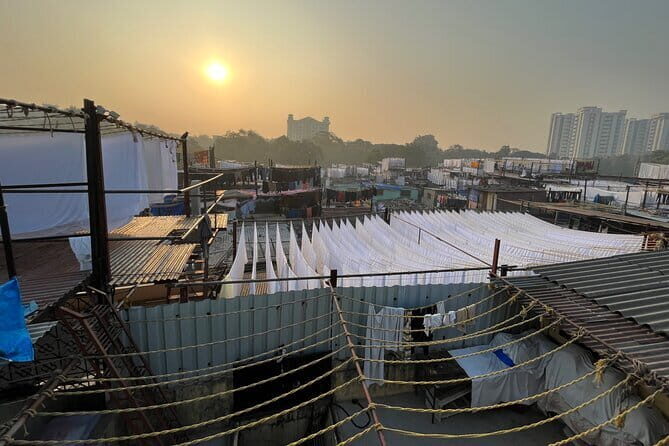
The tour begins at Dhobi Ghat (Dhobighat), Asia’s largest open-air laundry. This is one of those places where the city stops being a postcard and turns into work you can see with your own eyes. You’ll get a real sense of the labor behind daily life in Mumbai—schedules, routines, and the constant movement of people doing hard, physical jobs.
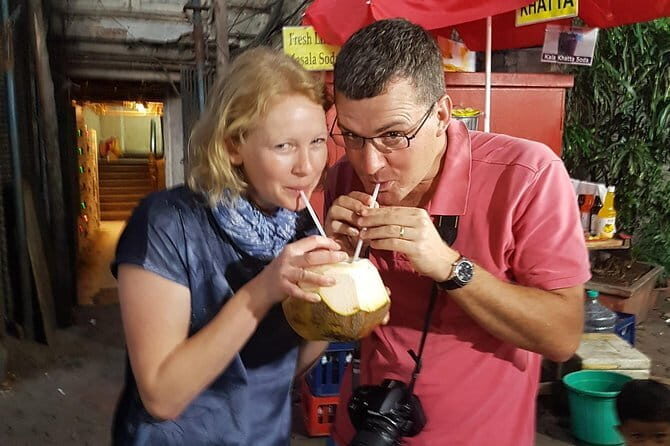
Right there, you’ll try masala chai. It’s not just a cute add-on. Starting with ginger-forward chai is smart because it primes your taste buds for spices later in the day. After that, you’re not just eating—you’re connecting flavor to ingredients and culture.
Practical note: bring your camera-ready brain but keep your behavior respectful. If you want photos, watch what others do and be ready to ask first.
Spice Bazaar: learn the ingredients, then buy with confidence
After Dhobi Ghat, you head to the Spice Market, where you’ll get an introduction to Indian spices in their real forms: whole spices, ground spices, and blended mixes. The goal here is simple. Once you learn what you’re looking at, restaurant food stops being mysterious.
You’ll have time to browse the market and pick up spices if you want. This is where the tour offers real value beyond eating: a guide can help you understand the difference between a single spice and a prepared blend, and that means you’re less likely to buy something that doesn’t match what you were hoping for.
What I’d do if you plan to shop:
- Focus on a few staples you recognize (or that you taste in the food later).
- If you buy blends, consider buying smaller quantities first, since spice strength can vary by brand and freshness.
Also, you’ll get local snacks from a street food vendor. That matters because street food is often where the city’s “real menu” lives, and you’ll be tasting in a guided, structured way.
Family-style snacks and a three-course North Indian lunch
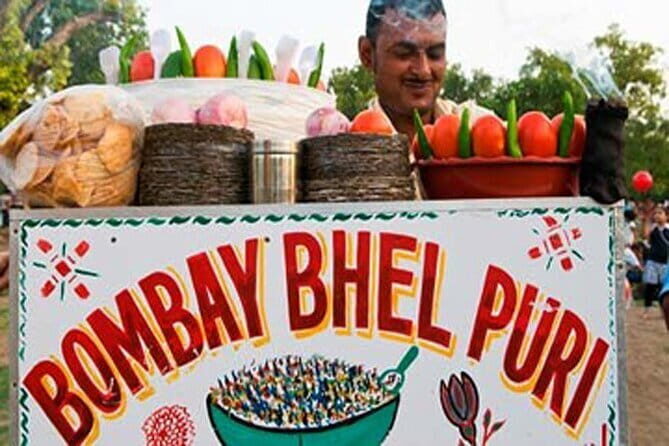
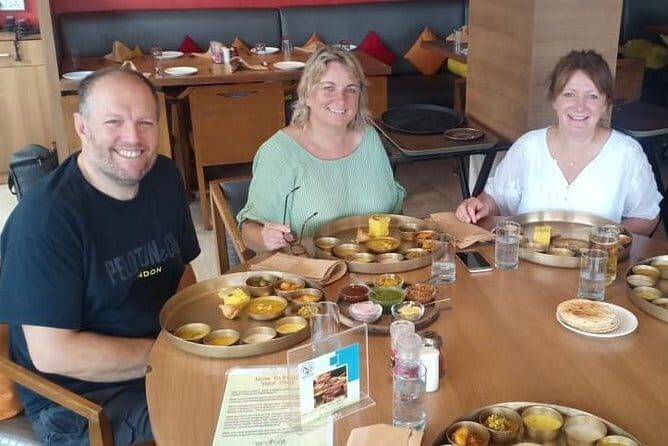
The middle of the tour shifts from market discovery to food you can slow down for. You’ll stop at a family restaurant that serves traditional homestyle snacks—these kinds of spots are described as rare in Mumbai, which tells you the stop is meant to feel authentic, not just convenient.
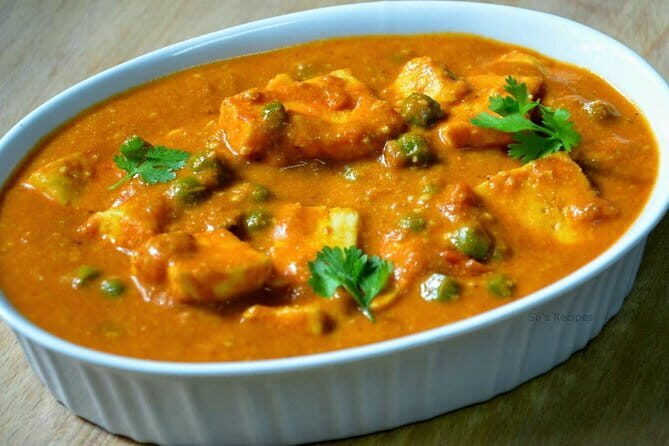
Then comes lunch: a three-course meal, built around North Indian cuisine. North Indian food in Mumbai often leans on aromatic spices and masalas, and the guide helps translate what’s happening on your plate. You’re tasting, but you’re also learning what makes the flavors work—warming spices, balanced seasoning, and the way sauces and breads show up together.
This is also a good moment to pace yourself. The tour has more tastings after lunch, plus dessert at the end. If you’re the type who eats everything fast, you’ll likely regret it later when sugar hits and your stomach is already full. Take small bites, and leave room for the next two stops.
South Mumbai by train: seeing the dabbawallas in action
After lunch tastings, you head to South Mumbai and take a train ride. You’ll also see how the dabbawallas work—the lunch delivery system that’s a big part of Mumbai’s routine.
Why this matters: you’re not just sightseeing landmarks. You’re watching how lunch culture actually functions—how food travels, how it arrives, and how people count on it. It gives the meal stops something deeper than taste. Suddenly the day isn’t just “eat here, eat there.” It’s “where does this daily food rhythm come from?”
A small tip: a train ride can be warm and crowded depending on the day and hour. Dress in breathable layers and keep your essentials close. You’ll enjoy the sights more when you’re comfortable.
You can also read our reviews of more tours and experiences in Mumbai


Gateway to India, Crawford Market, and Chhatrapati Shivaji Terminus
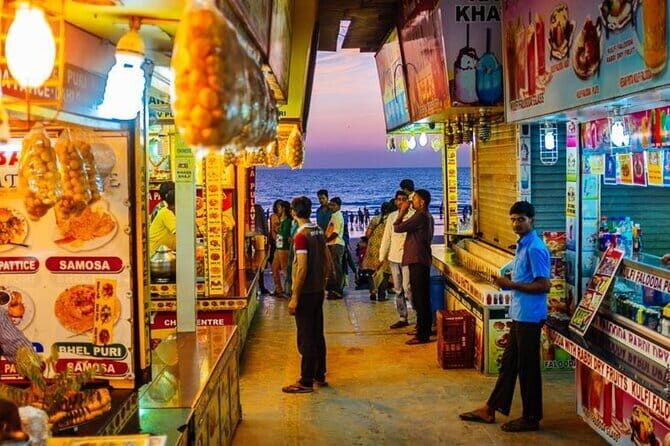
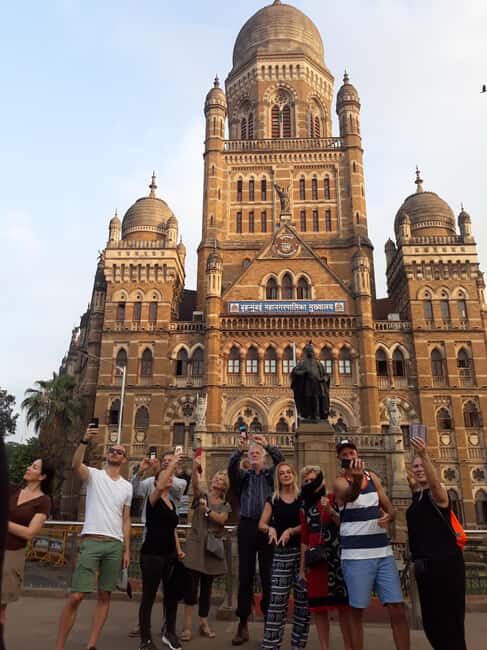
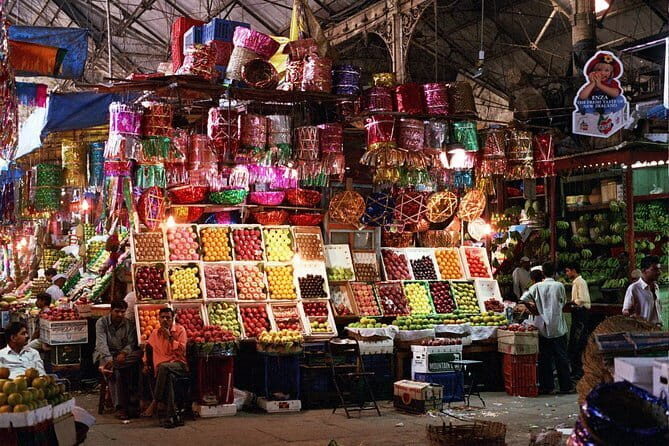
The tour layers sightseeing with food stops, which is a smart way to keep the day moving. You’ll visit Gateway to India, Crawford Market, and stop by Chhatrapati Shivaji Terminus.
These are major Mumbai icons, but the key is how they’re used. They’re not separate from the food story—they bookend tastings and remind you where you are in the city. Crawford Market, for instance, is the kind of place where daily commerce and food culture meet, so it fits naturally with a flavor-focused itinerary.
If you care about photography or simply want time to look closely, keep an eye on the schedule. With a day this packed, you’ll want to treat pauses like windows—step in, look, then move.
Coastal South Indian tasting: a second flavor world
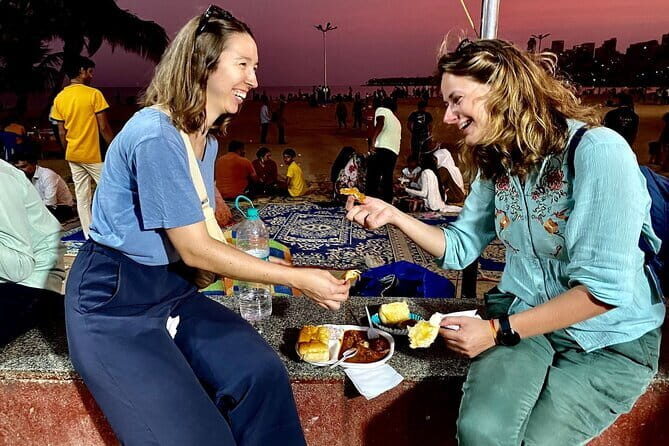
After the landmark stops, you’ll do another food tasting at a southern India restaurant, with coastal flavors. This is where the tour pays off for people who think Indian food is one thing. You’ll likely notice a shift in how flavors are built—how the balance changes from North Indian masalas toward coastal seasoning and a different style of cooking.
This second meal moment is also a useful reset. If the North Indian courses made everything feel heavy or spice-forward, the coastal dishes can feel more varied in texture and approach. You’re basically getting a second “class” in how regional India eats.
How to enjoy it without overdoing it:
- Taste first, then decide if you want more.
- Don’t chase the spice level. Aim to notice ingredients and cooking style instead.
Dessert shop finale: choose from dozens and go at your pace
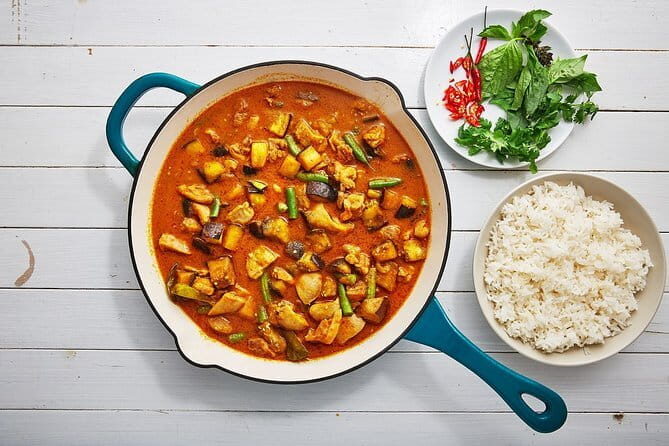
You end at an Indian dessert shop with dozens of desserts on display. This is where the day turns sweet and playful. After chai, street bites, and two meal tastings, dessert can either be a great finish—or a tough one if you’re already full.
My practical advice: pick one or two desserts that look most interesting, not five just because they’re there. If you’re with someone, sharing is often the best strategy. Also, ask what’s freshest if the shop offers options. Dessert is part of the experience, not a race.
And yes, the contrast is the point: salty, spiced, and hearty earlier in the day; sugar and texture at the end.
Price and value: what $85 actually buys you
At $85 per person for about 7 hours, this tour is priced like a “real day out,” not a quick snack crawl. The value is strongest when you look at what’s included:
- Hotel pickup and drop-off
- Bottled water
- Lunch (three-course)
- Tea and snacks
- Multiple food tastings
- A guided route connecting markets, local life, sightseeing, and regional meals
If you had to do this yourself, you’d likely pay for transport across neighborhoods, then cover meals and snacks on your own, and still need someone to explain spices and regional differences. Here, you get structure plus learning, with someone handling the flow.
Alcohol is not included, but that’s pretty normal for a food-and-sightseeing format. If you want beer or wine with your meal, you’ll need to purchase it separately.
Who should book this Mumbai food tour (and who should skip it)
This is a great fit if you:
- Want a first-timer friendly plan that still feels local.
- Like learning as you eat—especially how spices and regional cuisines connect.
- Appreciate a day that mixes food with real-life sights like Dhobi Ghat and the dabbawallas system.
I’d skip it if you:
- Want a slow pace with lots of downtime.
- Prefer only one type of Indian food and dislike variety.
- Have a very strict “no crowds, no public transit” preference for the train segment and busy market areas.
Should you book it?
If your goal is to taste across multiple regions, learn how spices work, and see Mumbai’s daily rhythm beyond the big monuments, I think it’s a smart booking. The combination of a spice market stop, two food tasting phases (North and coastal), and a dessert finish makes it feel like a full culinary day instead of a handful of bites.
The one reason to hesitate is timing. It’s long and packed. If you hate rushing and you need lots of quiet time between stops, you may feel the pressure. But for travelers who like an active, guided plan with plenty of food included, this is the kind of day that turns into a story you’ll remember.
FAQ
What is the tour duration?
The tour runs for about 7 hours.
What time does the tour start?
It starts at 10:00 am.
Do I get hotel pickup and drop-off?
Yes. The tour includes hotel/port pickup and drop-off with door-to-door transfers.
What’s included in the price?
Included items are bottled water, food tastings, a three-course lunch, and tea and snacks.
Do you include lunch during the tour?
Yes. You’ll have a three-course lunch as part of the program.
Are alcoholic drinks included?
No. Alcoholic drinks are not included, but you can purchase them.
Is this a private tour?
It’s a private tour/activity, meaning only your group participates.
What are the cancellation terms?
You can cancel for free up to 24 hours in advance for a full refund. If you cancel less than 24 hours before the start time, the amount paid won’t be refunded.