REVIEW · MUMBAI
Mumbai: Same Day Tour of Ajanta & Ellora Cave’s
Book on GetYourGuide →Operated by Jee Tours · Bookable on GetYourGuide
A long cave day beats a short excuse. This Ajanta and Ellora same-day trip turns two UNESCO sites into one efficient outing. I like that the tour saves you from the usual headache of arranging separate transfers and lodging.
What I really like is the way the day is organized around the cave time itself: two solid hours at Ellora and two solid hours at Ajanta, with guided time plus time to wander and look at details. The second big win for me is the comfort factor—private air-conditioned transport, mineral water along the route, and a driver who can handle Hindi and English.
One thing to plan for: it’s a long day with lots of driving, and the road can be bumpy with construction. If you’re sensitive to fatigue, you’ll want to pack snacks and keep your expectations realistic about timing.
In This Review
- Key points worth knowing before you go
- Flying from Mumbai to Aurangabad, then straight into cave time
- Ellora Caves: Kailasa Temple and the 34-cave circuit
- The mini reality check: vendors and the keep-moving factor
- Ajanta Caves: frescoes, sculptures, and the Buddha stories you can read with your eyes
- The long drive: comfort, construction, and how to stay sane
- Shoe rules and what to bring: your cave-day checklist
- Guided option: when it adds value (and when you’ll need to speak up)
- Price and value: what $49 includes, and what you should budget
- Timing rules: closures and the best days to book
- What the Aurangabad dinner and shopping stop really means
- Should you book this Mumbai one-day Ajanta and Ellora trip?
- FAQ
- How long is the Ajanta and Ellora same-day tour?
- Where does the tour start and end?
- How much time do I spend at each cave site?
- Are Ajanta and Ellora open every day?
- What’s included in the tour price?
- Is food included?
- What should I bring for the cave visits?
- Is this tour private or shared?
Key points worth knowing before you go
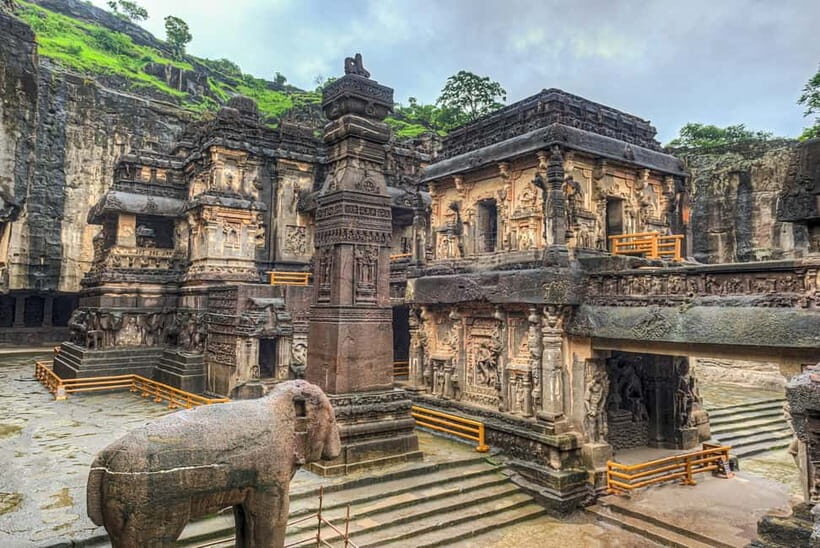
- Ellora first, Ajanta second: you get your best shot at calmer cave viewing after an early start from Aurangabad.
- Mixed-faith cave complex: Ellora brings Buddhist, Hindu, and Jain temples together in one dramatic setting.
- Kailasa Temple at Ellora: a single-stone rock-cut that’s hard to wrap your head around until you’re there.
- Frescoes and sculpted Buddha stories: Ajanta’s carved caves and painted scenes are the reason most people make the trip.
- Plan for shoe rules: you’ll remove shoes in places, so sleepers are strongly recommended.
- You’re in control of your pace: guided structure is included (if selected), but there’s room to slow down and stare.
Flying from Mumbai to Aurangabad, then straight into cave time
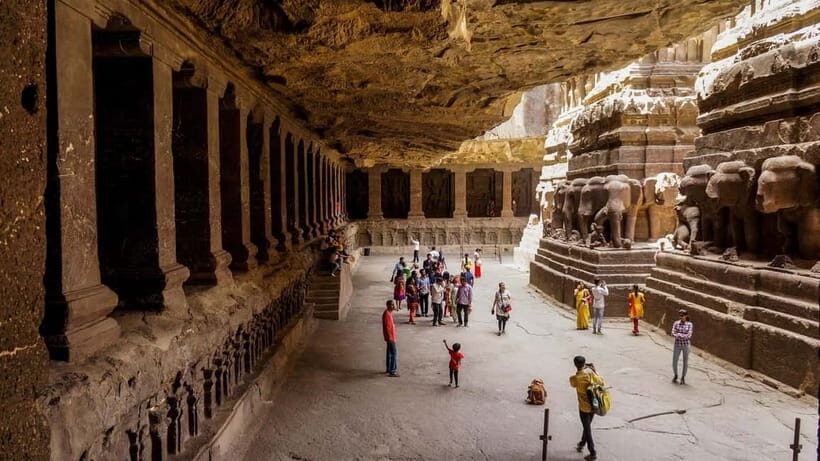
This tour is built for travelers who want the Ajanta and Ellora experience without eating up your vacation with hotel nights in the middle of nowhere. You start in Mumbai, and the route funnels you through Aurangabad (Chhatrapati Sambhajinagar area), then uses a private car for the cave run.
Practically, that matters because you avoid the common trap: getting to the region, then losing half your day hunting for transport. Instead, you’re met after arrival at Aurangabad Airport by a representative, who sets you up with your driver or guide and gets you moving. That handoff is the difference between feeling behind on Day 1 and actually getting to see the caves while the hours still feel generous.
The tour also runs from Wednesday to Sunday, which is helpful if you’re fitting this into a typical week. Just note the site closures (more on that below), because caves are not open every day.
You can also read our reviews of more tours and experiences in Mumbai.



Ellora Caves: Kailasa Temple and the 34-cave circuit
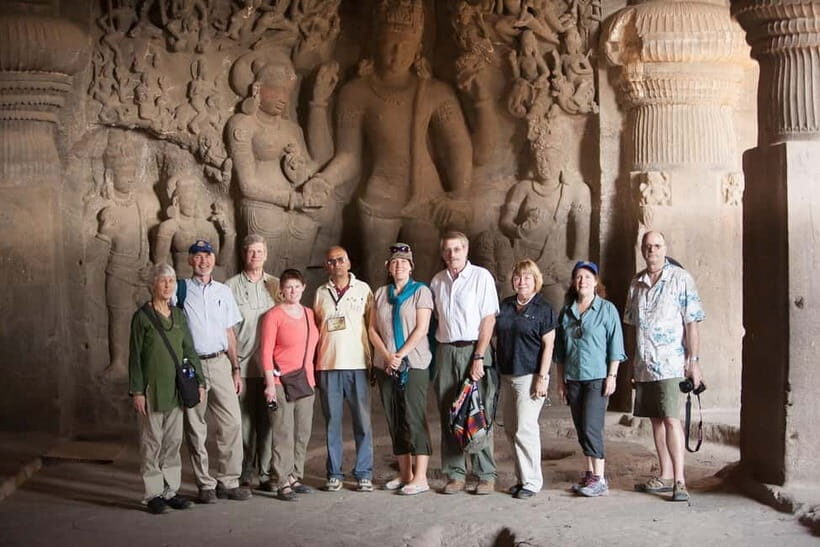
Ellora is where the scale hits you first. After landing at Aurangabad, you drive about 35 kilometers to reach the site, then spend roughly two hours exploring. The format typically mixes a photo stop, guided viewing, and time on your own.
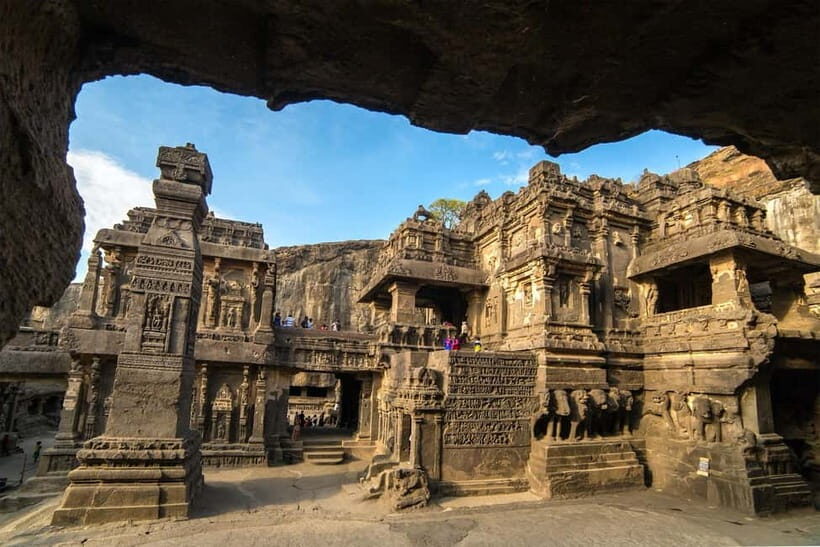
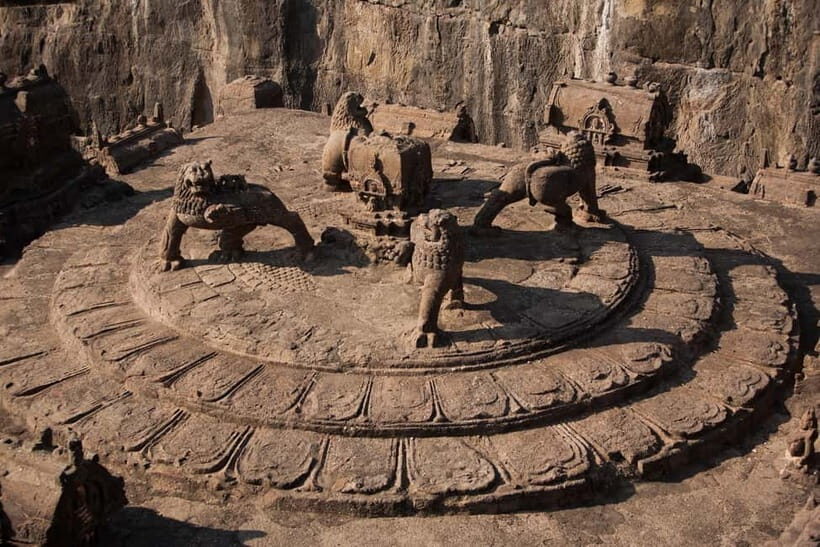
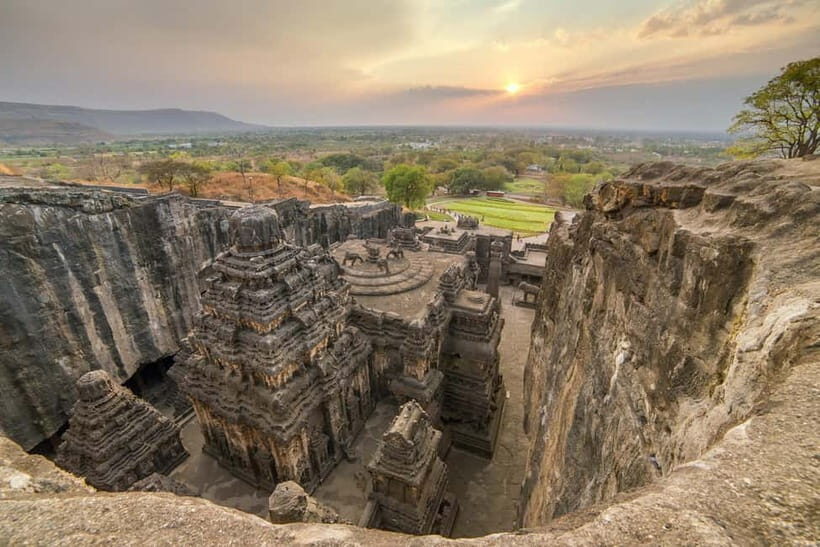
The headline for many people is Kailasa Temple, a rock-cut dedicated to Shiva carved from a single stone. Even if you don’t know every icon or architectural term, you’ll feel the ambition of it. It looks like someone tried to compress an entire temple city into the side of a cliff, and the result is still jaw-dropping.
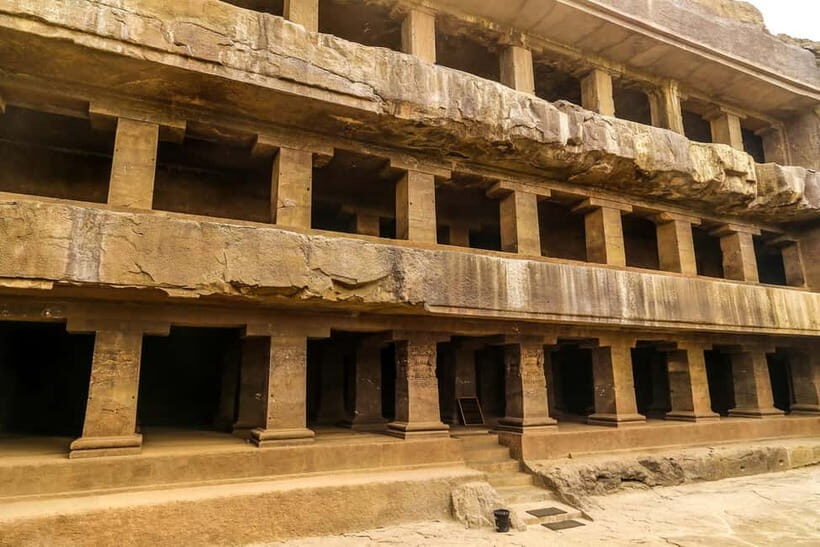
Ellora is also famous for the way different religions share the same rock face. You’re looking at 34 caves, with monasteries and temples linked to Buddhist, Hindu, and Jain traditions. That mix is one of the tour’s best values: instead of only seeing one style of cave art, you get a quick education in how Indian religious art changed by community and by century.
The mini reality check: vendors and the keep-moving factor
Near major sites like Ellora, you can expect a bit of shopping pressure. One traveler even described a hard-sell gauntlet and advised staying firm. My advice is simple: decide in advance if you want to buy anything, and if you don’t, use the polite power of a clear no. It keeps you focused on the caves instead of getting dragged into a side quest.
Also, this is the first cave block of the day, so your energy level matters. If you’re someone who likes slow looking, arrive mentally ready to spend time with carvings—especially around doorways and niches where details often tell stories.
Ajanta Caves: frescoes, sculptures, and the Buddha stories you can read with your eyes
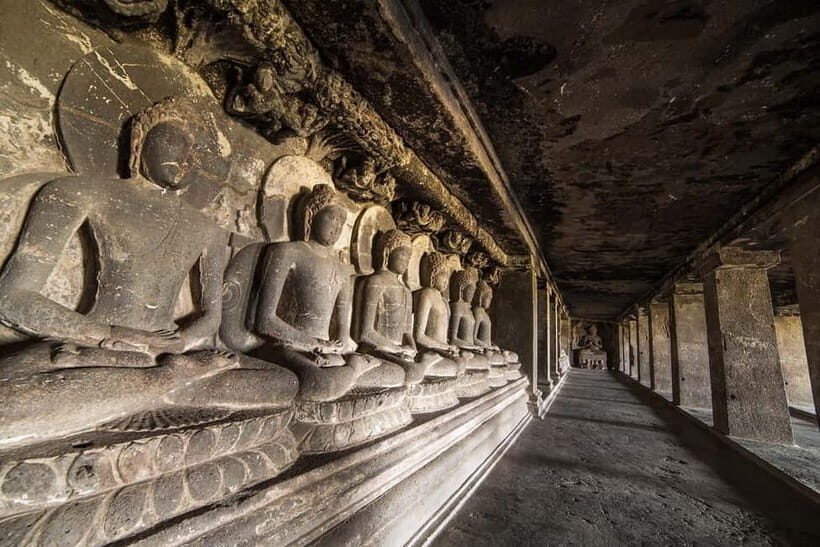
After Ellora, you head to Ajanta, about 100 kilometers from Aurangabad. You’ll spend around two hours at Ajanta across photo stops, guided explanation, and a good chunk of time to walk and look.
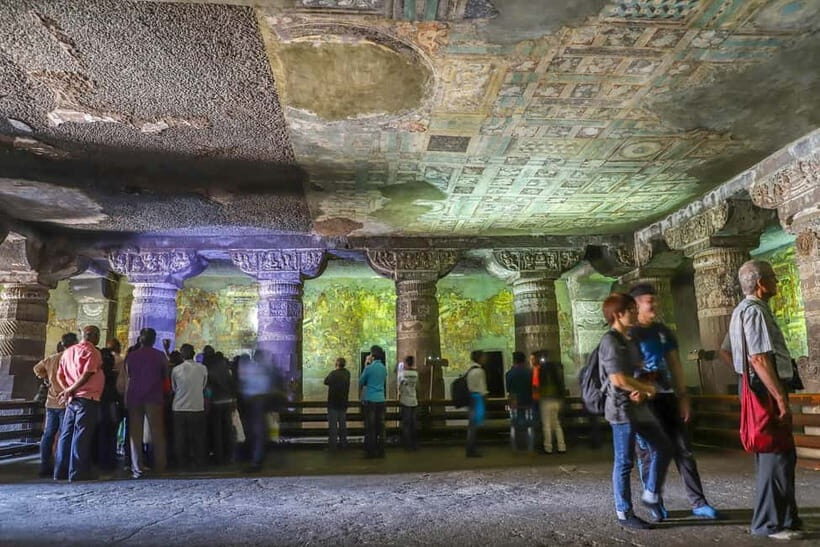
Ajanta is the cave complex many people imagine before they ever book. You’re visiting 30 rock-cut caves, known for intricate sculptures and frescoes that depict the life of the Buddha and wider religious narratives. The paintings can feel almost impossible until you see them in person and realize they were preserved long enough to still read as stories.
What helps most is having a guide (if you choose the guided option). Without turning the day into a lecture, a good guide can point out what to look for: recurring symbols, the layout choices artists used, and the way scenes are organized so your eye knows where to land. If you end up with a guide who stays more general, you can still get value by asking focused questions like what a certain motif represents or what the cave setting suggests about the community that built it.
Ajanta also has a practical wrinkle: caves mean uneven paths, and you’ll likely be inside and out of shaded areas. That’s why your flashlight and sunglasses actually matter later in the day.
The long drive: comfort, construction, and how to stay sane
This is not a sit-in-the-lounge tour. You’re stacking drive time plus two cave visits plus a late-day dinner/shopping window in Aurangabad.
One traveler flagged that the roads can be rough and that there can be construction work along the way. That’s the reality here. So, plan for it like a grown-up: keep your seat comfortable, expect vibrations, and pack smart snacks so you’re not stuck hunting for food at the wrong moment.
The tour uses private cars in two main sizes:
- 1–2 people in a sedan (example: Toyota Etios)
- 3–5 people in an SUV or similar (example: Innova Crysta)
That matters because even if the roads are bumpy, a private car is still easier on you than squeezing into shared transport. You can also ask your driver for small adjustments like stopping briefly if you need water or a restroom, as long as it fits the tour flow.
My practical advice: if you’re the kind of person who gets sleepy in cars, don’t rely on willpower. Bring a light snack, sip water, and keep your phone charged for photos. You’ll want energy when the caves finally arrive.


Shoe rules and what to bring: your cave-day checklist
You’ll remove shoes in multiple places. The tour specifically requests you wear sleeper-style footwear, because it’s faster and less stressful than taking off everything in cramped spaces. Don’t treat this like a suggestion you can ignore.
Bring:
- Umbrella (shade from sun or rain protection)
- Sun glasses
- Flashlight (useful for exploring areas where lighting is limited)
- Snacks like biscuits, dry fruits, and bottled water
Why so much emphasis on small items? Because the cave day can run long, and food isn’t included. If you’re hungry halfway through Ajanta, it’s hard to appreciate fine fresco details when your stomach is arguing with your brain.
If you forget your snacks, you might still get by, but you’ll feel the difference immediately. A cave tour is about patience—eat before you need to.
Guided option: when it adds value (and when you’ll need to speak up)
The tour can include a private professional guide if you select that option. If you do, you’ll get a live guide who can speak English, Spanish, French, Italian, Japanese, Thai, Portuguese, depending on availability.
A guide is most valuable for two things:
- pointing out what you’re actually looking at (instead of guessing)
- connecting the art to what it represents
One traveler said the guide was good but kept explanations short unless questions were asked. That’s not a disaster, but it does mean you should take ownership. When you arrive at a cave and you notice a carving that grabs you, ask what the scene shows. You’ll get more from the same two hours.
In a private group, you usually have better freedom to ask questions without feeling like you’re interrupting strangers. Use it.
Price and value: what $49 includes, and what you should budget
At $49 per person, the value is strongest if you compare it to the real cost of doing this yourself: intercity transportation, entry tickets, and coordinating timed cave stops without losing time to logistics.
Here’s what’s included:
- Transfers and sightseeing by private air-conditioned car
- Private professional guide if you select that option
- Driver with good Hindi and English
- Toll, fuel, taxes, service charges
- Bottled mineral water during the journey
- Skip-the-ticket-line
- Admission to Ajanta (if selected)
- Admission to Ellora (if selected)
- Round-trip flight tickets from Mumbai (if the flight option is selected)
What’s not included:
- Food and drinks (you’ll need to plan for snacks; the itinerary suggests a meal/dinner window later)
- Hotel or accommodation (this is a one-day plan, so you won’t need a mid-trip stay)
So the real question for you is: are you selecting the option that includes flights and admissions? If yes, the price feels practical for squeezing two UNESCO sites into one day. If not, you’ll likely spend more on your own once you add tickets and transport.
Timing rules: closures and the best days to book
This tour operates Wednesday through Sunday, but you must respect cave opening schedules:
- Ajanta Caves are closed on Mondays
- Ellora Caves are closed on Tuesdays
That’s why the mid-week schedule matters. If you’re deciding between dates, don’t just pick the cheapest day—pick the day that keeps both sites open under the tour’s plan.
Also, plan for early starts. One traveler described being among the first there, which usually means better light for photos and fewer crowds. Even if the tour’s exact start time depends on your routing, going earlier in the day tends to improve your experience.
What the Aurangabad dinner and shopping stop really means
Between the two cave visits and your return to Aurangabad Airport, you’ll have time for an Aurangabad dinner and shopping stop, typically around two hours.
This part isn’t about culture lectures. It’s about giving you a place to eat and stretch your legs after hours underground or on museum-like cave paths. If you’re the type who hates feeling rushed, use that window for a proper meal rather than just grabbing a snack.
If you want souvenirs, this is when you can browse. If you don’t, treat it like a reset button and focus on good food and rest before flying back.
Should you book this Mumbai one-day Ajanta and Ellora trip?
Book it if:
- you want maximum UNESCO time with minimum planning
- you’re comfortable with a long driving day
- you like private transport and a guide option
- you can pack the basics (sleeper footwear, flashlight, snacks)
Skip it if:
- you’re very sensitive to long travel and fatigue
- you’re expecting a relaxed pace with lots of free time
- you need accessibility support (the tour notes it’s not suitable for wheelchair users and has age limits, plus it’s not suitable for pregnant travelers)
If you’re on the fence, here’s my deciding advice: check your travel dates against the Monday/Tuesday closures and confirm whether you’re selecting the options that include flights and admissions. When those line up, this trip is one of the smarter ways to see Ajanta and Ellora without turning your itinerary into a logistics project.
FAQ
How long is the Ajanta and Ellora same-day tour?
The duration is listed as 1 day.
Where does the tour start and end?
The tour begins and ends in Mumbai, with the cave visits routed through Aurangabad.
How much time do I spend at each cave site?
You’ll spend about 2 hours at Ellora and about 2 hours at Ajanta.
Are Ajanta and Ellora open every day?
No. Ajanta is closed on Mondays, and Ellora is closed on Tuesdays.
What’s included in the tour price?
Included items are private air-conditioned transfers and sightseeing by car, a driver (Hindi/English), tolls/fuel/taxes/service charges, bottled mineral water, and admissions to Ajanta and Ellora if selected. There’s also skip-the-ticket-line. Flights from Mumbai are included if you choose the flight option.
Is food included?
No. Food and drinks are not included.
What should I bring for the cave visits?
You’re advised to bring sleepers for shoe removal, plus an umbrella, sun glasses, a flashlight, and some snacks like biscuits, dry fruits, and bottled water.
Is this tour private or shared?
It’s a private group tour.