REVIEW · MUMBAI
Mumbai: Sightseeing by Walk or Car
Book on GetYourGuide →Operated by Mumbai with Locals · Bookable on GetYourGuide
Mumbai hits you fast.
This walk-and-car sightseeing route makes sense of the chaos by focusing on the places locals actually refer to daily, from Chhatrapati Shivaji Terminus to Dhobi Ghat. I especially like how you cover big landmarks and calmer, lesser-noticed spots like Banganga Tank and a carved Jain Temple. One possible drawback: some stops involve short walks and uneven surfaces, so it’s not a great fit if you have mobility issues.
What makes the experience work is the guide. In the feedback, guides like Balaji and Sajid stood out for being friendly, professional, and able to answer questions clearly, without making it feel like a scripted lecture. You’ll ride in an air-conditioned vehicle, get bottled water, and move efficiently so you’re not playing guessing games across South Mumbai.
The day is paced for photos and real context: you’ll pause, you’ll look closely, and you’ll ask questions. Just pack for sun and heat, wear comfortable shoes, and keep your expectations realistic for a 4-hour group format.
In This Review
- Quick hits I’d plan around
- Why this route feels like you’re seeing Mumbai, not just photos
- Starting at Regal Cinema: a clean launch point in Colaba
- Crawford Market lanes: everyday city life with a purpose
- Mani Bhavan: Gandhi’s Mumbai in a quieter, human scale
- Banganga Tank: a sacred pause you can actually feel
- Jain Temple: carved detail and respectful visiting
- Marine Drive photo moments and the Queen’s Necklace vibe
- Chhatrapati Shivaji Terminus: Gothic grandeur at railway-station scale
- Gateway of India: iconic, but best with context
- City gallery contrasts: old colonial edges meet modern Mumbai
- Dhobi Ghat: finishing with the world’s largest open-air laundry
- Walk or car: how the pacing works in real life
- Price and value: $36 for a guided sampler of South Mumbai
- Who this tour suits best (and who should choose something else)
- Practical tips that make the biggest difference
- Should you book this Mumbai walk-and-car sightseeing tour?
- FAQ
- How long is the Mumbai sightseeing tour?
- Where is the meeting point?
- Is there an English-speaking guide?
- What’s included in the price?
- Is food included?
- Does the tour involve walking?
- What should I wear for the religious sites?
- Is the tour suitable for wheelchair users or limited mobility?
Quick hits I’d plan around
- Regal Cinema in Colaba as a simple, central starting point so you’re not scrambling at the first stop
- Chhatrapati Shivaji Terminus (Gothic railway station) up close, not from far away
- Banganga Tank for a quiet, sacred-water-tank stop that feels like a secret pocket in the city
- Jain Temple carvings where the interior details are the whole point
- Mani Bhavan to see where Gandhi lived in Mumbai, framed by lived-in stories
- Dhobi Ghat at the end, so you finish watching the world’s largest open-air laundry in action
Why this route feels like you’re seeing Mumbai, not just photos
Mumbai can be a blur if you only chase famous names. This tour is built around rhythm: big architecture, religious spaces, and daily-life sights—linked by short walks and frequent photo stops. You’re not stuck in traffic for hours without purpose; you’re moving because each stop is there for a reason.
Two things I like right away: the variety and the explanations. One moment you’re looking at colonial-era style mixed with modern skyline views from a city gallery; the next you’re standing at a sacred tank or reading the mood of a temple interior. The guide’s English (and often Hindi support) keeps the stories easy to follow, even when you’re hearing how Mumbai has changed over time.
The other thing that matters is how much is packed into a 4-hour window without feeling rushed. The balance of walking and car time is practical. You get enough time at each highlight to understand what you’re seeing, then you move before the day gets too hot and tiring.
You can also read our reviews of more walking tours in Mumbai



Starting at Regal Cinema: a clean launch point in Colaba
Your tour starts outside Regal Cinema in Colaba. That’s a good choice because Colaba is central, well-known, and easy to reach by taxi or local transport. Showing up about 10 minutes early helps, too—South Mumbai can be unpredictable on timing.
From the meeting point, you’re quickly into the South Mumbai vibe: landmark area first, then streets and lanes. This matters because it helps you calibrate your expectations fast. You learn how locals think about distances and neighborhoods, and you stop feeling like you’re wandering without a plan.
If you’re the type who hates waiting around, you’ll appreciate the structure. You’ll get a photo stop early on, then move into Crawford Market and nearby sights instead of burning time.
Crawford Market lanes: everyday city life with a purpose
Crawford Market is where the tour briefly shifts gears from “iconic landmark mode” to “Mumbai in motion.” It’s not just a scenic stop—it’s a window into how the city functions day to day.
During your short walk (about 15 minutes), I’d focus on details rather than trying to capture everything on camera. Watch how people move, how stalls are arranged, and how the area feels from street level. This is also where you start learning what your guide will connect later—how certain places fit into Mumbai’s identity.
Practical note: wear comfortable shoes here. Even if the walking segments are short, the sidewalks and crossings aren’t always smooth or predictable.
Mani Bhavan: Gandhi’s Mumbai in a quieter, human scale
Next up is Mani Bhavan, Gandhi’s former home in Mumbai. Even if you’ve read about him before, this stop lands differently because you’re seeing the spaces where his life in Mumbai unfolded.
You’ll spend around 20 minutes there. That’s enough time to look carefully, absorb the mood, and ask your guide questions without feeling like you’re rushing through. I like that the tour doesn’t treat it like a checkbox. It frames Mani Bhavan as part of Mumbai’s story rather than a standalone museum moment.
One small reality check: religious and historic-site visits usually require modest clothing. Bring a plan—cover shoulders and avoid short skirts if you can.
Banganga Tank: a sacred pause you can actually feel
Banganga Tank is one of those city stops that feels like it’s hidden in plain sight. You’ll have a photo stop plus a visit (around 15 minutes), and the payoff is the atmosphere.
This is a sacred water tank in the city, and the guide’s context is important here. Without it, it can look like another old structure. With it, you understand why locals treat it as meaningful—and why the space feels calmer than the streets outside.
I’d slow down for this one. Don’t just aim your camera and move. Look at the edges of the space, take in the sounds, and let it reset your brain before the next temple stop.



Jain Temple: carved detail and respectful visiting
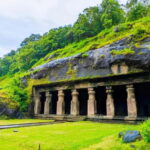
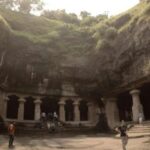
You’ll visit a Jain Temple for a photo stop and brief visit (around 15 minutes). The highlight here is the intricate carvings inside. Jain temple interiors can be visually dense, so the guide helps you know what you’re looking at instead of guessing.
Modest clothing matters more here. The tour guidance asks you to avoid sleeveless tops and short skirts. It’s worth following closely because it makes the visit smoother for you and also shows respect in a space that’s still used for worship.
If you like architecture or you’re curious about religion beyond surface level, this stop is a good use of time. You’ll get more from it if you ask one or two questions—like what the carvings represent or what makes this temple distinctive.
Marine Drive photo moments and the Queen’s Necklace vibe
There’s a stretch where the tour drives along Marine Drive, the seaside boulevard locals call the Queen’s Necklace. You’ll get glimpses rather than a long stop, but the views help connect the inland landmarks to the city’s coastline identity.
I like these photo stops because they reset your perspective. Mumbai’s iconic places aren’t only inside buildings; they also live in sightlines—from roads, from galleries, and from the sea-facing edges of the city.
If you’re traveling in bright sun, sunglasses help a lot for this part. You’ll also want your smartphone charged, because this is the segment where you’ll want usable photos without squinting.
Chhatrapati Shivaji Terminus: Gothic grandeur at railway-station scale
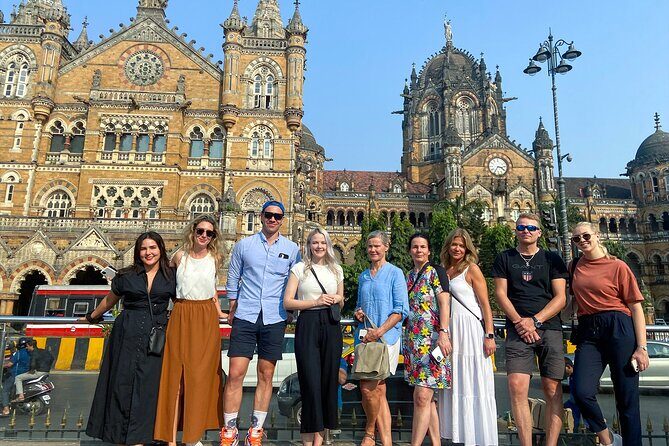
One of the biggest highlights is Chhatrapati Shivaji Terminus, famous for its stunning Gothic architecture. You’ll spend time here admiring the building, not rushing past it.
This is the kind of stop that changes how you see Mumbai’s infrastructure. A railway station is usually just transit. Here, the station is also art and history in stone and ornament—big enough to feel impressive even if you don’t usually care about architecture.
What to do: stand back for a full building look, then move closer for details. If your guide points out features, write them down mentally. Those small cues often turn a “great photo” into a “now I get it” moment.
Gateway of India: iconic, but best with context
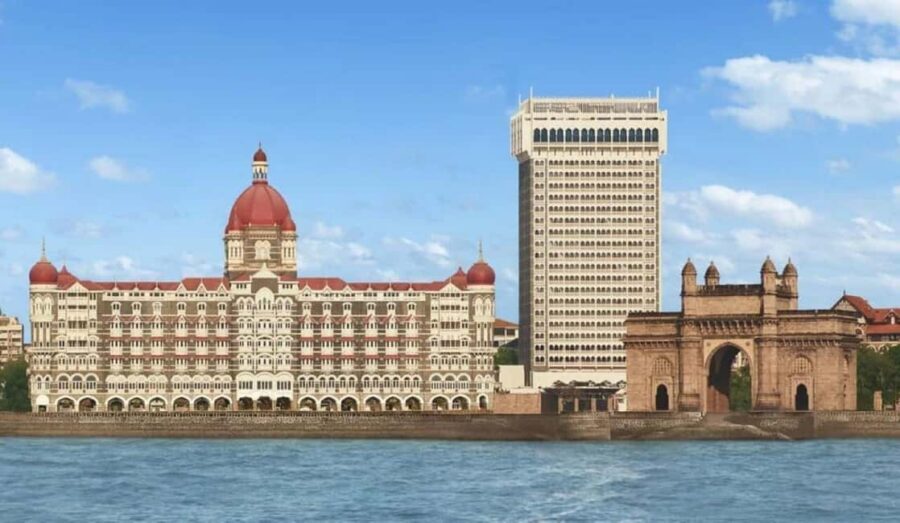
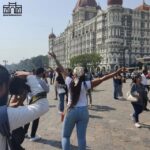
The tour includes Gateway of India for a photo stop plus visit (around 15 minutes). Gateway of India is famous, yes—but it works better when you’ve already heard how the city’s layers overlap.
After seeing the Gothic railway station and getting a sense of colonial-style and civic architecture, Gateway of India becomes more than a postcard. It feels like a hinge between eras.
Tip: if you’re short on time, this is one of the best places to grab your best wide shot. Then spend the remaining minutes looking at how people are using the space around it—because Mumbai is always more interesting when it’s alive around you.
City gallery contrasts: old colonial edges meet modern Mumbai
At one point you’ll get views from a city viewing gallery, where you can see how Mumbai rises: colonial buildings, modern skyscrapers, and everything in between. That “in-between” look is a big part of what makes Mumbai feel unlike other Indian cities.
This is also the moment in the drive where you may spot Antilia, the famously extravagant private residence. You might not spend time there, but passing it is a reminder of how uneven wealth and ambition can look when they sit next to older neighborhoods.
These contrasts are useful for first-time visitors because they explain a lot of what you’ll notice later. Mumbai isn’t one story. It’s many stories side by side.
Dhobi Ghat: finishing with the world’s largest open-air laundry
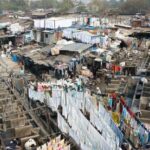
You end at Dhobi Ghat, described as the world’s largest open-air laundry. This is where the tour’s energy peaks, because you’re watching hundreds of workers wash and organize clothes by hand.
You’ll arrive at the end of the tour at Dhobi Ghat, and it’s a smart choice. By finishing here, you get the most sensory, daily-life experience after you’ve already built context through the earlier stops.
Here’s how to enjoy it without getting overwhelmed:
- Focus on the work rhythm—how clothes move through the space
- Watch how hands, buckets, and sorting areas connect
- Keep your camera ready, but also pause and just look for a minute
One more practical point: plan for heat and sun. Dhobi Ghat is an outdoor scene, and even with bottled water provided, you’ll want to drink steadily.
Walk or car: how the pacing works in real life
This is a group tour using a shared vehicle and route, with short walking segments at select stops. It’s a good format if you want efficiency. You’re not charting transit. Your guide handles the route, timing, and handoffs between stops.
The vehicle is air-conditioned, and bottled water is included. That’s not a small detail in Mumbai. A 4-hour tour can feel long if you’re roasting in the sun waiting for the next place.
Still, it’s not a “sit the whole time” tour. If you struggle with uneven surfaces or stairs, you’ll have a rough time. The tour isn’t suitable for wheelchair users or those with limited mobility, and it’s also listed as not suitable for people with motion sickness, heart problems, back problems, or pregnancy.
Price and value: $36 for a guided sampler of South Mumbai
At $36 per person for a 4-hour guided experience, you’re paying for three things: an English-speaking guide, a comfortable transport setup (including an air-conditioned vehicle), and included support like packaged water and train tickets.
That train-ticket inclusion matters more than it sounds. Even if you’re comfortable navigating on your own, Mumbai’s transit logic can take time to decode. Having tickets handled lets you spend that mental energy on the sights and the stories.
Food isn’t included, so budget for snacks or a meal before or after. The tour also includes enough site visits that you’ll likely want a proper meal afterward. Think of this as a high-information block of South Mumbai culture and landmarks.
Who this tour suits best (and who should choose something else)
This tour is best for:
- First-time visitors who want a tight 4-hour route with major highlights
- People who like architecture and religious sites, not just monuments
- Travelers who enjoy Q&A and want local perspective from an English-speaking guide
It may not suit you if:
- You have limited mobility, use a wheelchair, or get uncomfortable on uneven surfaces
- You have motion sickness, heart problems, or back issues
- You’re pregnant
If you fit the “comfortable walking, OK with crowds and sun” category, you’ll likely enjoy it a lot. The pace is designed for you to see meaningful places without spending the whole day in transit.
Practical tips that make the biggest difference
Bring:
- Comfortable shoes (non-negotiable for short walks and uneven surfaces)
- Sunglasses and a sun hat
- Comfortable clothes that also work for religious-site modesty
- A charged smartphone for photo stops
Expect:
- Photography is allowed at most places, though some religious or historical sites may restrict it
- Some stops might adjust or skip due to rain, heavy traffic, or public holidays
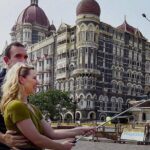
Also, if you want photos, don’t just rely on luck. In feedback, guides were willing to help with pictures, including offering assistance with smartphone photos. That’s especially useful if you’re traveling as a couple or want clean shots without awkward angles.
Should you book this Mumbai walk-and-car sightseeing tour?
I think this is a strong pick if you want an organized way to experience South Mumbai in half a day. The combination of major landmarks (like Chhatrapati Shivaji Terminus and Gateway of India) plus quieter, human-scale stops (Banganga Tank, Mani Bhavan, and the Jain Temple) is exactly the mix that helps Mumbai feel understandable.
Book it if:
- You want local context from an English-speaking guide
- You like seeing daily life, and you’re okay ending at Dhobi Ghat outdoors
- You value included logistics like train tickets and bottled water
Skip it if:
- You need step-free access or have mobility limits
- You’re sensitive to motion or heat and can’t comfortably handle short walks
If you do book, keep it simple: wear good shoes, dress modestly for religious stops, and go in ready to ask questions. That’s where this tour earns its reputation.
FAQ
How long is the Mumbai sightseeing tour?
The tour lasts 4 hours.
Where is the meeting point?
The meeting point is outside Regal Cinema in Colaba.
Is there an English-speaking guide?
Yes. The tour includes a live guide in English (and also English/Hindi support is listed).
What’s included in the price?
The tour includes an English-speaking guide, packaged water, and train tickets.
Is food included?
No, food is not included.
Does the tour involve walking?
There are short walking segments at select stops, with most movement also handled by an air-conditioned vehicle.
What should I wear for the religious sites?
Modest clothing is required. Avoid sleeveless tops and short skirts when visiting religious sites.
Is the tour suitable for wheelchair users or limited mobility?
No. It’s not suitable for wheelchair users or people with limited mobility because some locations have uneven surfaces or stairs.