Mumbai has a way of surprising you at every turn, and this tour puts Jewish landmarks into the city’s real context. You’ll spend about 7 hours moving between major synagogue sites and nearby historic stops, with a guide who explains what you’re looking at in plain, human terms. I especially like the chance to see synagogues with distinct identities rather than just ticking boxes, and I also like that the route includes both worship spaces and the surrounding Fort District vibe.
My favorite parts are the stories tied to the buildings and the way the tour links faith, community life, and the port-era city. You’ll also get a great city-orientation moment from the David Sassoon Library deck before you head back out through the streets.
One possible drawback: the schedule is full. With several stops packed into a single morning, you may wish you had more time for questions if you’re the type who wants every detail.
In This Review
- Key Highlights at a Glance
- Jewish Mumbai in One Long Morning: What You’ll See
- Pickup, Timing, and the Logistics That Matter
- Sassoon Docks: Port District Heritage You Can Actually Feel
- Entering Kenneseth Eliyahoo Synagogue’s Blue World
- David Sassoon Library Deck: Fort District Views With Purpose
- Shaar Harahamim (Gate of Mercy) Synagogue Built in 1796
- Magen David Synagogue and the Sassoon Children’s School
- Drive-By Landmarks: Victoria Terminus, Crawford Market, Dhobi Ghat
- What You Get for $135: Value That Adds Up
- Service Style and the One Thing to Watch: Pace vs. Depth
- Who This Tour Fits Best (and Who Might Want to Adjust)
- Should You Book? My Practical Verdict
- FAQ
- What time does the Jewish heritage tour of Mumbai start?
- How long is the tour?
- Is pickup and drop-off included?
- Is lunch included?
- Do I need to pay admission tickets?
- What is the dress code?
- How large is the group?
- Can I cancel for a full refund?
Key Highlights at a Glance
- Sassoon Docks and its connection to India’s fishing industry, including the big role the docks played in supplying fish to the country
- Kenneseth Eliyahoo Synagogue with striking blue interiors/exteriors and a book area connected to Jewish culture
- David Sassoon Library deck views over the Fort District of Mumbai
- Shaar Harahamim (Gate of Mercy), built in 1796, and described as Mumbai’s oldest synagogue
- Magen David Synagogue plus the Sassoon Children’s school site in the same heritage circuit
- A small group capped at 16 travelers, which makes it easier to hear the guide and ask questions
Jewish Mumbai in One Long Morning: What You’ll See
This is a heritage-focused route through Mumbai’s Jewish landmarks, built around the idea that places of worship are also community anchors. You’ll start with major sites that show how Jewish life shaped parts of the city, then you’ll widen out with quick drives past big-name landmarks so you can place the synagogues inside Mumbai’s broader story.
The big win here is how practical the experience feels. You’re not just staring at old buildings from the curb. You’re guided through what matters, what to notice, and how different sites fit together—Sassoon-era institutions, synagogue architecture, and the historic neighborhood layout that still shows up in views and street patterns.
And because this is a small group tour, you get a more conversational pace. It’s long enough to be satisfying, but not so long that you feel like you’re being rushed into photo mode the entire time.
You can also read our reviews of more historical tours in Mumbai

Pickup, Timing, and the Logistics That Matter
The tour starts at 8:30 am and runs about 7 hours, which is a great length for a city-based heritage day without turning it into an all-day marathon. You’ll get hotel pickup and drop-off, plus port pickup and drop-off, which is helpful if you’re in Mumbai as part of a cruise stop.
You also get a mobile ticket, so you’re not hunting for paperwork on the morning of the tour. And because the maximum group size is 16 travelers, the guide can usually keep the flow moving without losing people.
Dress code is formal, which is a big practical note. If you normally travel in casual outfits, plan ahead so you’re comfortable but appropriately dressed when you reach the synagogue sites.
Sassoon Docks: Port District Heritage You Can Actually Feel
The tour opens at Sassoon Docks, described as a fishing boat village and dock where 40% of India’s fish are caught. That fact alone gives you a powerful frame: this wasn’t a quiet backwater. It was working waterfront energy, tied to trade, labor, and daily supply chains.
What I like about starting here is that it grounds the rest of the morning. Once you understand the port district context, the Jewish institutional sites make more sense as part of a living neighborhood ecosystem—people arrived, worked, traded, lived nearby, and built community structures that reflected both faith and city life.
You’ll get time to look around and absorb the docks’ role without making it feel like you’re touring a factory. The takeaway is big-picture: Mumbai’s Jewish story here is connected to where people moved, worked, and gathered.
Entering Kenneseth Eliyahoo Synagogue’s Blue World
Next up is Kenneseth Eliyahoo Synagogue, known for incredible blue interior and exterior. It’s the kind of site where color isn’t just decoration—it becomes part of how you remember the place.
You’ll also notice there are books for sale connected to Jewish culture. That matters because it turns the synagogue visit from purely observational into something interactive. If you want to leave with a better understanding of what you saw, this is one of the more direct chances to do it on-site.
One practical thing to keep in mind: synagogue time is different from museum time. Expect quiet attention, a more respectful tone, and fewer opportunities to wander freely without the guide’s direction. If you like architecture and iconography, this stop is one of the most rewarding.
David Sassoon Library Deck: Fort District Views With Purpose
After Kenneseth Eliyahoo, the tour heads to the David Sassoon Library. You’ll visit the deck for a view over the Fort District of Mumbai—exactly the sort of moment that helps you connect the streets you walked earlier with the skyline and neighborhood layout.
This is where you start to feel how Mumbai works as a patchwork of histories. Even if you haven’t studied the city before, a good viewpoint makes the route click. You can place the synagogue area within a wider urban frame, and you get a break from the indoor pacing.
If you’re someone who likes photos, this deck is one of your best chances to step back, reset your eyes, and capture the city in context rather than just close-ups of buildings.



Shaar Harahamim (Gate of Mercy) Synagogue Built in 1796
The tour then visits Shaar Harahamim, also known as the Gate of Mercy Synagogue. It’s built in 1796 and is described as Mumbai’s oldest synagogue. That one line matters because it immediately changes how you look at the site.
When a synagogue is that old, you’re not only looking at architecture—you’re looking at continuity. You’re seeing evidence of how community institutions survived through changing eras, even as the surrounding city kept evolving.
I also appreciate that this stop isn’t presented as a standalone monument. It’s part of a route where each site adds another layer: different buildings, different community emphasis, and different ways Jewish identity showed up in Mumbai’s public life.
Magen David Synagogue and the Sassoon Children’s School
Later, you’ll visit Magen David Synagogue and the Sassoon Children’s school as part of the same heritage circuit. This pairing is smart because it reminds you that community life isn’t only about worship. It’s also about education, youth, and the next generation.
Even if you’re most interested in religious architecture, I think this stop broadens the experience in a useful way. The synagogue tells one story; the school site hints at daily life and long-term community priorities.
This is also the point where you’ll likely feel the pace. With several stops still ahead and a formal dress code in effect, plan to keep your energy steady and listen closely to what the guide points out. If you want more detail at any moment, this is a good time to ask.
Drive-By Landmarks: Victoria Terminus, Crawford Market, Dhobi Ghat
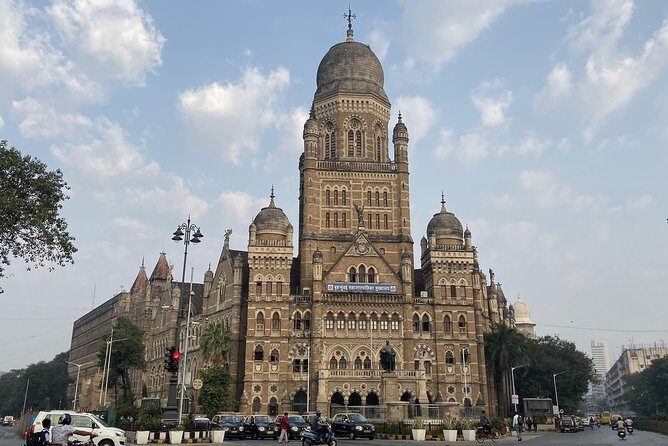
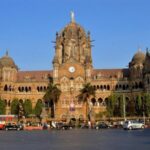
Between the heritage stops, you’ll also drive past other major Mumbai landmarks, including Victoria Terminus and Crawford Market, plus Dhobi Ghat. Even though these are drive-by moments rather than full walking stops, they’re valuable for orientation.
Why? Because Mumbai’s identity shows up through contrasts. You’ll see the grand scenic architectural beauty at Victoria Terminus, then the market energy around Crawford Market, and then the distinctive open-air working life associated with Dhobi Ghat. Those visual anchors help you understand what the synagogue neighborhoods sat within.
If you’re doing this as your first major city sightseeing block, the drive-by section helps you map the city faster. You’ll leave with mental landmarks that make later independent exploring easier.
What You Get for $135: Value That Adds Up
At $135 per person, the key value isn’t just that you’re seeing synagogues. It’s what’s bundled in: professional guidance, pickup and drop-off, and the tour taxes/fees/handling charges. The listing also states admission is free, so you’re not hit with extra site entry costs on top.
The only clear extra cost mentioned is lunch, which isn’t included. That’s not unusual for this kind of guided morning, but it’s something you should plan for—especially since the tour covers many stops and you’ll likely want fuel that fits your schedule.
Also note that the group max is 16, which usually makes the experience feel more personal than bigger bus tours. For this price point, that small-group feel is part of the value equation.
Service Style and the One Thing to Watch: Pace vs. Depth
The tone of the guide seems to be one of the tour’s strengths: explanations are clear and easy to follow. I’d treat that as a plus, especially if you’re not coming with much background on Mumbai’s Jewish heritage.
That said, one constructive note is that the guide could offer even more detail. So if you’re the type who loves extended context—names, timelines, and deeper stories—don’t be shy about asking questions during each stop. The structure is built to let you do that, as long as you’re polite and keep the pace in mind.
In other words: this tour is a great foundation. If you want to go further, you’ll probably enjoy following up with extra reading after.
Who This Tour Fits Best (and Who Might Want to Adjust)
This experience fits you well if:
- You want a guided introduction to Jewish heritage sites in Mumbai with real city context
- You enjoy architecture and community institutions, not just one-off landmarks
- You like small-group tours where you can actually hear the guide
- You’re okay with formal dress code and respectful synagogue etiquette
You might want to think twice if:
- You’re expecting lots of free time to wander independently between stops
- You require a very long, detailed lecture for every site
- You strongly prefer casual dress and would rather not plan formal outfits
It’s a morning that works best when you show up ready to look closely and ask a few questions.
Should You Book? My Practical Verdict
If you want a guided, time-efficient way to connect Mumbai’s Jewish landmarks to the city around them, I’d book this. The mix of Sassoon Docks, major synagogue visits like Shaar Harahamim and Kenneseth Eliyahoo, and the David Sassoon Library viewpoint gives you both meaning and momentum. And the inclusion of pickup/drop-off plus a 16-person maximum helps keep it comfortable.
My only caution is the schedule density. With a 7-hour run and multiple stops, bring patience, keep your questions ready, and plan for lunch on your own afterward. If you do that, you’ll finish with a better sense of how Jewish community life shaped parts of Mumbai—and a few strong images and stories you can carry into the rest of your trip.
FAQ
What time does the Jewish heritage tour of Mumbai start?
The tour starts at 8:30 am.
How long is the tour?
It lasts about 7 hours (approx.).
Is pickup and drop-off included?
Yes. The tour includes hotel pickup and drop-off, and also port pickup and drop-off.
Is lunch included?
No. Lunch is not included.
Do I need to pay admission tickets?
The tour info says admission ticket free, so there is no admission charge listed.
What is the dress code?
The dress code is formal.
How large is the group?
The tour has a maximum of 16 travelers.
Can I cancel for a full refund?
Yes. You can cancel up to 24 hours in advance for a full refund.