
REVIEW · MUMBAI
Vegetarian Indian Cuisine Virtual Cooking Class Experience from Mumbai
Book on Viator →Operated by Mystical Mumbai · Bookable on Viator
Cooking from Mumbai feels surprisingly close. It’s interesting because you cook in real time with a Mumbai home-chef on Skype, not from a glossy studio. I love the step-by-step structure and the ingredient planning they share ahead of time, and you can ask questions as you go. The one drawback to keep in mind is that it’s a home setting, so the video won’t have professional production values.
You’ll be making vegetarian Indian dishes at home with recipes provided to help you follow along. Kajal, who learned from traditional family teaching, is especially known for her mattar paneer (cottage cheese with peas), and that dish makes a great centerpiece for learning the flavors and technique.
It also helps that this stays small—up to 6 people—so your questions don’t get lost. And if you’ve got allergies, you can flag them before the session so the chef can guide you on ingredient choices.
In This Review
- Key takeaways before you book
- Vegetarian Indian cooking with Kajal: what makes this class feel real
- Price and value: what $20 buys you (and what it doesn’t)
- Your exact session flow: how the 90 minutes tend to work
- Kajal’s kitchen in Mumbai: learning from a traditional family chef
- The dish focus: why mattar paneer is a smart choice
- What you’ll get in advance: ingredient list, recipes, and planning
- Live Q&A: how to get the most out of Skype cooking
- “Pickup offered” and mobile tickets: don’t let logistics confuse you
- Internet connection matters more than you think
- Cultural context without the lecture: what you learn besides the recipe
- Practical tips to replicate at home after the class
- Who should book this virtual cooking class (and who should skip it)
- Should you book this vegetarian Indian cuisine virtual class?
- FAQ
- Is this class vegetarian Indian cooking?
- How long is the virtual cooking class?
- Do I cook while the class is happening?
- How do I join the class?
- What recipes do I get?
- What dish is highlighted in the class?
- What if I can’t find an ingredient?
- Are allergies accommodated?
- What do I need to make the class work smoothly?
- Is cancellation free?
Key takeaways before you book

- Live Skype cooking with real Q&A so you can troubleshoot while the food is on the stove
- Ingredient list before class to help you source what you need (or tell them what’s hard to find)
- Kajal’s family-style teaching built from recipes she learned from her mom and sister
- Mattar paneer as a learning anchor—comfort food that teaches the core gravy skills
- Small group size (max 6) for more focused attention
- Home-kitchen cultural context—you’re not just cooking, you’re learning the story behind it
Vegetarian Indian cooking with Kajal: what makes this class feel real

A lot of online cooking classes are one-way videos. This one is different. You’re on Skype during the actual cooking, so you’re reacting to what your chef is doing and asking questions in the moment.
I also like that it’s not trying to be fancy. It’s a family kitchen lesson with a local rhythm, and Kajal teaches the way she was taught. That’s why it feels approachable even if Indian cooking is new to you.
This class is positioned as vegetarian Indian cuisine, with mattar paneer called out as Kajal’s favorite dish. If you’ve been curious about Indian vegetarian cooking, this is a practical place to start because the dish revolves around sauce-building and balancing.
You can also read our reviews of more cooking classes in Mumbai

Price and value: what $20 buys you (and what it doesn’t)
At $20 per person for about 1 hour 30 minutes, the value is in the live instruction. You’re paying for real-time coaching, recipes, and Q&A, not just entertainment.
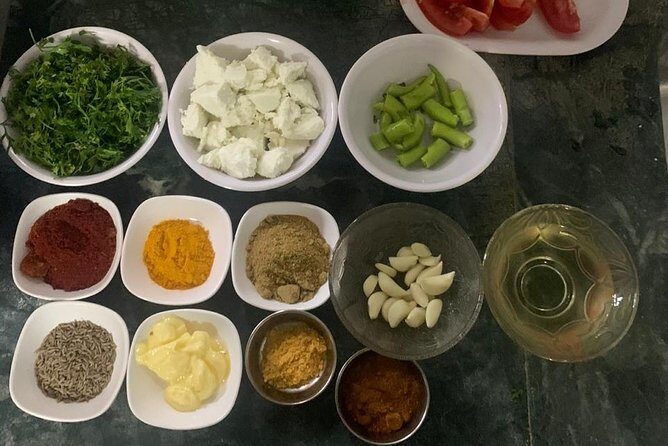
The other value piece is support before you cook. You get online recipes to follow, and there’s also an ingredient list and instructions shared right after booking so you can check availability at local stores. That reduces the common online-class headache: starting with the wrong ingredients and being stuck halfway through.
What it doesn’t include is “professional studio” production. The experience provider flags that videography won’t be like a TV shoot. If you’re the type who needs perfect close-ups to feel confident, you might find the home-camera view a little limiting.
Your exact session flow: how the 90 minutes tend to work
You’ll join a real-time session on Skype and cook along. The format is hands-on, with you doing the steps while Kajal walks you through what’s happening and why.
A key part is the ability to ask questions as you cook. That means if your onions aren’t browning fast enough, your gravy looks too thick, or a spice blend feels unfamiliar, you can respond in real time rather than waiting for the video’s next step.
You should also expect some culture talk. The class is designed to be as much about stories around food and local culture as it is about the meal itself. That’s one of the reasons these sessions can feel more memorable than a standard recipe-only download.
Finally, the class times are listed in Indian Standard Time. You’ll want to double-check the time difference before you block the schedule, especially if you live outside India.
Kajal’s kitchen in Mumbai: learning from a traditional family chef
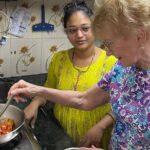
Kajal is based in Mumbai and learned these recipes from her mom and her older sister. That matters because traditional instruction usually focuses on fundamentals: how to temper spices, how to build a gravy base, and what “right” texture looks like.
You’ll also get a sense of home life during the session. The experience runs from a small home kitchen, and it’s offered from a real Mumbai setting, including the note that it’s in a large slum area. The goal here is respectful cultural sharing, not shock value, and the teaching tone is very “family-to-family.”
In one of the experiences’ highlights, Kajal’s partner Shailesh is mentioned as holding the camera. That small detail helps explain the visuals you’ll see: it’s stable enough to follow, but it isn’t a cinematic setup.
The dish focus: why mattar paneer is a smart choice
Mattar paneer is one of India’s most popular dishes, and it’s Kajal’s favorite. From a learning standpoint, it’s a great centerpiece because it teaches you how to turn spices and aromatics into a creamy, flavorful gravy.
Paneer (cottage cheese) has its own needs, especially around timing. If you rush it or overcook it, the texture can change. If you treat it gently and add it at the right point, you get that soft, satisfying bite people love.
Peas also add a different flavor dimension and texture. They help the dish feel balanced rather than one-note. Even if you’ve never cooked with paneer before, this dish gives you clear steps to follow and a result that tastes like a real meal.
You can also read our reviews of more tours and experiences in Mumbai






What you’ll get in advance: ingredient list, recipes, and planning
One of the most practical parts is that you receive the ingredient list and instructions ahead of time. That gives you a chance to check your local stores early rather than scrambling during the class.
If you can’t find something, you can share that with the chef so they can advise you on what to do. The key is communication: if you’re unsure, don’t guess blindly. Ask what substitutions they recommend, especially for spices or key ingredients.
You also get online recipes provided to follow along. That’s important because live classes move faster than you think. The recipes help you keep track of quantities and steps when you’re also focused on watching the Skype video.
Live Q&A: how to get the most out of Skype cooking
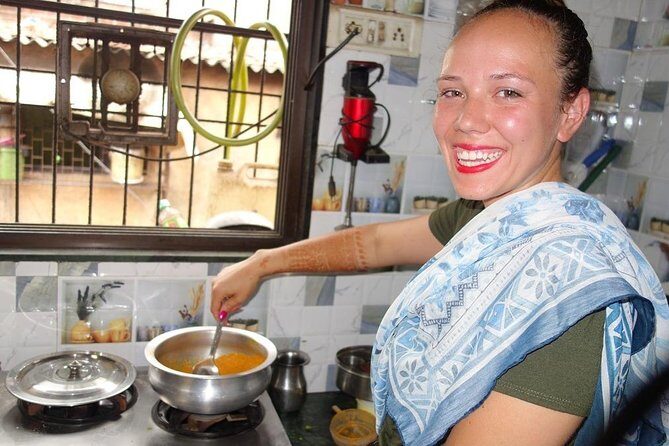
This class is built around asking questions in real time. So treat it like a conversation, not a performance.
Before you start cooking, get your tools ready: a cutting board, your pan/pot, spoons, and anything you need to measure. If you fumble for equipment mid-recipe, you lose time and it becomes harder for the chef to guide you.
During cooking, ask targeted questions. Instead of only saying it tastes off, describe what you’re seeing: color, thickness, simmer level, or whether something feels undercooked. The more you can translate your issue into observable cooking details, the easier it is for Kajal to respond.
Also, keep allergies in mind. If you’re allergic to any ingredient, you should share that with the chef. That’s not just polite—it’s part of making the session safe and workable for you.
“Pickup offered” and mobile tickets: don’t let logistics confuse you
The features list includes pickup offered and a mobile ticket. Since the experience is virtual and happens on Skype, pickup likely doesn’t mean someone will meet you at a physical location for cooking. In practice, you’ll be joining from home with your device and internet connection.
The mobile ticket piece is still useful. It’s a reminder that you should keep your booking details accessible during the session in case the provider needs to verify your participation.
If you’re unclear about what pickup refers to in a virtual context, the smart move is to ask the provider directly before the class. Better a quick question than a stressful surprise on class day.
Internet connection matters more than you think
The experience explicitly asks you to ensure your internet connection is working properly. For a live class, that’s not a “nice to have”—it affects audio clarity and whether you can see instructions and ask questions.
If your Wi-Fi is sometimes unstable, test it. If you can, use a stable connection close to your router or plug into Ethernet. Even a small lag can make it harder to follow timing steps.
If the video or audio cuts in and out, don’t panic. Have the recipe open and keep moving slowly. You can often catch up during Q&A once the connection stabilizes.
Cultural context without the lecture: what you learn besides the recipe
One of the reasons I think this class is worth it is the balance. You get stories around food and local culture, not just a hard recipe readout.
That cultural layer can help you cook better. When you understand where techniques come from—family habits, regional preferences, and how certain flavors are taught—you’re more likely to replicate the result successfully next time.
You’ll also “meet the family” in a gentle way. Even if you only see a small part of the home kitchen, the vibe is human. It feels less like you’re consuming content and more like you’re being invited into a learning moment.
Practical tips to replicate at home after the class
After a live session, your goal is to leave with both a dish and a method. That’s where the recipes you receive matter.
Write down what works while it’s fresh. If Kajal suggests a spice adjustment or a texture check, jot it down in your notes app. That way you’re not relying on memory after the steam clears.
For mattar paneer specifically, focus on gravy consistency. Indian gravies often depend on simmer time and how ingredients break down. If your gravy is too thick, you’ll usually adjust with a splash of water or stock. If it’s too thin, you typically simmer a bit longer until it thickens.
Finally, keep your spice organization simple. Most people don’t need a huge collection right away. But you do need the right spices and the confidence to use them without overthinking. A class like this builds that confidence.
Who should book this virtual cooking class (and who should skip it)
This is a strong match if you want vegetarian Indian cooking taught live and you like learning by doing. If you’re curious about Mumbai-style flavors and you want to try mattar paneer, this is a practical entry point.
It’s also a good fit if you value small group attention. With a maximum of 6 travelers, you’re more likely to get your questions addressed than in a large online crowd.
If you’re expecting a sleek studio experience with close-up cinematography, reconsider. The provider is upfront that videography isn’t professional-level. It’s still workable, but it isn’t built for perfectionist camera standards.
Also, if your internet is unreliable, you might find the live interaction frustrating. Cooking by recipe alone is possible, but this experience’s biggest strength is the real-time conversation.
Should you book this vegetarian Indian cuisine virtual class?
Yes, I’d book it if your priority is learning vegetarian Indian dishes with a real chef who answers questions while you cook. At $20 for about 1 hour 30 minutes, the value comes from the live coaching, the recipes, and the ingredient prep support you get after booking.
Skip it if you’re only looking for a take-it-or-leave-it recipe download, or if you need professional video production to feel comfortable. The home-kitchen format is part of the charm, and it won’t feel like a polished production.
If you want a Mumbai taste you can recreate, this class gives you a dish (mattar paneer) and the core gravy skills behind it. And when you can ask questions in real time, you’ll cook with more confidence the first night you try.
FAQ
Is this class vegetarian Indian cooking?
Yes. It’s a vegetarian Indian cuisine virtual cooking class, with dishes taught from a Mumbai home kitchen.
How long is the virtual cooking class?
The duration is about 1 hour 30 minutes.
Do I cook while the class is happening?
Yes. It’s described as a hands-on experience where you follow each step in real time while cooking.
How do I join the class?
It’s a live session on Skype.
What recipes do I get?
Online recipes are provided to help you follow along during the class.
What dish is highlighted in the class?
Mattar paneer (cottage cheese gravy with peas) is highlighted as a favorite and one of India’s popular dishes.
What if I can’t find an ingredient?
You’ll receive an ingredient list and instructions before class. You can share with the chef what you can’t find so they can guide you.
Are allergies accommodated?
You should share any allergies with the chef so they can advise you on ingredients.
What do I need to make the class work smoothly?
You should ensure your internet connection is working properly, since the class is virtual and live.
Is cancellation free?
Yes, free cancellation is offered up to 24 hours in advance for a full refund.