REVIEW · MUMBAI
Dharavi Tour & Pottery Workshop
Book on Viator →Operated by Reality Tours & Travel Pvt Ltd · Bookable on Viator
Walking Dharavi changes how you see Mumbai. This 3-hour walking tour connects you with the everyday businesses that keep the neighborhood running, from recycling and soap to pottery-making. You also get street art in the residential lanes, plus a short stop to see how funds are put back into the community.
I especially like two parts: the focus on practical work—things people actually do every day—and the way the walk makes Dharavi feel like a living neighborhood, not a headline. The second big plus is how the tour keeps you moving with water and a local English guide, so you can ask questions instead of just trying to figure things out on your own.
One drawback to keep in mind: this is a walking tour and the meeting point is a train station, so you’ll want to plan your arrival carefully and wear shoes you can handle for a few hours of city walking.
In This Review
- Key Things I’d Prioritize Before You Go
- Why Mahim Junction Matters for Getting Started
- The Pace, Group Size, and Comfort Details You’ll Actually Feel
- Stop 1 in Dharavi: Working Spots, Pottery, and Everyday India
- The workshop side: recycling, soap, embroidery, and pottery
- The street art and the residential side
- A fair caution: expect real city conditions
- What the Guide Adds: Turning Sights into Meaning
- Stop 2: Reality Tours and Travel (Dharavi) and the Community Funding Idea
- Price and Value: Is $29.09 Worth It?
- Logistics That Can Make or Break Your Experience
- Who Should Book This Dharavi Walk (and Who Should Skip It)
- Should You Book the Dharavi Tour & Pottery Workshop?
- FAQ
- FAQ
- How long is the Dharavi Tour & Pottery Workshop?
- Where do I meet, and where does the tour end?
- What’s included in the price?
- Is hotel pickup or drop-off included?
- How large is the group?
- Do I need to bring anything for the walk?
- What is the cancellation policy?
Key Things I’d Prioritize Before You Go
- Meeting at Mahim Junction: easy for transit, and you’ll finish right back where you started.
- A guide-led walk through working businesses: recycling, pottery-making, soap, and more.
- You’ll see homes and street art: not just workshops, but the residential side too.
- Small group size: capped at 25 people, which helps questions and pace.
- Included water/cold drink: it’s thoughtful in a place where you want to stay hydrated.
Why Mahim Junction Matters for Getting Started
Mahim Junction Railway Station is a smart choice because it’s the kind of hub you can realistically reach without a private driver. The tour starts and ends there, which means you’re not stuck at the far edge of the city after the walk. For me, that setup is part of the value: you spend less mental energy on logistics and more on the experience.
Another practical win is timing. The tour runs about 3 hours, so it’s long enough to see multiple working spots in Dharavi, but short enough that you’re not committing your whole day. It’s the sort of activity that fits well when you want one Mumbai-focused morning or afternoon that isn’t just monuments and traffic.
You can also read our reviews of more tours and experiences in Mumbai

The Pace, Group Size, and Comfort Details You’ll Actually Feel
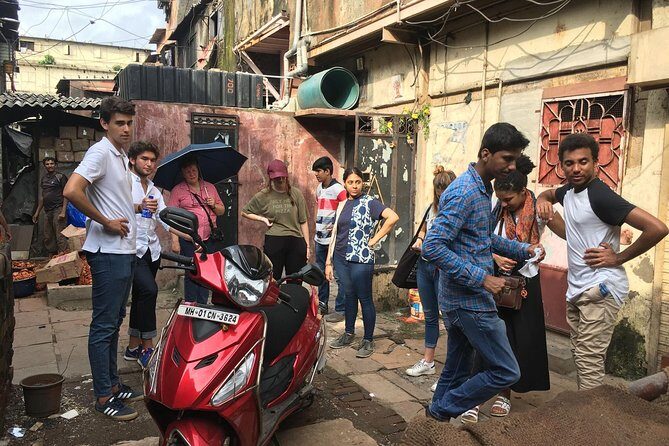
This tour is group-based (maximum 25 people) and built around walking. That has two results. First, the group stays manageable, so the guide can explain what you’re seeing and keep you together. Second, you’ll be on your feet—so comfortable shoes are not optional advice, it’s the difference between enjoying the lanes and rushing your way through them.
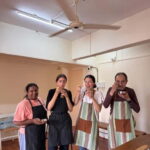
Hydration is handled for you. You’ll receive bottled water while walking, and there’s also a cold drink at the second stop. Those inclusions matter in Mumbai because your best time for photos or conversations is when you’re not feeling overheated or drained.
One more “small but important” detail: you’re meeting at a railway station and navigating in a dense area. That’s why the local English-speaking guide is central. You’re not just walking through a topic—you’re walking with someone who can interpret what you’re seeing as you go.
Stop 1 in Dharavi: Working Spots, Pottery, and Everyday India
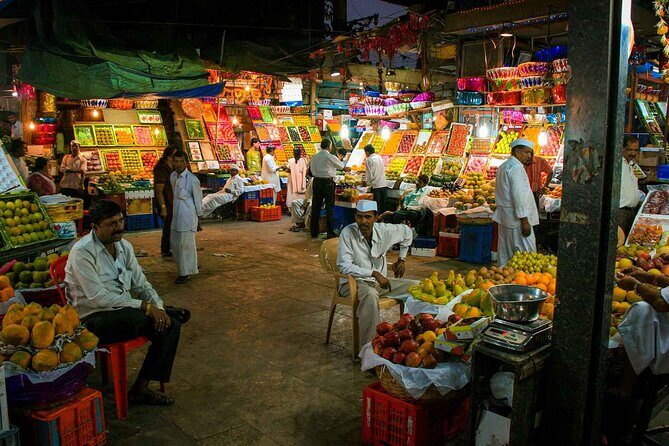
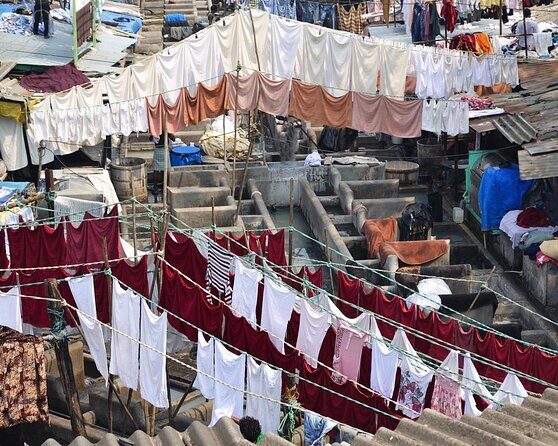
Dharavi is often described as one of Asia’s largest slums, but what makes the experience different is that you’re not treated like you’re looking at a problem. You’re guided through the neighborhood’s business energy—the places where ordinary people earn a living under tough conditions. The tour frames Dharavi as Mumbai’s beating heart, and you can feel that in the way the businesses operate day to day.
The workshop side: recycling, soap, embroidery, and pottery
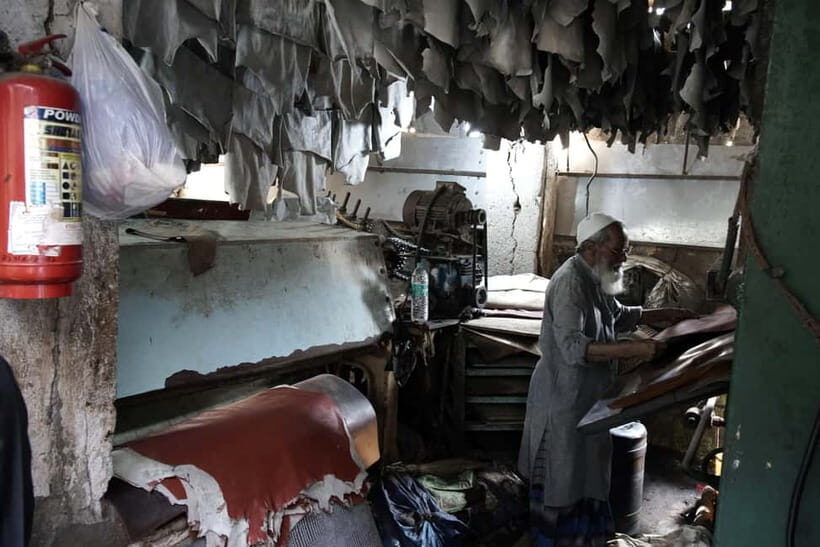
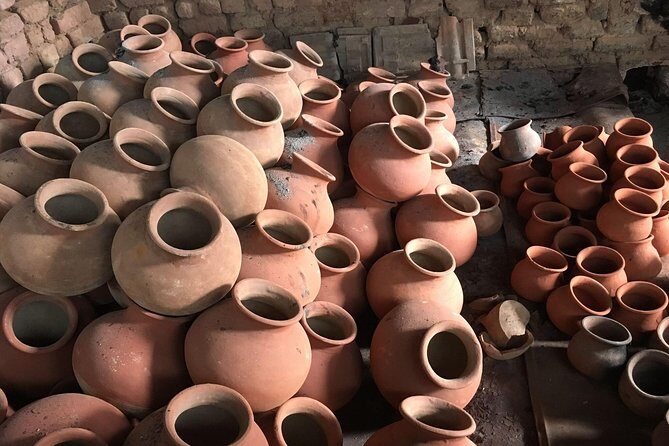
You’ll move past and into a range of activities. The tour highlights include recycling, pottery-making, embroidery, bakery, soap factory work, leather tanning, and poppadom-making. Not every stop will look like a showroom, because many of these places are working spaces. That’s also why a guide helps: you’ll understand what you’re seeing without needing background research on the spot.
If you care about how cities actually function, this part is the payoff. These aren’t distant factories. They’re tightly packed operations where people handle materials, production, and packaging within the limits of their environment. You’re watching systems—how raw materials become products, how work passes from one step to the next, and how the neighborhood supports itself.
The street art and the residential side
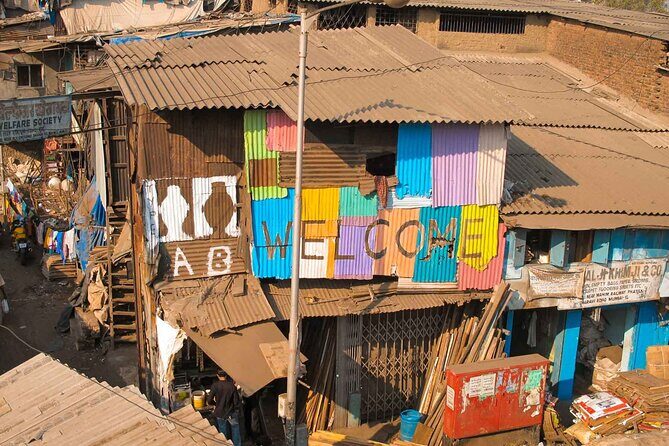
You also get residential areas, which is where Dharavi turns from “industry” to “community.” The tour includes a look at street art in the area, and it notes the neighborhood’s mix of people coming from across India. That diversity shows up in what stands side by side—murals, temples, mosques, churches, and pagodas.
This is one of the most meaningful parts because it’s easy to reduce Dharavi to one label. Here, the walk gives you another lens: everyday life shaped by different faiths, languages, and traditions. When you see those places close together, it helps you understand how a neighborhood can be both dense and deeply personal.





A fair caution: expect real city conditions
This is not a staged museum path. You may encounter crowded lanes and busy activity because you’re moving through places that locals use for work and life. If you need quiet, controlled environments, adjust your expectations. Also, keep your pace respectful; you’re moving through someone’s workspace.
What the Guide Adds: Turning Sights into Meaning
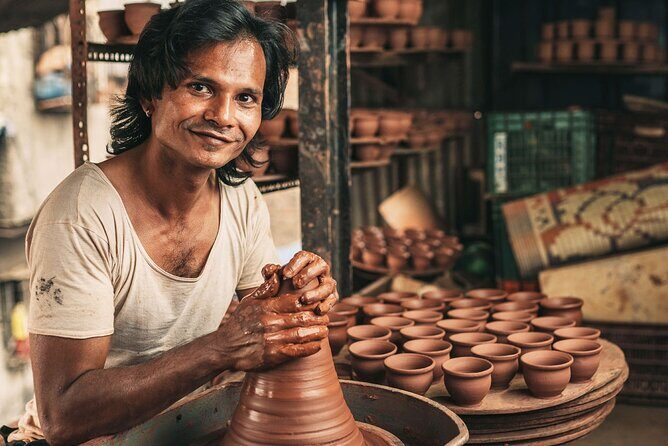
The tour’s structure gives you a simple rhythm: walk, stop, learn, ask. The experience includes a local English-speaking guide, and the tone you’re aiming for is curiosity. One of the strongest points here is that people value the guide’s ability to answer questions clearly. That matters because without explanations, you can see things and still miss why they matter.
A good guide also helps you notice details that you might otherwise ignore. In Dharavi, the “details” are often the subtle signs of production—how things are handled, reused, or organized. With a guide, those details connect into a bigger picture: constraints become methods, and community systems evolve out of necessity.
Stop 2: Reality Tours and Travel (Dharavi) and the Community Funding Idea
After the walk through Dharavi, you’ll reach a second stop at Reality Tours and Travel (Dharavi). This part is shorter—about 20 minutes. You can enjoy a soft drink and learn how funds are reinvested back into the community.
This stop is worth paying attention to, even if it’s brief. It answers a question many people have when they visit places like this: where does tourism money go? You don’t get a long business lecture here, but you do get the basic story that funds are meant to cycle back into local support. For me, that transparency is key to making the whole experience feel less extractive.
It also helps you connect the dots between what you saw in the workshops and what the tour is trying to do overall. You’re not just passing through; there’s a stated intention to support the neighborhood.
Price and Value: Is $29.09 Worth It?
At about $29.09 per person for a roughly 3-hour guided walking experience, the price is low enough that you don’t feel trapped by cost. But the real question is value: what’s included, and what does it replace?
What you get includes:
- a local English-speaking guide
- water during the walk
- a cold drink at the second stop
What you don’t get:
- hotel/residence pickup and drop-off
That last point affects your value calculation. If you’re staying far from the railway network, you’ll likely spend some time getting to Mahim Junction and back. Still, the tour’s “start and end at the same station” setup helps keep that cost predictable.
So where does the money go? In a tour like this, most of the value comes from safe access and interpretation. You’re paying for a guided route that lets you spend time in working areas without having to figure out the logistics solo. You’re also paying for context so your experience is more than walking through a dense part of the city.
Booked about 9 days in advance on average, this is not a last-minute impulse buy. If you want the best chance of a spot, plan a week or so ahead.
Logistics That Can Make or Break Your Experience
Here are the practical points that tend to matter most on the ground:
- Wear comfortable shoes. It’s a walking tour. No shortcuts here.
- Meet at Mahim Junction Railway Station. That’s your anchor for the whole tour.
- Plan your transport to the station. There’s no hotel pickup, so you’ll use local transport.
- Bring patience. Dharavi is a real neighborhood with active work happening.
The tour is near public transportation, so you’re not relying on taxis alone. And since it ends back at Mahim Junction, your exit plan is easy—your guide can help you with transport options after the tour, such as a taxi, to wherever you need to go next.
Who Should Book This Dharavi Walk (and Who Should Skip It)
This experience is a strong fit if you:
- want to see how everyday industries work in a dense city neighborhood
- enjoy city walking with a guide who explains what you’re seeing
- are interested in street art and residential life, not only workshops
- like small-group tours (up to 25 people) that feel manageable
It may be less ideal if you:
- can’t do sustained walking in an active urban area
- expect a sightseeing itinerary built around monuments and viewpoints
- need a slow, quiet pace with minimal crowding
If your goal is to understand Mumbai through ordinary work and community spaces, this tour matches that goal well.
Should You Book the Dharavi Tour & Pottery Workshop?
For most visitors who want something real and focused, I’d recommend booking. The best part isn’t just the name pottery-making—it’s the combination of working businesses, residential areas, and street art in one guided loop. The inclusions (water and a local English-speaking guide) help you make the most of a 3-hour format without getting stuck on logistics.
My final advice: book it if you’re curious about how neighborhoods function beyond tourist maps. Skip it if you want a relaxed, low-footwork afternoon or if you’re only interested in famous landmarks.
FAQ
FAQ
How long is the Dharavi Tour & Pottery Workshop?
The tour lasts about 3 hours.
Where do I meet, and where does the tour end?
You meet and end at Mahim Junction Railway Station in Mumbai.
What’s included in the price?
It includes a local English-speaking guide and water/cold drink.
Is hotel pickup or drop-off included?
No, hotel/residence pickup and drop-off are not included.
How large is the group?
The tour has a maximum of 25 travelers.
Do I need to bring anything for the walk?
Wear comfortable shoes. Bottled water (and a cold drink at the second stop) are provided.
What is the cancellation policy?
You can cancel for a full refund up to 24 hours before the experience’s start time. If you cancel less than 24 hours before, the amount paid is not refunded.