REVIEW · MUMBAI
The Mumbai by Dawn Early Morning Tour
Book on Viator →Operated by Mumbai Dream Tours · Bookable on Viator
Mumbai wakes up fast. This dawn tour strings together working parts of the city before most people even check their phones, with sights you usually only hear about. Hotel pickup saves time and gets you out the door without playing guessing games with Mumbai traffic.
I also like the way the experience is guided. An English-speaking guide helps you make sense of what you’re seeing at each stop, from the fish grading to the nonstop routine at Dhobi Ghat. You’re not just looking at scenes; you’re getting the story behind them.
One thing to consider: this is a true early start, and Dhobi Ghat is an active workplace. Expect strong smells and an up-close look at labor—bring a patient attitude and closed-toe shoes.
In This Review
- Key things I’d mark on your mental map
- Why this “by dawn” format works in Mumbai
- Chhatrapati Shivaji Terminus: architecture plus real station energy
- Sassoon Dock: Koli fisherfolk and a fish auction you can’t fake
- BB Dadar Market: early color, fragrance, and everyday choices
- Dhobi Ghat: the daily wash pens at full scale
- The 3-hour rhythm: efficient stops, not a frantic sprint
- Price and value: $199.30 per group up to 4
- What to pack and how to prepare for these working sites
- Who this tour suits best (and who might want to skip it)
- Should you book The Mumbai by Dawn Early Morning Tour?
- FAQ
- How long is The Mumbai by Dawn Early Morning Tour?
- What does the tour cost?
- Is hotel pickup and drop-off included?
- Is there an English-speaking guide?
- Will I get coffee or tea and water?
- Is this tour private?
- Do I need to buy admission tickets for the stops?
- Is there pickup offered?
- What main stops are included?
- Is free cancellation available?
Key things I’d mark on your mental map
- CST (Chhatrapati Shivaji Terminus) at peak character time: dramatic architecture plus real passenger volume.
- Sassoon Dock fish reality: you’ll see arrival and grading of 50 tonnes of fish.
- A one-of-a-kind auction moment: including Bombay Duck, not the sort of thing you stumble into on your own.
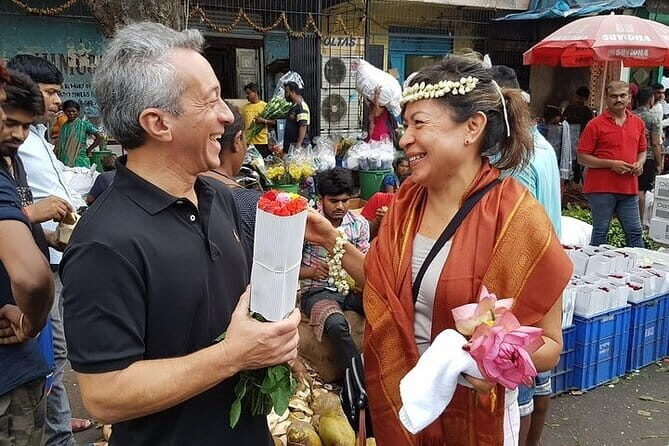
- BB Dadar market senses: early-morning color and fragrance when stalls are just getting going.
- Dhobi Ghat’s scale: thousands of washermen and huge daily wash volume you can’t ignore.
- Private group feel: only your group goes, so the pace stays manageable.
Why this “by dawn” format works in Mumbai
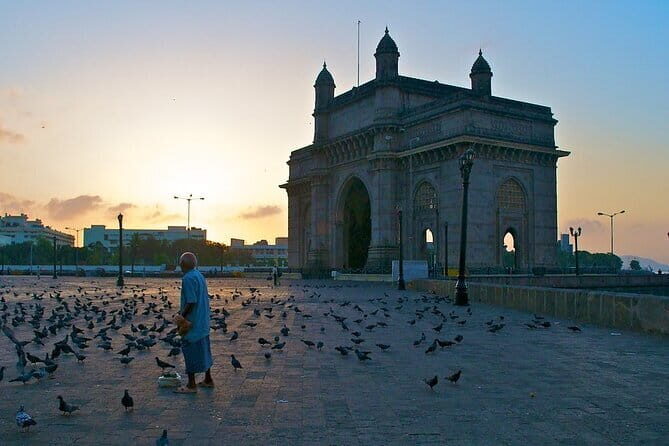
The trick with Mumbai is timing. If you hit the city later, you’ll see the glossy version: people shopping, traffic chewing up time, and workers finished for the day. On this tour, you’re there early enough to witness the city doing its job.
You’ll move through four focused stops in about 3 hours, with hotel pickup and drop-off and time set aside to actually look. That matters, because Mumbai’s “interesting” isn’t spread evenly. The best moments are clustered at specific places and specific hours—this tour builds around that.
Also, the private-group setup (just your group) makes a difference. You’re not fighting for sightlines or trying to hear over a crowd. Your guide can slow down when a detail matters, like how the auction works or why Dhobi Ghat runs on schedule.
You can also read our reviews of more tours and experiences in Mumbai


Chhatrapati Shivaji Terminus: architecture plus real station energy
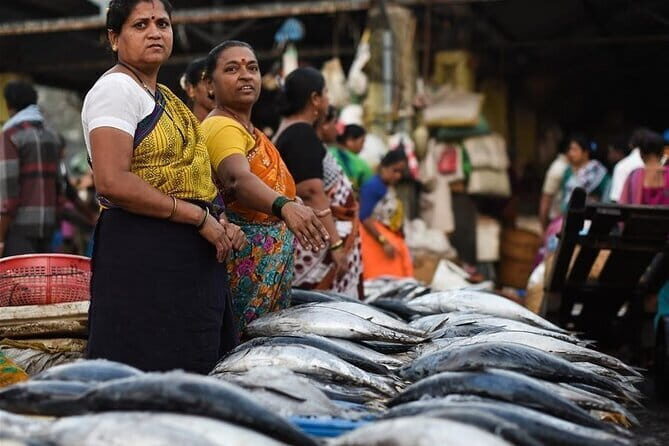
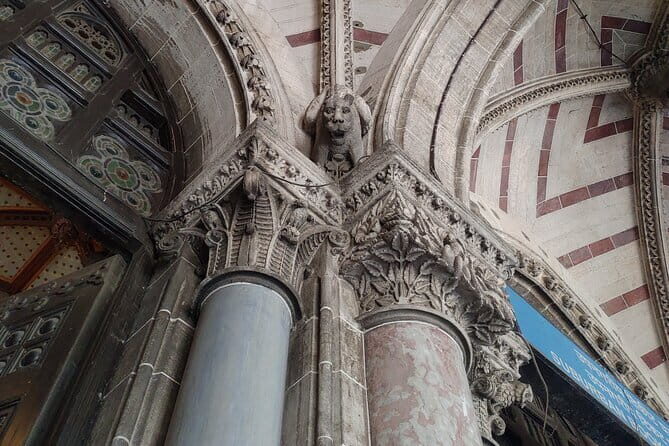
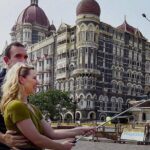
Your first stop is Chhatrapati Shivaji Terminus, formerly known as Victoria Terminus Railway Station, now usually shortened to CST. This is a railway landmark, the kind that makes you look twice even if trains are not your thing.
The station is also busy in a big way—about 660,000 footfalls daily. That means you don’t get a “museum moment.” You get an active place where grand architecture lives right next to normal life: arrivals, departures, commuters, and constant movement.
How to enjoy it:
- Look for symmetry and detail first, then shift to the human scale. The contrast is part of the power here.
- If you’re photographing, be ready for people walking through frames. You’re at a functioning station, not a staged backdrop.
A drawback? Station viewing can feel a bit “fast” because the place keeps moving. The tour gives you about 1 hour here, which is enough to absorb the building without rushing through every shot.
Sassoon Dock: Koli fisherfolk and a fish auction you can’t fake
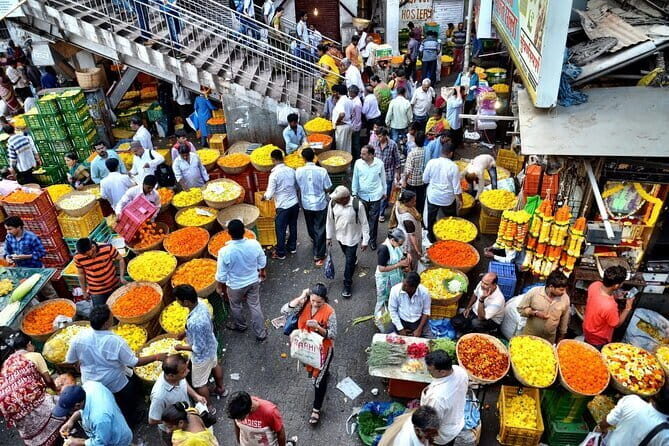
Next comes Sassoon Dock, and this is where the tour starts to feel truly different from the usual city sightseeing loop.
This stop centers on the Koli fisherfolk, described as the original inhabitants of Mumbai. You’re not just watching fish land. You’re seeing the arrival and grading process, including 50 tonnes of fish coming in and being sorted.
Then there’s the auction piece—specifically, a one-of-its-kind fish auction featuring the famous Bombay Duck. If you’ve never seen how seafood changes hands in a live market setting, this is the kind of moment that sticks. It’s direct, practical, and loud in the way real commerce is loud.
What you’ll notice:
- The pace is brisk, because work waits for nobody.
- Sorting and grading look like a skill you’d need training for, not just a quick task.
- The auction adds a layer of theater, but it’s grounded in everyday need.
Potential consideration: seafood markets can involve stronger smells and lots of movement around you. You’ll enjoy this more if you accept that you’re watching an active workplace. Keep your respect level high, stay aware of where you stand, and don’t block people who are doing their job.
BB Dadar Market: early color, fragrance, and everyday choices
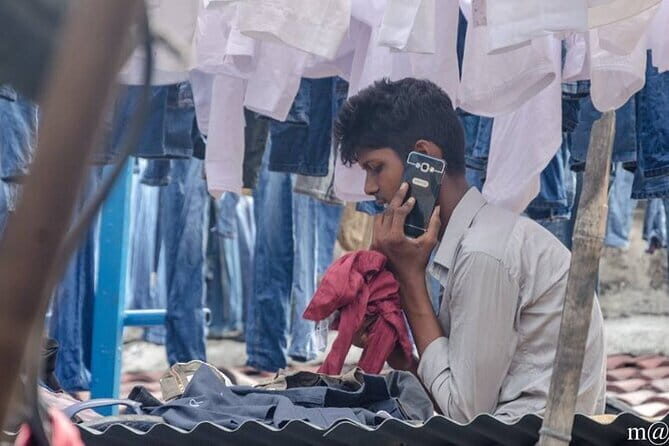
After the dock, you shift into BB Dadar Market for a shorter, focused look—around 30 minutes—at what the morning looks like when stalls are fresh and vendors are setting their rhythm.
The key idea here is sensory. You’re meant to experience the early-morning color and fragrance of the market. The broader setup described for this area includes market scenes set up along a bridge, with things like flowers and vegetables appearing where people come to buy, trade, and prepare.
What makes this stop valuable:
- It connects the supply chain dots: fish at the dock, then food shopping in the real morning flow.
- It shows Mumbai’s street-level economy without requiring you to hunt for it.
- The short duration keeps it from dragging, so you’re not stuck in one place when the atmosphere has peaked.
A practical note: market mornings can be busy and uneven on the ground. Wear shoes that can handle crowds and a bit of grime. You’ll be walking and standing, and you’ll want stable footing.
Dhobi Ghat: the daily wash pens at full scale

Dhobi Ghat is your longest stop after CST—about 1 hour—and it’s the one that tends to make people stop talking for a second.
Dhobis (washermen) scrub, flog, wash, and bleach clothes on open concrete wash pens. The scale is enormous: more than 7,000 dhobis handling over 100,000 clothes every single day.
This isn’t a “performance.” It’s a working system built for routine. Seeing it early in the day matters because it lets you catch the flow before it evens out into a quieter rhythm.
How to get the most out of it:
- Watch the workflow, not just the result. The motions and repeat tasks are what reveal the structure.
- Be ready for strong odors. This is part of the place’s reality, not something to be embarrassed about.
- If you’re photographing, treat people like people. Don’t linger in ways that interrupt the work.
The one consideration here is the up-close nature of labor. If you’re the type who gets uncomfortable with smells or hard physical work, this stop may feel intense. If you can handle that, it’s also one of the most authentic city experiences on the itinerary.



The 3-hour rhythm: efficient stops, not a frantic sprint
On paper, this is a tight schedule: four stops over roughly 3 hours, split into 1 hour + 30 minutes + 30 minutes + 1 hour.
In practice, the pacing is the point. You get time at the big, structured place (CST) and the high-impact labor scene (Dhobi Ghat). You then get brief, high-value windows at Sassoon Dock and BB Dadar Market—enough time to understand what you’re seeing without burning your whole morning.
Transport-wise, you’re in an air-conditioned vehicle, and you get coffee and/or tea plus bottled water. That small comfort upgrade matters more than you’d think at dawn, when you’re operating on less sleep and more adrenaline.
The tour’s private-group nature also helps you avoid the worst kind of group travel: the one where everyone stands still while you’re herded from one location to another. Here, you’re meant to look and absorb at each stop.
Price and value: $199.30 per group up to 4

Let’s talk money in a way that’s actually useful.
The price is $199.30 per group, and the tour fits up to 4 people. That’s not cheap in dollar terms, but you’re not paying for a generic bus ride.
You’re paying for:
- an English-speaking guide
- hotel pickup and drop-off
- an air-conditioned vehicle
- coffee/tea and bottled water
- entry listed as free for the main stops
- a schedule designed for working morning scenes (when most independent visitors miss the best moments)
If you’re traveling with a small group (two to four people), the per-person cost becomes easier to swallow. If you’re traveling solo, it may feel like you’re paying for a private experience when you could otherwise go cheaper on your own. Still, for Mumbai, going “on your own early” is tricky. Distances, timing, and local context are the hard part—and that’s what you’re buying here.
What to pack and how to prepare for these working sites
This is not a sit-and-watch museum tour. It’s a morning walk through active places—stations, docks, markets, and wash pens.
Here’s what helps most:
- Closed-toe shoes for uneven surfaces and market ground.
- A camera-ready plan (but don’t forget people are working; be discreet and respectful).
- Clothing that can handle sun and the reality of outdoor work areas.
- Bring patience. You’re in someone’s morning routine, not a tourist bubble.
Also, the tour provides bottled water, but it won’t stop you from feeling the intensity of dawn humidity or the smell environment at Dhobi Ghat. A good attitude will make a bigger difference than you expect.
Who this tour suits best (and who might want to skip it)
This tour is a strong fit if you:
- want to see Mumbai’s working life, not just landmarks
- love early mornings and hate wasting time on late-day crowds
- appreciate context from a guide, especially at markets and labor sites
- are traveling in a small group and can split the group price
It may be less ideal if you:
- dislike intense smells or up-close views of labor
- want a very relaxed sightseeing pace
- prefer purely scenic stops with minimal human activity
If you’re on the fence, focus on this question: do you want authentic, busy, real Mumbai—even if it’s a little rough around the edges? If yes, you’ll likely get your money’s worth here.
Should you book The Mumbai by Dawn Early Morning Tour?
I think this is a smart booking for people who want Mumbai with context and timing built in. The itinerary covers four places that most casual sightseeing misses: the grand train-station atmosphere of CST, the dockside fish grading and auction energy at Sassoon Dock, the morning sensory hit at BB Dadar Market, and Dhobi Ghat’s daily wash operation at full scale.
Book it if you’re ready for an early start and you can handle working environments with strong smells and nonstop activity. Skip it if you’re looking for gentle, low-intensity sightseeing.
FAQ
How long is The Mumbai by Dawn Early Morning Tour?
The tour lasts approximately 3 hours.
What does the tour cost?
It costs $199.30 per group, up to 4 people.
Is hotel pickup and drop-off included?
Yes. Hotel pickup and drop-off are included.
Is there an English-speaking guide?
Yes. The tour includes an English speaking guide.
Will I get coffee or tea and water?
Yes. Coffee and/or tea and bottled water are included.
Is this tour private?
Yes. It’s a private tour/activity, and only your group participates.
Do I need to buy admission tickets for the stops?
Admission tickets are listed as free for the stops included in the itinerary.
Is there pickup offered?
Yes. Pickup is offered, and it includes hotel pickup and drop-off.
What main stops are included?
The tour includes Chhatrapati Shivaji Terminus, Sassoon Dock, BB Dadar Market, and Dhobi Ghat.
Is free cancellation available?
Yes. Free cancellation is available up to 24 hours in advance for a full refund.