REVIEW · MUMBAI
Private Dharavi Slum Tour with Mumbai Sightseeing
Book on Viator →Operated by BOMBAY TO MUMBAI TOURS · Bookable on Viator
Dharavi changes how you see Mumbai. This private tour pairs classic Mumbai landmarks with a serious, human-scale visit to Dharavi, led by guides with real local perspective like Mr Nisar and Sunny. You get an efficient route in an air-conditioned vehicle, plus time walking inside Dharavi so the neighborhood isn’t just a photo stop.
I especially like the mix of big sights and everyday details: Gateway of India and Victoria Terminus for the wow factor, then Dhobi Ghat for the old-school laundry system that still shapes life here. I also like that you’re not stuck figuring out Mumbai public transport all day, which is the fastest way to burn your limited sightseeing time.
One thing to consider: the Dharavi portion includes at least 1.5 hours of walking, and lunch is not included. If you’re the type who hates long walking days, plan your energy and bring a light buffer for the no-lunch part.
In This Review
- Key things to know before you go
- Private Dharavi Slum Tour and Mumbai Sights: how the day is built
- Getting oriented fast with hotel pickup and A/C transport
- Mumbai landmark route: Gateway of India, Dhobi Ghat, Victoria Terminus, and more
- Dhobi Ghat: laundry isn’t a side detail here
- Chowpatty Beach, Marine Drive, and Hanging Garden: breaks you can actually use
- The shift to Dharavi: why the transition matters
- Walking inside Dharavi: the human-scale part of the tour
- How to be a good visitor on a slum walk
- Guides and drivers: the biggest reason this tour earns 5 stars
- What’s included in your $29 value, and what isn’t
- How long is long enough? Timing and pacing tips
- Who should book this tour, and who should skip it
- Should you book this Private Dharavi Slum Tour with Mumbai Sightseeing?
- FAQ
- Is this tour private?
- How long is the Private Dharavi Slum Tour with Mumbai Sightseeing?
- Does the tour include pickup from the hotel?
- What does the tour include?
- Is lunch included?
- How much walking is involved in Dharavi?
- What’s the dress code?
- Is there a cancellation option?
- How do I get the ticket?
Key things to know before you go
- Hotel pickup and round-trip comfort: less time navigating, more time seeing.
- Two-part day: Mumbai landmarks first, then a guided walk in Dharavi.
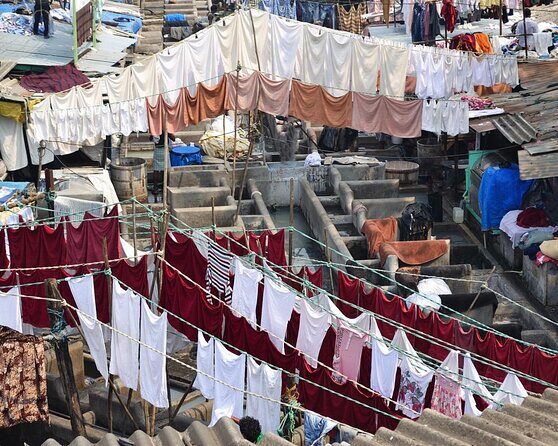
- Dhobi Ghat context: you’ll learn how laundry collection and washing works on a neighborhood scale.
- Strong guide performance: reviews praise guides like Sunny and Mr Nisar for clarity and friendliness.
- A flexible feel: the route can adjust to what you want to focus on, especially during the slum portion.
- No lunch included: bottled water and a snack help, but you’ll still want to plan meals.
Private Dharavi Slum Tour and Mumbai Sights: how the day is built

This tour is built for travelers who want to understand Mumbai fast, without spending hours on trains, buses, and transfers. You start with pickup offered from your hotel, then ride in an A/C vehicle between major sights. Once you’ve had your city “orientation,” you switch gears for Dharavi.
That pacing matters. Mumbai can feel overwhelming on your own. With a guide handling the route, you can focus on what you’re seeing: architecture, coastal views, old civic buildings, and street-level scenes. Then, when you reach Dharavi, you’re not doing it in a fog of fatigue or confusion. You can actually pay attention.
It’s also a private tour, meaning only your group participates. That usually translates into more room to ask questions, set the pace, and spend a little longer at the places your guide thinks are most meaningful.
You can also read our reviews of more private tours in Mumbai



Getting oriented fast with hotel pickup and A/C transport
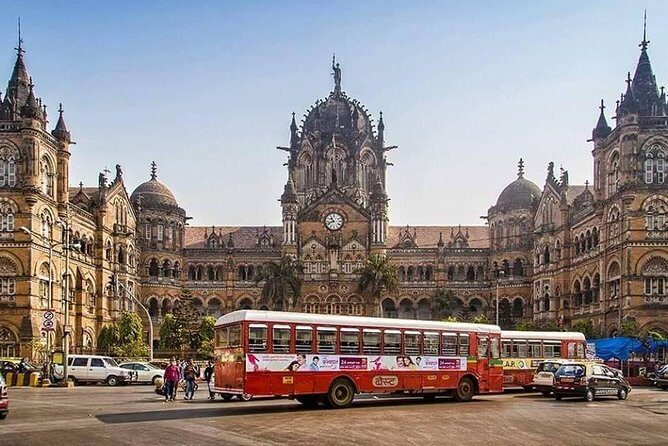
Mumbai is not a city where you want to improvise your whole day from scratch. This itinerary is intentionally structured to save you that stress. Pickup offered means you’re not racing the clock to reach a meeting point, and the air-conditioned vehicle helps if you’re arriving in warmer months or you simply want relief after midday heat.
The meeting point is listed as General Post Office Mumbai, in the Fort/CST area (near Chhatrapati Shivaji Terminus). That’s a useful reference point because the area is central and easy to recognize on maps, even if you choose to meet there rather than use pickup.
The practical upside: you’ll spend more time outdoors at sights and less time stuck in transit decisions. The tradeoff: because it’s a full day, you should still dress for walking and have a realistic mindset that it’s not a slow, sit-and-stare kind of tour.
Mumbai landmark route: Gateway of India, Dhobi Ghat, Victoria Terminus, and more
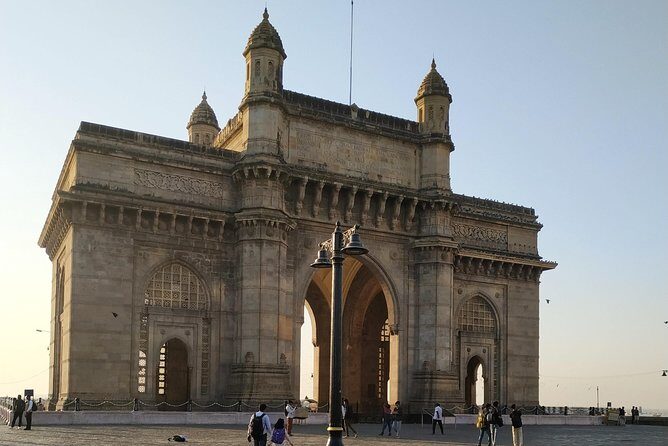
Your city portion is a classic Mumbai sweep, tuned for first-timers who want the major icons and the supporting cast. Expect stops around some of the most recognizable names on the Mumbai itinerary:
- Gateway of India
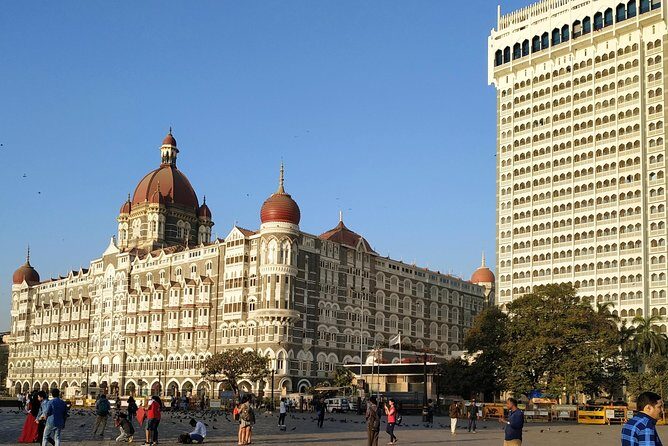
- Taj Mahal Palace
- Dhobi Ghat
- Town Hall
- Victoria Terminus
- Municipal Building
- Marine Drive
- Nariman Point
- Chowpatty Beach
- Hanging Garden
- Mani Bhavan
What makes this list more than just a checklist is the way it connects different parts of the city. Gateway of India and the Taj Mahal Palace area give you that postcard introduction to Mumbai’s waterfront identity. Marine Drive and Nariman Point add the coastal rhythm—great for a breather and photos if the lighting is right.
Then you hit civic and transit-linked landmarks like Victoria Terminus and Municipal Building. Those aren’t just pretty facades. In Mumbai, architecture often signals the city’s growth and how different communities shaped it. Having a local guide helps you notice what you might otherwise miss, like the purpose behind a building and why that corner matters.
Dhobi Ghat: laundry isn’t a side detail here
Dhobi Ghat is one of the most interesting parts of the city route because it’s functional, not staged. You’ll learn how a traditional laundry man collects dirty linen, washes it, and returns it neatly pressed to your doorstep. In other words, this isn’t only a landmark you look at. It’s a system that keeps working day after day.
That context becomes especially important when you reach Dharavi later. You’ll start seeing how work, neighborhoods, and services connect—how people solve daily problems with the resources they have. It’s a quietly powerful way to prep your mind before walking inside a working-class settlement.
Chowpatty Beach, Marine Drive, and Hanging Garden: breaks you can actually use

This part of the itinerary works best if you treat it like a set of short visual resets. Marine Drive and Nariman Point give you broad views over the bay. Chowpatty Beach adds the street energy around the shoreline, and Hanging Garden gives you a different angle—more like a pause point than a destination you rush through.
Because the tour is timed for a longer day, you likely won’t have hours to linger at every stop. Still, these are the places where a guide can point out what to notice quickly: sightlines, the best side for photos, and how each area feels different even though they’re close together geographically.
A small but real value here: you’re not guessing when to stop for photos. One of the reviews specifically mentions Sunny taking time to explain things and take a lot of pictures when requested. If you care about photos, it’s worth telling your guide early so your photo breaks are built into the pacing instead of squeezed at the last minute.




The shift to Dharavi: why the transition matters
After the city sightseeing, you drive to Dharavi for the slum tour. That transition is more than a location change. It changes how you read what you’re seeing.
In Mumbai’s landmark areas, the city is easier to understand from a distance: monuments, public spaces, and major buildings. Dharavi is different. It’s a neighborhood where daily life and work are tightly interwoven. The tour helps you make that shift by walking you through the context step-by-step rather than dumping you into the middle of a busy area with no framework.
You’re also given a clear expectation: you should prepare for at least 1.5 hours walking inside Dharavi slums. That tells you the experience is meant to be active, not just narrated. Wear comfortable shoes and be ready for uneven surfaces and changing crowds.
Walking inside Dharavi: the human-scale part of the tour
Dharavi can be overwhelming if you show up with only ideas from TV or headlines. This tour is designed to slow that down. You go in with a local guide, and you spend time walking inside the neighborhood to see how residents live and work.
The tone here is important. A good guide will focus on people first and explain what you’re seeing in a way that helps you stay respectful. Reviews for this tour repeatedly stress how guides deliver an informative, friendly experience, with Mr Nisar praised for city knowledge and Sunny described as amazing for sharing lots of interesting sites and explanations.
That matters because Dharavi isn’t a theme park. It’s a place where people run businesses, manage homes, and keep routines going in a tight space. The value of a guided walk is that you can ask questions, get local context, and avoid treating the neighborhood like scenery.
How to be a good visitor on a slum walk
The data you have doesn’t spell out exact rules for photography or interaction, so I’ll keep this practical:
- Move at the pace your guide sets.
- Keep your questions respectful and grounded in what you’re seeing.
- Expect to walk, and plan your comfort (shoes, water, and patience).
- Remember the goal is understanding, not collecting shock-value moments.
If your group is sensitive to walking time or crowd conditions, talk to your guide early so the pace can be adjusted as much as the tour allows.
Guides and drivers: the biggest reason this tour earns 5 stars
Across the reviews, the guides are the common thread. The strongest praise centers on guides being:
- informative and clear,
- friendly and helpful,
- willing to take extra time,
- and flexible about what you want to focus on.
Names that show up in the review highlights include Sunny and Mr Nisar. There’s also appreciation for the overall organization, including a note that the company arranged the full tour perfectly even when booked one day prior. Another review mentions a driver and guide working as a strong team, even described as funny, plus the guide being helpful and taking pictures when requested.
So yes, you get a route and a vehicle. But the real “experience” is your guide shaping how you understand it. When guides bring both factual context and kindness, you’re more likely to enjoy the day instead of just enduring it.
What’s included in your $29 value, and what isn’t
At $29 per person for a roughly 6 to 7 hour private tour, the value is mostly about logistics plus guidance. You’re not only paying for sites. You’re paying for:
- Air-conditioned vehicle transport between multiple areas of Mumbai,
- a local guide for context at landmarks and during Dharavi,
- bottled water and a snack,
- and a tour flow that saves time vs. DIY transit.
What’s not included is lunch. That’s the main missing piece for a long day. If you’re the kind of traveler who gets hungry before you’re ready, plan a meal strategy for before or after the tour. Since you’re also walking inside Dharavi for at least 1.5 hours, keeping your energy up makes a noticeable difference.
One more helpful detail: the tour includes admission ticket free. That can reduce last-minute surprises if you were worried about extra entry costs at major stops.
How long is long enough? Timing and pacing tips
The tour runs 6 to 7 hours, which is a classic “big day” window. It’s long enough to cover major sights and still reach Dharavi, but short enough that you can’t expect deep dives at every single location.
Here’s how I’d think about it as a traveler:
- Use the city portion as your orientation layer. Enjoy the landmarks and absorb the context.
- Treat the coastal stops as photo-and-scenery breaks.
- Save your patience for Dharavi walking time. That’s where you’ll get the most personal, reality-based understanding.
If you start early, you’ll usually feel better about the walking portion. If your pickup is later in the day, bring that reality into your prep and wear the most comfortable shoes you own.
Who should book this tour, and who should skip it
This is a strong fit for you if:
- You want to see major Mumbai sights without navigating public transport all day.
- You care about understanding Dharavi through a guided walk rather than a quick pass.
- You like structured itineraries that still leave room for questions.
- You want a private format with a guide you can talk to directly.
You might want a different option if:
- You have limited tolerance for walking. The Dharavi portion includes at least 1.5 hours of walking.
- You need lunch included. Snack and water are provided, but lunch is not.
- You dislike tours that mix very different atmospheres in one long day.
Should you book this Private Dharavi Slum Tour with Mumbai Sightseeing?
If your ideal Mumbai day is part landmark tour and part real-life neighborhood experience, this is a great value pick. The price is low for a private, guided, A/C-supported route that covers major sights and includes a focused Dharavi walk. And the reviews’ consistent message is that guides like Sunny and Mr Nisar make the day clearer, friendlier, and more enjoyable—especially when you want explanations, photo stops, and flexibility.
My advice: book it if you’re comfortable walking and you’re okay planning for lunch outside the tour. If you’re looking for a relaxed, no-walking cultural afternoon, you’ll feel the length and the walking requirements.
FAQ
Is this tour private?
Yes. It is a private tour/activity, and only your group will participate.
How long is the Private Dharavi Slum Tour with Mumbai Sightseeing?
It’s approximately 6 to 7 hours.
Does the tour include pickup from the hotel?
Pickup is offered. The meeting point is listed as General Post Office Mumbai, in the Fort/Chhatrapati Shivaji Terminus area, and the activity ends back at the meeting point.
What does the tour include?
It includes bottled water, a snack, a local guide, and an air-conditioned vehicle.
Is lunch included?
No, lunch is not included.
How much walking is involved in Dharavi?
You should prepare for at least 1 and a half hours of walking inside Dharavi.
What’s the dress code?
Smart casual is recommended.
Is there a cancellation option?
Free cancellation is available. You can cancel up to 24 hours in advance for a full refund.
How do I get the ticket?
A mobile ticket is included.