REVIEW · MUMBAI
“Mumbai Dharavi Slum Tour”
Book on GetYourGuide →Operated by Navigate Mumbai Tours · Bookable on GetYourGuide
Dharavi is not a postcard, it’s daily life. What makes this tour interesting is the way you move with a local guide into the industrial and residential parts, then you end up talking and asking questions instead of just staring. I especially like that the route is built to handle the confusion of those tight alleys, and the guide also puts Dharavi in a wider context of slums worldwide. One consideration: it’s an active walk through very close spaces, so comfortable footwear and weather-ready clothes matter more than you’d think.
I love that the tour starts and ends in a simple way, with a meet-up at a coffee shop near Mahim train station (West), so you’re not guessing about logistics. The visit is long enough to see real work and real routines—recycling, manufacturing, markets, schools, and craft areas—yet short enough that you’re not stuck all day. The tour also includes an English-speaking guide and bottled water, which is a nice baseline at this price point.
In This Review
- Key Points to Know Before You Go
- Why Dharavi Makes Sense When You Have a Local Guide
- Meeting at Mahim and Crossing the Railway Bridge
- Industrial Dharavi: Recycling, Clothing Workshops, and Migrant Stories
- Residential Dharavi: The Largest Sewer, Markets, and Schools
- Leather Manufacturing and Kumbharwada Pottery in the Same Day
- Price and Time: What $4.39 Buys You in Real Terms
- Practical Comfort: What to Wear and How to Act
- Who This Tour Fits (and Who Should Skip It)
- Should You Book the Mumbai Dharavi Slum Tour?
- FAQ
- How long is the Mumbai Dharavi Slum Tour?
- Where is the meeting point?
- What’s included in the tour price?
- Are meals included?
- Do you visit both industrial and residential areas?
- What do you see in the industrial area?
- What do you see in the residential area?
- What languages are the tours offered in?
- Is there a private group option?
- Is there an option to pay later and cancel if plans change?
Key Points to Know Before You Go
- Guided walking through industrial and residential areas so you get the story behind what you’re seeing
- Talk with locals with your guide’s help, not just a one-way photo stop
- Recycling and manufacturing workshops (plastics, wood, cardboard, plus clothing and bags)
- Residential details like the largest sewer in Mumbai and how daily life fits around it
- Craft stops including leather work and Kumbharwada pottery traditions
- 2–3.5 hours makes it a doable add-on to a Mumbai day
Why Dharavi Makes Sense When You Have a Local Guide
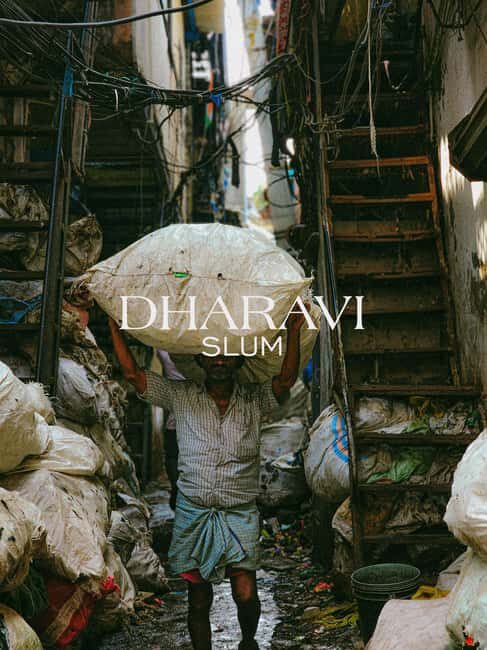
Dharavi can feel like information overload if you try to DIY. The alleys look confusing at first, and without someone who knows the rhythm of the place, it’s easy to miss what’s important.
This tour leans into a guide-led flow: you cross a railway bridge, you learn how Dharavi fits into the broader picture of slums, and then you move through areas built around work and home. That’s the real value—your eyes start working differently, and your questions land better.
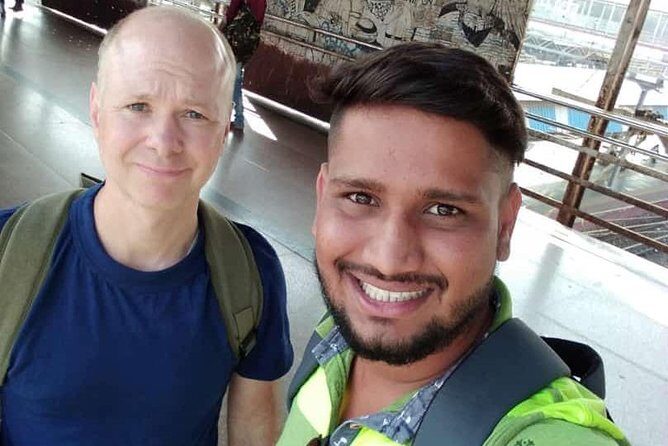
You’ll also hear stories and explanations from guides who clearly connect to the place. In the reviews, guides named Javed, Ruqaiyya, Ravi, and Kavita are singled out for being engaging and for bringing you closer to daily life with humor and respect—so you’re not just collecting facts.
You can also read our reviews of more tours and experiences in Mumbai.



Meeting at Mahim and Crossing the Railway Bridge
The tour meets at a coffee shop near Mahim train station (West). That’s practical, because train access is how many people in Mumbai actually move, and you’ll finish near the same rail area.
After you meet, you start by crossing a railway bridge leading toward Dharavi. That small shift—leaving the station-side world behind and crossing into the neighborhood—sets the tone. It tells you, quickly, that this isn’t about monuments; it’s about systems: movement, work, and housing layered together.
The pacing matters here. You’re not just dropping in for quick photo stops. You’re being walked along a route that makes sense in the moment, especially once you start entering narrow lanes you probably wouldn’t find on your own.
Industrial Dharavi: Recycling, Clothing Workshops, and Migrant Stories
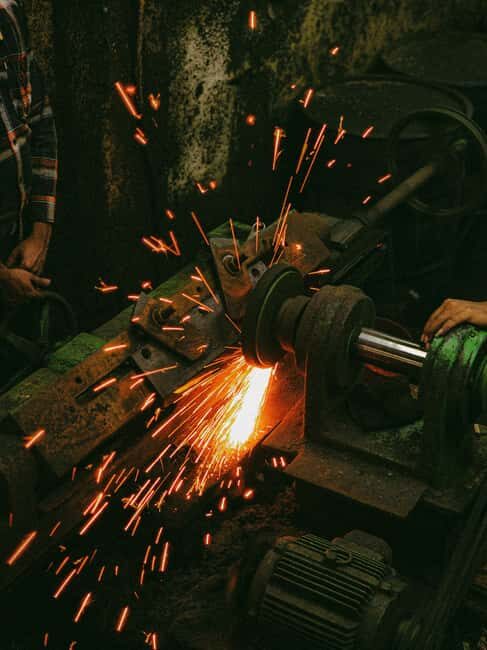
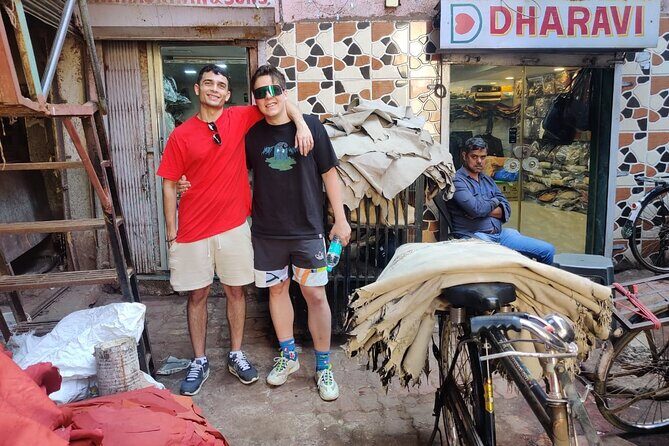
The first major stop is the industrial area. This is where the tour earns its keep, because it shows you a working side of Dharavi that many people don’t expect to see so clearly.
Here’s what you’ll focus on:
- Recycling activities for plastics, wood, cardboard, and more
- Manufacturing sites making items like clothing, backpacks, and luggage
- Migrants in Dharavi, including living conditions and who ends up there
What I like about this section is the mix of hands-on observation and human context. Watching recycling processes can be surprisingly eye-opening, because it’s not abstract “waste management.” It’s sorting, repurposing, and turning materials into usable value.
Then the manufacturing side adds another layer: you see how goods move through stages of production. And the migrant discussion matters because it frames Dharavi as a living place with changing populations, not a single fixed scene.
A possible drawback: industrial areas can be visually busy and sometimes emotionally heavy. If you’re sensitive to tight working conditions, take your time, keep your questions respectful, and rely on your guide’s pacing.
Residential Dharavi: The Largest Sewer, Markets, and Schools
Once you cross a street, you enter the residential part. This shift is one of the most useful parts of the tour, because it shows you how daily living sits beside work.
This section includes a few standout experiences:
- Seeing the largest sewer in Mumbai
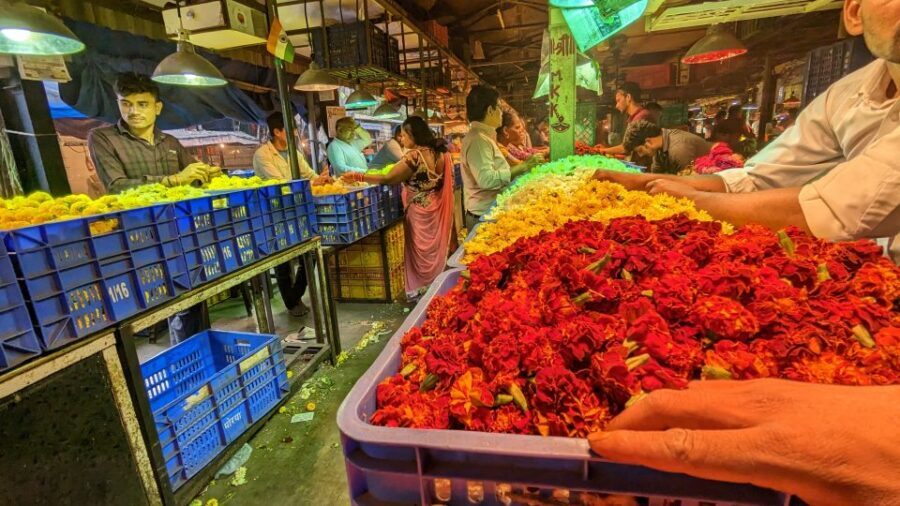
- Exploring a local market with fresh produce
- Visiting schools and learning about educational practices
- Discovering how leather manufacturing works in the neighborhood
I’m glad the route doesn’t stay only on work. Markets and schools give you a feel for normal life: where people buy food, how kids learn, and how families build routines around limited space.
The sewer stop is also important—not because it’s a sightseeing thrill, but because it makes the infrastructure real. In cities everywhere, infrastructure is usually invisible until something goes wrong. Here, it’s simply part of the landscape.
The market portion is where you can slow down. You’re not just passing through; you’re walking through a place where people are already doing their daily shopping.
Leather Manufacturing and Kumbharwada Pottery in the Same Day
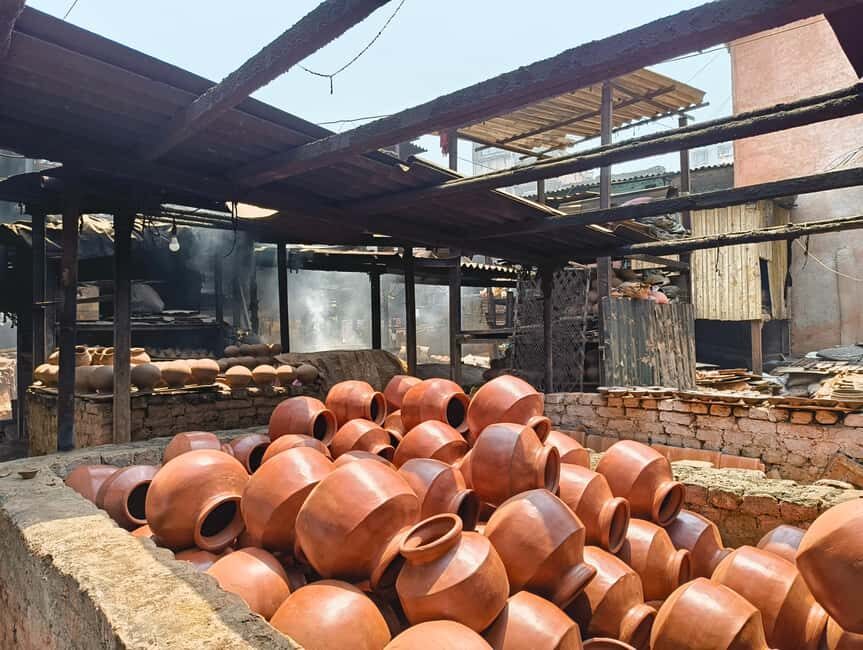
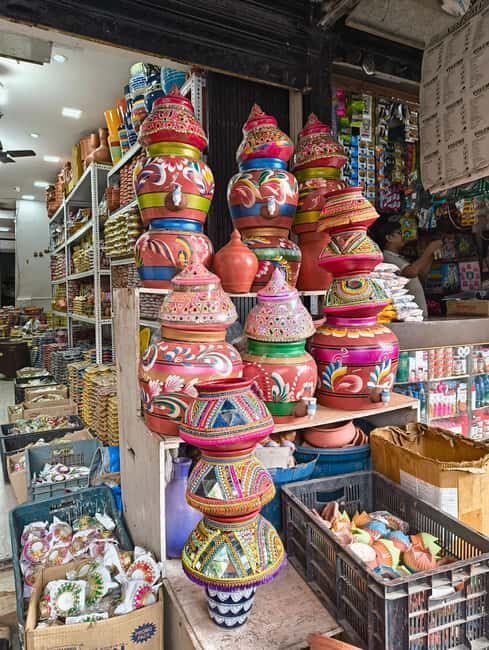
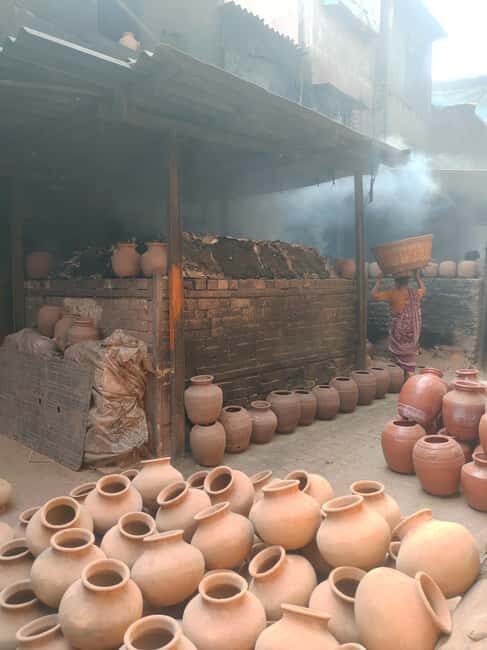
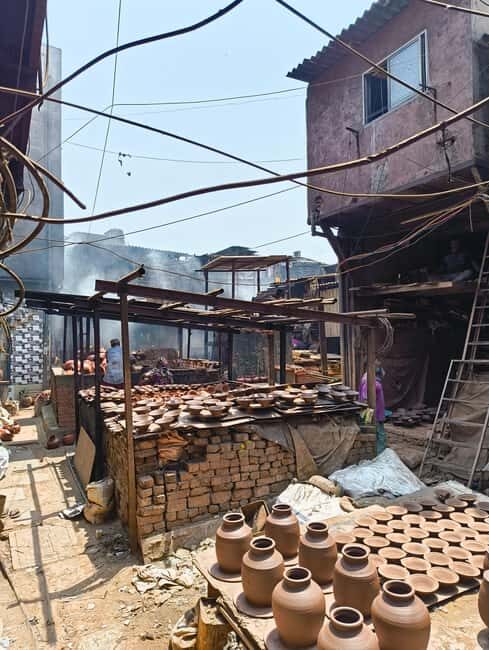
In the residential-area portion, you’ll discover leather manufacturing processes. Later, you’ll head to Kumbharwada, which is known for pottery, and you’ll see traditional pot-making skills.
I like that the tour places these craft experiences close together. Leather and pottery both depend on specialized work and steady hands, and seeing them back-to-back helps you understand the local economy beyond just “industrial vs. residential.”
Kumbharwada, in particular, is one of those stops where you get to focus on technique. Even when your camera is ready, it’s worth leaving it down for a few minutes and just watching how the pot-making is handled.
Then comes the narrow alley walk again, letting you connect the dots between homes, workshops, and everyday movement. If you’ve ever felt lost in unfamiliar neighborhoods, you’ll appreciate this part because your guide helps you keep a mental map.



Price and Time: What $4.39 Buys You in Real Terms
At about $4.39 per person for a 2 to 3.5 hour tour, this is one of those deals that works because the guide-led value is doing the heavy lifting. You’re not paying mainly for transportation or a fancy setup—you’re paying for direction, interpretation, and the chance to talk with locals through your guide’s help.
Billed as an English- and Hindi-led experience, with bottled water included, it’s also a smart way to spend a few hours without committing an entire day. And because the tour is structured—industrial first, residential next—you’ll feel like you actually covered something, not just walked around until you were tired.
Is it “cheap because it’s easy”? No. It’s cheap because it’s focused. You’re walking a lot, you’re staying close to where people work and live, and you’re seeing the place as it is.
Practical Comfort: What to Wear and How to Act
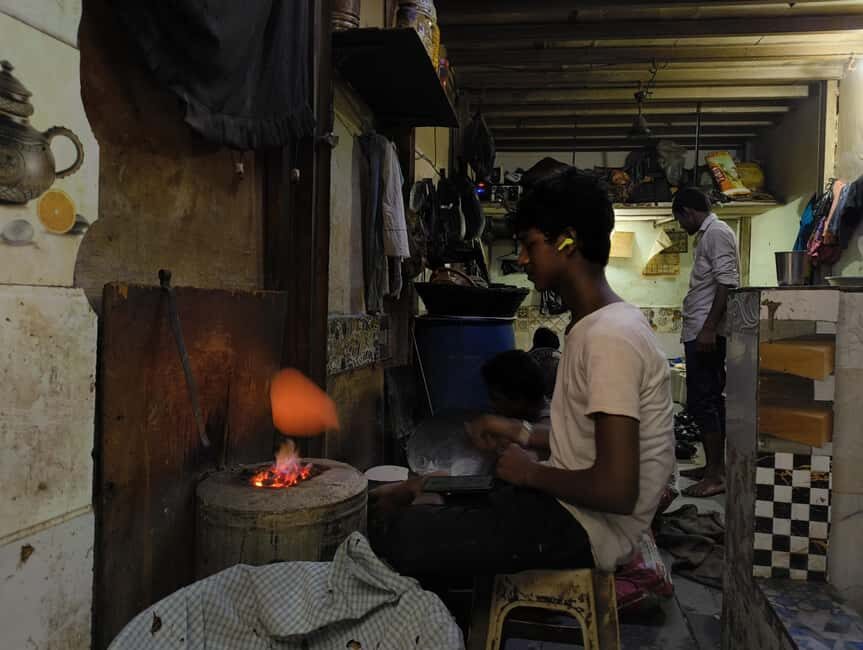
Wear suitable clothes for the weather, and plan for a lot of walking. The route goes through narrow alleys and active areas, so your clothing choices affect comfort and how easily you can move.
There’s also an important note on modesty for women: avoid overly short outfits. That’s not about strict rules—it’s about respecting the environment and keeping attention where it belongs.
For behavior, I’d keep it simple: be polite, ask before photographing, and let your guide handle introductions. This tour works best when you treat it like a conversation, not like a spectacle.
Who This Tour Fits (and Who Should Skip It)
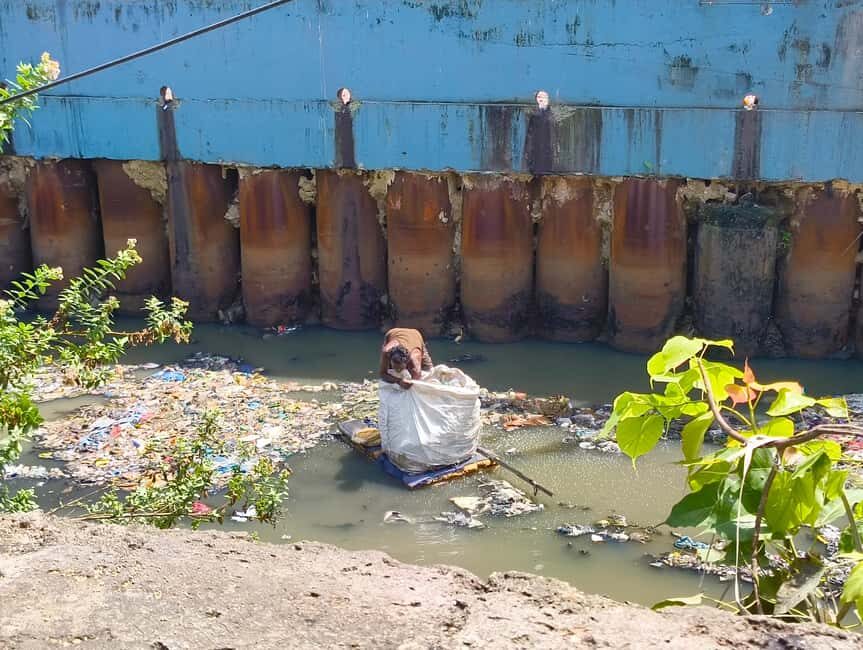
You’ll likely enjoy this tour if you:
- Want an authentic look at how work and home overlap
- Like asking questions and learning from local perspective
- Prefer active, guided walking over museum-style sightseeing
- Are comfortable moving through tight spaces and busy areas
You might want to think twice if you don’t handle walking in dense neighborhoods well, or if the idea of seeing industry and infrastructure up close feels too intense. In that case, you could still visit Dharavi independently—but this format is built for interpretation, so you’d lose the main benefit.
Also, if you’re traveling with very young kids or someone who needs lots of mobility support, you should consider whether the tour’s alley-heavy route will work for your group.
Should You Book the Mumbai Dharavi Slum Tour?
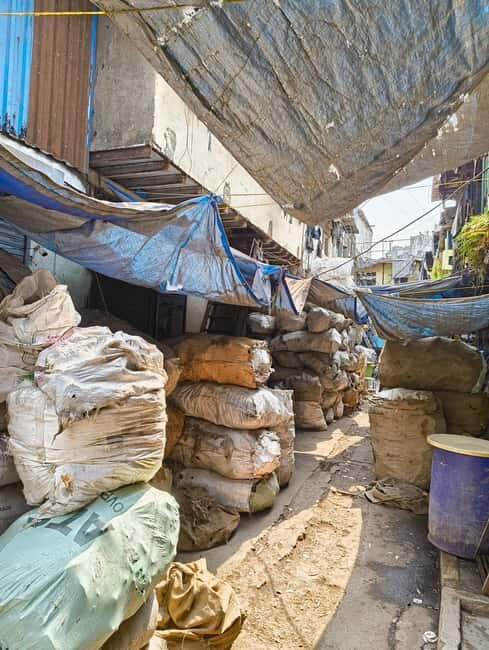
If your goal is to understand Dharavi as a real neighborhood—workshops, markets, schools, craft areas, and the infrastructure behind it—then I think this is worth booking. The guide-led route is the key. It turns confusion into comprehension, and it gives you a more respectful way to engage with people’s lives.
I’d book it if you can show up ready to walk, dress appropriately, and accept that this is not a “pretty views” experience. It’s a “you’ll understand more about how cities function” experience.
Finally, pay attention to guide choice if your booking options allow it. Names that come up strongly in the reviews include Javed, Ruqaiyya, Ravi, and Kavita—each praised for bringing personality, clear communication, and a human tone to the walk.
FAQ
How long is the Mumbai Dharavi Slum Tour?
The duration is listed as 2 to 3.5 hours.
Where is the meeting point?
The meeting point is a coffee shop near Mahim train station (West).
What’s included in the tour price?
An English-speaking guide and packaged bottled water are included.
Are meals included?
No, meals are not included.
Do you visit both industrial and residential areas?
Yes. You start with the industrial area and then cross into the residential part for additional sights.
What do you see in the industrial area?
You’ll observe recycling activities (plastics, wood, cardboard), visit manufacturing sites (clothing, backpacks, luggage), and learn about migrants and their living conditions.
What do you see in the residential area?
You’ll see a local market with fresh produce, visit schools to learn about educational practices, discover leather manufacturing processes, visit Kumbharwada for pottery, and explore narrow alleys and living conditions. You also see the largest sewer in Mumbai.
What languages are the tours offered in?
The tour is offered with a live guide in English and Hindi.
Is there a private group option?
Yes, private group is available.
Is there an option to pay later and cancel if plans change?
Yes. You can reserve and pay later, and cancellation is free up to 24 hours in advance for a full refund.