REVIEW · MUMBAI
Mumbai: Exclusive Full-Day City Tour with Optional Caves
Book on GetYourGuide →Operated by India Tour · Bookable on GetYourGuide
Mumbai by land, then by ferry to ancient caves. The big win here is the UNESCO Elephanta Caves or Kanheri Caves plus the comfort of a private air-conditioned car with a driver and guide from your hotel. One thing to keep in mind: if you’re visiting during monsoon season, ferry rides can be delayed or canceled due to strong winds.
I like how this day mixes the postcard hits with real neighborhoods—Gateway of India and Taj Mahal Palace for colonial flavor, then CST and Marine Drive for scale and sea air, and finally Mani Bhavan and Dharavi for the human side of Mumbai. Your guide (names like Abdul, Saif, Danish, Fahad, Ali show up in recent experiences) can also shape the day with lots of explanation and photo stops.
It’s a full 8 hours with hotel pickup and drop-off, an English-speaking guide, and even a separate entrance for skip-the-line access at key sites. Do note it is not suitable for pregnant women, and you’ll want solid walking shoes for the short walks and cave paths.
In This Review
- Key highlights worth planning for
- Private pickup and the rhythm of an 8-hour Mumbai day
- Gateway of India and the Taj Mahal Palace: where Mumbai’s story looks like a movie set
- Ferry time to Elephanta: how to make the most of the 45-minute crossing
- Elephanta vs Kanheri: choosing the cave day that fits your trip
- South Mumbai passes you might miss: High Court, Rajabai Tower, and the university face
- Oval Maidan walk and CST: the building that really deserves your attention
- Crawford Market, Marine Drive, and Mani Bhavan: three different Mumbai moods
- Hanging Gardens on Malabar Hill: the viewpoint payoff
- Dharavi Slum visit: what you should expect and how to do it right
- Price and value: why $69 can make sense for this route
- Who this tour suits best
- Should you book this Mumbai full-day city tour?
- FAQ
- What is the duration of this Mumbai tour?
- Is this tour private or shared?
- Which caves can I visit during this tour?
- Can I visit the caves on Mondays?
- How long is the ferry ride to Elephanta?
- What happens to ferry plans during monsoon season?
- Does the tour include visiting Chhatrapati Shivaji Maharaj Terminus (CST)?
- Is lunch included in the tour price?
- What should I bring?
- Is the tour suitable for pregnant women?
Key highlights worth planning for
- UNESCO cave option (Elephanta or Kanheri) with guided context, from sculptures to inscriptions
- Private air-conditioned car plus a driver who keeps the day moving across South Mumbai
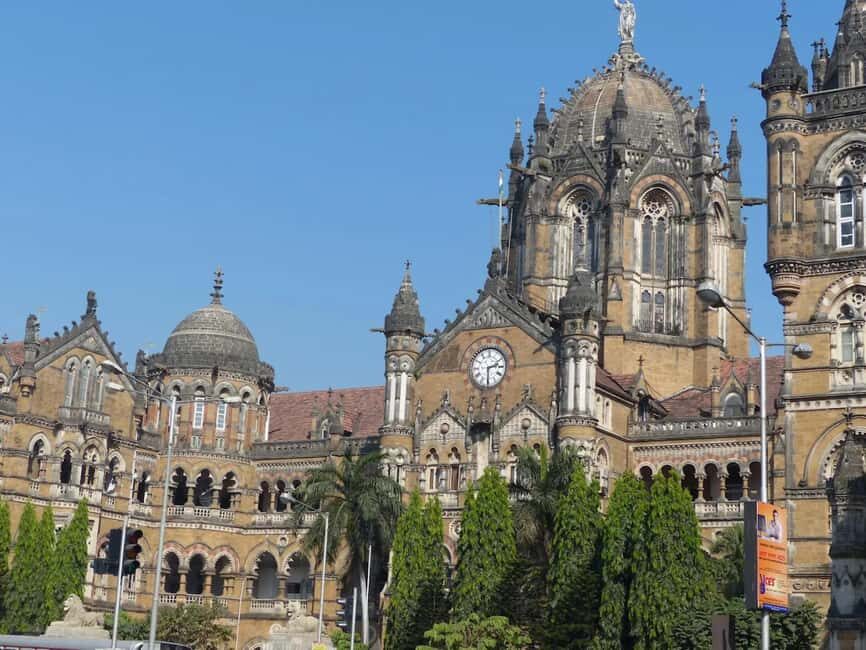
- CST photo moment with guided time inside for the Victorian Gothic details people miss from the outside
- Market and sea views in one stretch: Crawford Market, then Marine Drive
- Dharavi visit with a focus on everyday work like pottery, leatherwork, and recycling
- Cave logistics matter: caves close on Mondays; monsoon winds can affect ferry timing
Private pickup and the rhythm of an 8-hour Mumbai day
This tour is built around one simple idea: don’t spend your vacation playing chauffeur or fighting traffic for every stop. You start with hotel pickup, then you’re in a private air-conditioned car for the long interludes, with your guide managing the order of sights and timing.
You’ll see Mumbai in layers. First come the grand landmarks around the waterfront and British-era institutions. Then the day shifts to places tied to Gandhi and the city’s everyday economy. By the time you reach the viewpoints and the Dharavi visit, you’ll have a clearer sense of how the city functions beyond the obvious skyline photos.
Because it’s a private group, you can usually move at a pace that matches your energy. The day includes built-in photo stops, short guided walks, and time for a lunch break at a local restaurant.
You can also read our reviews of more city tours in Mumbai



Gateway of India and the Taj Mahal Palace: where Mumbai’s story looks like a movie set
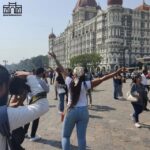
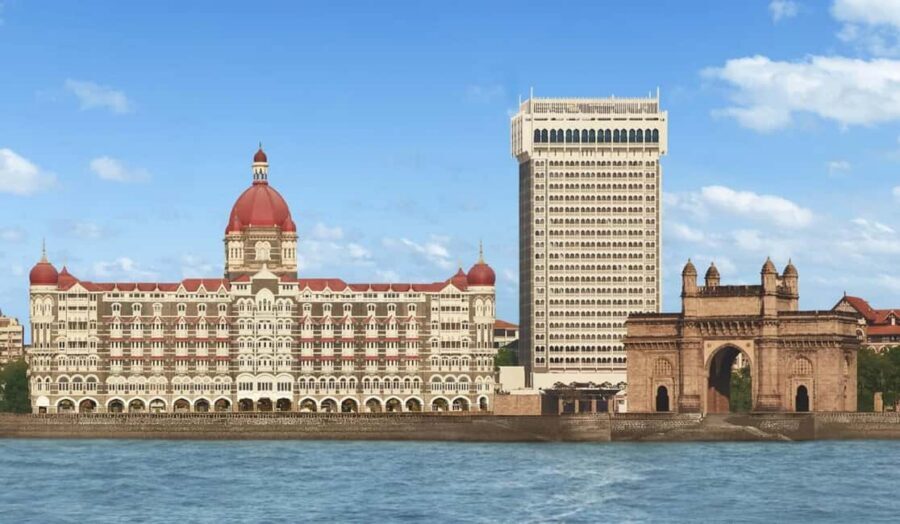
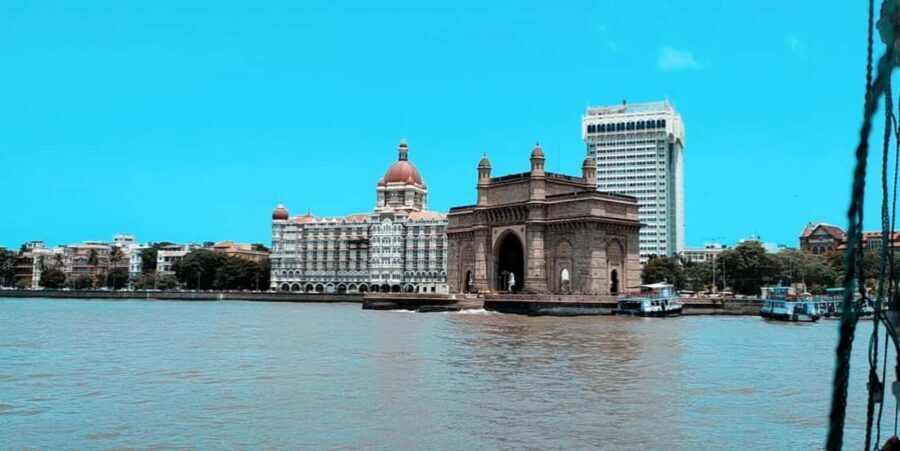
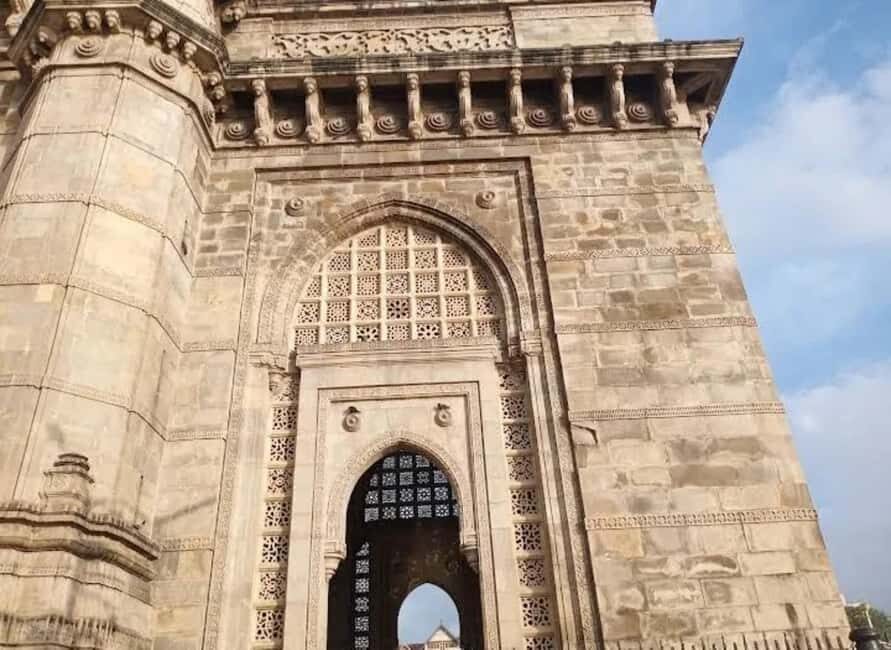
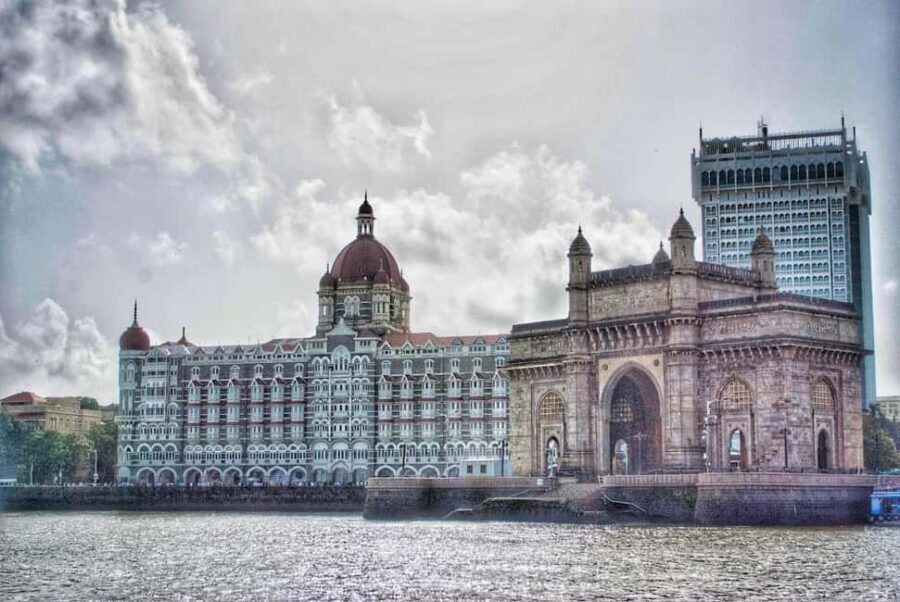
The day opens at the Gateway of India, right where the city faces the Arabian Sea. This is one of those spots that’s always crowded for a reason: the views are strong, and the setting makes it easy to understand why this became a landmark for arrivals.
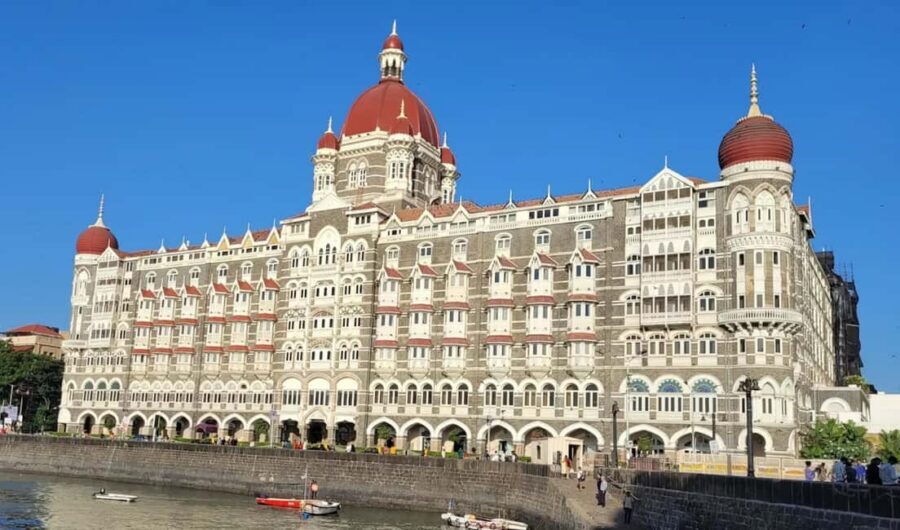
From there, you head to the Taj Mahal Palace area. Even if you don’t go inside for a long visit, it’s worth taking in the building’s colonial-era presence and taking a few photos from angles your guide points out. This stop helps you connect the waterfront’s glamour with the later architecture you’ll see across town.
Practical tip: the air near the sea can feel cooler than inland streets, but the sun still wins. Sunglasses help, and comfortable shoes make the photo stops much less annoying.
Ferry time to Elephanta: how to make the most of the 45-minute crossing
Next comes the ferry segment—about 45 minutes each way. This is more than transportation. It’s your transition from city noise to a quieter, more ancient setting.
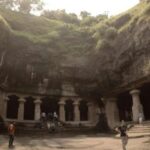
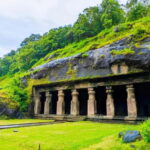
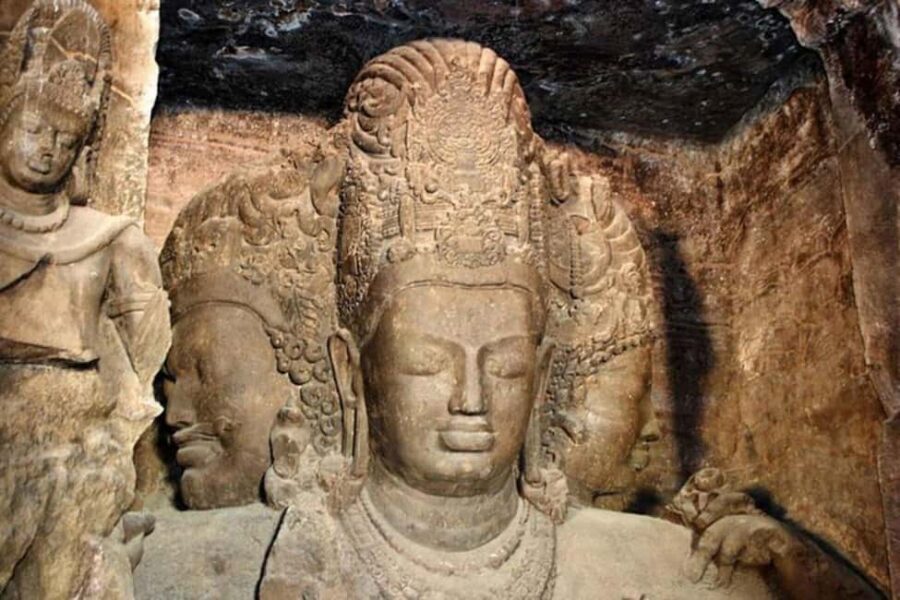
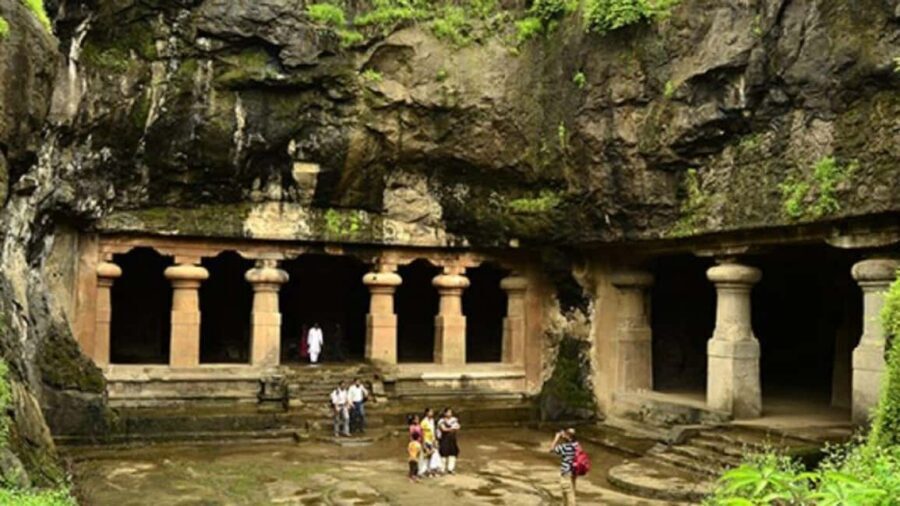
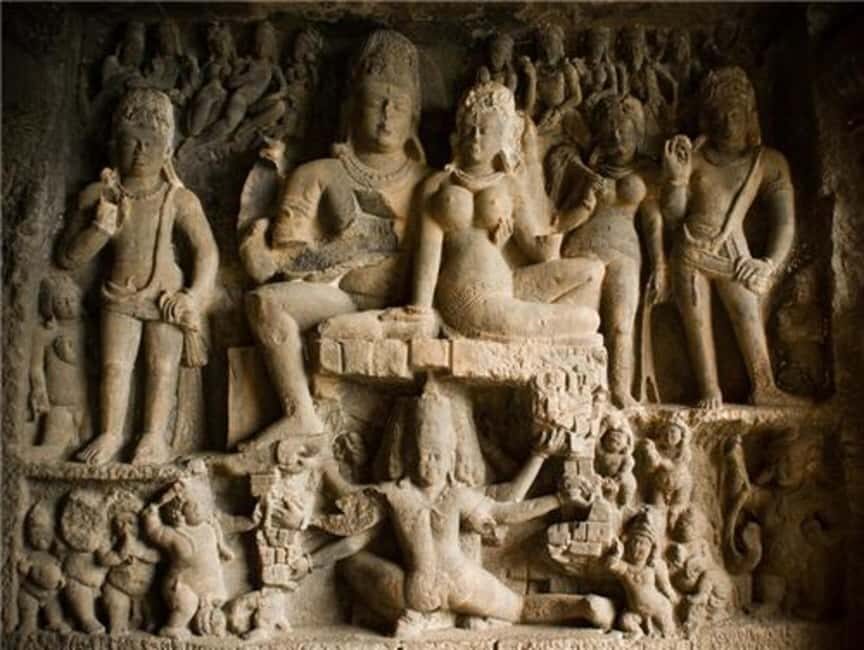
If you’re choosing the Elephanta option, you’ll arrive at the island and move into the Elephanta Caves for a guided visit. These are rock-cut temples, and your guide explains what you’re looking at, including the sculptures and the religious context tied to Lord Buddha. The caves are carved into stone—so the experience is part history lesson, part slow visual reading.
One realism check: if you’re traveling during monsoon season (July to mid-September), ferry services may be delayed or canceled by the government because of strong winds. When that happens, your itinerary may switch so you can still visit Kanheri Caves instead.
Elephanta vs Kanheri: choosing the cave day that fits your trip
You get a choice: Elephanta Caves or Kanheri Caves. Your timing and day-of-week can affect which one works best.
Elephanta Caves are dramatic and story-rich, with sculptures you can study step-by-step under guidance. Kanheri Caves are also rock-cut and guided, but they come from a different angle: a complex of Buddhist monasteries and prayer halls with carvings, sculptures, and inscriptions. If you like details you can trace slowly—faces, motifs, and written clues—Kanheri often feels like a more grounded, exploration-style site.
Two important rules you should build into your planning:
- Elephanta and Kanheri caves close every Monday.
- Ferry disruptions during monsoon can change the cave plan.
That means if your calendar includes a Monday, you’ll want to double-check what your provider can substitute. The good news: the tour is set up with alternatives, not blind risk.
South Mumbai passes you might miss: High Court, Rajabai Tower, and the university face
After the caves, the route returns to South Mumbai. Even when you’re not walking, the car ride is part of the sightseeing.
You’ll pass the High Court of Bombay and the Rajabai Clock Tower at Mumbai University. These are British-era architectural markers. From the road, you’ll see their massing and details without the need to squeeze into long lines or manage signage.
There’s also a pass by Chhatrapati Shivaji Maharaj Vastu Sangrahalaya—a stop that helps you keep the larger geography of South Mumbai in your mind. It’s the kind of thing that makes later self-guided exploring easier, because you start recognizing landmark clusters.
You can also read our reviews of more tours and experiences in Mumbai





Oval Maidan walk and CST: the building that really deserves your attention
Oval Maidan is a short walk around an open ground surrounded by historic colonial buildings. It’s a useful reset in the day. After time in cars and cave steps, you get a breathing space to look around and take your bearings.
Then you get to the showstopper: Chhatrapati Shivaji Maharaj Terminus (CST). This is the moment where the tour earns its keep. The Victorian Gothic design is stunning, but it’s even better with a guide who knows what to point out—architectural shapes, the way the building sits in its streetscape, and why it matters in the city’s story.
You’ll have time for a photo stop and a guided visit. The tour also includes skip-the-line access via a separate entrance, which can save serious time when the area is busy.
Practical tip: bring patience for crowds outside. CST attracts plenty of attention, and you’ll want space for photos without rushing through.
Crawford Market, Marine Drive, and Mani Bhavan: three different Mumbai moods
Next up is Crawford Market, a local bazaar where you can browse spices, fruits, handicrafts, and souvenirs. This is not about buying a thing on a schedule; it’s about watching how local trade feels in real life. Your guide’s pointers help you notice what’s worth looking at rather than just walking past shelves.
After that you drive along Marine Drive, often called the Queen’s Necklace. This is one of the most photogenic sea-front stretches in the city, and it works because you get both road-level views and a wide sense of horizon. You’ll see how Mumbai’s personality changes as you move from market textures to sea-air openness.
Finally, you stop at Mani Bhavan, a museum dedicated to Mahatma Gandhi. It gives insight into his life and his role in India’s freedom movement. This part slows the pace in a good way. It’s also a strong contrast to the architectural stops—less stone and brick, more ideas and personal story.
A practical note: lunch is included in the flow of the day, but it’s not listed as an included cost. You’ll want to plan on paying for your meal at the local restaurant during the lunch break, plus any snacks or drinks you want beyond what’s provided.
Hanging Gardens on Malabar Hill: the viewpoint payoff
The Hanging Gardens sit atop Malabar Hill and offer city and Arabian Sea views. This is where the day turns scenic again—photos, a little time to look around, and a calmer moment before you head to Dharavi.
If you’re tired from walking, this stop is a good place to slow down without losing momentum. The views also help you mentally connect the earlier stops: waterfront, the central skyline, and the way the city spreads.
Wear sunglasses here. Even if clouds show up, the light still bounces off surfaces and the sea.
Dharavi Slum visit: what you should expect and how to do it right
This is the part of the tour that requires the most care. The tour includes a guided visit to Dharavi Slum, one of Asia’s largest slums, focused on Mumbai’s resilient community and how small-scale industries operate.
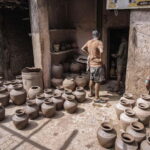
What you’ll notice is work—real, ongoing work. Your guide can point out how people make things and earn livelihoods through activities like pottery, leatherwork, and recycling. In some experiences, the day includes introductions to local families and glimpses into crafts and small workplaces, which helps turn Dharavi from a headline into a lived reality.
How you handle it matters. You’ll be going to see people’s daily lives, not to hunt for tragedy or shock. Ask respectful questions, follow your guide’s lead, and keep your phone use considerate. If you remember that this is someone’s neighborhood, not a stage, the visit will land differently.
Also note: the tour is not suitable for pregnant women, so if that applies to you, you’ll want to choose a different itinerary.
Price and value: why $69 can make sense for this route
At $69 per person for an 8-hour private tour, the value comes from what’s bundled, not just the sites. You’re paying for:
- a private English guide
- hotel pickup and drop-off
- an air-conditioned vehicle with a driver
- water bottle
- parking and all charges
- cave access via guided entry, plus skip-the-line via a separate entrance
If you tried to DIY this day, you’d quickly spend time and money on transport coordination and ticket timing, and you’d still lack the guided explanation that makes CST and the caves click.
One more value factor: the itinerary uses guided stops efficiently. You’re not just passing by landmarks—you’re getting guided context where it counts, like at Mani Bhavan and the cave complexes.
Where to plan extra spending: personal expenses, and usually lunch at the local restaurant during the day.
Who this tour suits best
This is a great fit if you want:
- a single-day plan that covers waterfront landmarks, major architecture, and a UNESCO cave visit
- comfort and efficiency from a private car (especially if you don’t want to navigate Mumbai’s traffic)
- a guide who can explain what you’re seeing at CST, the caves, and the Gandhi museum
It’s also a good match for first-timers who want both iconic sights and the reality of how people live and work.
You might reconsider if you strongly dislike history/architecture stops, or if a cave day disrupted by monsoon conditions would throw your schedule off.
Should you book this Mumbai full-day city tour?
I’d book it if you want a guided, private day that hits the big Mumbai anchors—Gateway of India, CST, Marine Drive, Mani Bhavan—and adds a UNESCO cave experience plus a guided Dharavi visit. The private car and hotel pickup are the practical pieces that make it feel like a vacation, not a logistics project.
I’d be cautious if your travel dates land on a Monday (caves close) or you’re traveling during monsoon season and rely on ferry timing. In those cases, ask what the backup plan looks like for cave visits and where the day flexes.
If you like your tours guided but not rushed, and you’re curious to see Mumbai from multiple angles, this one is a strong bet.
FAQ
What is the duration of this Mumbai tour?
The tour lasts 8 hours, with hotel pickup and drop-off included.
Is this tour private or shared?
It’s a private group tour.
Which caves can I visit during this tour?
You can visit either the Elephanta Caves or the Kanheri Caves, depending on the option and conditions.
Can I visit the caves on Mondays?
No. Elephanta Caves and Kanheri Caves are closed every Monday.
How long is the ferry ride to Elephanta?
The ferry ride is listed as 45 minutes (there’s a ferry segment on the way in and another on the way back).
What happens to ferry plans during monsoon season?
During monsoon season (July to mid-September), ferry services may be delayed or canceled by the government due to strong winds. If this happens, an alternative option to visit Kanheri Caves may be offered.
Does the tour include visiting Chhatrapati Shivaji Maharaj Terminus (CST)?
Yes. You’ll have a photo stop and a guided visit to CST.
Is lunch included in the tour price?
The plan includes a lunch break at a local restaurant, but personal expense is not listed as included, so you should expect to pay for your meal there.
What should I bring?
Comfortable shoes and sunglasses.
Is the tour suitable for pregnant women?
No, it is not suitable for pregnant women.