REVIEW · MUMBAI
Mumbai: Dhobi Ghat Laundry and Dharavi Slum Tour with Local
Book on GetYourGuide →Operated by Inside Mumbai Tours · Bookable on GetYourGuide
Dharavi is real life, not a movie set. This tour pairs Dharavi with Dhobi Ghat and shows how people live, work, and earn money inside a neighborhood you’ve likely only seen on screen. It’s built around a local guide, so you’re not dropped into a “look at this” situation.
I love the way it focuses on work you can actually see: recycling, textile/garment activity, leather work, and related trades that keep the area running. I also like that Dhobi Ghat laundry isn’t treated as a quick photo stop; you get to watch how the open-air laundry system works and hear about it from people who deal with it every day.
One drawback to consider: this is a dense, emotional place. Even with a respectful approach, you should be ready for close-up realities, busy streets, and walking in heat (bring water and comfortable shoes).
In This Review
- Key highlights you’ll care about before you go
- How the Dharavi-and-Dhobi Ghat pairing makes sense in 3 hours
- Meeting your guide in Mumbai and getting the tone right
- Dharavi: work, homes, and the industries behind the headlines
- The industries you’ll likely see (and why they matter)
- The Slumdog Millionaire filming location
- Seeing daily life without turning people into exhibits
- Dhobi Ghat open-air laundry: what you’ll actually notice
- What makes Dhobi Ghat worth the effort
- A note on transport between stops
- Walking pace, heat, and how to be comfortable
- Price and value: what $4.45 per person buys you
- Ethics and comfort: how the best guides handle privacy
- Who this tour fits best (and who might feel off-balance)
- Should you book this Dharavi and Dhobi Ghat tour?
- FAQ
- How long is the Dharavi Slum and Dhobi Ghat tour?
- Is it a private tour or a shared group tour?
- What language are the guides?
- What’s included in the price?
- Is food included during the tour?
- Will I visit both Dharavi and Dhobi Ghat?
- What kinds of work will we see in Dharavi?
- Is there a connection to Slumdog Millionaire?
- What are the cancellation and booking options?
Key highlights you’ll care about before you go
- Local-guided Dharavi access through people who live there, not just a drive-by viewpoint
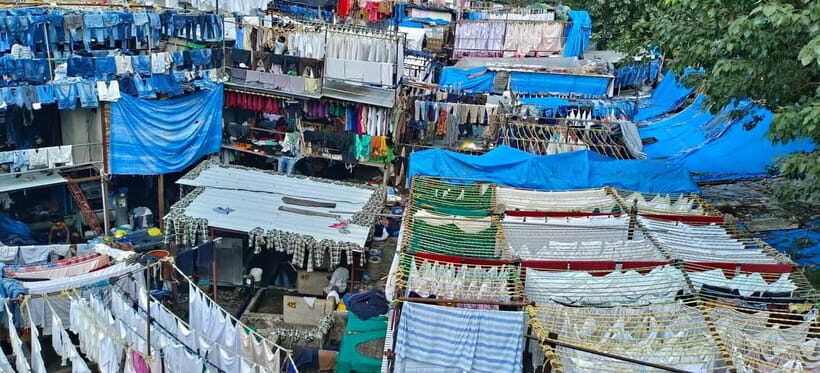
- Dhobi Ghat open-air laundry where you can observe the cleaning process up close
- Real industries in motion: plastic recycling plus garment/textile and leather work
- Slumdog Millionaire filming spot inside Dharavi, explained in context
- Tours that aim to break stereotypes, keeping the focus on daily life and community
How the Dharavi-and-Dhobi Ghat pairing makes sense in 3 hours
This is a fast, focused tour. In about 3 hours, you connect two sides of Mumbai that outsiders often treat as separate stories: one is everyday neighborhood life (Dharavi), and the other is a working industry that turns garments into everyday cleanliness (Dhobi Ghat).
That pairing works because the same theme runs through both: people make systems out of limited space and limited resources. You’ll see how livelihoods get organized, how materials move, and how routine gets built into a place where life never really pauses.
If you only have a short window in Mumbai, this format is efficient. If you want slow, museum-style pacing, you’ll probably find it a bit intense.
You can also read our reviews of more tours and experiences in Mumbai.


Meeting your guide in Mumbai and getting the tone right
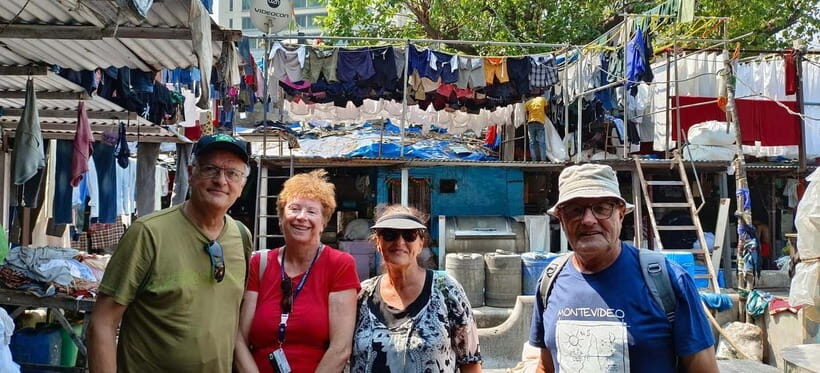
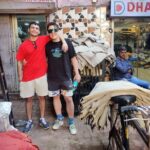
Your experience lives or dies on the guide. This tour is led by English-speaking local guides, and the local connection shows in how they explain what you’re seeing and how they manage privacy.
In the real-world examples from the tour’s guide lineup, names come up again and again—people like Bharti, Abi/Abhi, Alkama, Ansh, Faizan, and Zee. A common thread: they’re described as respectful with photo moments and careful about pace, including on hot days.
You’ll want to start with the right mindset: ask questions, but ask them like a visitor who’s curious, not like a detective collecting proof of stereotypes. The best tours keep you moving, keep you safe, and keep the focus on understanding.
Dharavi: work, homes, and the industries behind the headlines
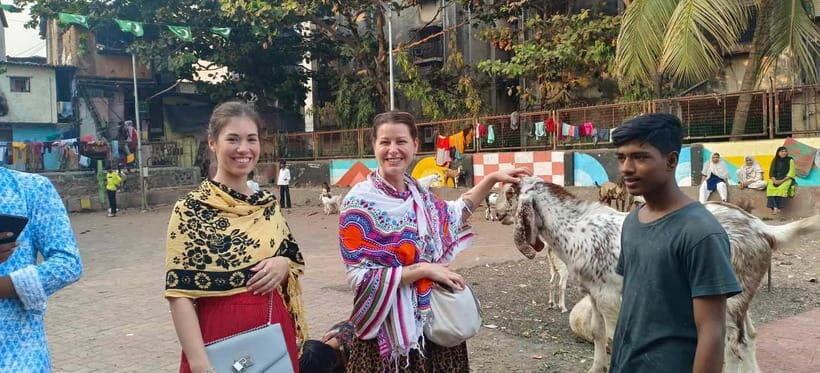
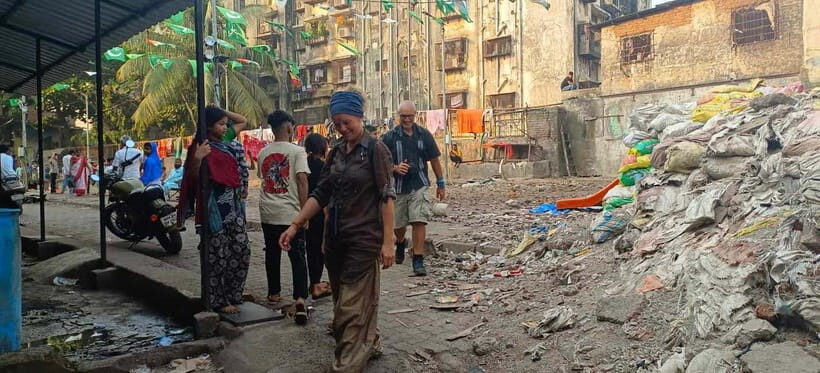
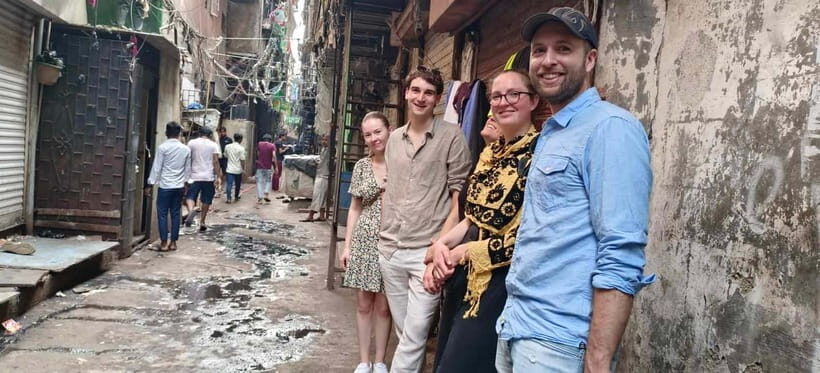
Dharavi is often reduced to one-liners. This tour resists that. You’re guided through what residents do—where families live, where children play, and where work happens in and around homes.
The industries you’ll likely see (and why they matter)
You can expect to see major activity tied to everyday materials and reuse. The tour highlights several industries, including:
- Plastic recycling, with the workflow explained as a system
- Garment and textile work
- Leather industry activity
- Other related trades that connect to the broader recycling/remanufacturing economy
What you should take away isn’t just the fact that work happens. It’s how the economy is organized at a human scale. When a local guide explains the chain—from waste and raw materials to finished goods—it changes how you interpret the entire neighborhood. Instead of seeing only “poverty,” you start seeing production, skills, and income-generating networks.
The tour also frames Dharavi as economically significant, mentioning an annual income figure around 1 billion US dollars. Even if you don’t treat that number like gospel, it’s a useful prompt: this is not an empty “problem zone.” It’s a functioning place with real output.
The Slumdog Millionaire filming location
One standout claim that the tour incorporates is a stop connected to Slumdog Millionaire, described as a place where filming happened inside Dharavi. The useful part here is the context your guide provides—how a movie scene connects to the physical and social reality of the neighborhood.
If you’re a film fan, it can feel like watching the same world through a different lens. If you’re not, it still works as an easy way to understand how Dharavi is portrayed versus how it actually operates.


Seeing daily life without turning people into exhibits
Many visitors worry that a slum tour will feel voyeuristic. The tour is positioned specifically to prevent that: it aims to dispell perceptions and to show daily life through the eyes of residents.
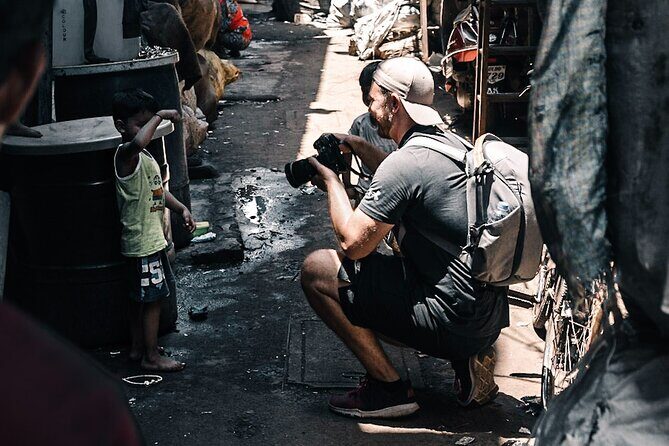
In practice, that means you should expect a careful rhythm—pauses to explain, space for people to continue work, and no “photo scramble” energy. The guides referenced in the reviews also come across as compassionate and protective of privacy. For you, that translates into a visit that feels more like conversation and observation than spectacle.
Dhobi Ghat open-air laundry: what you’ll actually notice
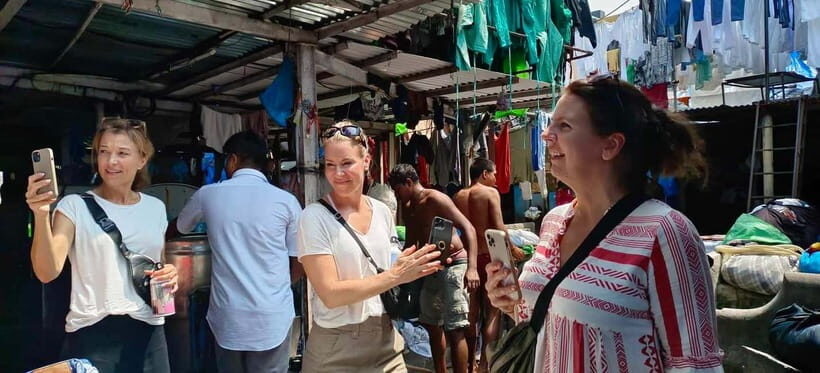
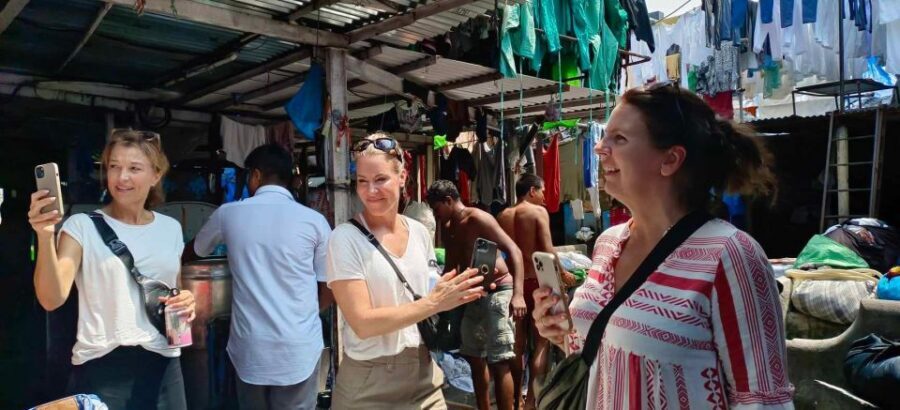
Dhobi Ghat is where Mumbai’s laundry culture becomes visible at street level. You’re not just walking past it; you’re watching the open-air laundry process and learning what makes it work.
In the tour descriptions and guide feedback, Dhobi Ghat is treated as a real industrial system: scale, workflow, and the way clothes get handled. Some guides explain the laundry system and share its background, so you’re not left thinking it’s only a curiosity.
What makes Dhobi Ghat worth the effort
- It’s tangible: you can see the logistics of laundry, not just hear a story.
- It’s social: the work involves coordination, routine, and shared space.
- It reframes what you think you know about “clean clothes” and the cost behind them.
If you’re expecting dramatic sights, you might be surprised by how much of the interest comes from process. The fascination is in the practical details—how a big operation runs day after day in open air.
A note on transport between stops
You’ll travel between Dharavi and Dhobi Ghat, and some versions of the experience include a local train ride. That’s worth mentioning because it turns the day from “walking tour” into “Mumbai transit reality.” Just keep in mind the route can depend on timing and group movement.
Walking pace, heat, and how to be comfortable
Even when a tour is well organized, Dharavi streets and the Dhobi Ghat area can feel crowded. Guides in the experiences you’re reading about also mention pacing and checking on comfort—especially in hot weather.
So here’s your practical checklist:
- Wear comfortable walking shoes.
- Bring water (it’s included, but you’ll still feel better if you pace yourself).
- Dress for sun and modesty (basic respectful coverage goes a long way in working neighborhoods).
- Keep your phone away during tight moments. Look first, then capture if your guide indicates it’s appropriate.
If you’re traveling with kids, this type of tour can work because it’s concrete and explainable. But it can also be intense for younger attention spans. Plan for questions, breaks, and shorter bursts of walking.
Price and value: what $4.45 per person buys you
The published price is about $4.45 per person for a 3-hour guided experience. At that level, the value isn’t the luxury—it’s the access and local context.
Here’s what you get, based on the tour details:
- An English-speaking local tour guide
- Option for private or shared format (depending on what you select)
- Entry tickets
- Travelling fees
- Water
What you do not get:
- Food and drinks
That means your “real cost” is mostly about how you plan meals around the tour time. If you’re budgeting, it’s simple: bring or buy a snack plan before/after, and keep a little cash for personal needs.
Also, don’t ignore the inclusions that don’t sound glamorous:
- Paying for entry and transport saves time and confusion.
- Having a local guide reduces the risk of awkward moments where you don’t know the rules of a working neighborhood.
For $4.45, the tour’s value is best measured in human terms: local access, explanations, and the ability to see a working economy without guessing.
Ethics and comfort: how the best guides handle privacy
This tour’s messaging is clear: it’s designed to be safe and respectful, and it’s guided by someone connected to Dharavi. That matters to you because slum tours can go wrong fast—by turning real people into content.
In the guide stories you can use as a guide to what to expect, names like Daniel’s guide Abi, Bharti, Ansh, and Alkama are repeatedly linked with respectful behavior: listening, answering questions, and managing pace without pushing uncomfortable photo moments.
For you, the best way to ensure a good experience is to follow the guide’s lead:
- Don’t interrupt work.
- Ask permission before photographing.
- Accept that some areas are private.
- Treat the tour like learning, not like auditing.
When the guide is local and community-connected, the tour tends to feel more protective than exploitative—which is the whole point.
Who this tour fits best (and who might feel off-balance)
This is a strong fit if you:
- Want a real Mumbai experience beyond monuments
- Like learning how economies work on the ground
- Enjoy guided explanations and ask a lot of questions
- Are okay with seeing hard realities, as long as the visit is respectful
It may not be ideal if you:
- Want only light, low-emotion sightseeing
- Hate crowded streets or don’t enjoy frequent walking
- Prefer areas where you can stay at a distance from working communities
If you’re a solo traveler, the tour context is described as feeling safe, including for solo women in the guide feedback. If you’re traveling with a group, the guide’s small-group approach can also help keep the tour from feeling chaotic.
Should you book this Dharavi and Dhobi Ghat tour?
I’d book it if your goal is understanding Mumbai’s working reality—how people build livelihoods, how materials get recycled into new products, and how the open-air laundry system keeps running.
Skip it if you’re uncomfortable with close-up human reality, or if you want only “easy sightseeing.” This tour isn’t trying to entertain you. It’s trying to help you see how life functions.
If you do book, your best move is simple: come with curiosity and respect. The tour is strongest when you treat it like a conversation with a local guide—someone like Bharti, Abi/Abhi, Alkama, Ansh, Faizan, or Zee—who can connect the visuals to daily life.
FAQ
How long is the Dharavi Slum and Dhobi Ghat tour?
The duration is 3 hours.
Is it a private tour or a shared group tour?
It’s offered as private or shared, depending on the option you choose.
What language are the guides?
The tour includes an English-speaking live tour guide. An optional English audio guide may also be available.
What’s included in the price?
Included are the local English-speaking tour guide, private or shared tour, entry tickets, travelling fees, and water.
Is food included during the tour?
No. Food and drinks are not included.
Will I visit both Dharavi and Dhobi Ghat?
Yes. The experience is designed to show real Dharavi and the Dhobi Ghat Laundry.
What kinds of work will we see in Dharavi?
You can expect to see industries and activities such as plastic recycling, garment/textile, and leather, along with other business activity.
Is there a connection to Slumdog Millionaire?
The tour includes visiting a place in Dharavi described as a location where Slumdog Millionaire was filmed.
What are the cancellation and booking options?
You can cancel up to 24 hours in advance for a full refund. You can also reserve now and pay later.