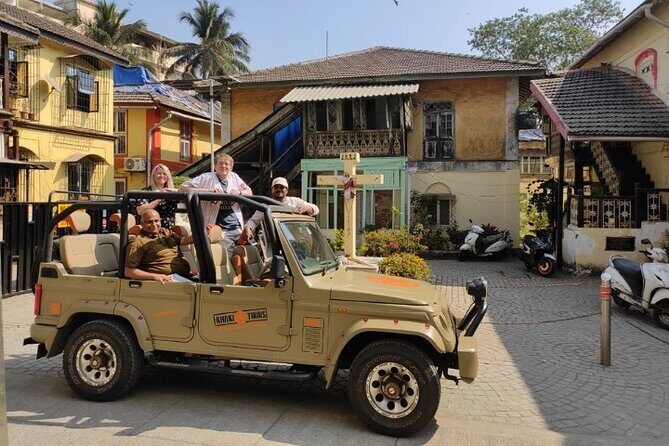
REVIEW · MUMBAI
Life In Dharavi: A Guided Tour Of Dharavi Slum
Book on Viator →Operated by Young Tours And Travel · Bookable on Viator
Dharavi isn’t a set; it’s daily life. This private Mumbai tour focuses on life inside Dharavi through the people who live there, with time to ask questions about how the area might change in the future. It’s tied in public imagination to Slumdog Millionaire, but what you’re really paying for is a human-scale look at how a huge community works.
I especially like the local-guided perspective, including English-speaking guides who know the routines, the workshops, and the practical realities up close. I also like the way the visit includes hands-on industry details, including glimpses of plastic recycling and other small-scale production like soap and pottery.
One consideration: this is a real neighborhood, not a staged museum. You should expect active areas, close quarters, and some walking that may not feel like a typical sightseeing day, and lunch isn’t included.
In This Review
- Key points at a glance
- Dharavi, Up Close: Why This Tour Feels Different
- Private Hotel Pickup and the $54 Value for 4 Hours
- Your Guide Matters: English, Local Experience, and Real Industry Work
- Walking Dharavi: Daily Life, Second-Generation Homes, and the Rent Reality
- What You See in the Workshops: Plastic Recycling, Soap, and Pottery
- Development Plans Explained by People Who Live There
- Getting the Most Out of the Visit: What to Bring and How to Behave
- Who Should Book This Dharavi Slum Tour (and Who It Might Not Fit)
- Should You Book Life In Dharavi: A Guided Tour Of Dharavi Slum?
- FAQ
- What is the duration of the Dharavi guided tour?
- How much does the tour cost?
- Do I get hotel pickup?
- Is bottled water provided?
- Is lunch included?
- Is this a private tour?
- What about cancellation?
Key points at a glance
- Private tour with personal attention, so you can ask questions without feeling rushed
- Hotel pickup and AC transport included, plus bottled water to pack light
- English-speaking resident guides who can explain daily life and local industry clearly
- See how working Dharavi connects to Mumbai’s bigger economy, including the way wages and location shape daily routines
- Learn about plans for development from the people living the story
- Price includes an admission ticket for the experience
Dharavi, Up Close: Why This Tour Feels Different
Dharavi has become famous from movies and headlines, but those can make the place feel abstract. What makes this tour compelling is that it’s built around what residents say matters: work, family, skills, and what they want next.
The format is also practical. You’re not hopping on and off group buses all day. You get private transportation from your hotel, and then you spend focused time in Dharavi learning how daily life and small businesses function in a space that’s often described in big numbers. The guide’s job isn’t to shock you. It’s to help you understand.
And yes, this area is often described as Asia’s largest slum, home to more than a million people. Knowing that fact is useful, but the more important takeaway is what it means in everyday terms: crowded living, multi-generational roots, and a community that’s constantly working.
You can also read our reviews of more guided tours in Mumbai



Private Hotel Pickup and the $54 Value for 4 Hours
At $54 per person for roughly four hours, this tour can feel either like a bargain or a splurge—depending on what you compare it to. Here’s how I see the value.
You’re paying for a door-to-door setup: private transport from your hotel, an air-conditioned vehicle, and bottled water. That matters in Mumbai, where time is money and traffic and heat can chew up a day fast. You’re not just paying for a guide standing next to you; you’re also paying for getting there comfortably and efficiently.
It’s also a private tour for your group only, which usually costs more than standard shared tours. The listing also notes group discounts, so if you’re traveling with friends, it may get more budget-friendly per person.
Two small notes to keep your expectations realistic:
- The tour is about a focused visit, not an all-day immersion.
- Lunch isn’t included, so plan for food before or after your tour.
If you like experiences with a strong guide-led narrative and an efficient schedule, this timing is one of its strengths. Four hours is long enough to make the place understandable, but short enough to keep it from turning exhausting.
Your Guide Matters: English, Local Experience, and Real Industry Work
I’ve learned to treat the phrase English-speaking guide as a real quality marker, not a throwaway line. Here, English matters because it’s what allows the guide to explain things clearly: how people earn money, what the local economy looks like, and how residents interpret development plans.
In the reviews, I kept seeing the same idea: guides with deep roots, not just training. Bharti is mentioned as a standout example—someone who has lived in Dharavi her whole life, and who can speak from a multi-generational perspective. Divya is another name that shows up in the feedback as a pioneer and a first female guide from Dharavi, described as a local celebrity and known for welcoming guests.
That kind of guidance changes the vibe. You’re more likely to get context than a script. You’re also more likely to see connections between different parts of Dharavi—how a small workshop relates to other trades, how families sustain routines across generations, and why certain industries survive and grow.
One more detail worth valuing: the reviews hint that proceeds from the tour are routed back into the community. I can’t promise exactly how every dollar is allocated from the details provided, but the key idea is clear: this isn’t framed as purely extractive sightseeing. It’s positioned as a way to support local voices.
Walking Dharavi: Daily Life, Second-Generation Homes, and the Rent Reality
The big story in Dharavi isn’t just where people live. It’s why people end up there—and why many stay. The tour context explains that Dharavi sits on prime property inside Mumbai, yet offers a much cheaper option than typical city rents. That’s crucial for understanding the place without turning it into a tragedy-only narrative.
You’ll hear that many residents are second-generation, meaning parents moved in years ago, and children grew up there. That shifts the story from temporary shelter to long-term community life.
The guide also connects daily life to the city’s pressure. In Mumbai, where rents can be among the highest globally, cheaper housing becomes the difference between staying in the city for work or being forced out. The tour notes that daily wages here can be as low as 185 rupees (about $4), which gives you a sense of why local work systems and affordability matter so much.
Then there’s the location factor. Dharavi sits between Mumbai’s two main suburban rail lines, and many people find it convenient for commuting to jobs across the city. This matters because it explains how Dharavi can be both close to economic opportunity and still face intense resource constraints.
What you should watch for during the walking parts:
- How the community is organized around work, not just housing
- How residents describe practical daily routines
- How the guide explains choices rather than treating residents like passive subjects
If you’re hoping for a neat “tourist route,” adjust your mindset. This is a place people live and work in every day. Your role is to learn, ask respectfully, and stay attentive.
What You See in the Workshops: Plastic Recycling, Soap, and Pottery
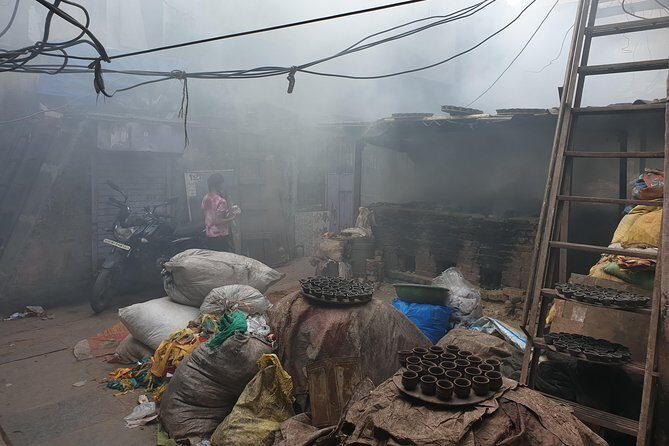
A tour like this can easily go wrong if it turns into a highlight reel of poverty. This one has a better approach: it tries to show how Dharavi functions through small-scale industry.
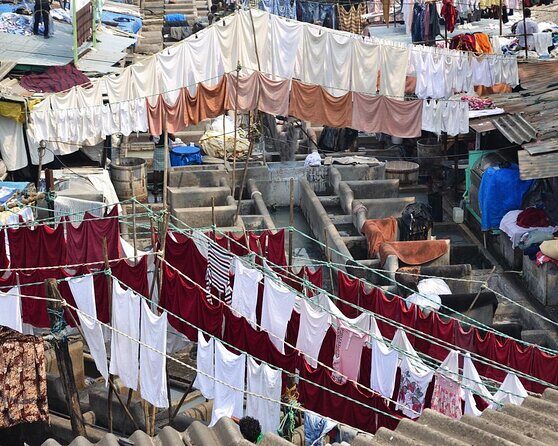
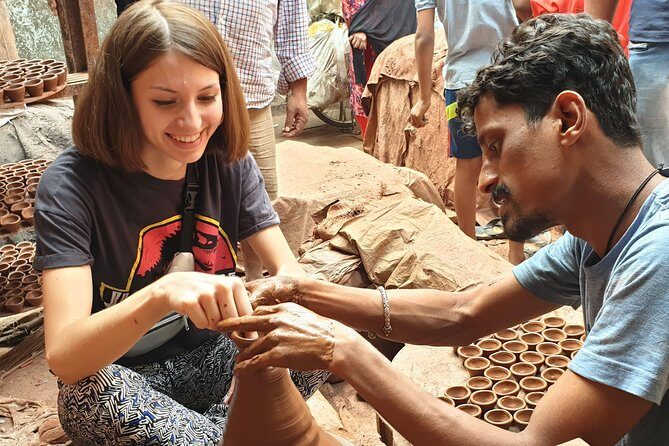
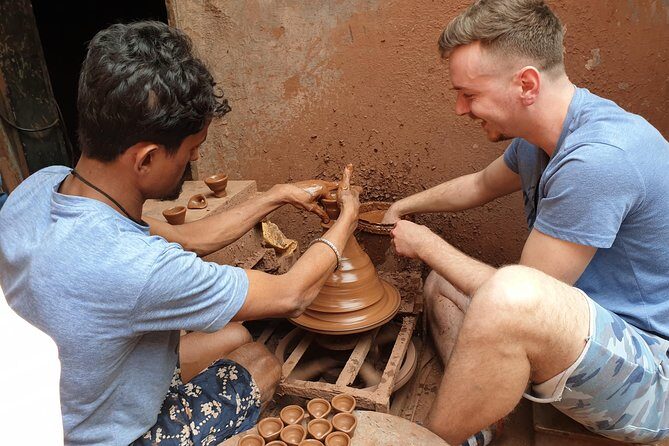
From the information shared, you can expect the guide to point out thriving trades and production. Reviews specifically mention seeing areas where plastic is recycled, soap is made, and pottery is produced. Even if you don’t catch every type of workshop on your exact route, the pattern is consistent: Dharavi’s industries link skills, reuse, and local production into a working ecosystem.
Why that matters for you: Dharavi stops being a single labeled place and becomes a network of jobs. Recycling and manufacturing details can help you understand why people stay. Work isn’t an abstract concept here—it’s part of survival, but also part of pride and capability.
Also, industry-focused explanations help you avoid stereotypes. When a guide can show how processes work, who does what, and how materials flow, you start seeing competence and entrepreneurship rather than only hardship.
Practical note: these kinds of working areas can mean dust, strong smells, and uneven surfaces depending on where you go. The tour includes bottled water so you can stay comfortable, and it’s designed to help you pack light. I’d still plan your clothing and footwear like you’re visiting a working neighborhood, not a clean indoor attraction.



Development Plans Explained by People Who Live There
The tour isn’t only about what’s there today. It also includes discussion of plans for Dharavi’s development, guided by the people who live there. That’s important because “development” can mean many things to different groups, and residents may have priorities you won’t hear from outsiders.
You’ll also likely learn how residents think about change: what they want protected, what improvements are necessary, and what solutions could work in a place where daily survival depends on tight logistics.
This is the part that can feel emotionally heavy if you’re not ready for real-world tradeoffs. But it’s also where the tour earns its education value. You’re not just learning facts. You’re hearing how people interpret their own future.
If you want a respectful way to engage, come in with questions that focus on daily impact:
- What changes would make work easier?
- How do people want housing or services to evolve?
- What do residents think should stay the same?
The private format helps here. With a private tour, you can ask your follow-ups without worrying about holding up a bigger group.
Getting the Most Out of the Visit: What to Bring and How to Behave
Since the experience includes bottled water and air-conditioned transport, you’re already covered on a few comfort basics. Still, you’ll enjoy the tour more if you show up prepared for a real neighborhood visit.
Here’s what I recommend:
- Wear comfortable shoes. You may be on uneven ground and moving at a neighborhood pace.
- Keep your questions ready, but also keep your tone respectful. This is a community, not a classroom with strangers.
- If you’re sensitive to heat or crowds, plan for that reality. Mumbai conditions can be intense even when the schedule is short.
- Bring light layers if you run cold in vehicles, but don’t plan on a lot of shade.
And one more mindset tip: you’ll learn faster if you treat your guide as a translator of context, not just a storyteller. If your guide is explaining why something exists, try to connect it to what residents need to get through the day.
Also, if you care about photography, follow your guide’s lead. This kind of visit is about understanding and relationships, not guaranteed picture moments. If your guide discourages certain angles or moments, take it seriously.
Who Should Book This Dharavi Slum Tour (and Who It Might Not Fit)
This tour fits best if you want a guided, English-speaking explanation of life in one of Mumbai’s most central communities, with time to engage with residents and hear about development plans.
It’s especially a good match for you if:
- You prefer private tours with personal attention
- You like learning from locals who can explain industry and daily routines
- You want an efficient half-day plan that’s more than surface-level sightseeing
It might feel like the wrong fit if:
- You want a low-emotion, purely recreational outing
- You’re expecting a polished, museum-style experience
- You don’t handle uneven neighborhood conditions well
The tour does note that most travelers can participate, and service animals are allowed. It’s also described as near public transportation, which can help if you’re coordinating your broader day around Mumbai’s rail network.
But the core truth remains: this is a real place with real people and active work. If you approach it with curiosity and respect, it’s one of the more meaningful Mumbai experiences you can book.
Should You Book Life In Dharavi: A Guided Tour Of Dharavi Slum?
I’d book it if you want an honest, guide-led understanding of Dharavi that goes beyond headlines. The value adds up when you factor in the private hotel pickup, AC transport, bottled water, and a guide who can explain both daily life and development conversations. Four hours is also a sweet spot: long enough to make sense of a complex place, short enough to stay focused.
Skip it if you’re looking for a detached, purely visual experience. This isn’t that kind of tour. It’s about learning from residents, and that means you should expect something more reflective than postcard travel.
Finally, do a quick check on your own motivation. If you’re going to approach Dharavi like a human story—work, family, skills, and future plans—you’re likely to leave with a clearer view and a better question set. If you’re going just for shock value, you’ll miss the point.
FAQ
What is the duration of the Dharavi guided tour?
The tour lasts about 4 hours (approx.), with around 3 hours mentioned on the activity itself.
How much does the tour cost?
It costs $54.00 per person.
Do I get hotel pickup?
Yes. Private transportation from your hotel is included.
Is bottled water provided?
Yes. Bottled water is provided, so you can pack a bit lighter.
Is lunch included?
No, lunch is not included.
Is this a private tour?
Yes. It’s a private tour/activity, and only your group participates.
What about cancellation?
You can cancel for a full refund up to 24 hours in advance of the experience start time.