REVIEW · MUMBAI
Magical Markets Tour in Mumbai with a local
Book on Viator →Operated by Yo Tours · Bookable on Viator
Mumbai’s markets move fast and feel personal. This 2-hour Mumbai markets tour strings together iconic stops like Bhuleshwar Market, Zaveri Bazaar, and Mumba Devi Temple, with a local guide who points out what’s worth your time (and your money). You also get shopping tips along the way, which is a big deal in a city where prices and pitches can change from stall to stall.
What I like most is the practical shopping guidance and the way the route hits different kinds of places, not just one theme. You’ll see fruits and spices, pooja items, textiles, jewelry, antiques, and even food-gift stops like Crawford Market. That variety makes the small group feel efficient rather than chaotic.
One thing to consider: it’s a lot of stops in a short walk. If you want to bargain slowly, try on everything, and linger for photos, you may feel slightly rushed during the 2 hours.
In This Review
- Key highlights you’ll care about
- A two-hour Mumbai markets route that actually makes sense
- Starting at Shree Swaminarayan Mandir (Vadtal Gadi)
- Bhuleshwar Market lanes: where daily needs turn into shopping missions
- Mumba Devi Temple: the name behind Mumbai
- Zaveri Bazaar for jewelry: sparkle, but with a plan
- Kalbadevi streets, Chor Bazaar, and the flower alley
- Mangaldas Market since 1893: silk, textiles, and tailoring culture
- Crawford Market, opened in 1871: fruits, cheese, and chocolate
- Why the guide and “storyteller” style matters
- Price and value: what $12.44 buys you in practice
- Morning vs evening: pick the time that fits your comfort
- Who this Mumbai Magical Markets Tour is best for
- Should you book it?
- FAQ
- What is the duration of the Magical Markets Tour in Mumbai?
- Where does the tour start?
- What is the group size limit?
- What time options are available?
- What’s included in the tour price?
- What is not included?
- Will I receive a ticket or confirmation?
- Is it suitable for most people?
- What is the cancellation policy?
Key highlights you’ll care about
- Shopping tips from a trained local guide so you know what to look for as you walk
- Two time choices (morning or evening) to match heat, crowds, and your schedule
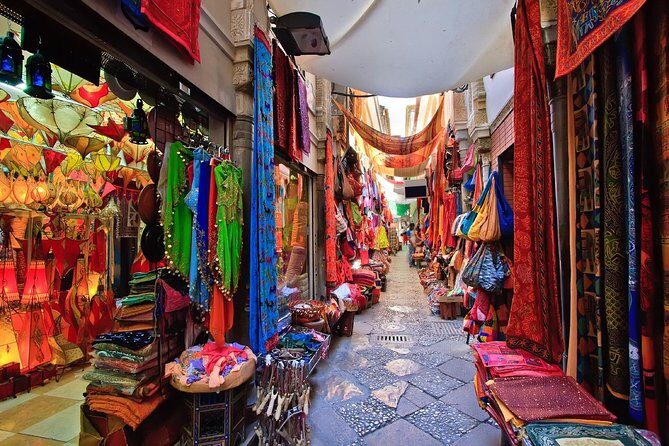
- A tight route through multiple market styles: produce, spices, pooja supplies, textiles, jewelry, antiques
- Mumba Devi Temple visit to connect the city name to the goddess
- Major market stops with specific specialties like Zaveri Bazaar for jewelry and Mangaldas for silk
A two-hour Mumbai markets route that actually makes sense
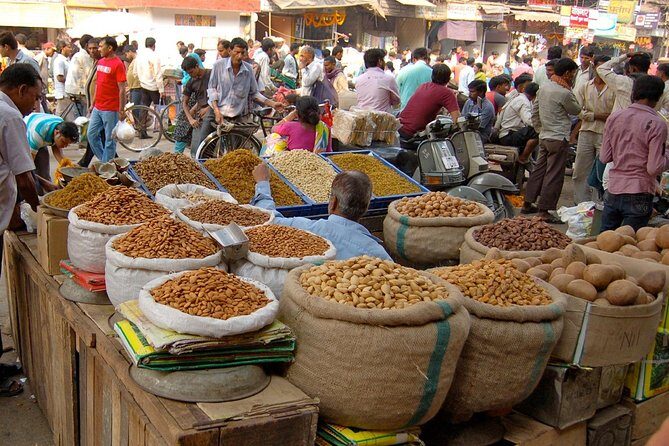
Mumbai markets can overwhelm you fast. This tour keeps the pace manageable by focusing on a concentrated circuit and a small group size—maximum 15 people. That matters because you’ll get more chances to ask questions, and the guide can steer you toward the right lane or stall type.
The overall goal is simple: you get a guided walk through the places you’d otherwise wander through blindly. You’re not stuck in one market all day. Instead, you rotate through different areas with different specialties—so by the end, you have a clearer picture of how Mumbai shopping culture works.
You’ll also get a mobile ticket and group discounts, which is handy if you’re booking last-minute planning but still want a structured experience. And since the tour returns to the meeting point, you’re not dealing with mid-tour logistics.
You can also read our reviews of more tours and experiences in Mumbai.



Starting at Shree Swaminarayan Mandir (Vadtal Gadi)
The tour starts at Shree Swaminarayan Mandir (Vadtal Gadi) on Kika Street near Charni Road East. Even before you hit the first market lanes, this stop gives you a cultural anchor. In practical terms, it helps you shift your brain from shopper-mode to city-understanding mode.
You’ll likely get a friendly storytelling style approach from your guide. The included experience is built around a friendly storyteller/guide who’s been trained by Yo Tours, and that tone matters early. You’re not just walking past sights—you’re hearing what you’re looking at and why people come to these places in the first place.
Bhuleshwar Market lanes: where daily needs turn into shopping missions
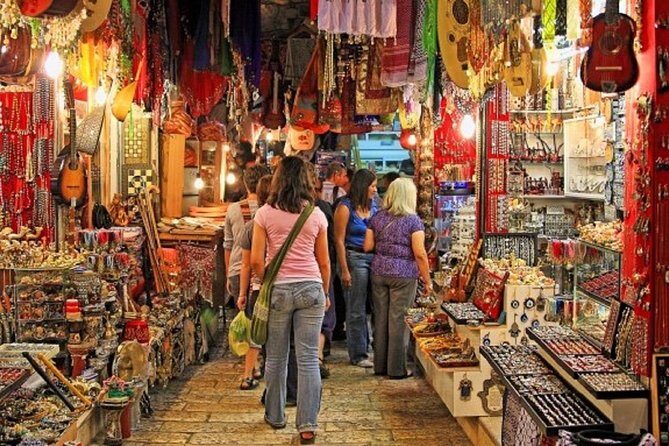
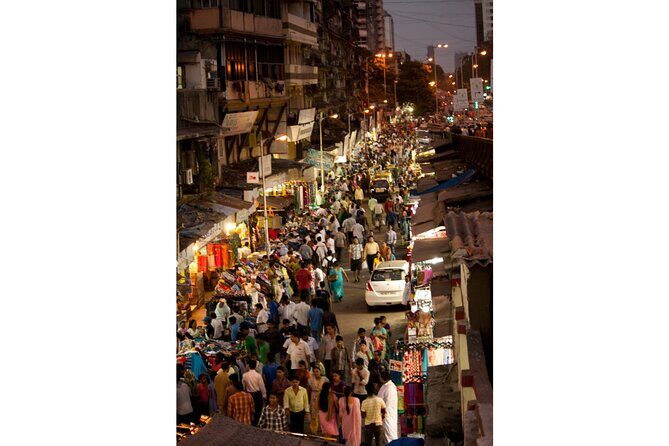
Your walk through Bhuleshwar Market is where the tour starts feeling very Mumbai. This market is known for lots of everyday items packed into smaller lanes. Expect to see things like fruits and vegetables, spices, pooja supplies, and floral touches such as rose petals. You’ll also run into textiles and fabric accessories, plus home items and religious essentials.
Here’s the value for you: markets like this can be disorienting. With a guide, you don’t just walk and hope. You can ask the right questions—what’s common, what’s seasonal, and what’s typically sold in each lane.
One caution: because these lanes can feel tight and busy, go slow when you’re entering side streets. Keep your phone secure, and keep an eye on your bag if you’re carrying anything. It’s not the kind of place where you want to be absorbed in browsing without awareness.
Mumba Devi Temple: the name behind Mumbai
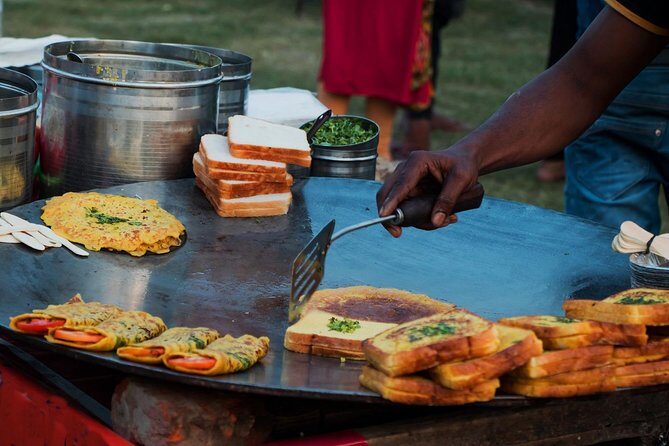
Between markets, you’ll visit the Mumba Devi Temple, which is tied to the story of how the city gets its name—connected to Goddess Mumbadevi. This isn’t a long scenic stop. It’s a quick, meaningful moment that puts context back into the shopping chaos.
Why this is worth it: it changes how you interpret the surrounding streets. When you learn that the city’s identity is linked to a goddess, the pooja items, offerings, and religious supplies you saw earlier stop feeling random. They become part of daily life rather than just tourist-friendly extras.
For photo timing, keep your expectations practical. Treat it like a respectful stop where you watch first, then capture if allowed.
Zaveri Bazaar for jewelry: sparkle, but with a plan

Next up is Zaveri Bazaar, described as Mumbai’s largest jewellery market. This is where the tour earns its name “Magical Markets.” You’ll see heavy ornamentation, gold displays, and glittering stones.
If you like shopping, you’ll appreciate the guide’s role here. Jewellery markets can tempt you to overspend without realizing it—especially if you’re trying to compare options while surrounded by shiny distractions. A good local guide can help you slow down and look with intention.
Practical advice for you: decide what you’re shopping for before you enter. Is it a small gift, costume jewellery, or something more serious? If you’ve got a budget range in mind, keep it visible in your head. The sales energy in jewellery areas can be intense, and you’ll make better choices if you anchor yourself early.



Kalbadevi streets, Chor Bazaar, and the flower alley

The tour then moves into the character of Kalbadevi’s streets and alleys. This part is more about atmosphere and variety than one single product category. You’ll see dense street activity, tight pathways, and a sense that the city runs on small businesses and repeat customers.
From there, you’ll walk through Chor Bazaar, which is famous for antiques and furniture. Even if you don’t plan to buy, it’s fun to watch how these markets work: sellers display objects like a story, and you can see how older items fit into modern street life.
You’ll also pass by Mumbai’s flower alley, which adds a sensory reset. Flowers are one of those things that makes street markets feel alive, and rose petals show up in the earlier market too. If you like color and scent, this section is a strong contrast to the jewellery shine and antique texture.
If you’re the kind of person who gets overwhelmed in crowded markets, take short pauses. Stand to the side for ten seconds and let the flow pass, then step back in.
Mangaldas Market since 1893: silk, textiles, and tailoring culture
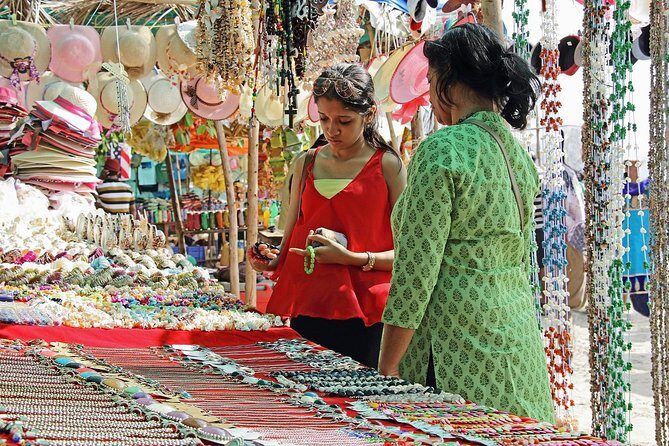
Mangaldas Market is known to have started in 1893, and it’s famed for silk and textiles. This is a major stop if you want fabric, clothing ideas, or even just to understand how cloth shopping differs from buying a single ready-made item.
You’ll see many tailors and designer boutiques crafting clothing from fabric. That means you’re not just looking at products—you’re watching a system. Tailors turning measurements into a finished piece is a different mindset than shopping for a pre-made souvenir.
Value for your money here is indirect but real: if you care about quality and how garments are made, a textile-focused market stop helps you learn what questions to ask. Even if you don’t buy, you’ll come away with clearer expectations for what’s worth paying for.
Crawford Market, opened in 1871: fruits, cheese, and chocolate
Your route includes Crawford Market, one of South Mumbai’s most famous markets, opened in 1871. Here, the focus shifts again. You’ll find fruits and vegetables, but what makes it especially interesting is the mention of imported cheese and handcrafted chocolate.
This stop is useful if you want shopping that feels like gifts rather than just goods for your closet. Even if you skip buying, it’s a great place to spot food culture beyond the usual street-snack routine.
If you plan to take food items back, think about how you’ll carry them and how long your day will last. Food shopping is fun, but Mumbai markets reward you for being organized.
Why the guide and “storyteller” style matters
This isn’t just a checklist of markets. The tour includes a friendly storyteller/guide, and that guide is specifically trained by Yo Tours. The intent is to help you connect what you’re seeing with local craft and culture—so you’re not just photographing signs.
One review highlighted the guide Nasir as an incredible resource for navigating markets and finding what to focus on. That’s the kind of value you want: someone who can answer your questions in plain language and point you away from wasting time in the wrong kind of stall.
You’ll also get a chance to learn about art and craft work, plus great conversations about local art and craft. That’s what makes a guided market walk feel less like sightseeing and more like understanding how the city works.
Price and value: what $12.44 buys you in practice
At $12.44 per person, this tour is priced to be a low-stress way to cover multiple market zones in a short time. You’re paying for two things you can’t easily DIY: a guided route that keeps you from getting lost, and a local guide who can tell you what each market is best known for.
It also helps that the tour includes group discounts and uses a mobile ticket. In plain terms, it reduces friction. You’re not trying to line up multiple separate visits across different neighborhoods in the same day.
Is it worth it if you don’t plan to shop? Usually yes, because the visit is as much about context as it is about buying. But if you’re the type who hates walking and only wants one market, you might feel like you’re seeing a lot without time to go deep.
Morning vs evening: pick the time that fits your comfort
You can choose morning or evening. That’s more than a scheduling option. Mumbai weather and street conditions can change a lot during the day, and having a choice helps you match the tour to how you handle heat and crowds.
Also, dress for the weather. This tour explicitly reminds you to dress according to conditions, and that’s not small talk. Market walking is active, and you’ll be happier if you’re comfortable from the first stop to the last.
If it’s rainy or very hot, consider bringing an umbrella. Between October to March, they recommend a scarf or jacket if you feel cold. Even if you don’t use them the whole time, you’ll be glad you packed a light backup.
Who this Mumbai Magical Markets Tour is best for
This tour is a strong fit if you’re:
- A first-time visitor who wants a fast orientation to shopping areas
- Interested in buying or comparing items across categories (textiles, jewelry, antiques, food gifts)
- The kind of person who enjoys market stories and wants a local guide to interpret what you’re seeing
- Traveling with a group of up to 15 and want a structured route with minimal hassle
It’s less ideal if:
- You need lots of sitting time or low-walking plans
- You want one single market to linger for hours
- You dislike crowds and tight lanes
Should you book it?
Book this tour if you want the best use of a short window in Mumbai. For the price, you get a concentrated sampler of major markets—plus a temple stop that gives the city’s meaning behind the name Mumbadevi. The guided shopping angle is the real value: you’ll walk away knowing what each area is known for and how to shop with less guesswork.
Skip or reconsider if you’re a slow browser who needs long bargaining sessions. With only about 2 hours, the experience works best when you’re ready to keep moving and let the guide steer your attention.
If you’re flexible on time, pick morning or evening based on what makes you most comfortable that day, and dress for the conditions. With that approach, you’ll get a lot of Mumbai in a short, satisfying stretch.
FAQ
What is the duration of the Magical Markets Tour in Mumbai?
The tour lasts about 2 hours.
Where does the tour start?
The meeting point is Shree Swaminarayan Mandir (Vadtal Gadi) on Kika St, Charni Road East, Jamli Mohalla, Panjarpole, Bhuleshwar, Mumbai, Maharashtra 400002.
What is the group size limit?
This tour has a maximum of 15 travelers.
What time options are available?
You can choose between a morning and an evening tour time.
What’s included in the tour price?
It includes a friendly storyteller/guide (trained by Yo Tours), a chance to learn about art and craft work, and conversations to explore local art and craft.
What is not included?
An umbrella is not included (helpful for rainy season or summer), and a scarf or jacket is not included (recommended between October to March if you feel cold).
Will I receive a ticket or confirmation?
You receive a confirmation at the time of booking, and the tour uses a mobile ticket.
Is it suitable for most people?
The tour notes that most travelers can participate.
What is the cancellation policy?
Free cancellation is available. You can cancel up to 24 hours in advance for a full refund. If you cancel within 24 hours of the start time, the amount paid will not be refunded.